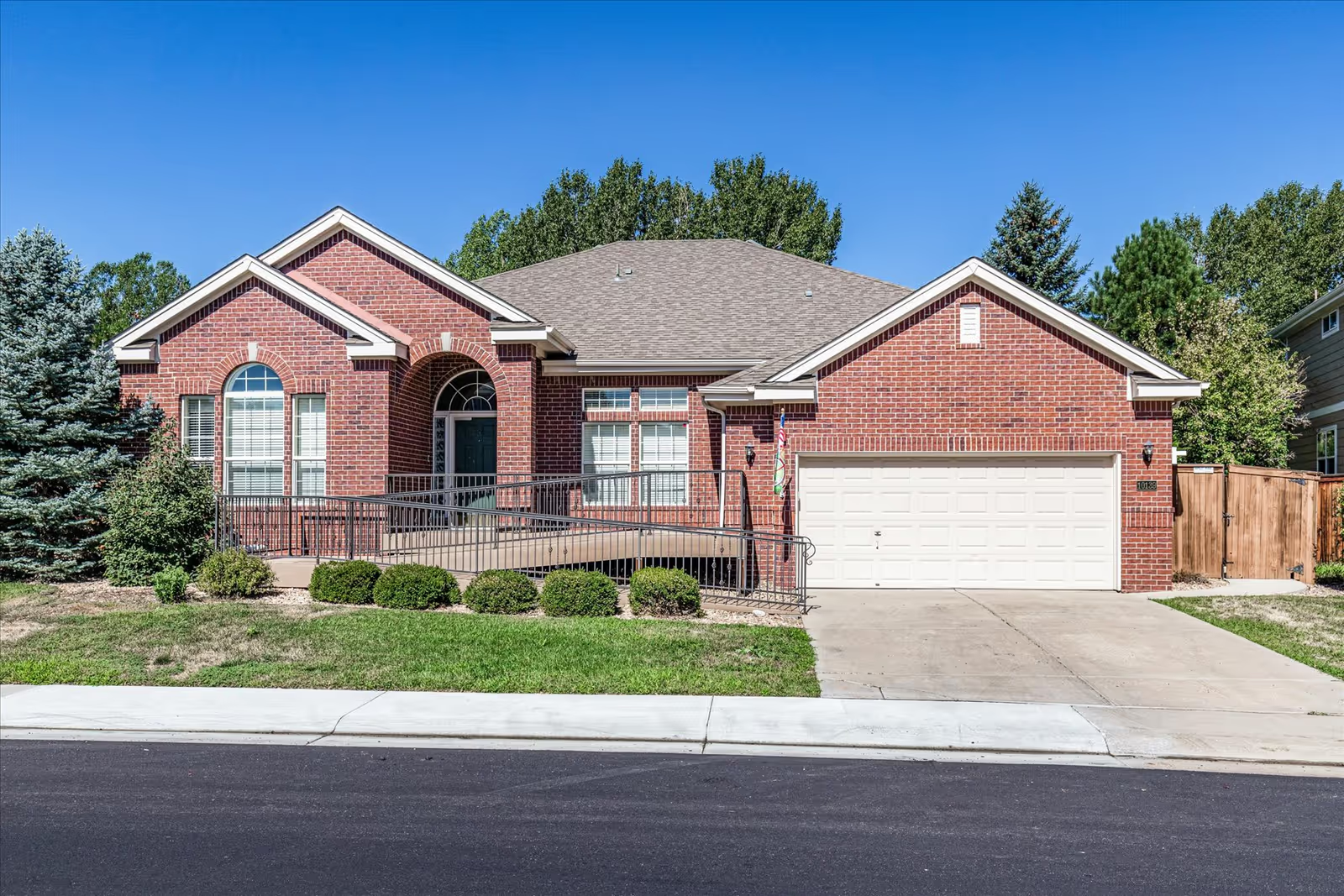
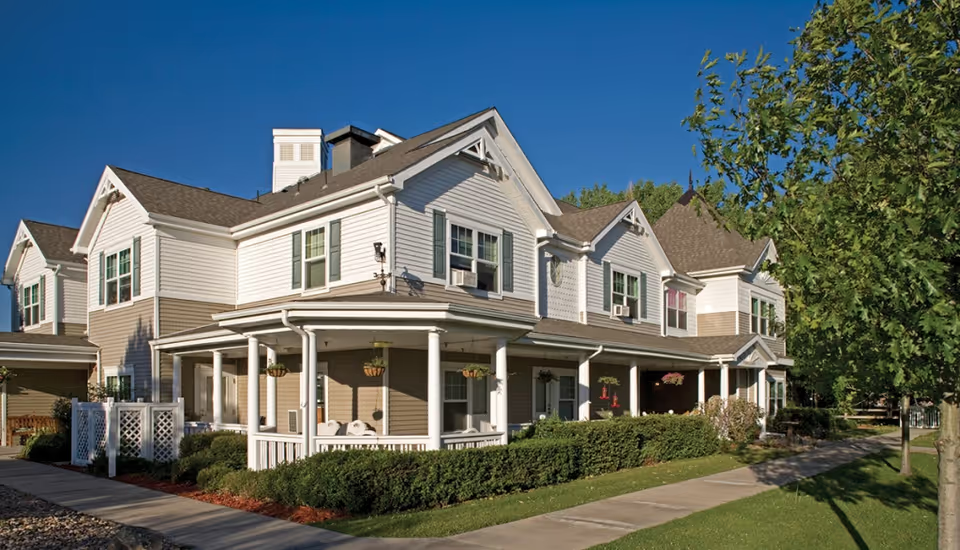
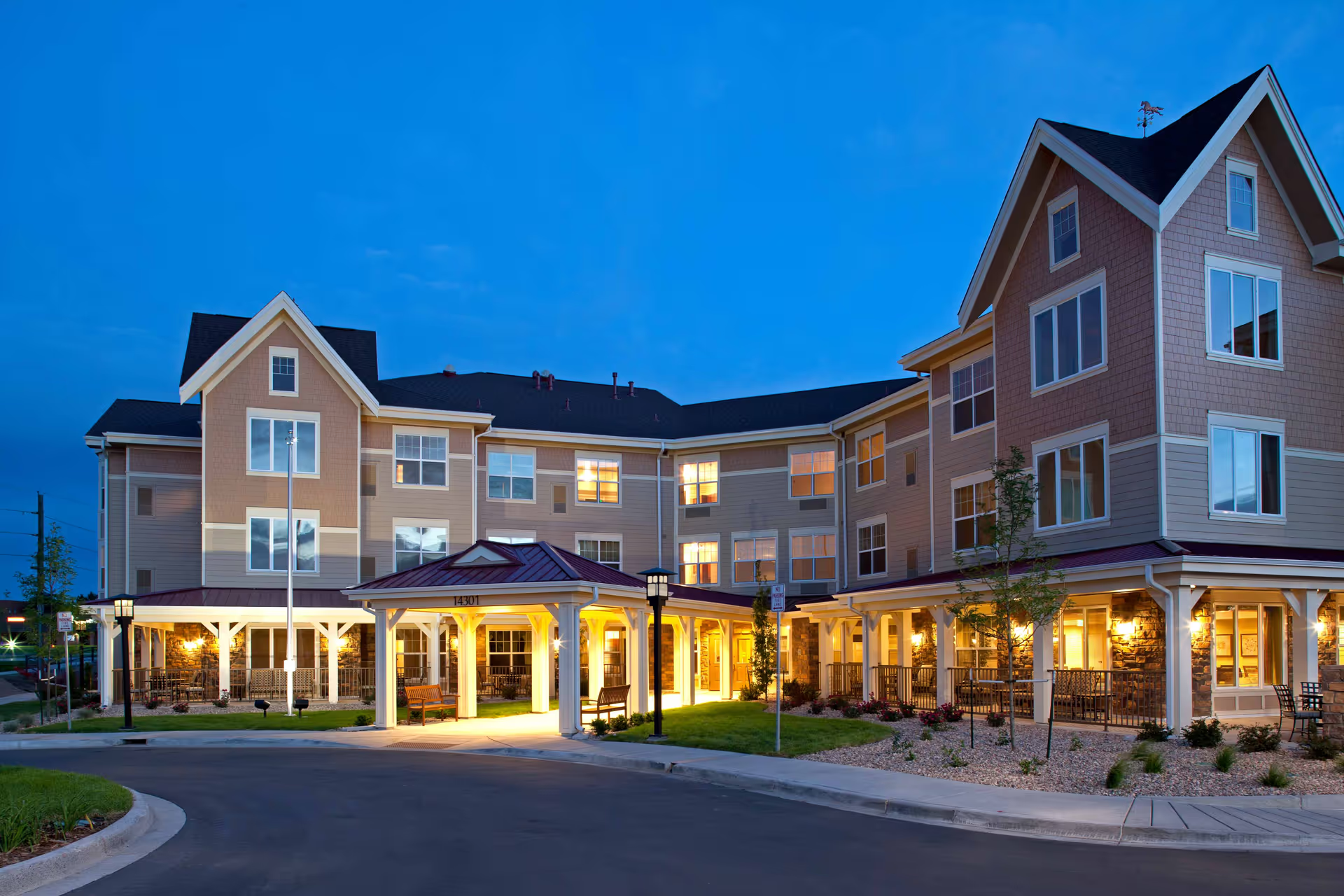
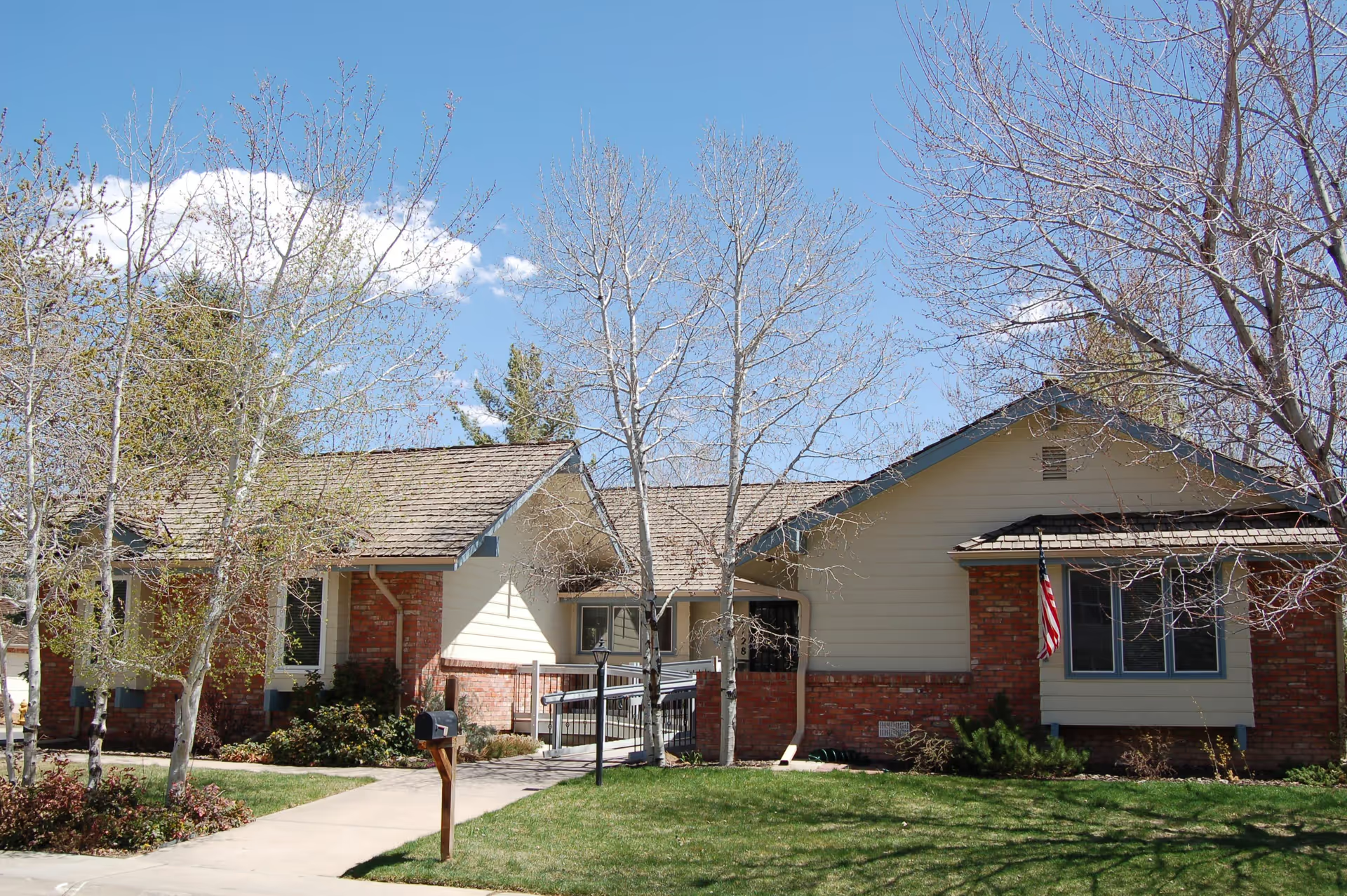
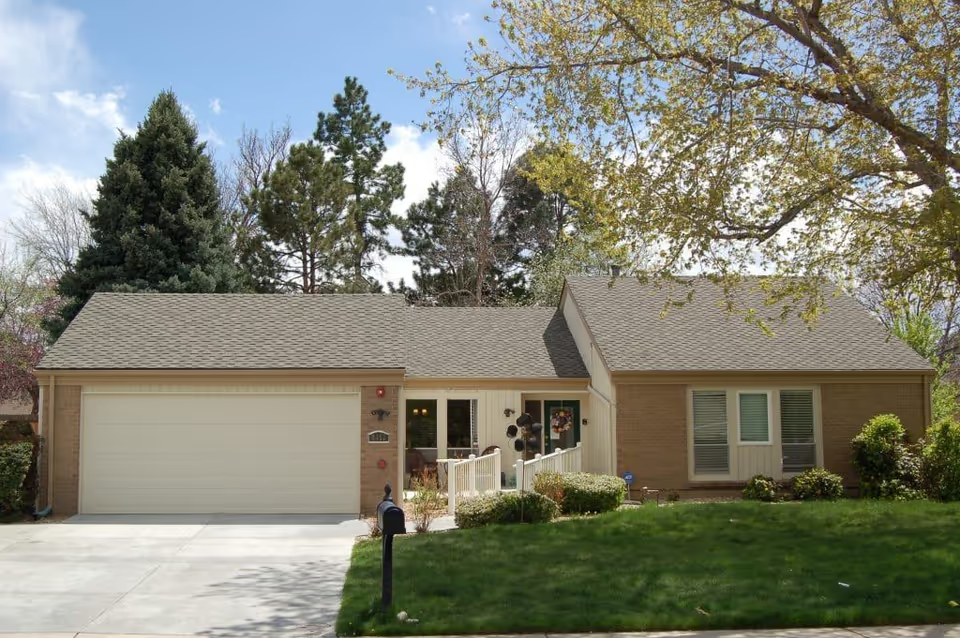
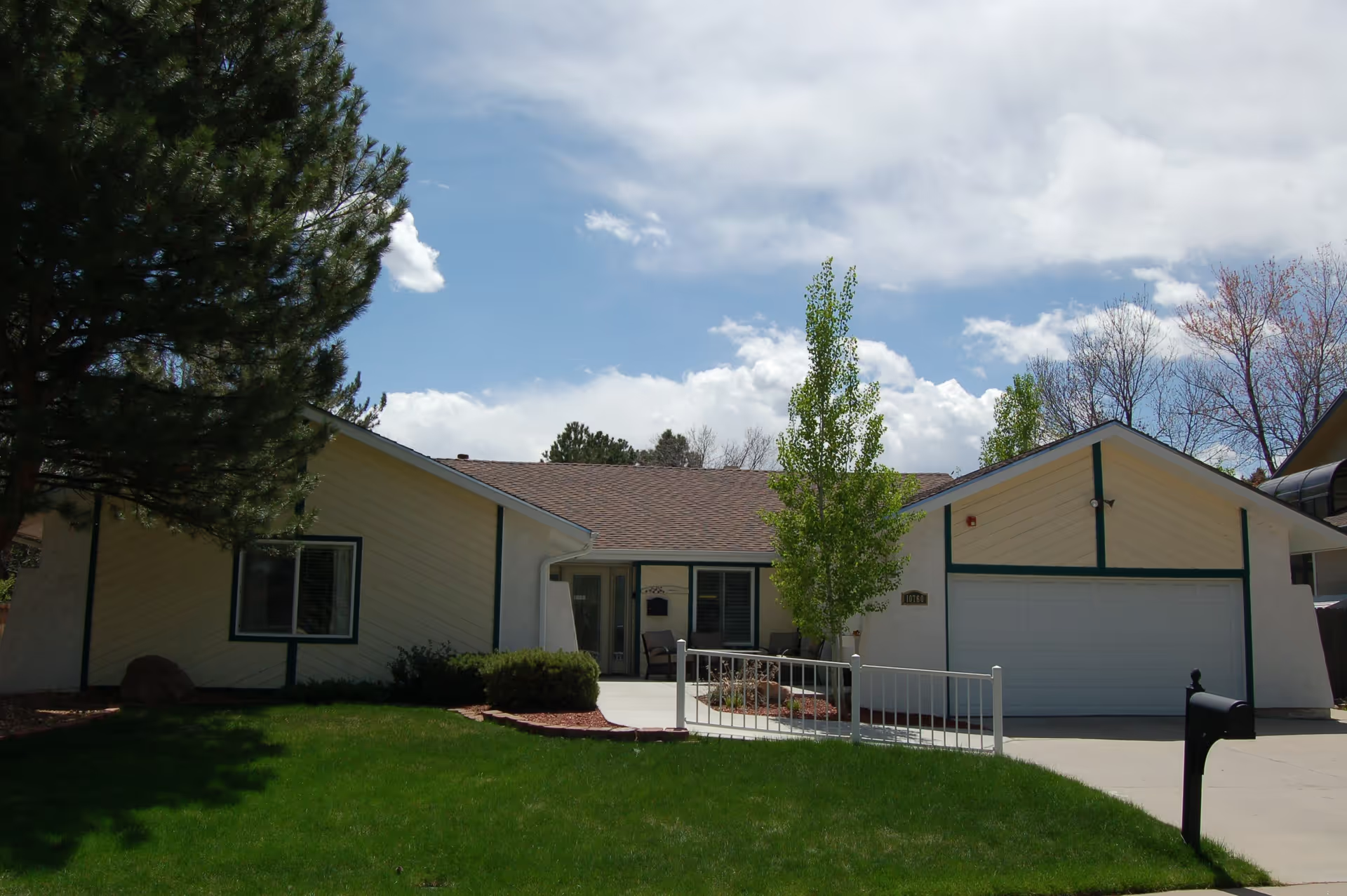
Life Care Center of Stonegate presents a clear contrast between its physical environment and several operational challenges. The community is frequently described as a newer, attractive, and well-maintained facility with spacious private rooms, hotel-like décor, and numerous on-site amenities (library, salon, dining areas, ice cream parlor). Many families and patients report positive impressions of cleanliness and an environment that feels less institutional and more home-like.
Rehabilitation services are a consistent strength. Physical and occupational therapy staff receive frequent praise for clinical skill, patient engagement, and effective progress in post-acute recovery. Numerous accounts describe measurable functional gains and satisfactory therapy outcomes, both for inpatient and outpatient services. Several individual staff members — including case managers, admission coordinators, and specific nurses and therapists — are singled out for high-quality, hands-on support and advocacy.
Conversely, a prominent pattern across reviews is operational inconsistency. Staffing levels are often described as inadequate, particularly on nights and weekends, and reviewers link understaffing to delayed responses to call buttons, prolonged waits for assistance, and inconsistent personal-care routines (including bathing and toileting assistance). Reviewers also describe variability in nursing and CNA competency and communication, creating uneven resident experiences depending on shift and personnel.
Medication management and care coordination are recurring concerns. Multiple accounts identify medication-administration errors, delayed medication delivery, and gaps in clinical follow-through. Discharge planning and interdepartmental coordination are described as inconsistent, with some families experiencing smooth transitions and others reporting abrupt or poorly coordinated discharges. Communication with families about clinical status, incident follow-up, and discharge instructions is frequently cited as an area needing improvement.
Dining and kitchen operations show mixed feedback. While some reviewers praise meal variety and occasional high-quality offerings, a substantial number report bland or processed meals, late or missed deliveries, and inconsistent meal service. A smaller subset raised food-safety and kitchen-sanitation concerns that warrant investigation given the potential risk to residents.
Management practices and administrative processes generate polarized views. Several families praise specific leaders and case managers for responsiveness and advocacy, but an equally strong vein of feedback criticizes leadership for poor responsiveness, billing and insurance coordination errors, and an overreliance on temporary staff. Complaints about billing accuracy, insurance communication, and potential privacy or billing misconduct appear in a subset of reviews; at least some reviewers reference regulatory grievances or formal complaints.
In summary, Stonegate's physical plant, therapy offerings, and many individual caregivers are notable strengths. Those strengths coexist with systemic operational weaknesses — chiefly inconsistent staffing, variability in nursing competency and responsiveness, medication- and discharge-process gaps, and uneven dining and kitchen practices. Prospective residents and families should weigh the facility’s strong rehabilitation capabilities and amenities against the documented variability in day-to-day nursing care, overnight coverage, family communication, and administrative reliability. Where possible, ask about current staffing ratios, overnight coverage, medication-safety protocols, recent regulatory findings, and specific case-manager contacts when evaluating the facility for short-term rehab or longer-term placement.