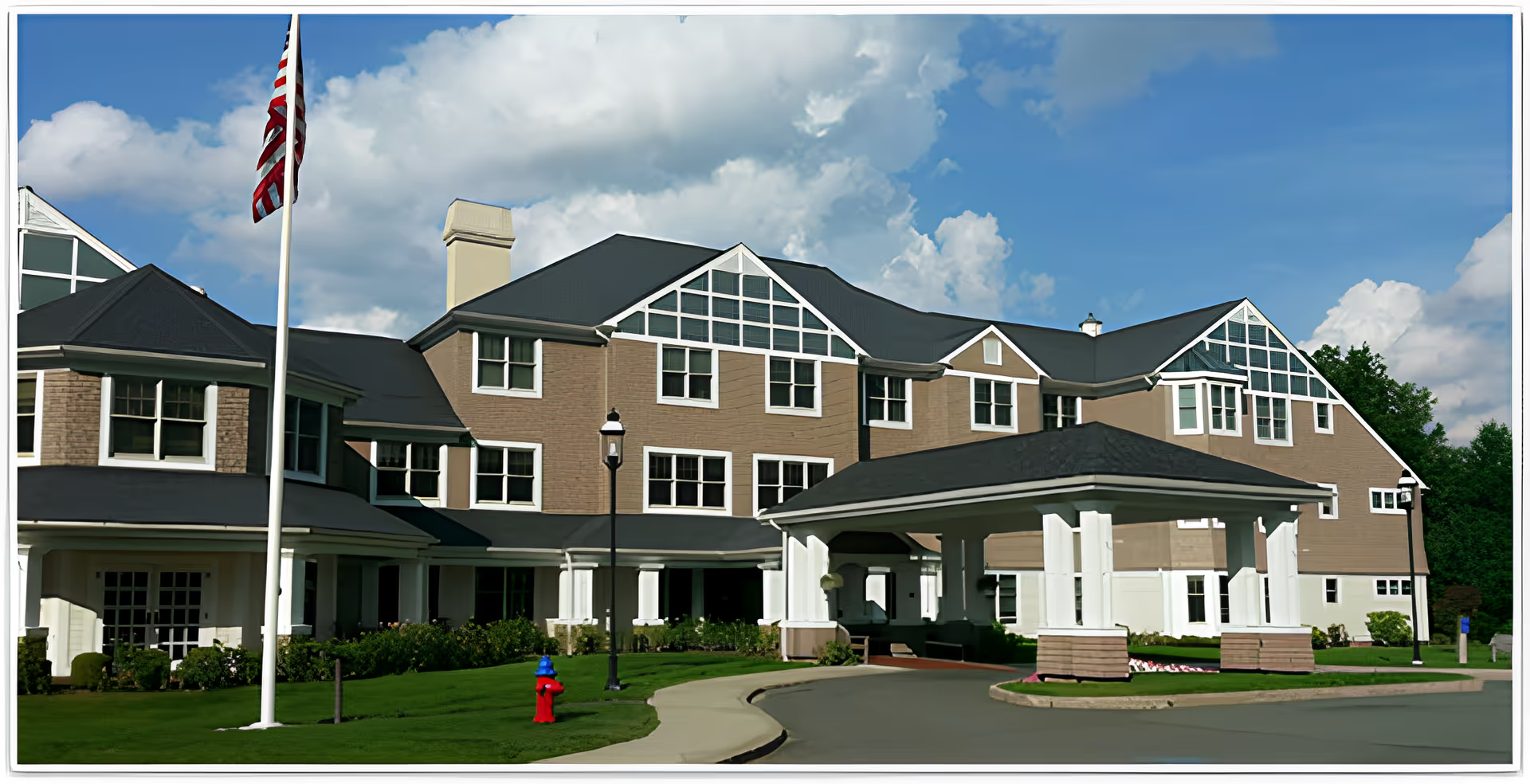
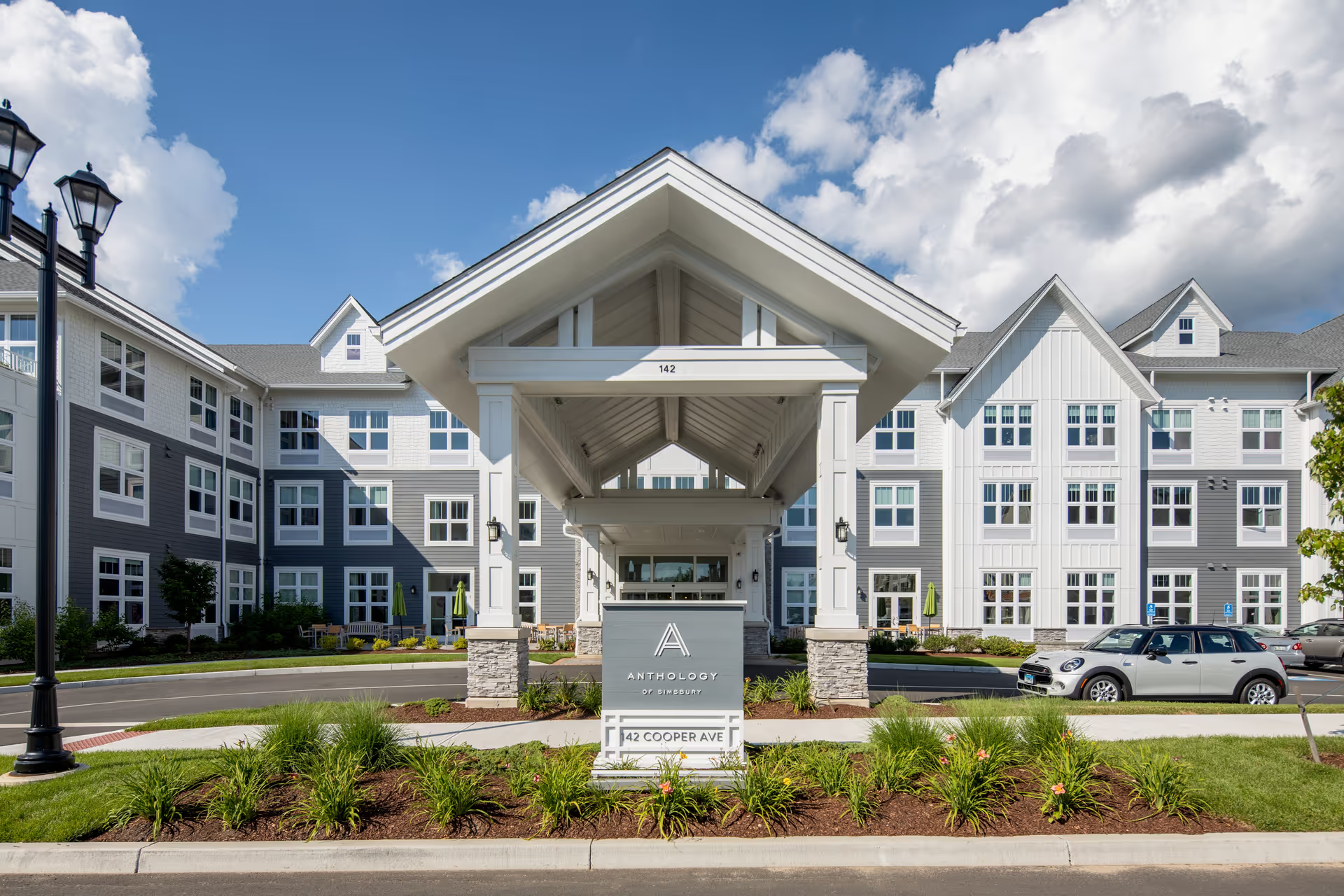
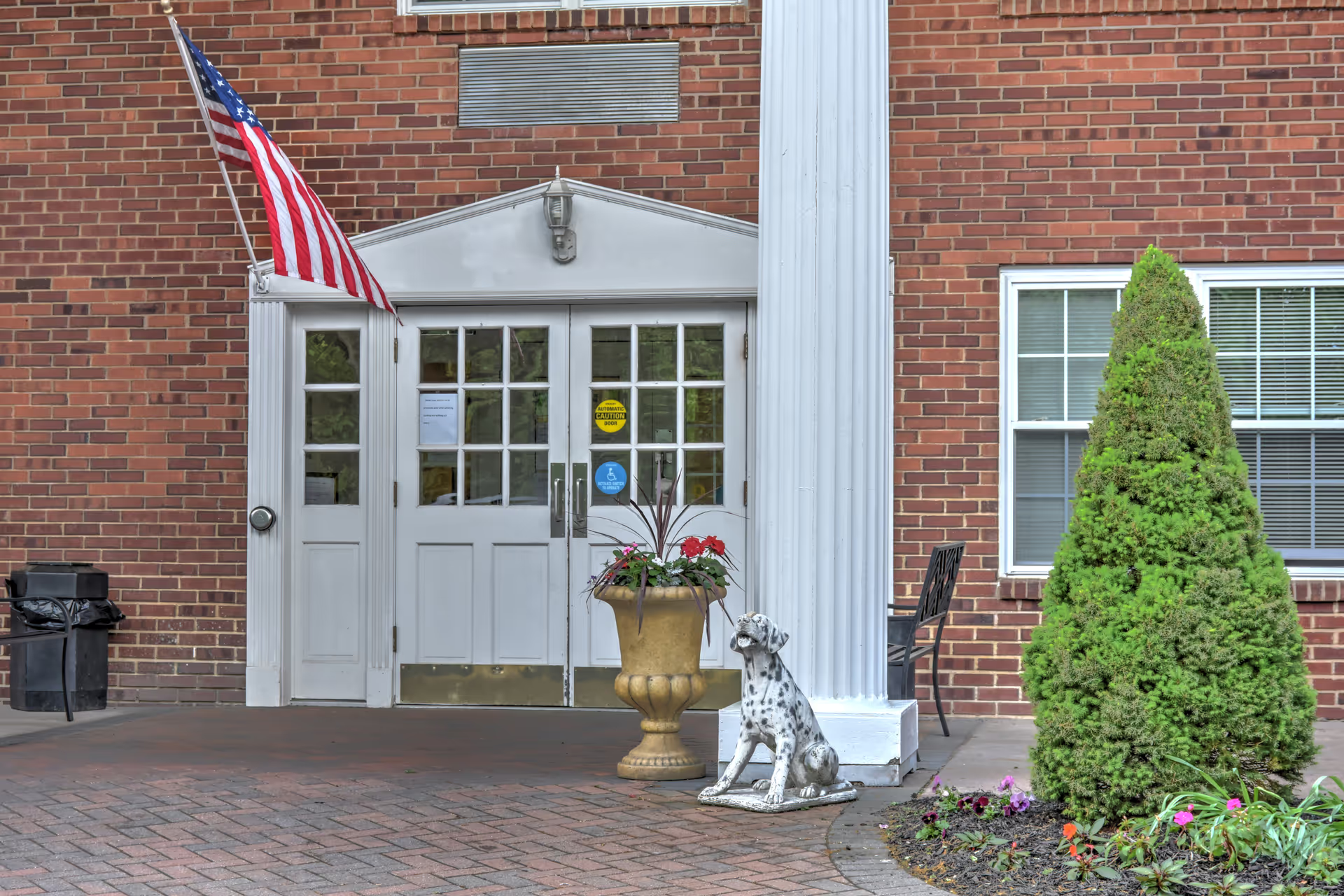
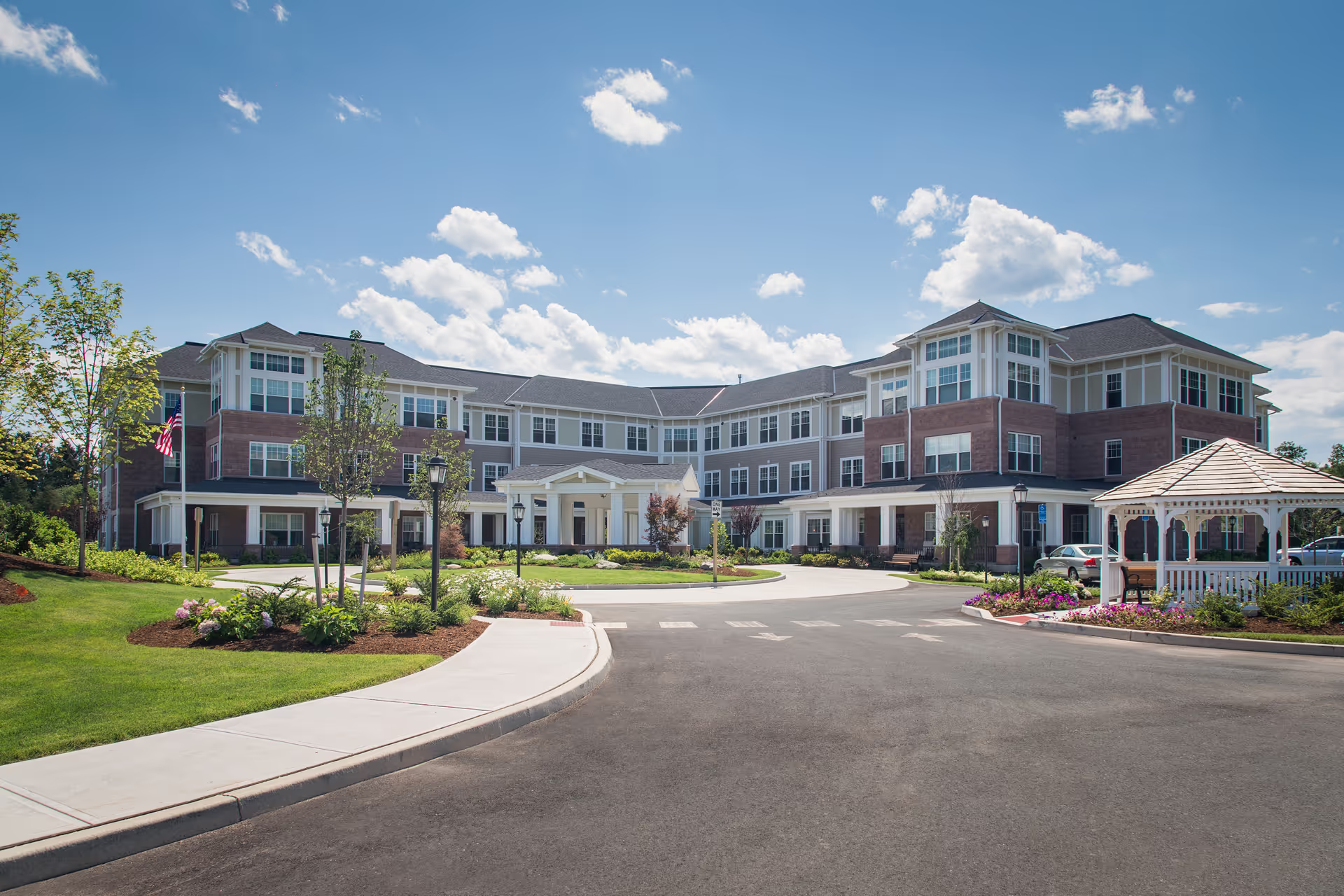
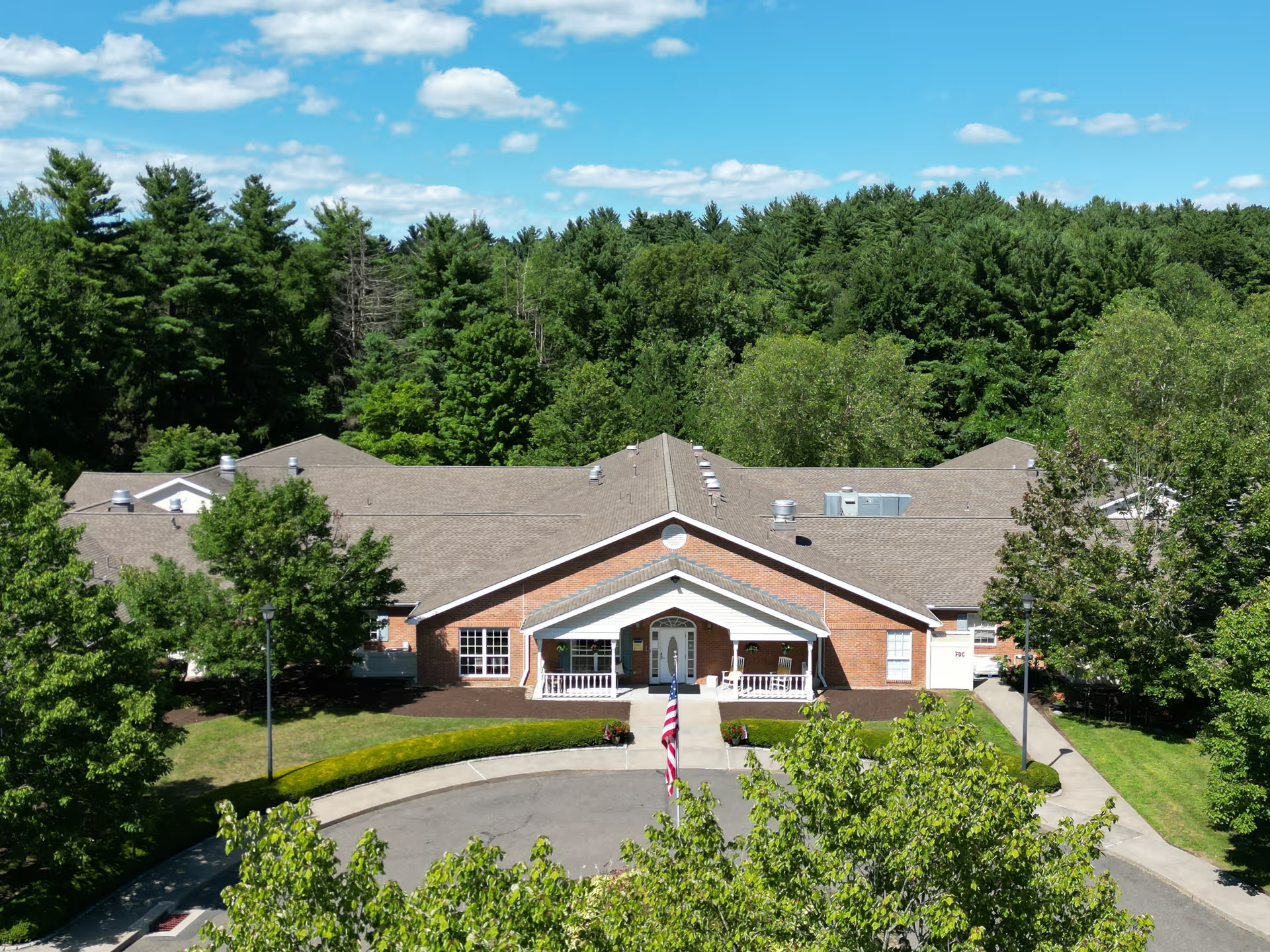
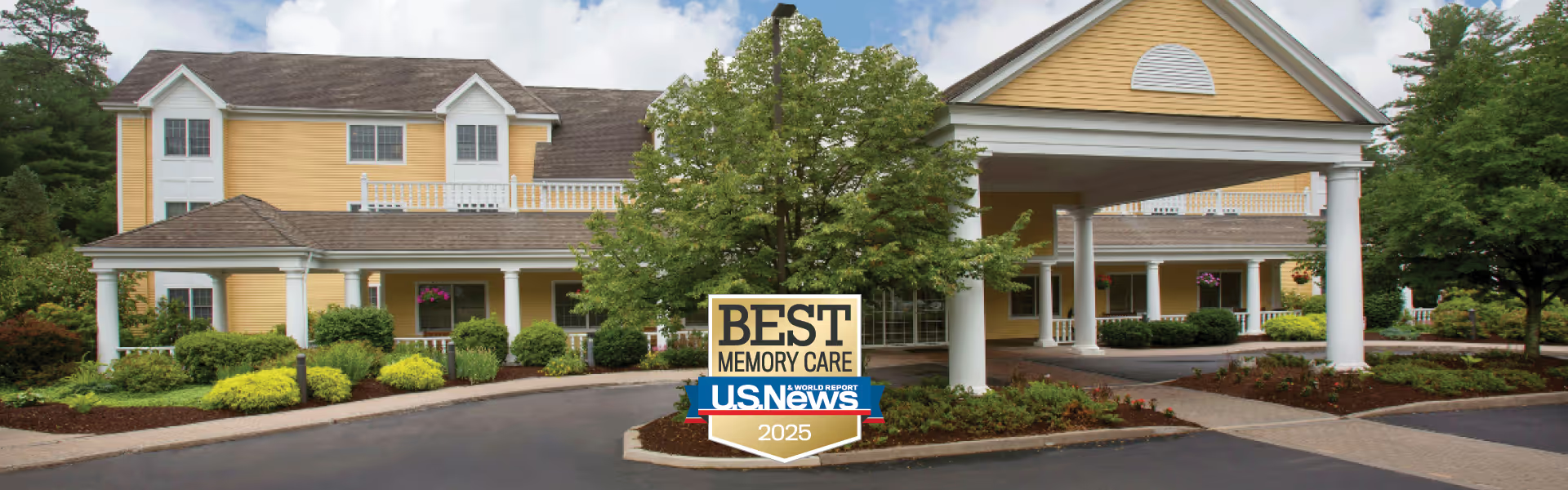
Seabury is presented as a full-service, upscale retirement community with a wide continuum of care and substantial campus amenities. The facility offers independent living apartments, assisted living suites, skilled nursing, and an active memory-care center. The grounds and common areas are frequently described as bright, attractive, and well maintained, with a resort-like atmosphere, formal and casual dining venues, a gym and aquatic center, auditorium, chapel, and accessible transit links. Many accounts highlight the facility’s social programming and opportunities for resident engagement.
Direct-care staff receive consistent praise for compassion, attentiveness, and day-to-day responsiveness. Several comments single out nursing staff, certified nursing assistants, physical therapists, and individual managers for high-quality interactions and a home-like atmosphere—particularly within the memory-care household. Rehabilitation services and certified therapy staff are recognized as strengths in some cases, though therapy outcomes and rehab experiences are described as uneven across different stays.
Dining and activities are important positives but also a source of variability. While many residents enjoy the variety of programs and venues, there are recurring notes about inconsistent food quality. Activity logistics (for example, advance sign-ups and minimum participation requirements for outings) can be restrictive for residents wanting offsite excursions. The community hosts a broad slate of enrichment options, but some residents feel social programming and excursion policies could be more flexible.
Operational and clinical concerns appear in multiple areas. Review patterns point to intermittent staffing shortages—notably on weekends—which are associated with slower assistance for personal care and delays in routine tasks. There are also reports indicating gaps in clinical communication and coordination between departments, and isolated instances that raise questions about medication monitoring and end-of-life communication. Sanitation and cleanliness inconsistencies in certain units are described, and staff workload and turnover pressures are mentioned as underlying contributors to variability in daily care.
Financial and administrative issues are a notable theme. The community is positioned at the higher end of the market, and affordability is a recurrent concern. There are also serious allegations regarding billing and accounting practices; these claims suggest families should seek clear, written explanations of fees, contract terms, and any interest or late-payment charges before committing. Administrative hours and service availability are limited in some respects, which may affect access to certain non-clinical services.
Taken together, Seabury appears to offer a high-quality physical environment, substantial amenities, and many compassionate frontline caregivers—particularly in memory care—balanced against operational inconsistencies in staffing, clinical coordination, cleanliness in some areas, and financial transparency. Prospective residents and families should tour the campus, observe service during weekends and peak times, review billing and contract documents carefully, and ask specific questions about staffing ratios, rehabilitation protocols, medication-monitoring processes, and excursion policies to determine fit for their needs.