The aggregate impression of Touchpoints at Bloomfield is mixed, with clear strengths in rehabilitation services and uneven performance in core nursing and operational areas. Physical and occupational therapy are repeatedly cited as high-quality, hands-on programs that facilitate return-to-home transitions; several reviewers highlighted specific therapists and therapy leadership as standout resources. Rehabilitation and ancillary services (transportation, social work, and psychiatry) appear to be reliable and supportive for families focused on short-term recovery.
Clinical care and staff behavior present a polarized picture. Many families praise compassionate certified nursing assistants, effective nursing supervisors, and helpful administrative personnel who facilitate family contact and daily needs. At the same time, there are consistent concerns about variable staff conduct, delayed responses to call bells, and inconsistencies in clinical follow-through — including timing of medications and attention to personal-care needs. These operational weaknesses contribute to anxiety for some residents and families and suggest variability in training, supervision, or staffing that affects day-to-day care consistency.
Dining and housekeeping show similar contrasts. Several reviewers praised an attentive housekeeping crew and clean, updated rooms in certain wings, while others raised sanitation and odor concerns in specific areas, along with furniture and maintenance issues. Meal service is described as inconsistent: food temperature, limited menu options, and occasional supply shortages (for example, beverage supplies) were noted as operational pain points that affect resident satisfaction.
Activities and resident engagement are a relative strength. Recreation staff and program leadership receive frequent commendations for engaging schedules, meaningful programming (including art and social events), and individualized attention such as assistance with lunches, haircuts, and virtual-family connections. These offerings contribute positively to residents’ daily experience, particularly for those receiving rehab or short-term stays.
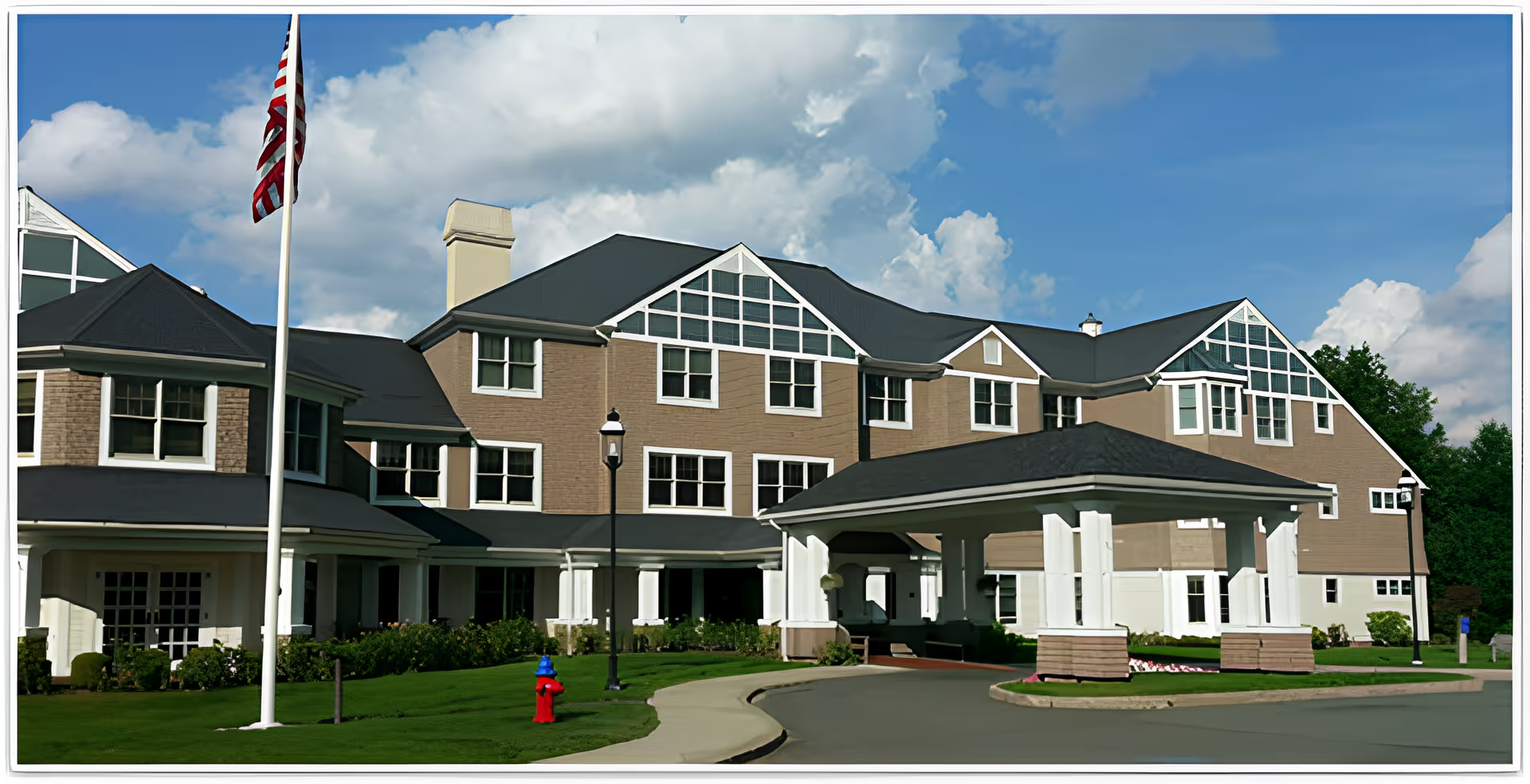
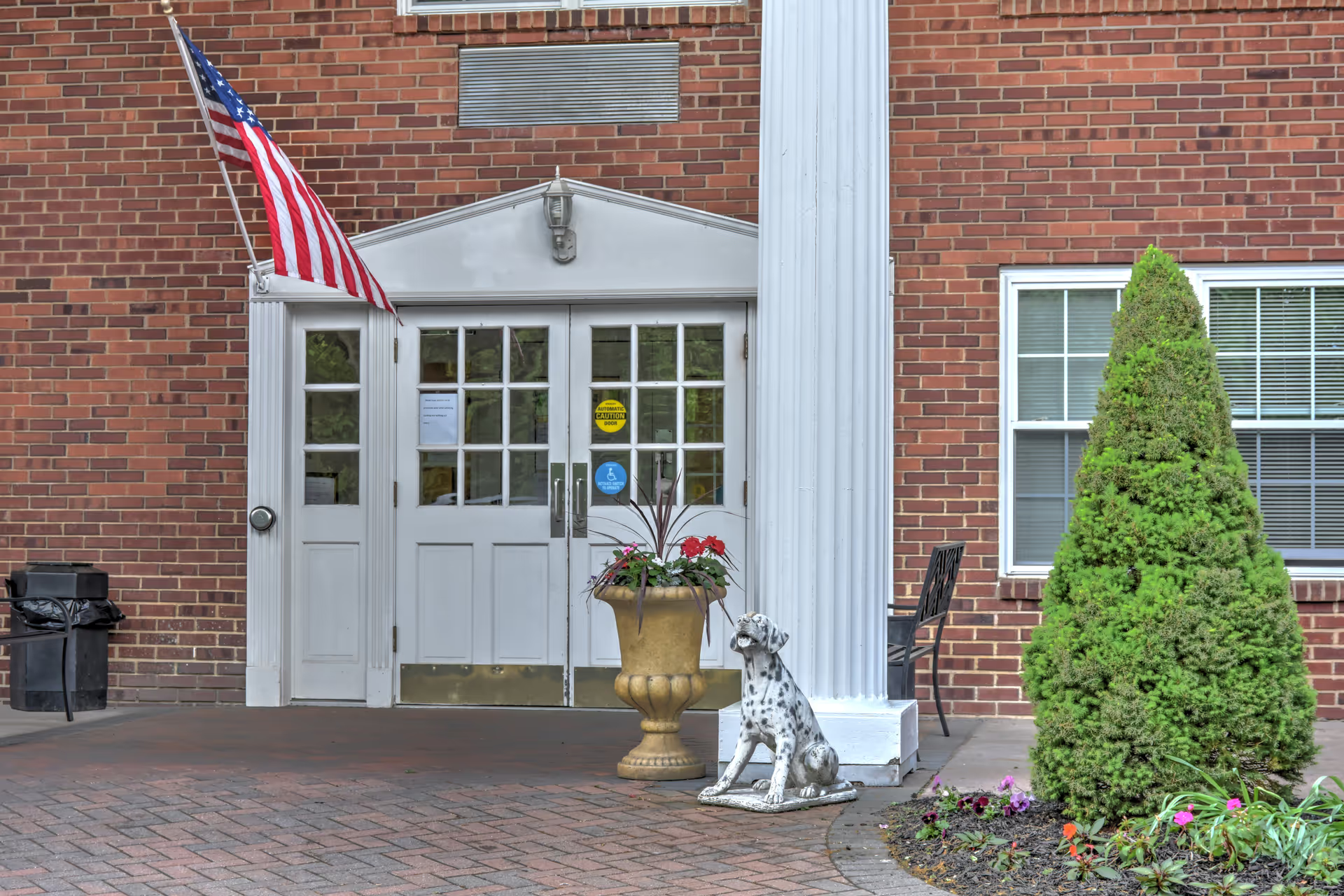
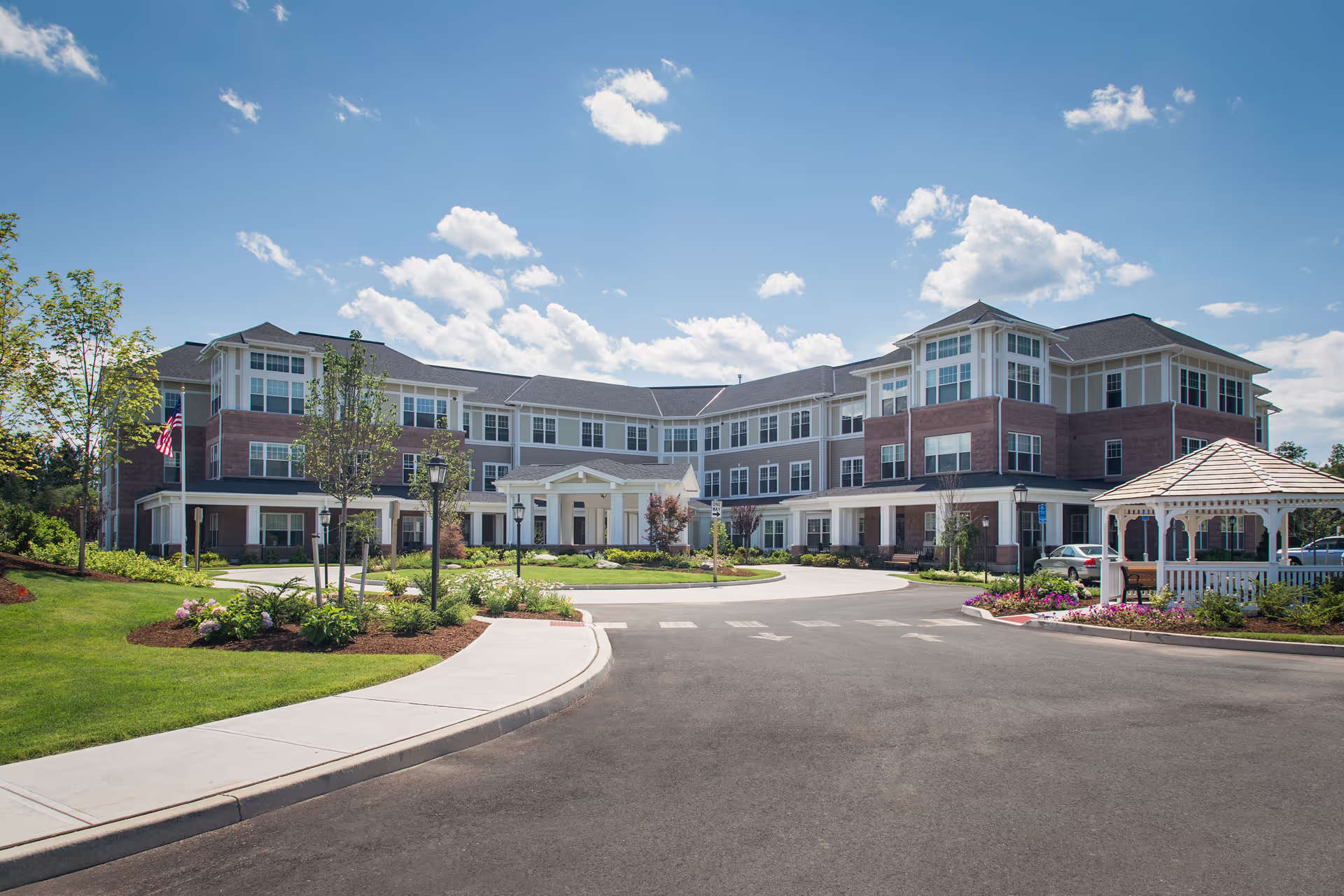
Facility infrastructure and environment are uneven. Portions of the building are described as updated with large windows and working air conditioning, while other rooms lack adequate climate control, have aging furniture, or require maintenance attention. HVAC reliability and room-level comfort emerged as a repeated operational concern, particularly during hot weather.
Management response and quality-improvement activity appear active but uneven. Some reviewers described a responsive owner and administrators who have initiated retraining, corrective actions, and plans for professional development; other families reported inconsistent notification practices and limited communication around incidents and discharges. There are mentions of isolated serious alleged incidents that prompted administrative actions and inspection requests, indicating that leadership has sometimes taken corrective steps. However, persistent themes around staffing continuity, record-keeping usability, and family communication indicate areas where further system-level improvements would be beneficial.
Overall pattern: Touchpoints at Bloomfield offers strong rehabilitation services and several individualized staff members who provide compassionate, effective care. These strengths coexist with recurring operational issues — notably inconsistent staffing, responsiveness, sanitation in some areas, meal-service reliability, and infrastructure gaps (particularly climate control). Prospective residents and families should weigh the facility's rehabilitation strengths and engaged activity programming against potential variability in nursing responsiveness and room-level conditions, and should ask targeted questions about staffing levels, incontinence-care procedures, HVAC reliability, communication protocols, and recent corrective actions when evaluating placement.