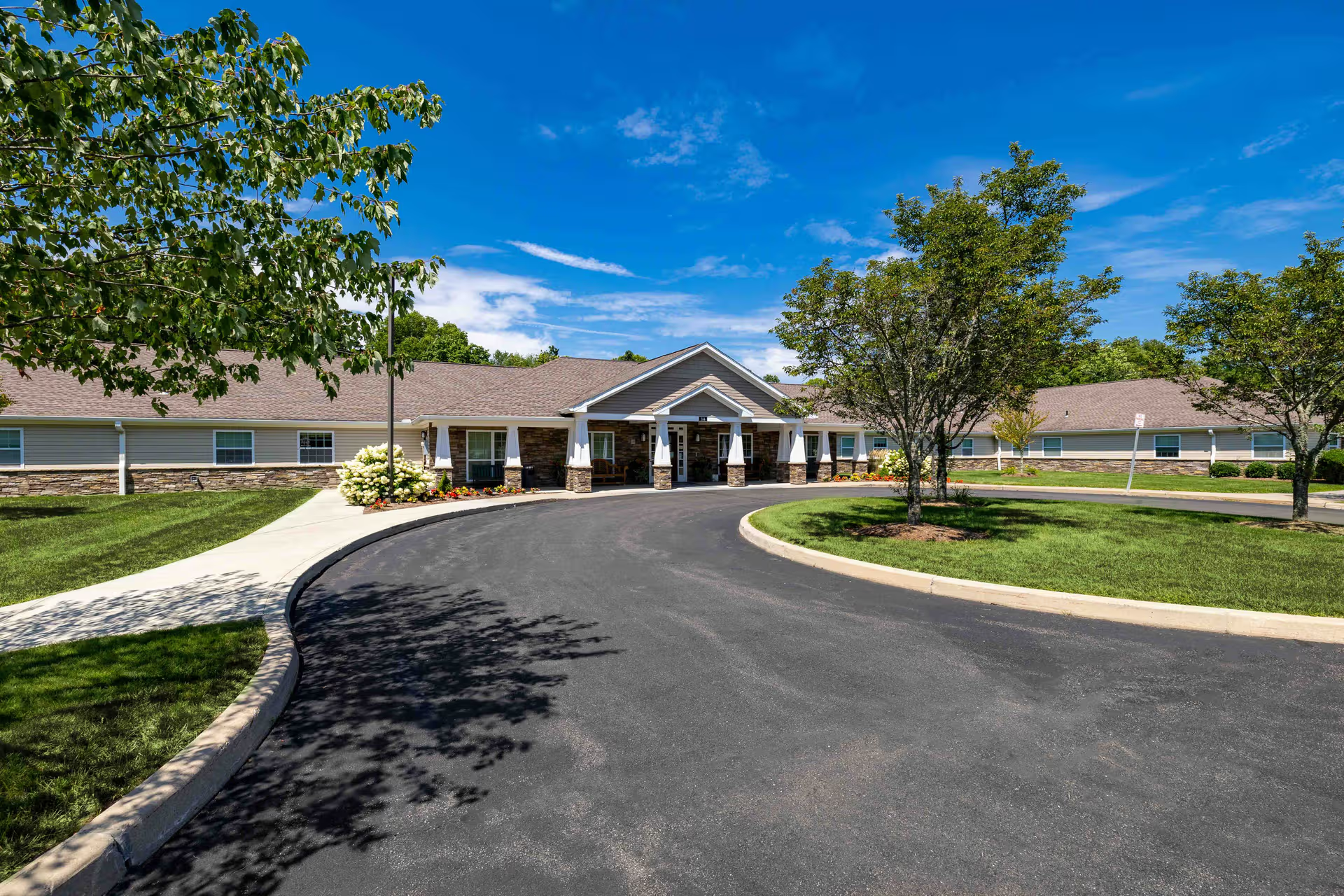
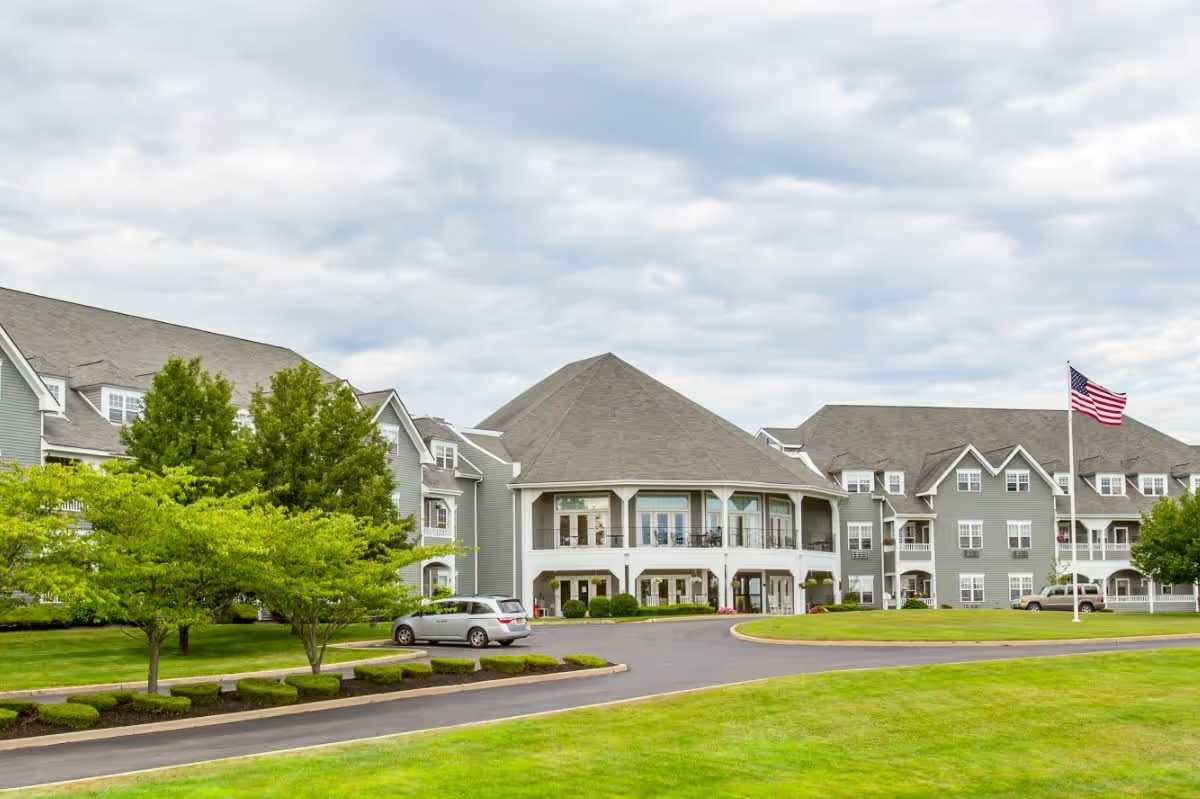
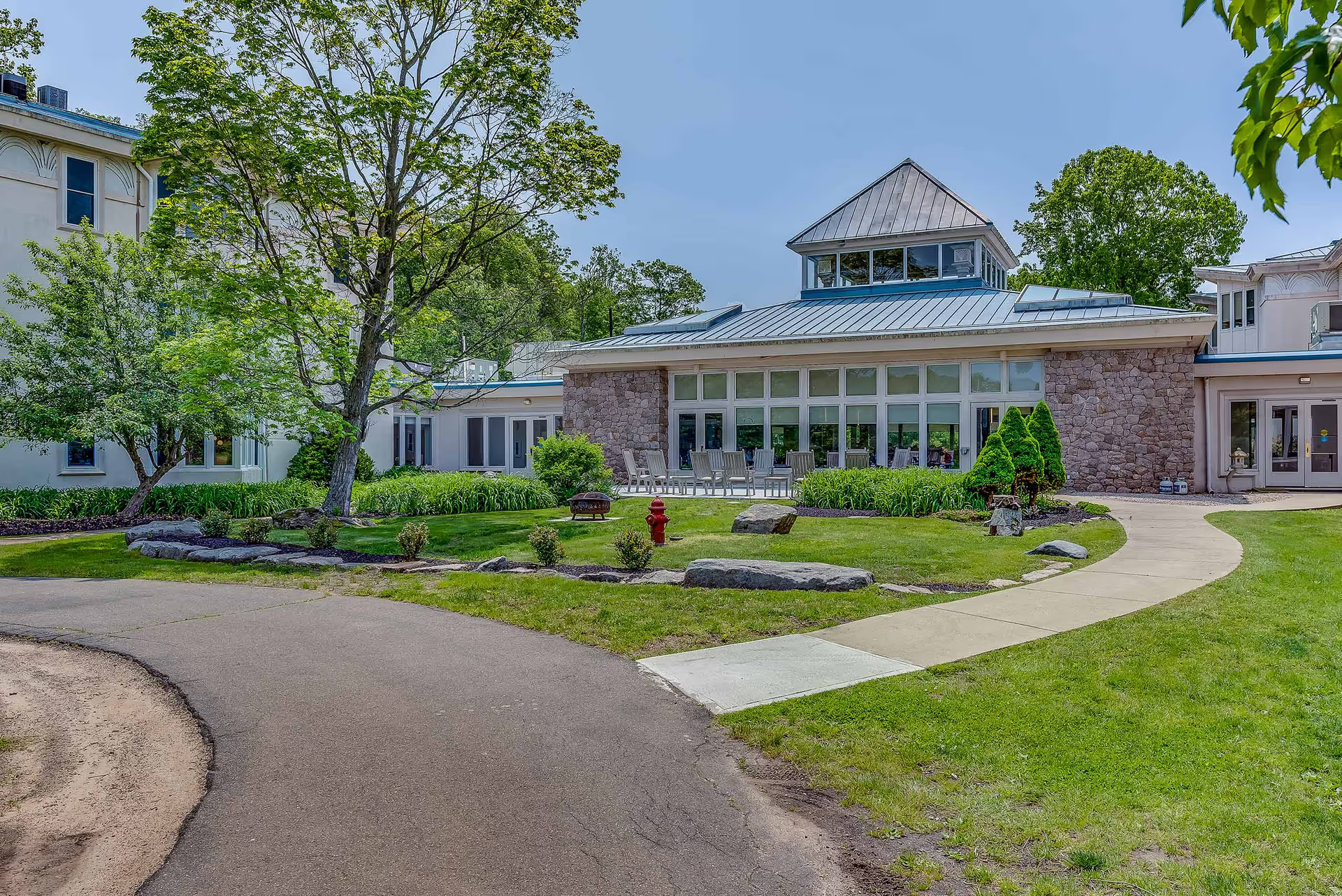
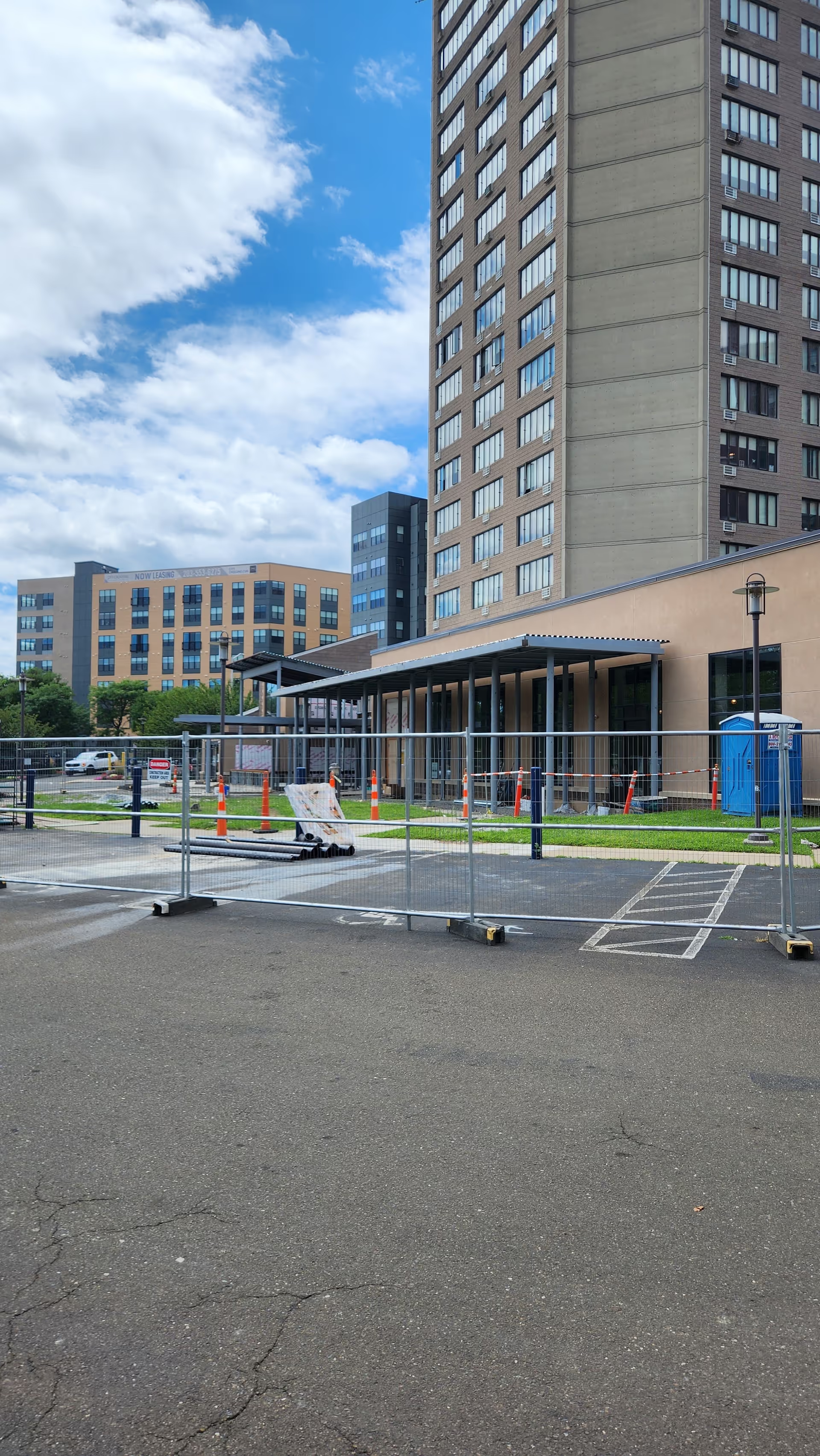
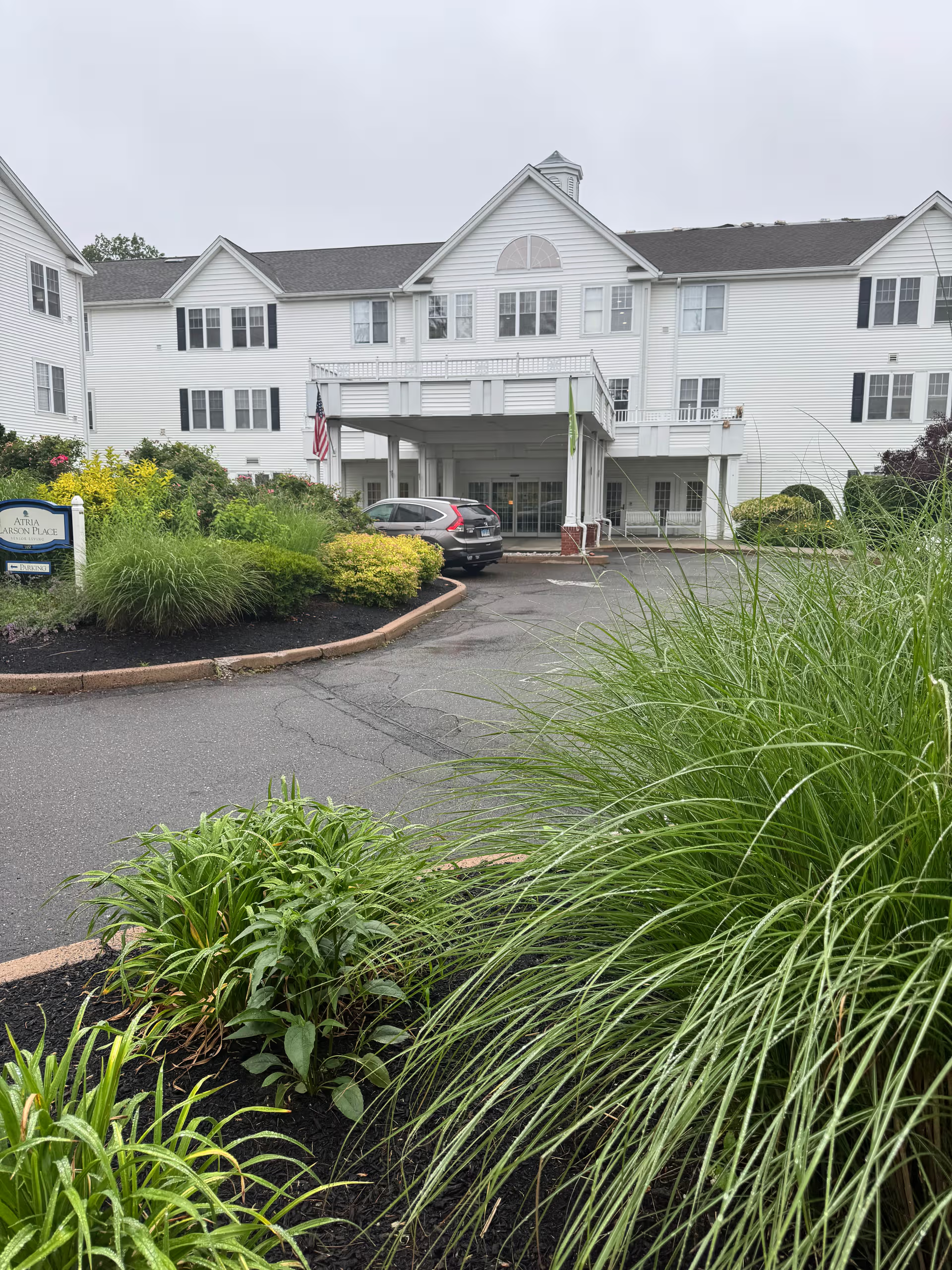
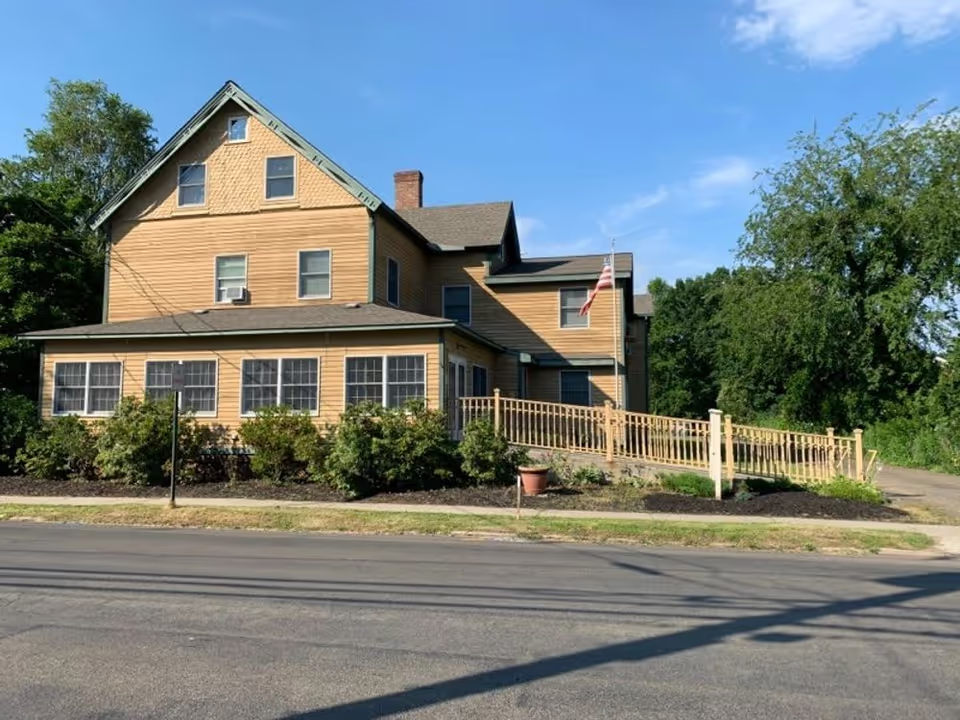
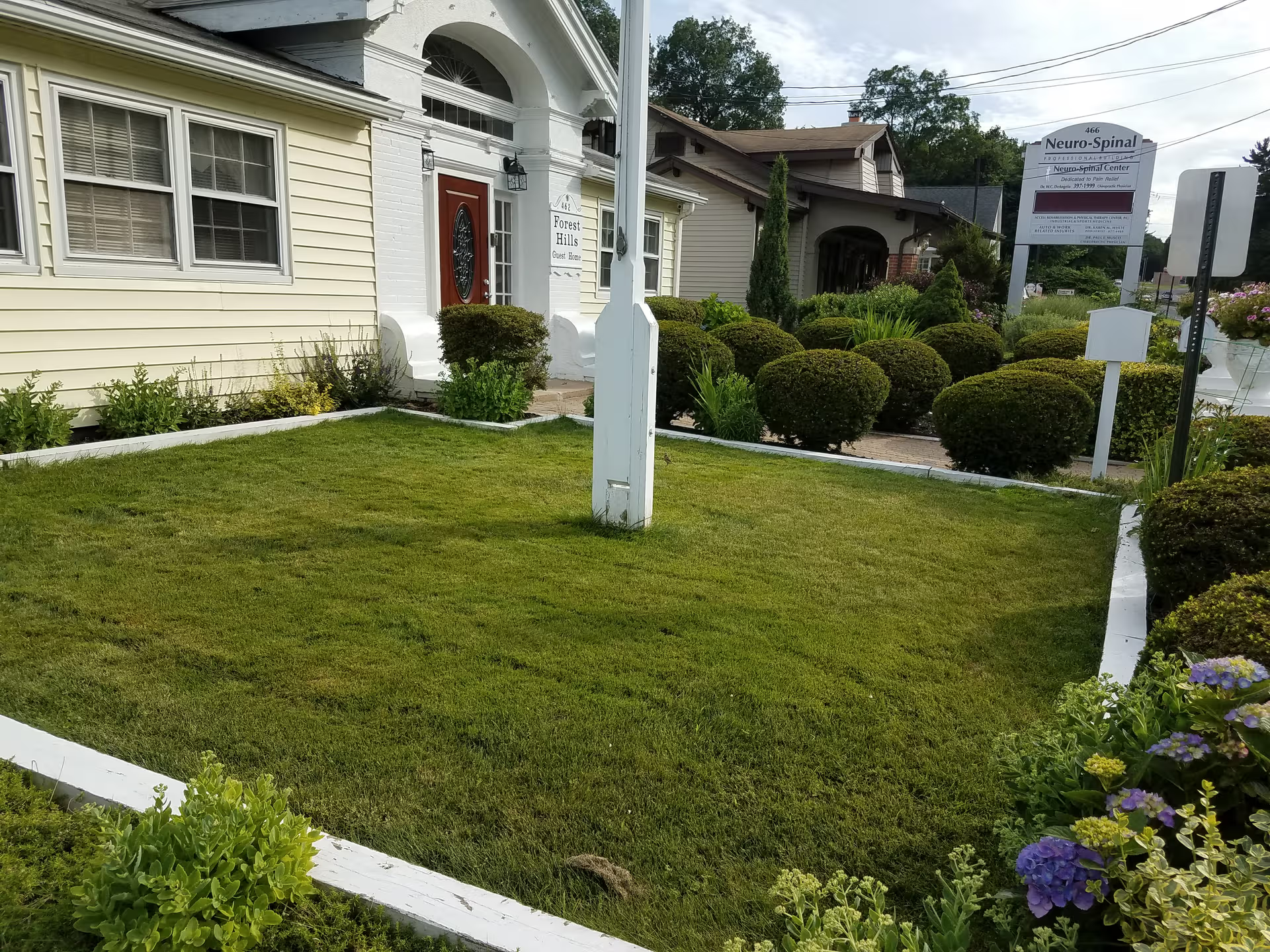
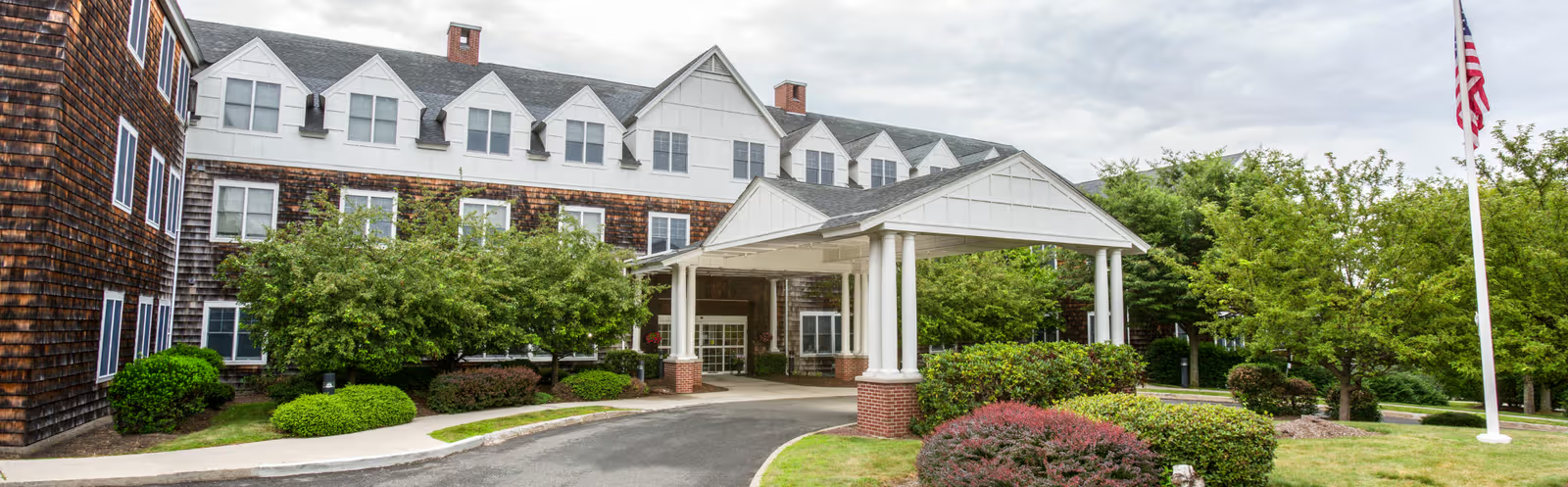
Cedar Woods presents as a community with clear strengths in resident engagement, on-site amenities, and a generally warm, family-like culture. Many reviewers highlight attentive, compassionate care from frontline staff, frequent personal check-ins, and a staff willingness to assist with daily needs. The activity program is broad and varied — book clubs, gardening, bingo, music, religious services, outings, and special events — and these offerings contribute to a lively social environment that residents describe as comfortable and home-like. Renovations, bright apartments with full kitchens and outdoor spaces, tasteful common areas, and well-kept landscaping support a resort-like feel for independent living.
Dining and food service are a notable mixed area. Numerous comments praise a restaurant-style dining experience, an onsite chef, and special-event meals; residents frequently appreciate three meals a day and the social nature of dining. At the same time, others describe periods of decline in meal quality, increased reliance on processed or frozen items, early dinner cutoffs, and limited healthy options. These differences appear linked to staffing and kitchen management changes; families should expect variability depending on current kitchen leadership.
Operational reliability is another mixed domain. The facility's physical plant and interiors are widely regarded as clean and modern, but reviewers also document extended service interruptions — for example, prolonged HVAC outages, temporary suspension of laundry and housekeeping, and delayed repair work. These service lapses have affected resident comfort and generated frustration when resolution and communication are slow.
Management, staffing, and communication emerge as the primary sources of polarized impressions. Several reviewers single out effective, engaged managers and valued long-term staff, while others report leadership turnover, dismissive or inaccessible management, unclear billing communications, and slow responses to work orders. Staffing strains and turnover were repeatedly linked to increased pressure on remaining staff, constrained programming at times, and inconsistent service delivery. There are also mentions of security lapses and allegations of theft and billing irregularities that have eroded trust for some families; prospective residents should inquire about current security measures and recent corrective actions.
Care quality for routine independent-living needs is generally perceived as good when staffing and leadership are stable: medication reminders, daily checks, transportation, and referrals to on-site therapy or outside home-care agencies are available. However, the community is less consistent for higher-level assisted care needs: availability of assisted-living services appears limited, and families should confirm transfer-pathway options and in-house clinical capacity if progressive care needs are likely.
In summary, Cedar Woods offers a well-appointed independent-living environment with strong social programming, attractive apartments, and many staff who are described as caring and engaged. The key trade-offs are operational consistency: dining quality, maintenance responsiveness, security, and management stability have varied over time. Those considering Cedar Woods would benefit from an in-person visit that includes a current dining sample, conversation with recent residents about recent leadership and kitchen changes, and direct questions about maintenance response times, staffing levels, and protocols for higher-level care and security.