The reviews for this facility describe a highly mixed set of experiences: many families and patients praise nursing care, therapy outcomes, and an active recreation program, while other accounts identify important operational and clinical shortfalls. Overall, strengths center on rehabilitation services and individual staff members who provide attentive, person-centered care. Weaknesses tend to cluster around consistency of operations, environmental control, and clinical follow-through.
Care quality and clinical oversight are themes that divide reviewers. Several families highlight strong, effective physical and occupational therapy programs that contributed to measurable recovery, and many reviewers praised particular nurses and aides for kindness, responsiveness, and clinical skill. At the same time, others described delays in responding to requests, concerns about medication administration and documentation, and inconsistent wound or infection follow-up. Staffing variability — especially evenings, nights, and weekends — appears to contribute to uneven clinical coverage and occasional gaps in continuity of care.
Staff and management impressions are similarly mixed. Some reviewers described administrative staff as helpful, accessible, and solution-oriented, and individual employees received repeated praise for going beyond expectations. Conversely, there are recurring comments about variable staff professionalism and communication tone, difficulty reaching nursing staff by phone, and instances where families felt management was not sufficiently engaged. These contrasts suggest that the facility’s experience can depend heavily on which staff are on duty and how management addresses issues when they arise.
Dining and nutrition receive repeated attention. Compliments include accommodating kitchen staff and well-presented meals for certain residents. Criticisms include inconsistent portion sizes, repetitive or corporate-driven menus, food temperature and seasoning issues, and limited non-meat or special-diet options on some days. Families should confirm menu options and portioning for specific dietary needs prior to admission.
Activities and social programming are a clear area of polarization. Many reviews describe an active, creative recreation program offering crafts, music, themed events, and social opportunities that residents enjoy. Other reviewers noted limited programming hours, minimal weekend offerings, and low engagement for some residents. Prospective residents interested in frequent social or therapeutic activities should inquire about the daily schedule and weekend coverage.
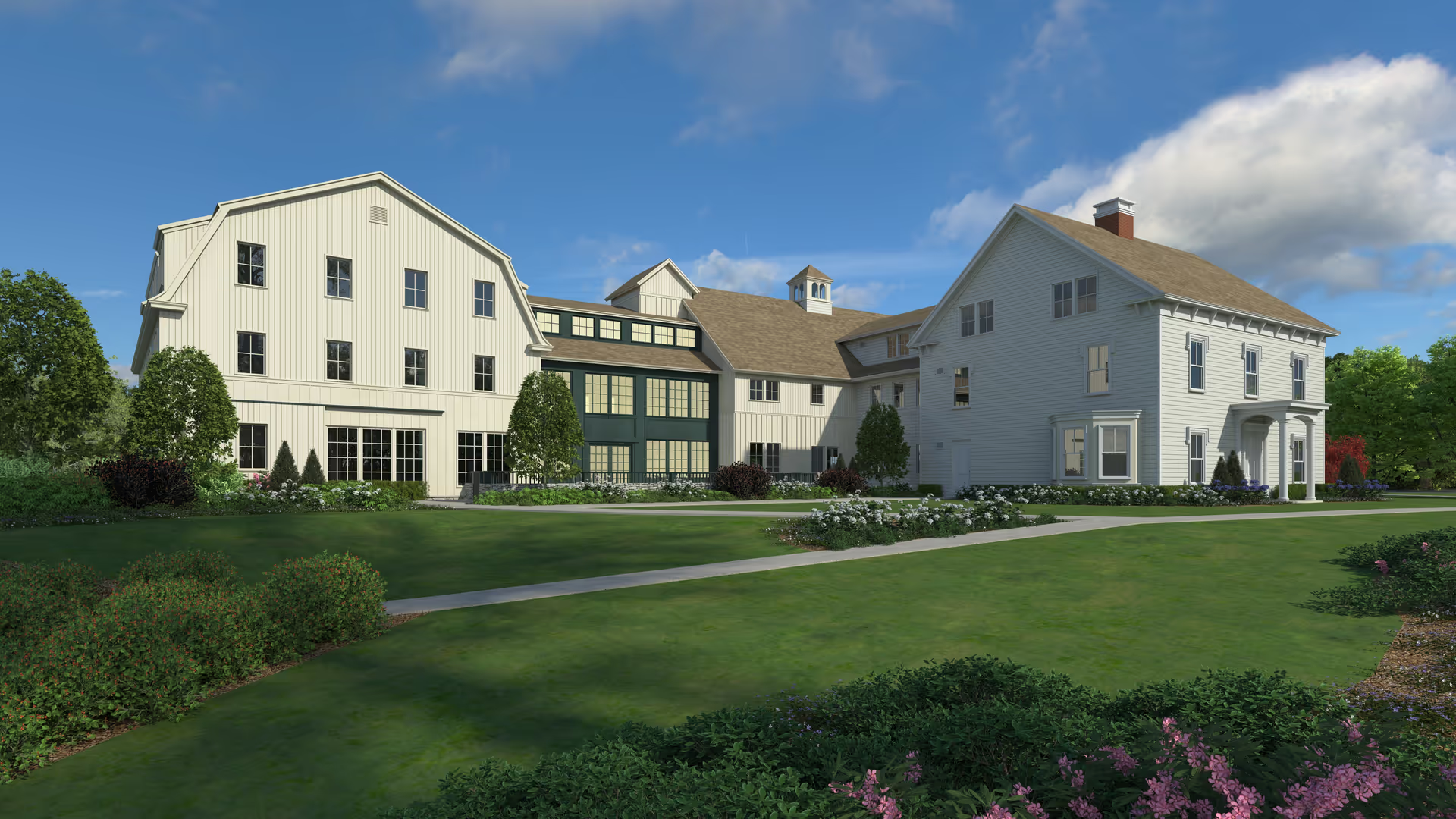
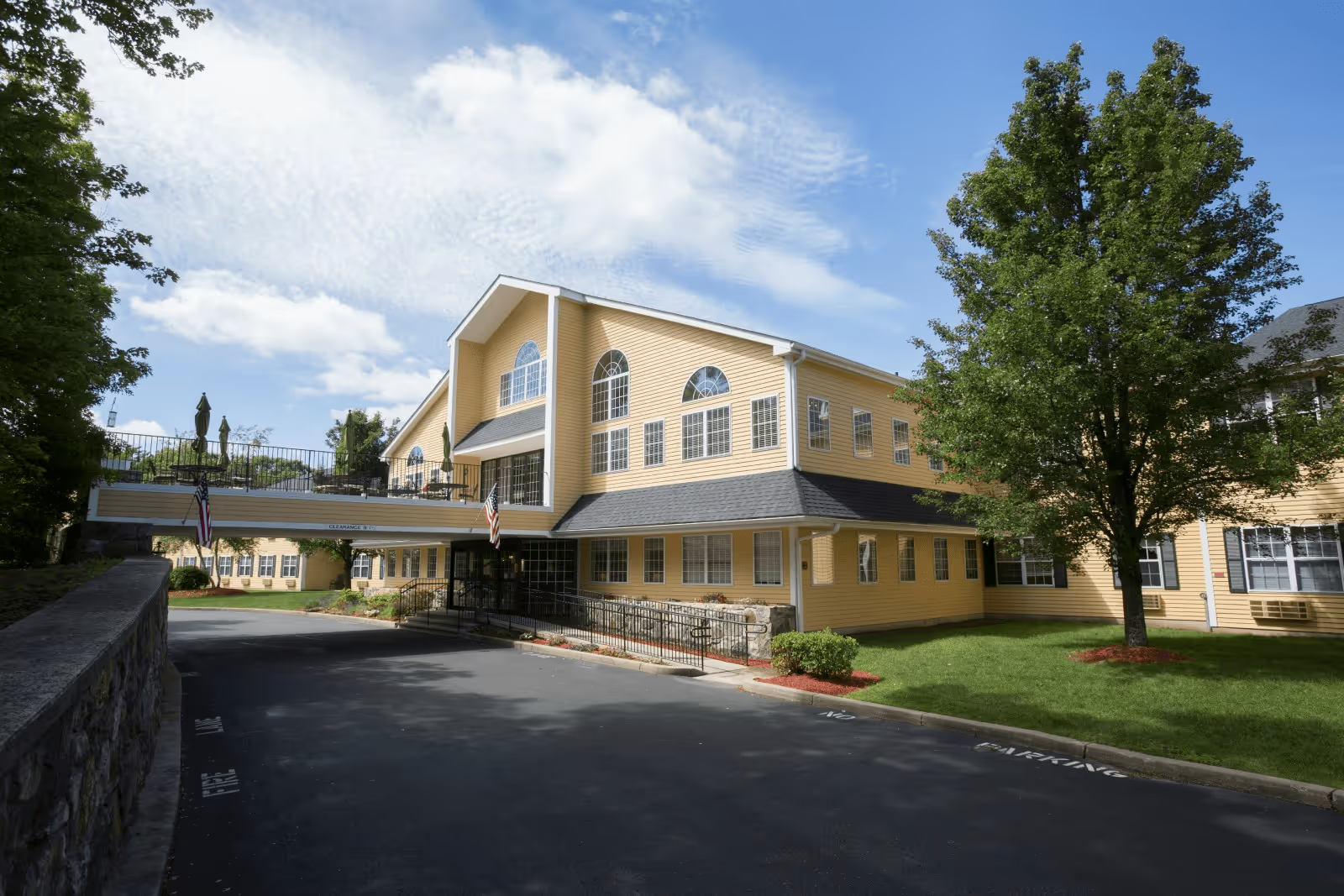
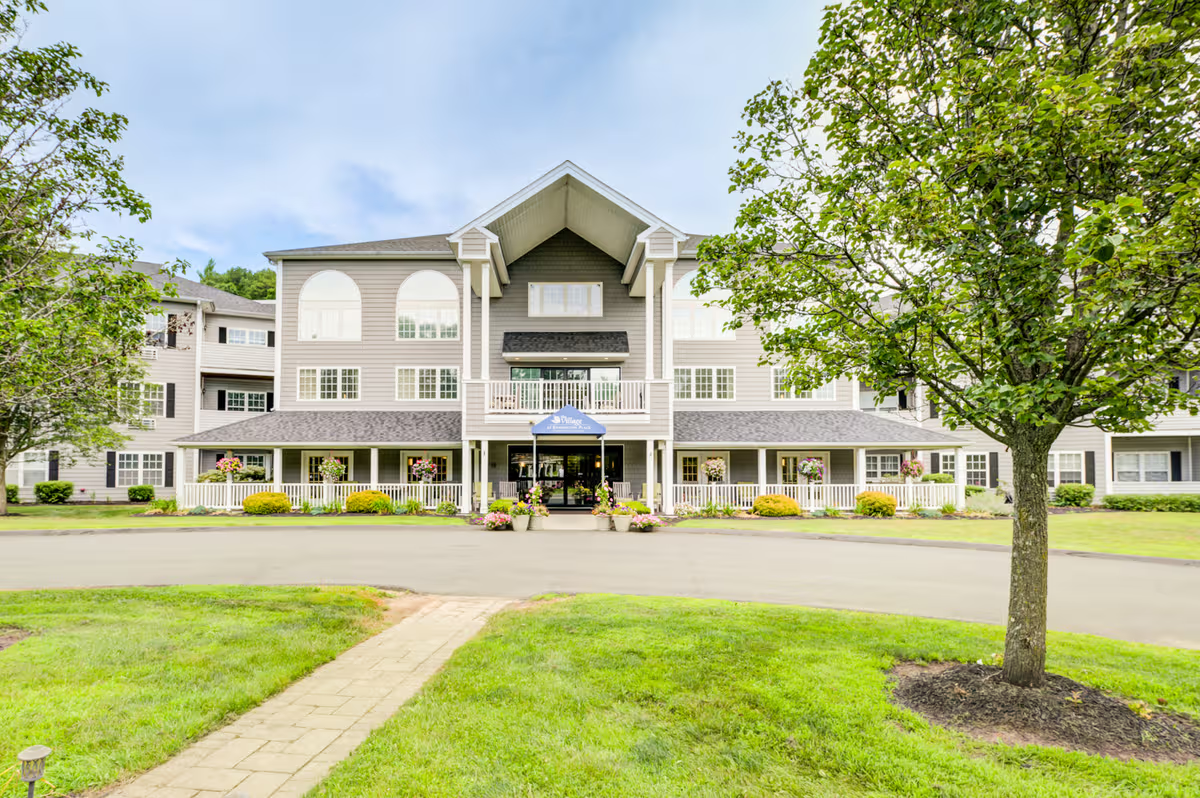
Facility condition and safety-related items also vary. Multiple reviewers praised clean interior common areas, accessible therapy spaces, and a welcoming dining environment. Other accounts raised sanitation and odor-control concerns in particular units, room clutter or housekeeping variability, privacy breaches, and personal-property security issues. There are also several mentions of infection-prevention and wound-care process inconsistencies that families considered significant; a few serious clinical events prompted follow-up and, in some cases, formal complaints.
In summary, the facility shows clear strengths in rehabilitation, individualized therapy, and several dedicated staff members who create a supportive environment. However, inconsistent operational practices — notably sanitation control, staffing coverage, call-response times, medication and wound-care processes, food-service consistency, and property/privacy procedures — introduce risk for uneven experiences. Prospective residents and families should tour at different times (including evenings and weekends), ask about staffing ratios and weekend programming, review clinical protocols for medication and wound care, confirm dining and dietary accommodations, and clarify policies for personal-property security and billing before admission.