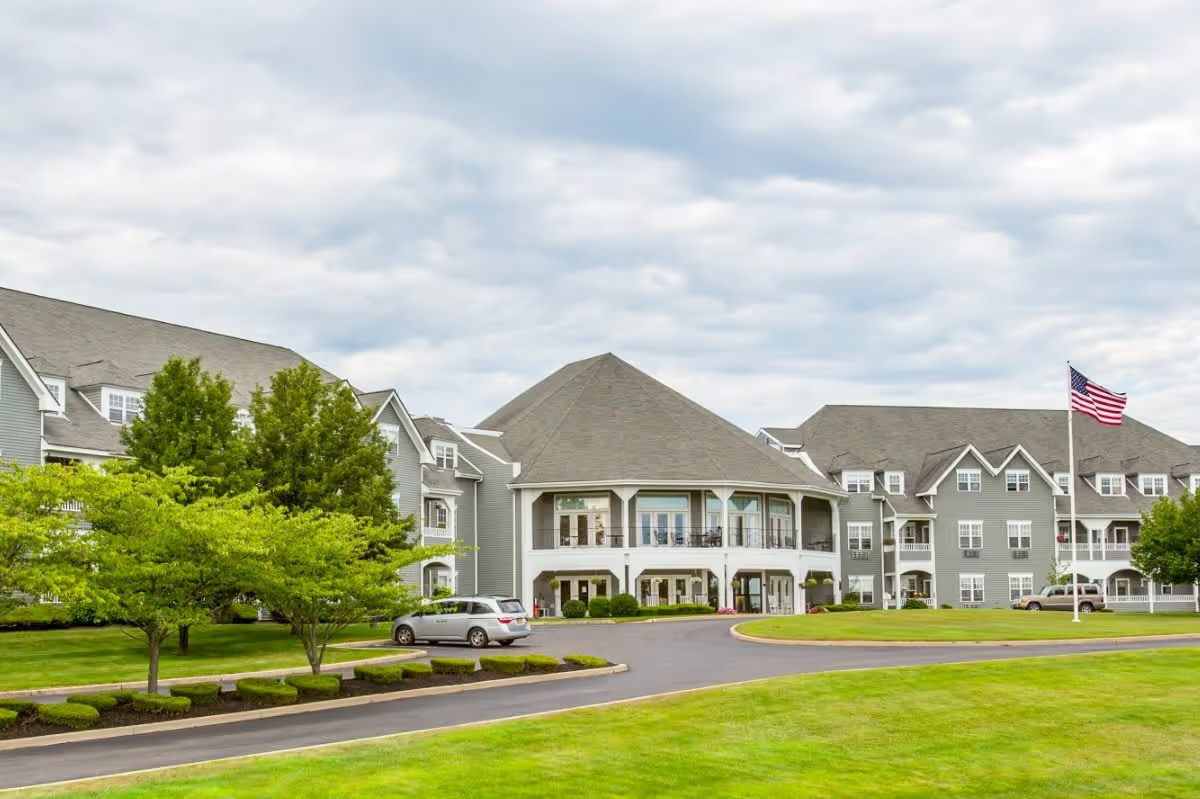
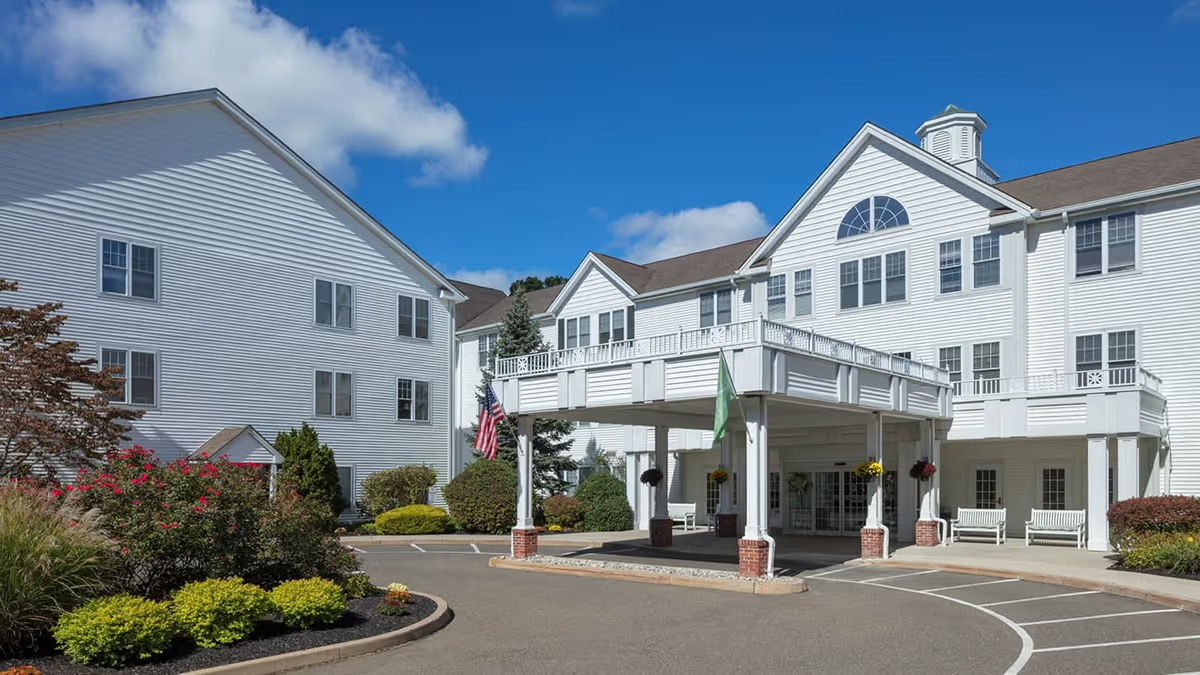
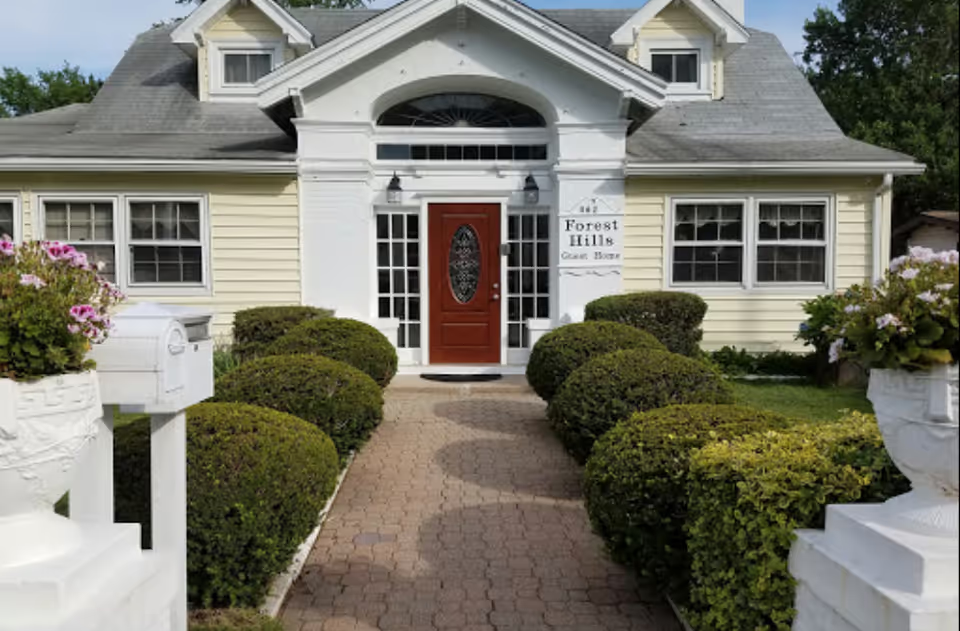
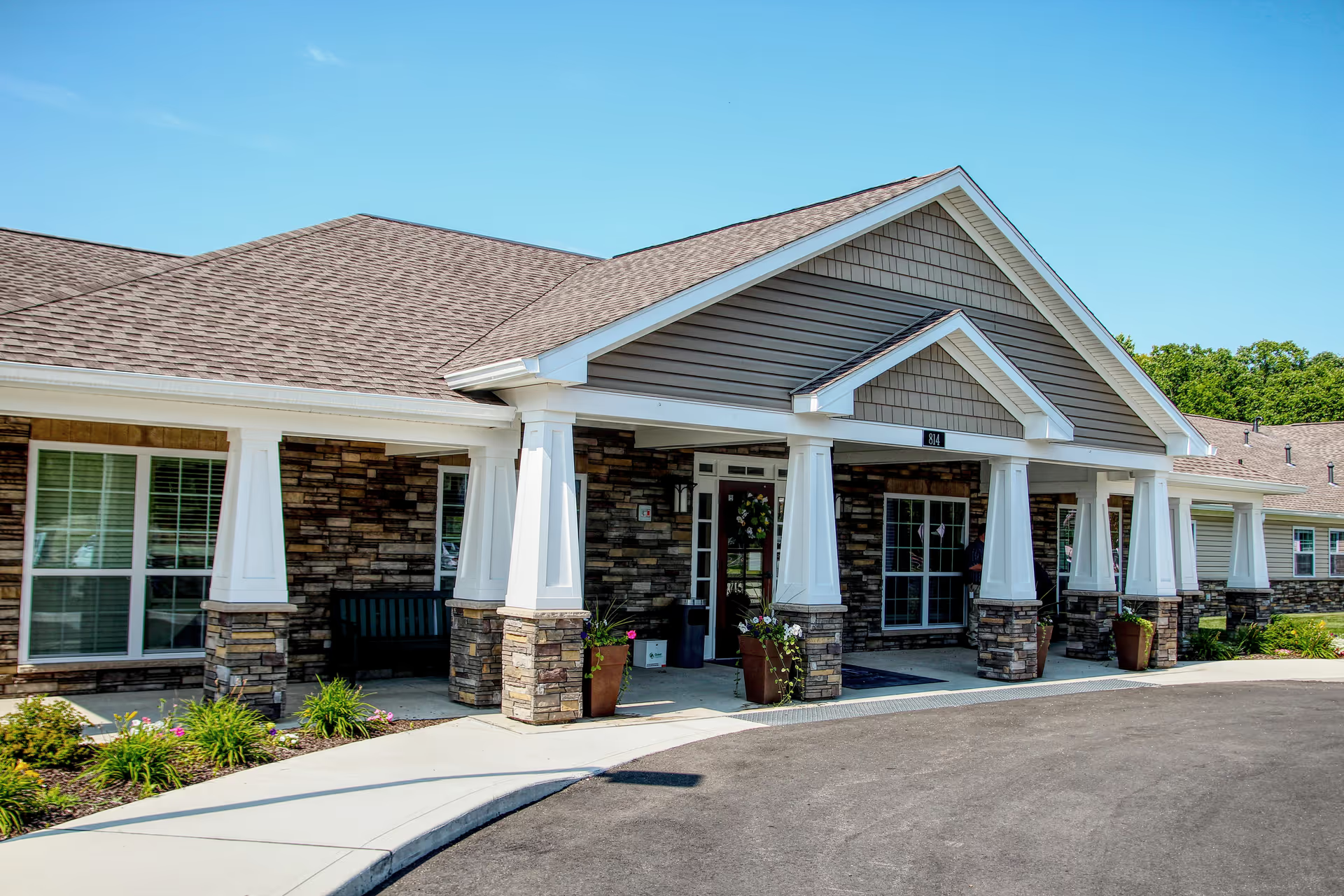
The reviews present a mixed picture of care and operations at the facility. Strengths are concentrated in rehabilitation, activities, and frontline caregiving: the physical and occupational therapy teams and the therapy space are frequently described as skilled and well equipped, and the recreation department is noted for engaging programming. Several accounts highlight compassionate direct-care staff — especially CNAs and particular nurses and social-work personnel — who provide accommodating, hands-on support and help families manage transitions and personal requests.
At the same time, a consistent set of operational concerns emerges. Medication management and medication-handling controls are described as unreliable in multiple accounts, including significant delays in scheduled administration and isolated safety lapses. Wound care and infection-prevention practices are another recurring problem area, with some families describing inconsistent clinical follow-up. Staffing levels and responsiveness also appear uneven; reviewers report delays in assistance, difficulties reaching clinical staff, and variable tone and professionalism in communications from nursing personnel.
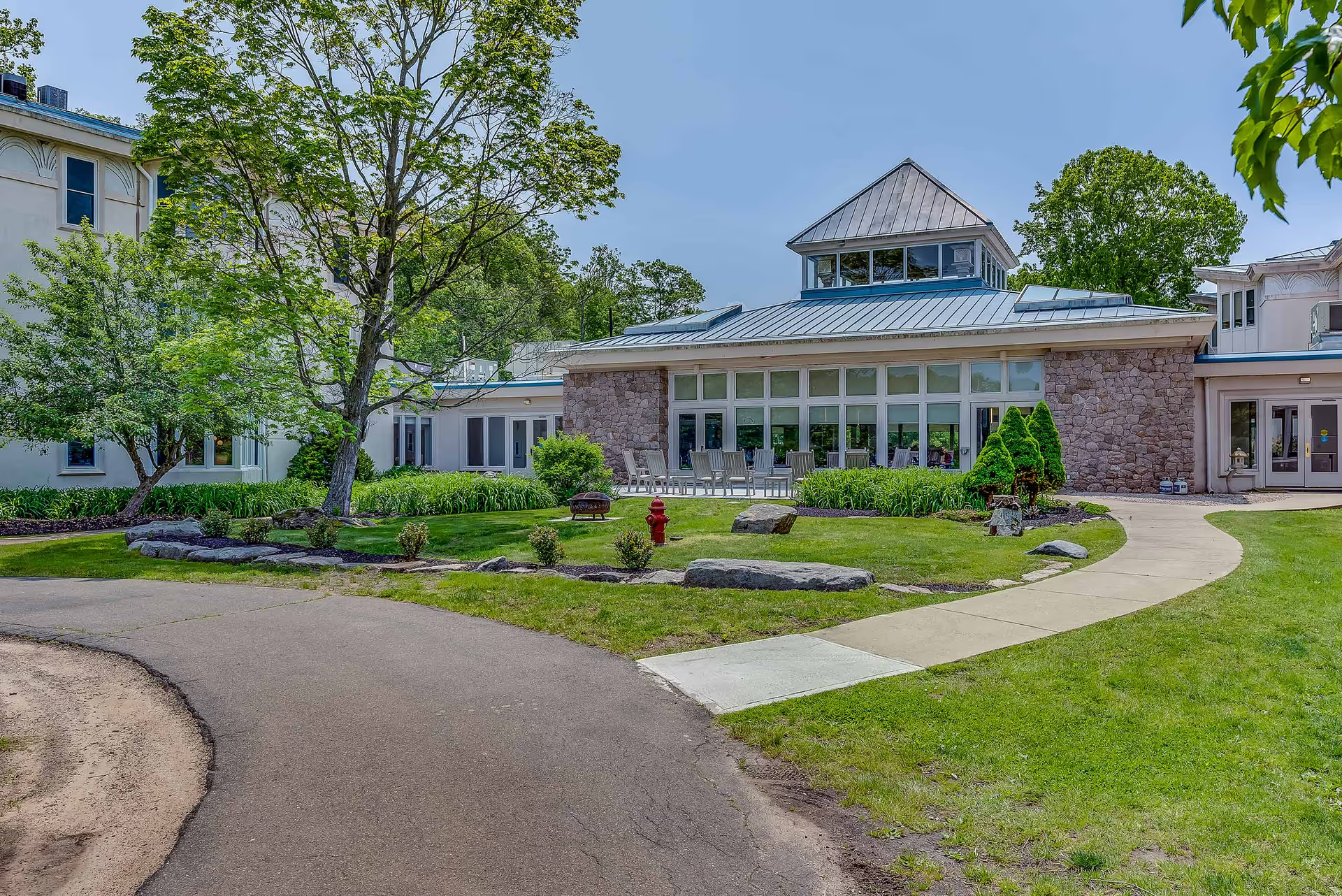
Facility upkeep and food service are other areas of divergence. Several families praise clean rooms, orderly common areas, and pleasant visitor interactions, while others describe sanitation concerns and slow maintenance response. Dining experiences range from satisfactory to inconsistent, with some reports of cold meals or slow kitchen service alongside positive notes about meal ordering and accommodations. The therapy and amenity areas (gym, activities, newspaper delivery) are generally seen as positive contributors to resident quality of life.
Management and administrative practices draw notable criticism in a subset of reviews. Concerns include weak complaint-resolution processes, perceived lack of transparency in leadership responses, bookkeeping issues, and serious allegations concerning financial misconduct by staff. There are also comments about limited responsiveness to online feedback and family complaints, which contributes to skepticism about how issues are addressed at the organizational level.
Overall pattern: experiences appear polarized — families describe both high-quality rehabilitation and caring frontline staff as well as significant operational and clinical gaps. Prospective residents and families should balance the facility’s strengths in therapy and activities with careful inquiry into medication administration protocols, wound-care procedures, staffing levels, housekeeping practices, and the facility’s process for addressing and documenting family concerns. Asking to review recent inspection reports, staffing ratios for the intended unit, clinical escalation procedures, and examples of complaint resolution may help clarify whether the facility’s practices align with an individual resident’s needs.