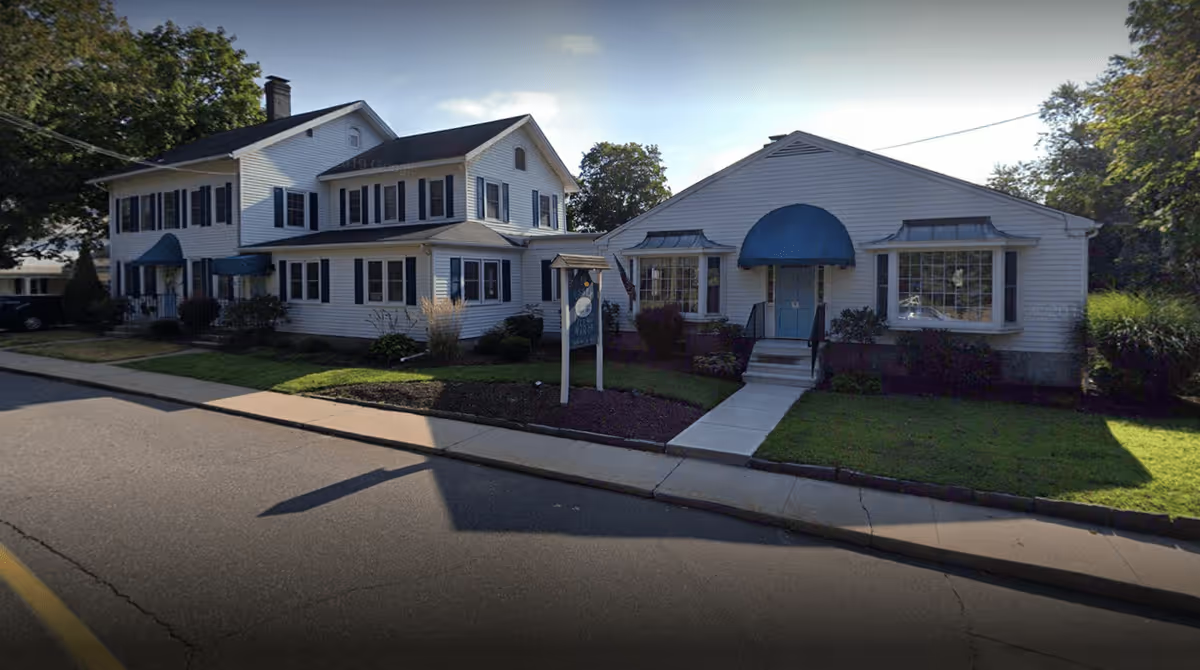
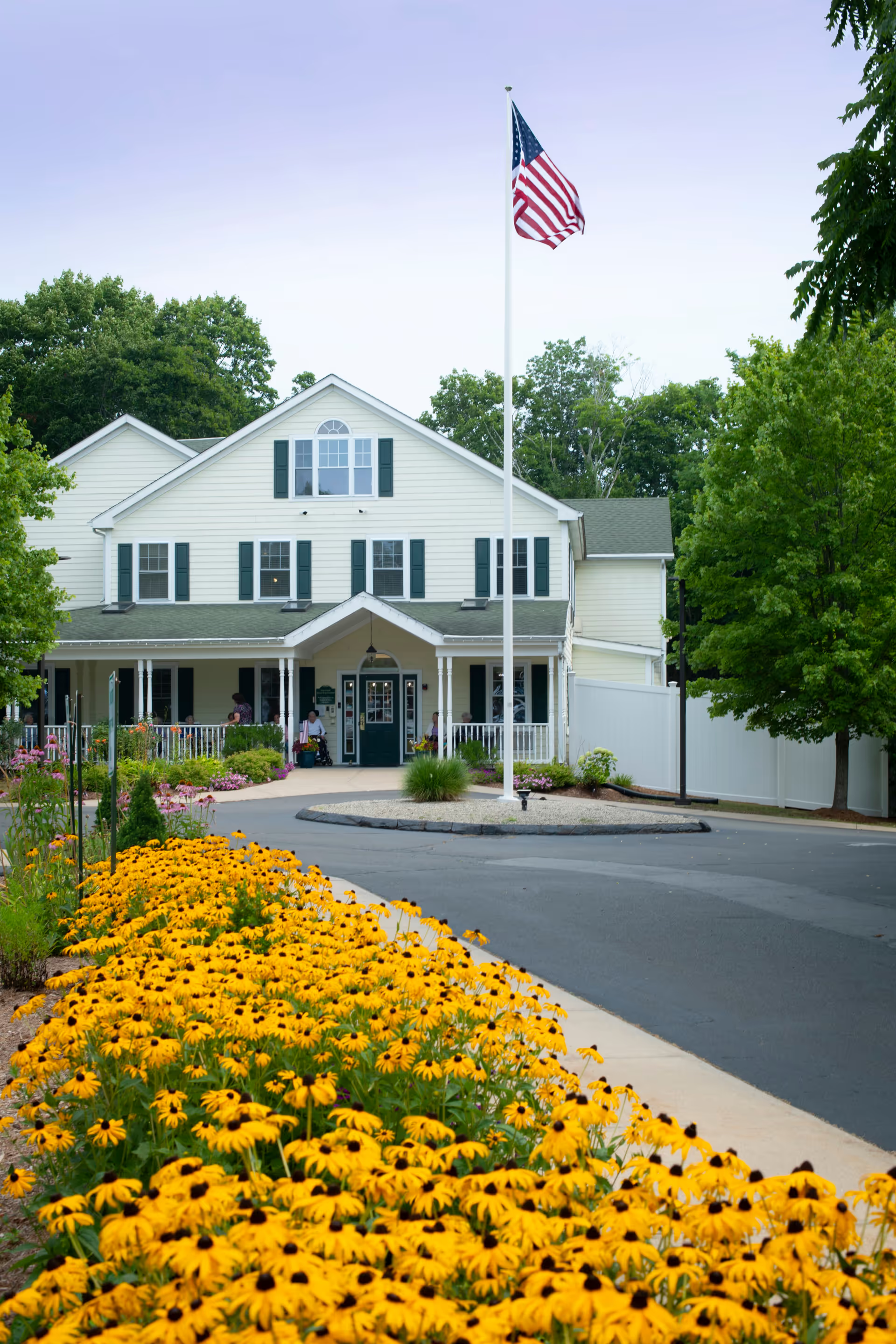
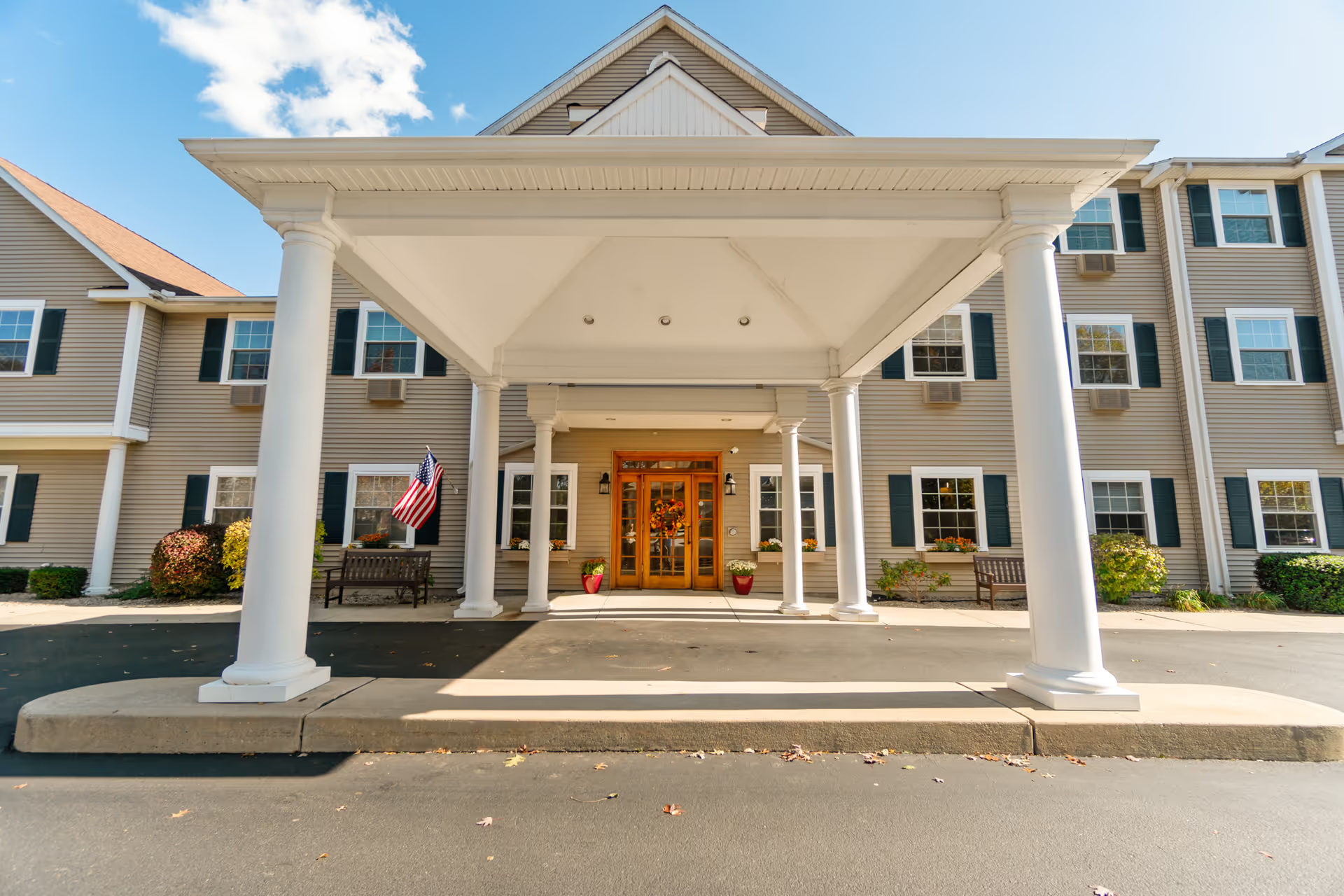
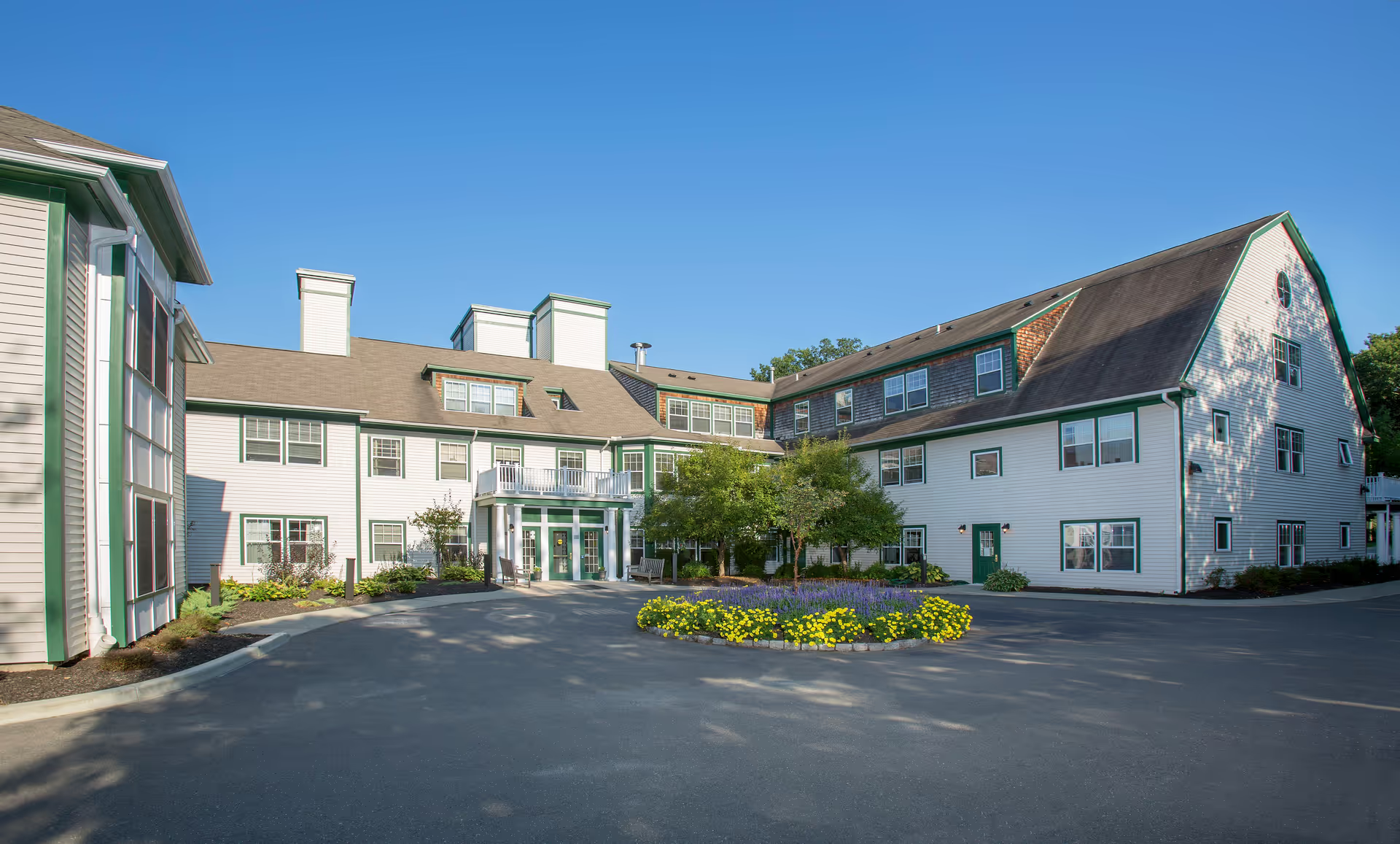
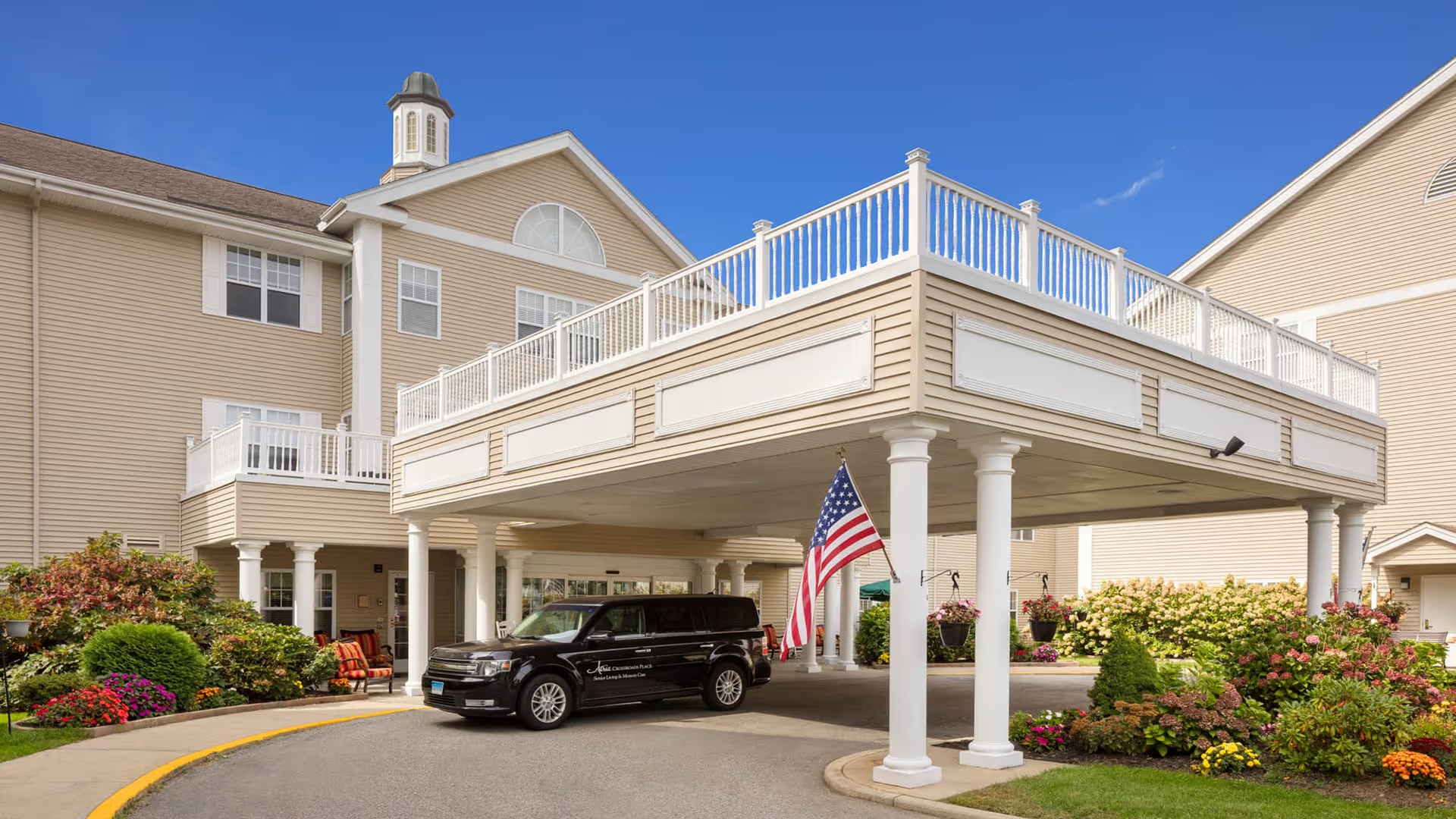
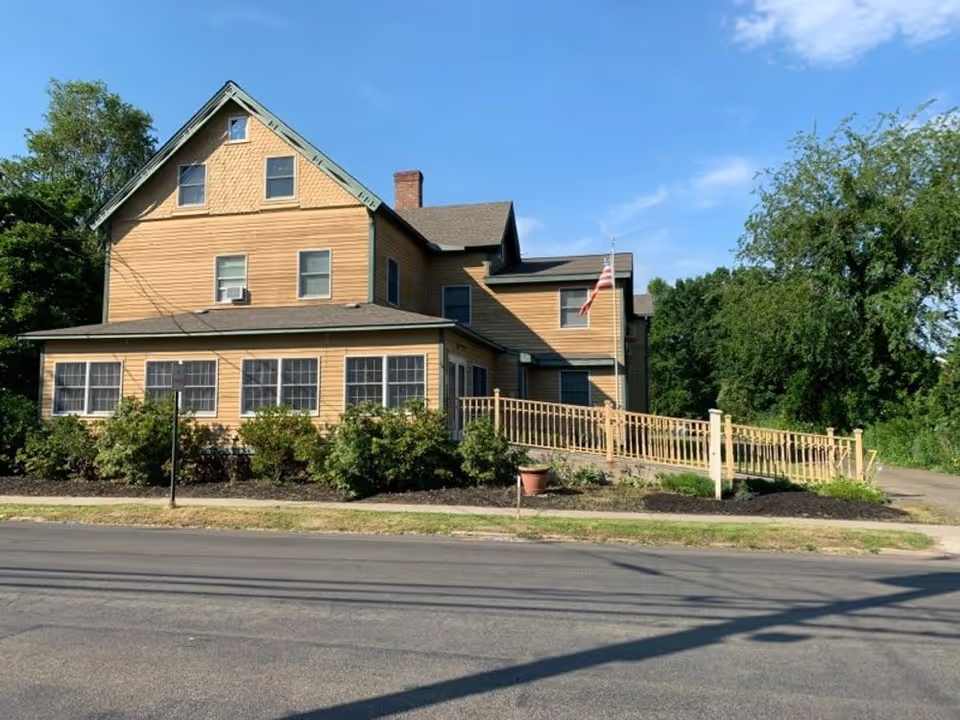
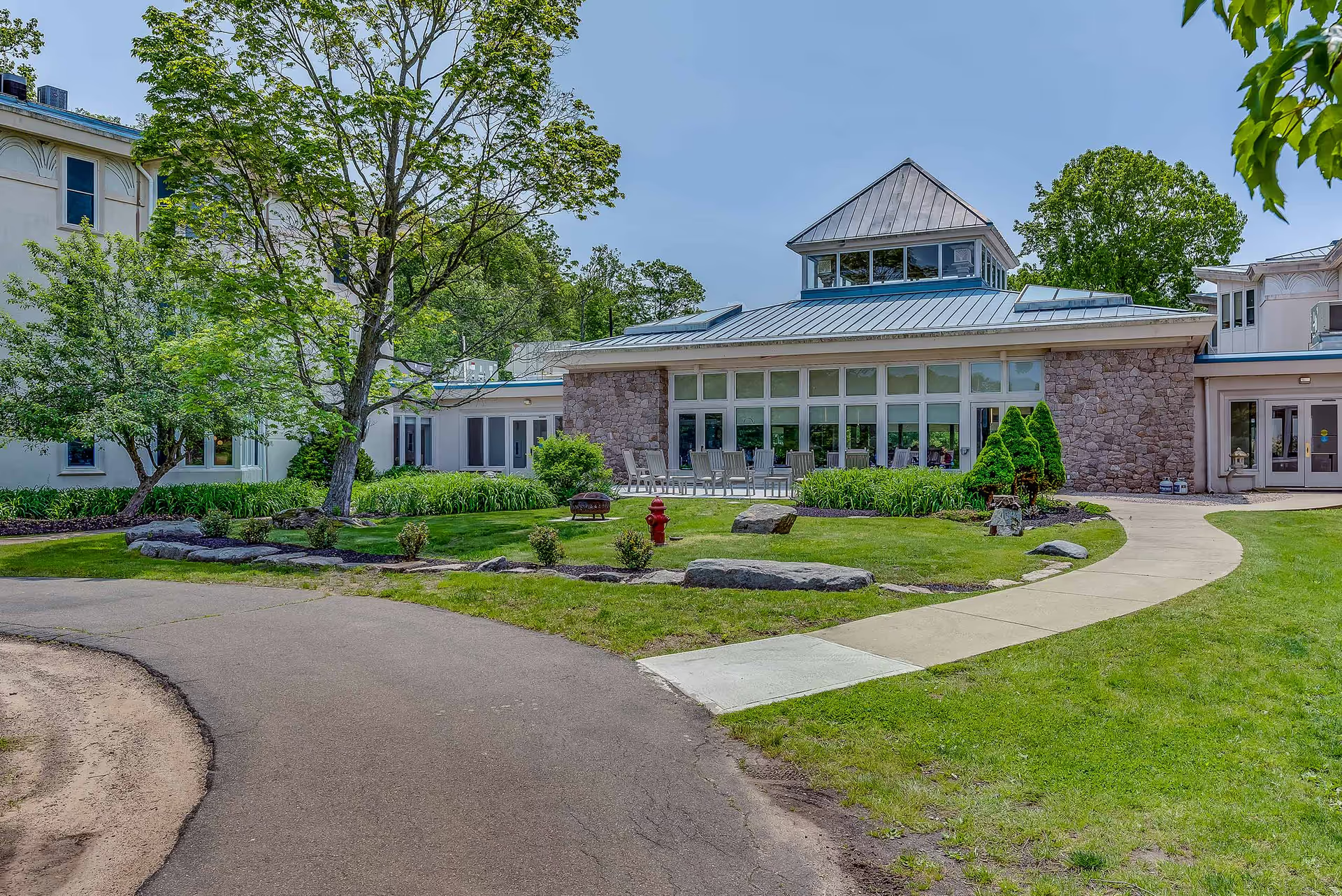
Essex Meadows is consistently described as a well-appointed independent-living campus with strong on-site clinical capabilities. Strengths cited across the reviews include compassionate, professional staff; an on-site skilled nursing center that accepts Medicare rehab; effective physical and occupational therapy; and a broad slate of social and cultural programming. The property and grounds receive frequent praise for thoughtful landscaping, walking trails, and attractive common areas, and many reviewers highlight spacious, light-filled apartments, cottages, and a range of amenities such as a gym, indoor salt-water pool, art gallery, library, and frequent trips and performances.
Clinical care and staff performance are a reputational strong point in many accounts. Families and residents commonly praise nursing, aides, and rehabilitation teams for attentive, effective care and good communication. Several reviews describe positive handling of acute rehabilitation stays and end-of-life support. At the same time, there are recurring concerns related to the facility's ability to meet progressive cognitive-care needs: reviewers indicate the community is primarily oriented to independent living and short-term skilled nursing, and that memory-care resources and protocols are limited. Relatedly, some families reported medication-management issues for residents with cognitive impairment, including use of sedating or psychotropic approaches to behavioral symptoms; these comments suggest prospective residents and families should inquire specifically about dementia-care protocols and medication oversight.
Dining and activity offerings are major advantages for many residents. The main dining room, pub, and door-to-door meal service receive positive notes for variety, accommodation of special diets, and occasional celebratory or high-quality meals. However, a few reviewers describe variability or decline in dining quality at times, indicating that kitchen and management attention to consistency may fluctuate. Activities, arts involvement, committees, and volunteer roles are frequently mentioned as strengths that support social engagement, intellectual stimulation, and a strong sense of community.
Operational and financial patterns to consider include the community’s life-care contract model with a substantial entrance fee. Some families described difficulty when a resident’s care needs escalated, citing both the contractual commitments and practical challenges finding more appropriate memory-care placements. Intermittent concerns about staff responsiveness or conduct and uneven assisted-living–level clinical oversight also appear across reviews; these comments point to the value of clarifying staffing ratios, shift coverage, escalation pathways, and medication-management practices during a tour.
In summary, Essex Meadows presents as a high-quality independent-living community with on-site skilled nursing and robust programming that many residents find highly satisfying. It is well suited to independent older adults and to those who expect access to short-term rehabilitation. Prospective residents and families should specifically evaluate the community’s dementia-care capabilities, medication-management protocols, and contractual implications for residents whose needs may progress, and should seek direct answers about assisted-living oversight and transition processes before committing.