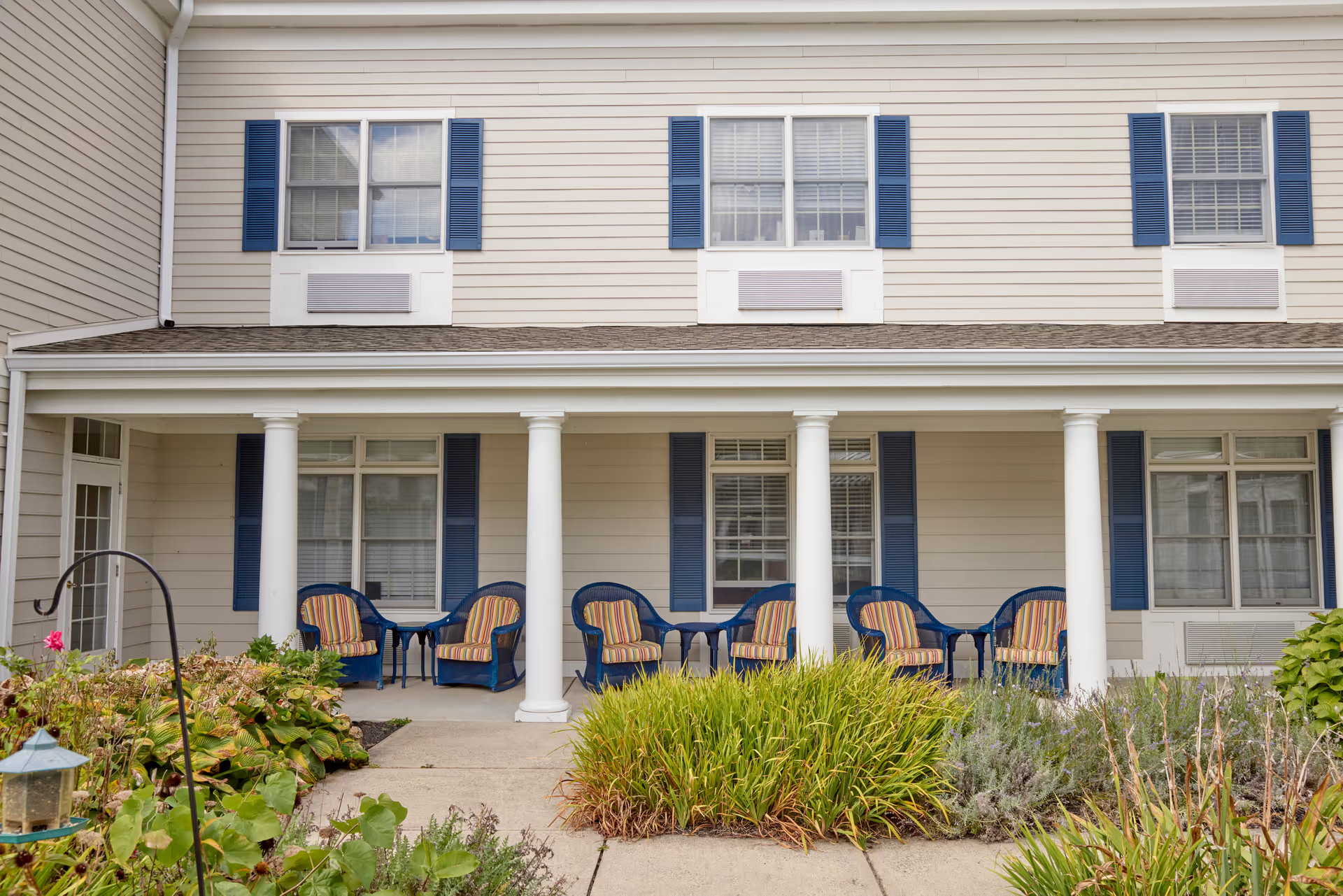
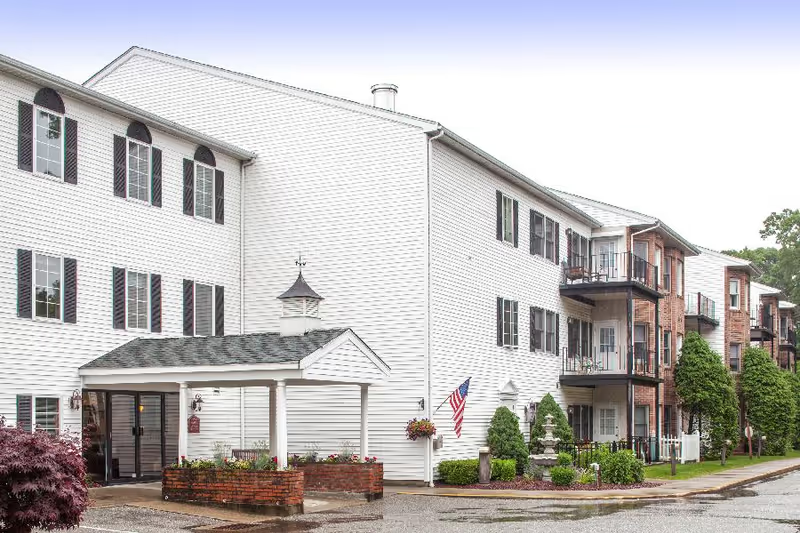
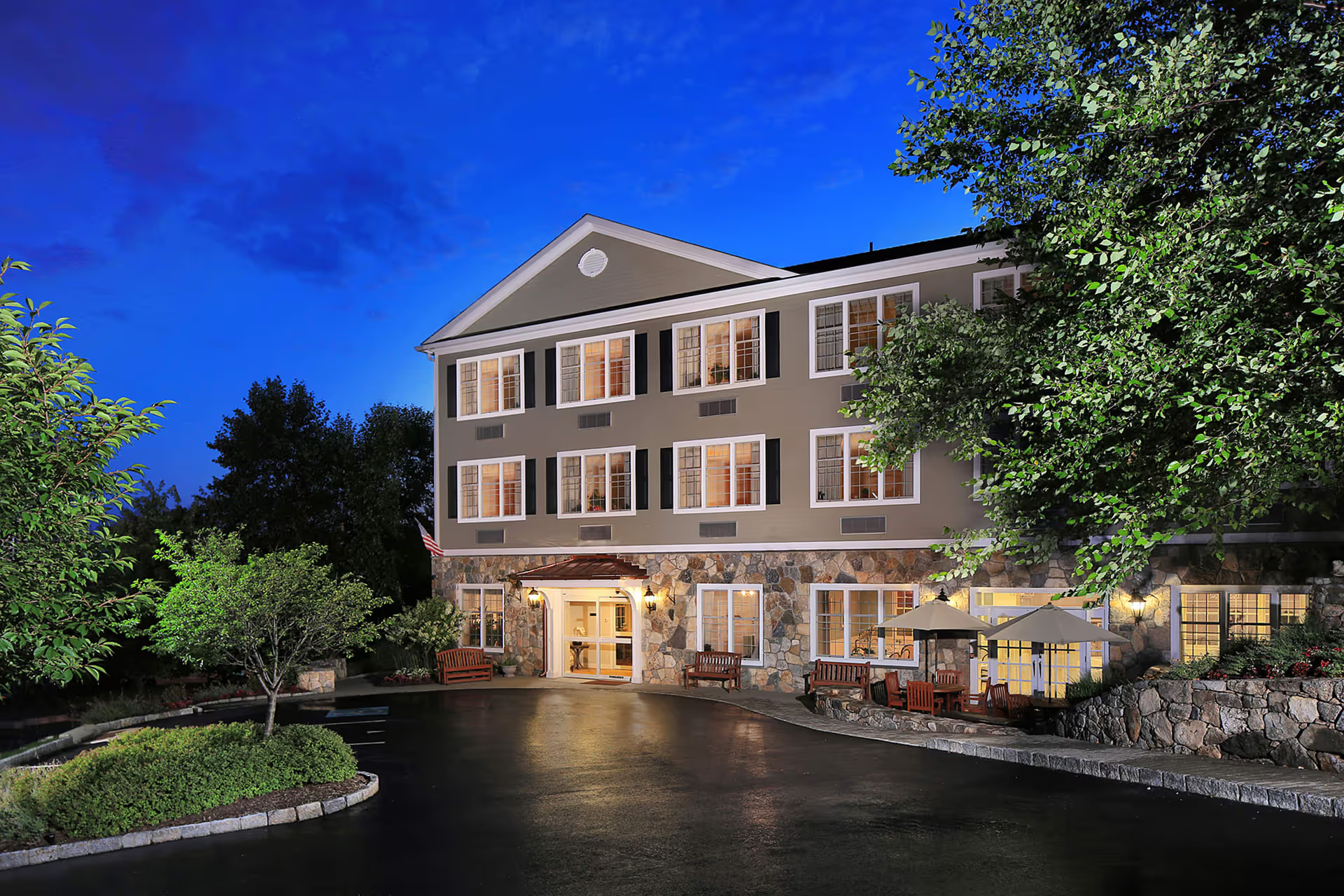
Overall impression Candlewood Valley Health & Rehabilitation Center elicits a mixed but identifiable pattern in reviews. Many families and visitors emphasize the quality of bedside care, rehabilitation outcomes, and the facility's clean, home-like atmosphere. Compliments commonly focus on compassionate nursing and aide teams, a strong therapy program that supports mobility gains, and an activity program that includes arts, music, and social events. Several reviewers describe the facility as secure and conveniently located near medical offices, with pleasant outdoor courtyards and an inviting dining room environment.
Care and staff Clinical care and direct-care staff receive the most consistent praise. Reviewers frequently mention attentive nurses and aides, prompt responses to acute changes in condition in some cases, proactive care-plan involvement, and supportive social-work engagement. The rehabilitation team (PT/OT) is repeatedly highlighted for effective, goal-oriented work that led to functional improvements. At the same time, there is notable variability: other accounts describe staffing shortages, long waits for assistance, and inconsistent medication or IV administration practices. These contrasting reports point to uneven performance across shifts or teams rather than a uniform level of care. There are also recurring comments about variability in staff conduct and communication tone — families should expect both very positive interpersonal experiences and occasional reports of less effective interactions.
Dining and activities Dining impressions are mixed. Several reviewers praise the dining-room ambiance, supervised feeding when needed, and meals that exceeded expectations for a skilled-nursing setting. Others describe inconsistent meal quality and irregular mealtime experiences. The activity program is a clear strength in many accounts, with arts-and-crafts, live music, bingo, and social programming noted. Some families, however, would like greater variety and more creative or dementia-focused activity options, indicating the program may be well-suited to some residents but less engaging for others.
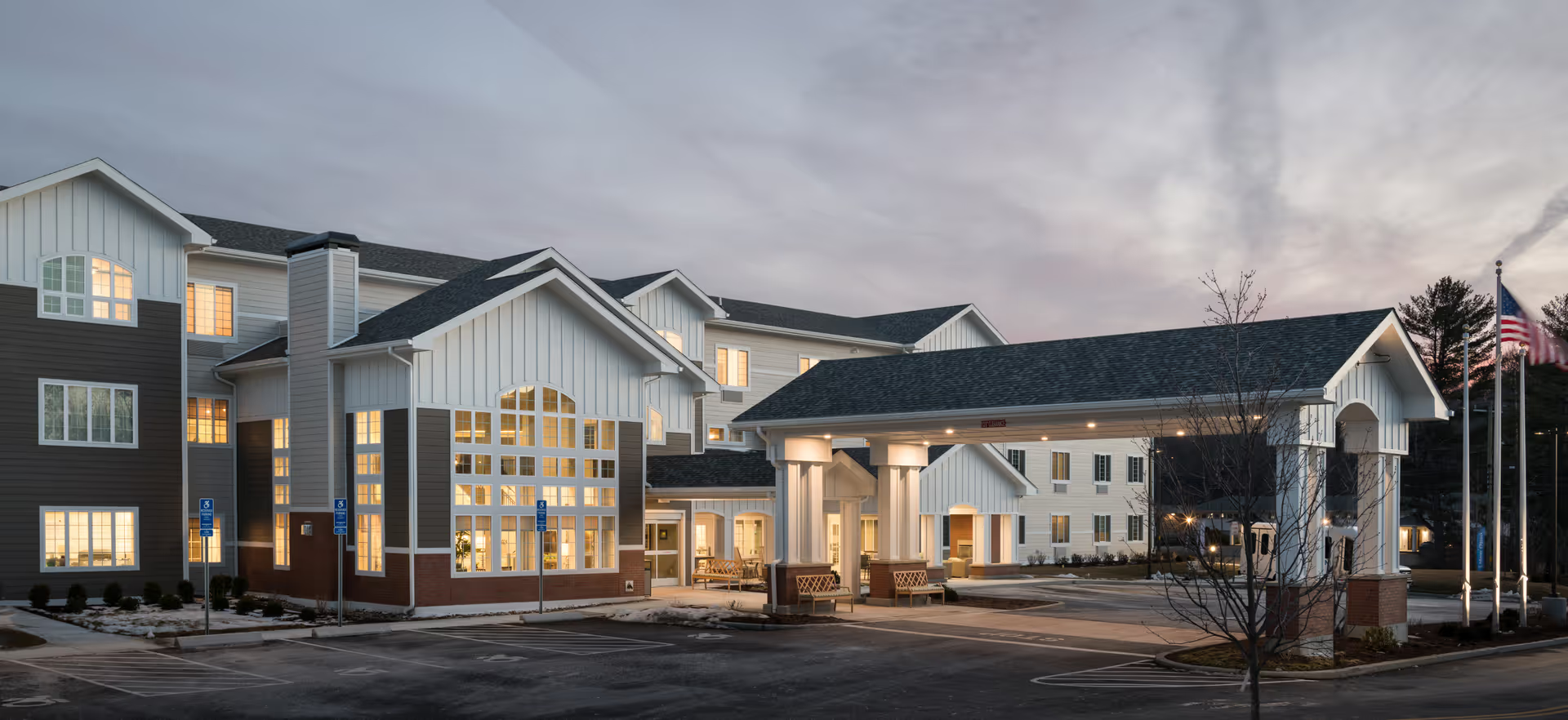
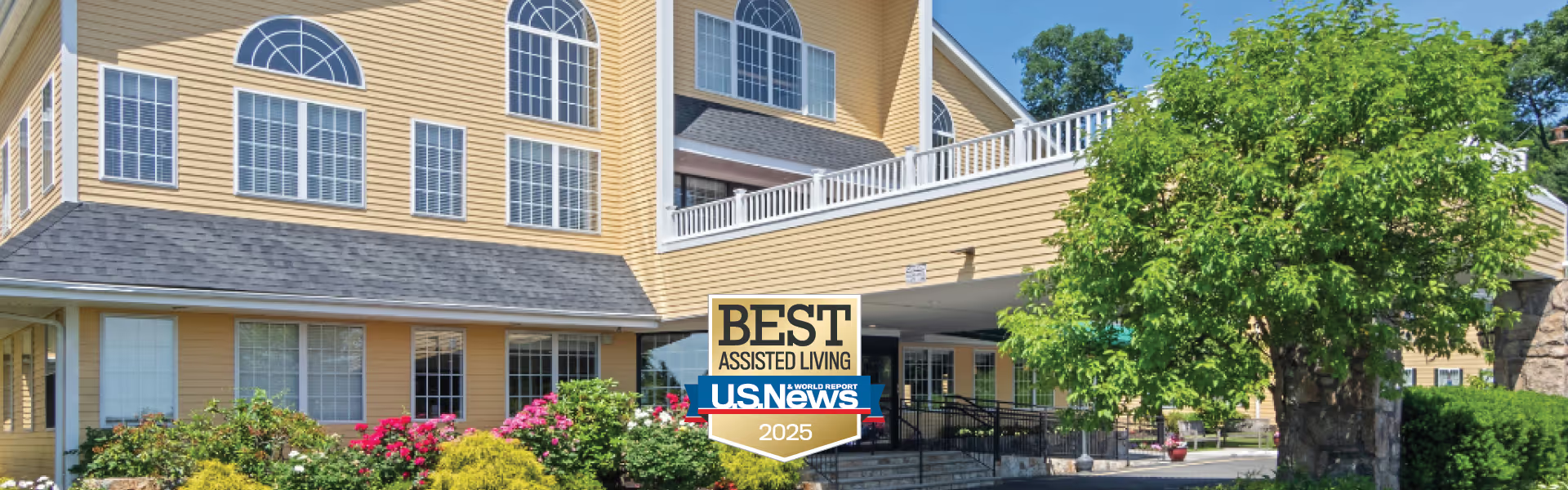
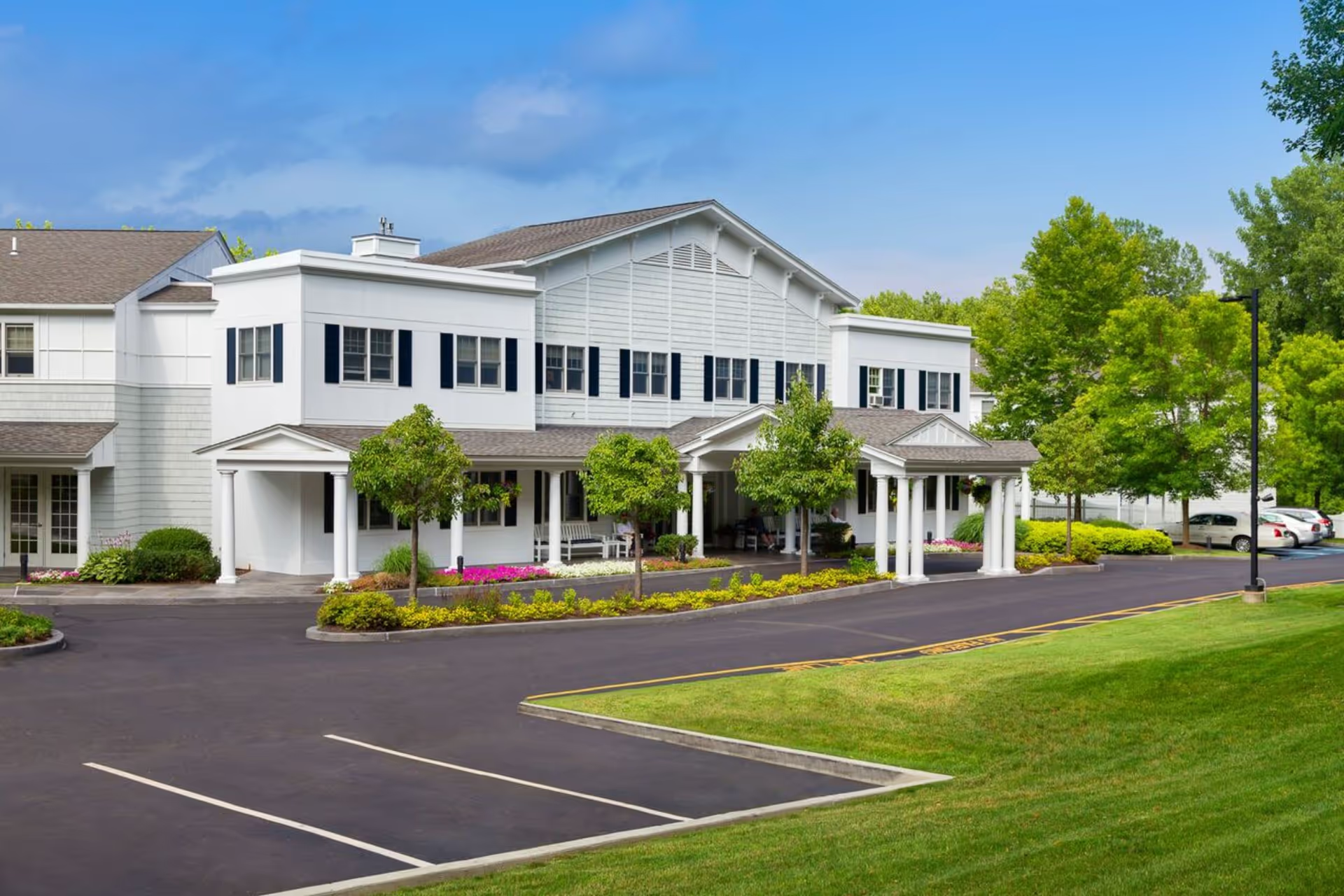
Facilities and safety The physical environment is described positively overall — clean common areas, well-appointed resident rooms with personal touches, and secure entry systems. Visitors note updated furniture in some parts of the building and fenced/enclosed patios for safe outdoor time. At the same time, reviewers report inconsistent maintenance in older sections of the facility, limited private-room availability (double rooms are common), and occasional concerns about laundry handling and missing belongings. Comments about infection-control outcomes (for example, successful prevention in some accounts) coexist with isolated concerns about undisclosed infection events in others; such serious claims are relatively uncommon but noteworthy when present.
Management and operational patterns Administrative and management themes are the most mixed. Positive accounts describe proactive family communication with weekly updates, early use of video chats, and clear discharge follow-up. Negative accounts cite unstable management, rigid policies that limit aide assistance, slow or disorganized administrative processes (admissions paperwork, billing/refund disputes), and inconsistent escalation when families raise concerns. There are also isolated allegations of financial or administrative misconduct; while these appear infrequently relative to operational complaints, they warrant attention from prospective families and oversight bodies.
Notable patterns and guidance The overall pattern suggests Candlewood Valley performs well in hands-on caregiving and rehabilitation when staffing and management are stable, but outcomes and family experience can vary depending on shift coverage and administrative responsiveness. Prospective residents and families should consider an in-person visit, ask about current staffing ratios, medication-administration and escalation protocols, laundry and belongings policies, private-room availability, and how the facility communicates with families about clinical changes. Requesting recent quality metrics, infection-control records, and examples of activity programming for residents with dementia can help clarify whether the facility’s strengths align with an individual’s needs.