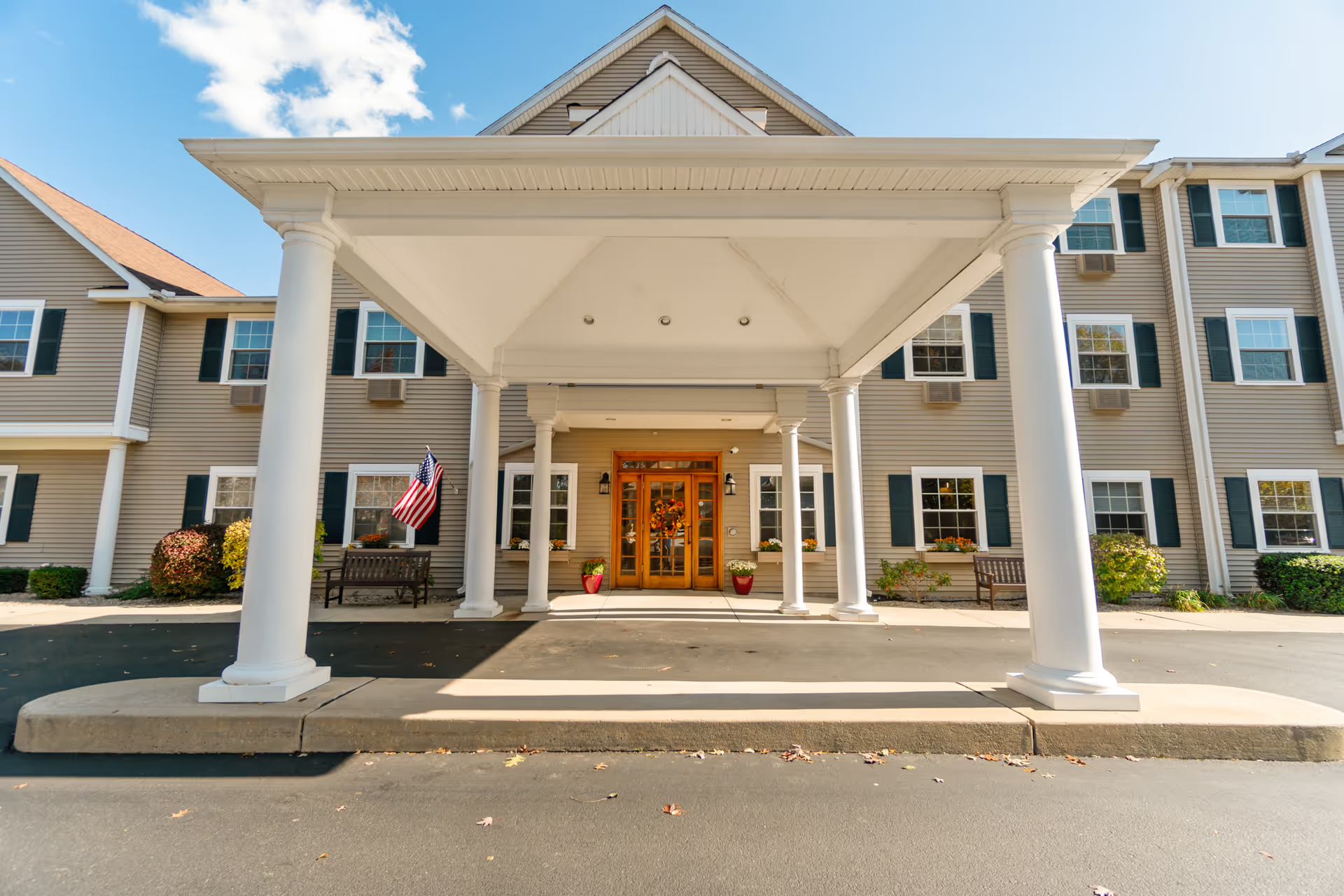
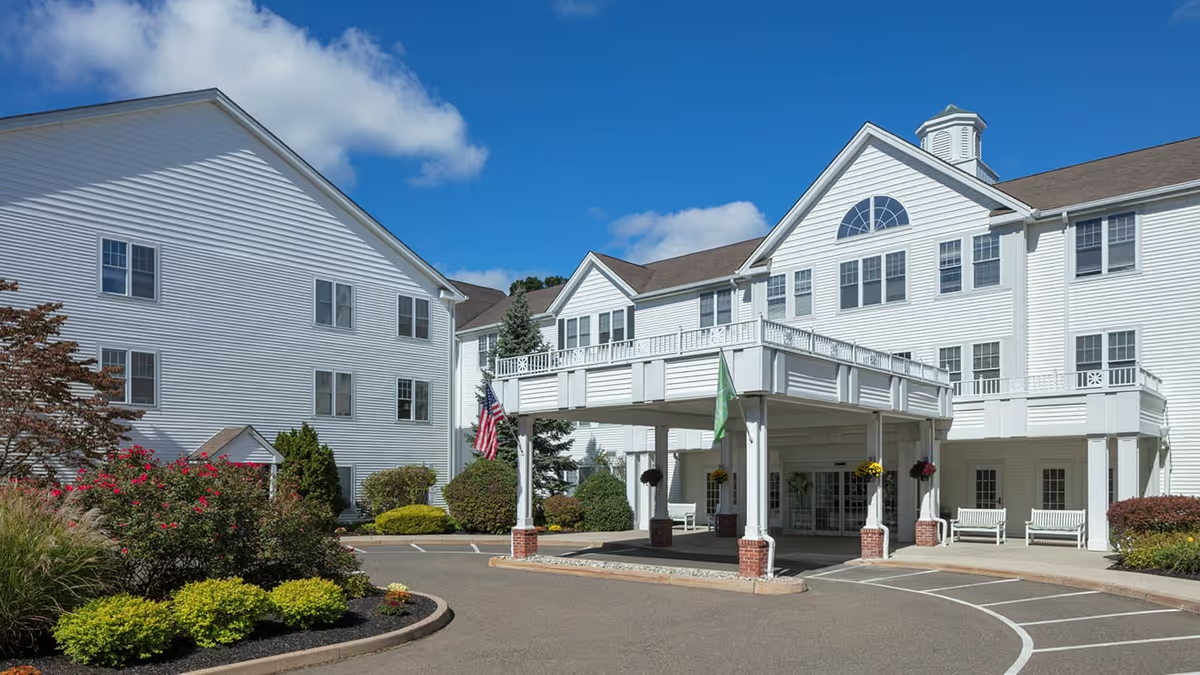
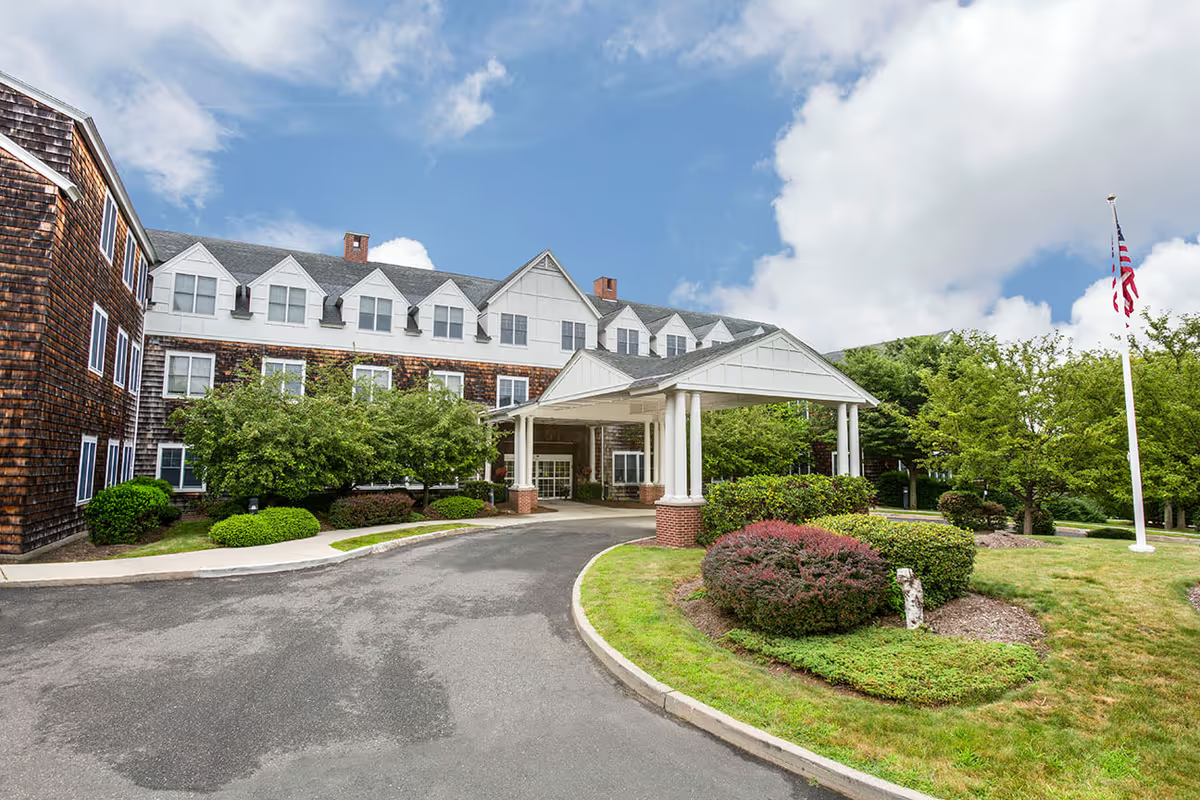
Evergreen Woods presents as a well-resourced continuing-care community with consistent strengths in clinical services, hospitality, and social programming. Review content emphasizes a strong Health Center with on-site physicians, registered nurses, and a proactive rehabilitation program; families and residents frequently highlight effective physical and occupational therapy, thorough clinical care, and attentive nursing and CNA teams. The staff profile across departments—nursing, dietary, housekeeping, engineering, and activities—is described as professional, compassionate, and resident-focused, contributing to a perception of reliable day-to-day care and good clinical outcomes for many residents.
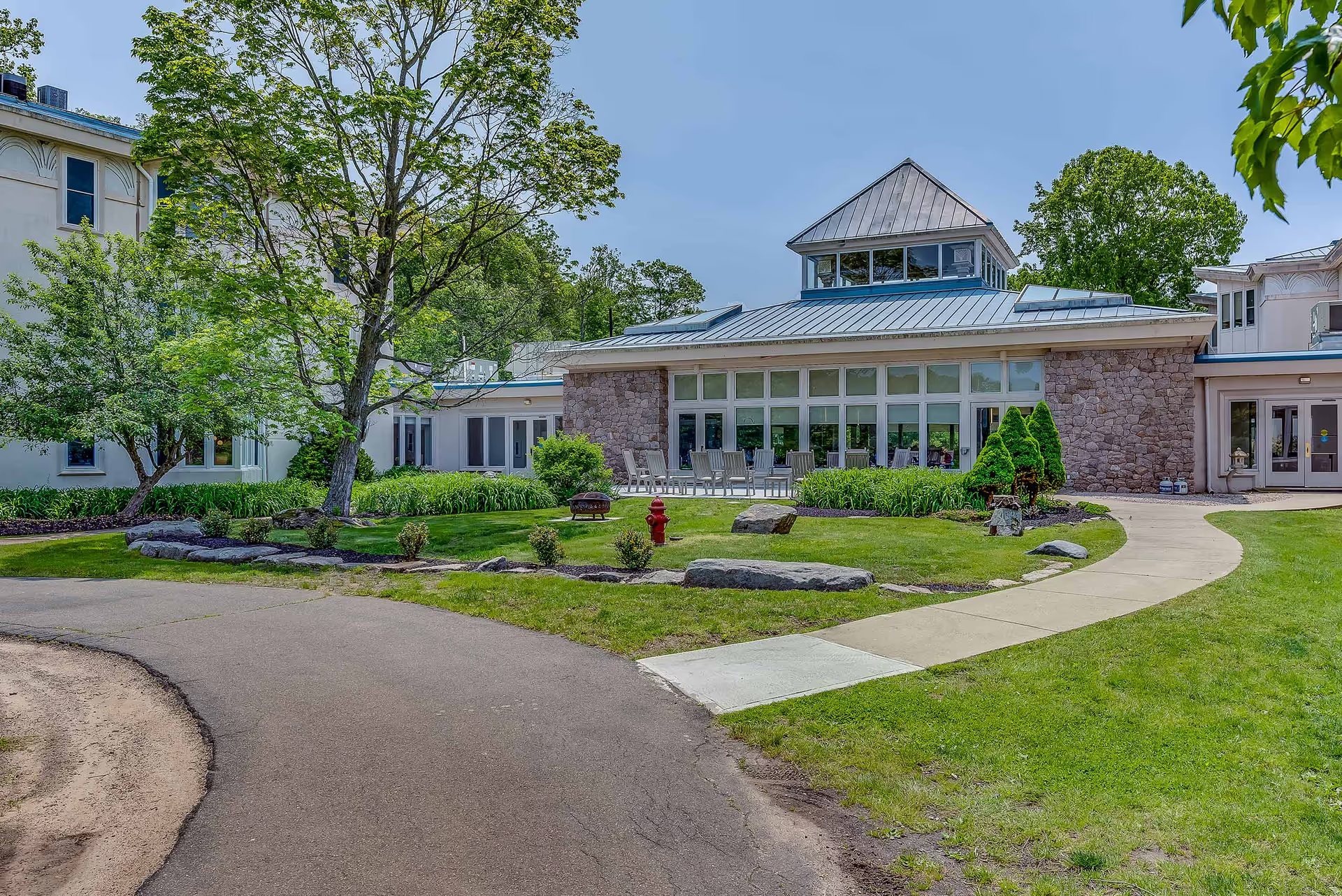
Dining and activities are recurring positives. The culinary program is characterized as chef-driven with varied menus, accommodations for special diets, attractive dining rooms, and options for private family meals. Activity programming is broad and intellectually stimulating: live music, classical concerts, lectures, fitness and aquatic classes, memory-support games, arts and crafts, and organized outings. These offerings, together with ample indoor amenities (pool, spa, fitness center, auditorium, salon) and extensive outdoor spaces (walking trails, gardens), support an engaged, socially active resident population and frequent opportunities for meaningful social connection.
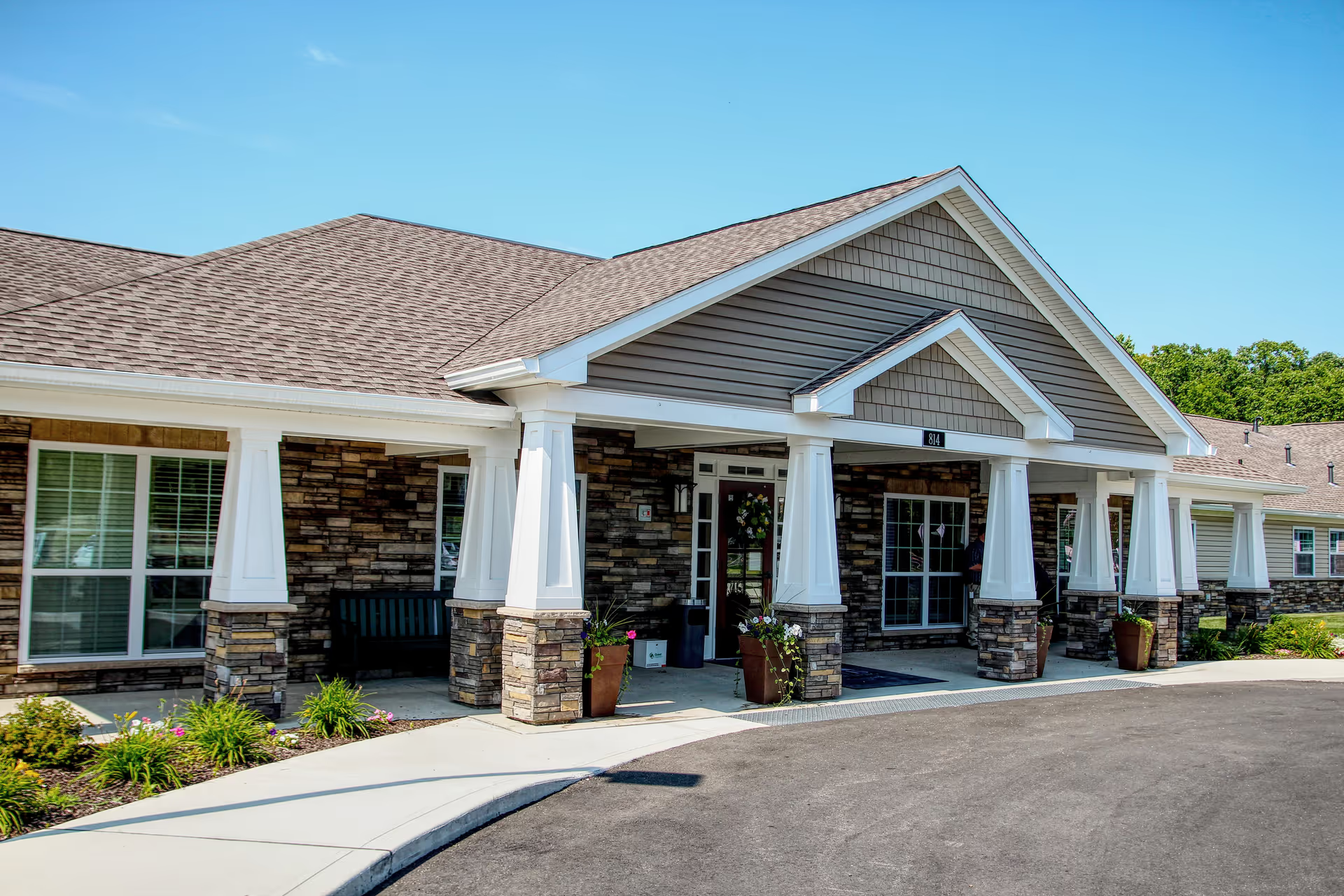
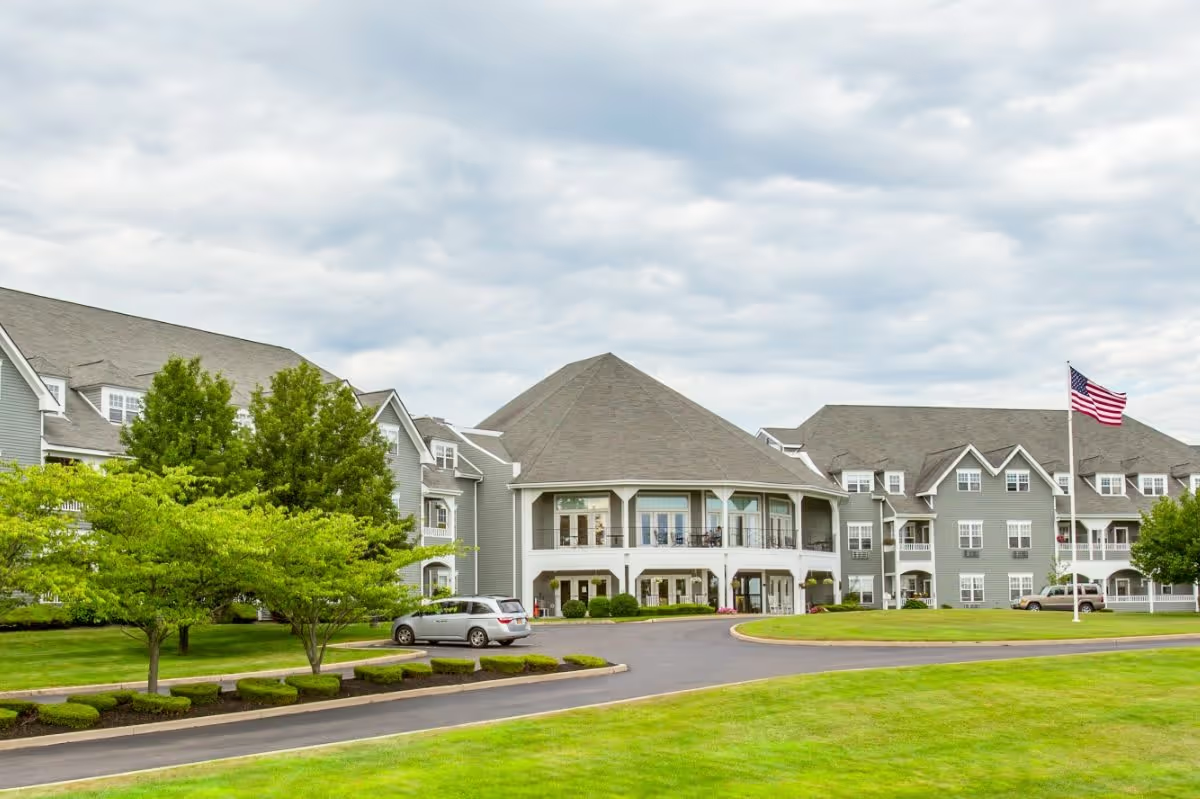
Facility and operational strengths include well-maintained grounds; spacious, light-filled apartment units (many with private gardens or courtyard views); seamless move-in coordination; transportation and concierge services; and visible executive leadership with proactive family communication, especially during the pandemic. The community’s proximity to regional medical centers (including Yale-area resources) and the presence of on-site primary care and specialty support are important contributors to family confidence and continuity of care.
Notable patterns of concern appear in administrative transparency and operational consistency. Several family accounts identify complexity in entrance-fee structures, delays in refund processing, and uneven administrative follow-up on billing or transition issues; these indicate an area where clearer policies and timelier resolutions would reduce family stress. There are also indicators of variability in personal-care continuity as residents’ needs escalate—examples point toward the need for standardized handoffs and clearer staffing protocols. A small number of serious clinical and conduct-related complaints suggest potential gaps in transfer and on-floor supervision protocols and in staff communication/problem-resolution practices; these are not the dominant theme in the corpus but merit targeted review and corrective action. Finally, some clinical spaces were described as dated, and visitation policies during infection-control periods were experienced as rigid by certain families.
Overall, Evergreen Woods rates highly on caregiving culture, amenities, dining, and activity programming, and it offers substantive clinical resources as a continuing-care option. Prospective residents and families should weigh those strengths against the facility’s entrance-fee structure, administrative processes, and the importance of confirming personalized care plans and supervision protocols as needs change. Visiting in person, reviewing the contract details on fees and refunds, and discussing escalation and emergency response procedures with leadership are practical next steps for interested families.