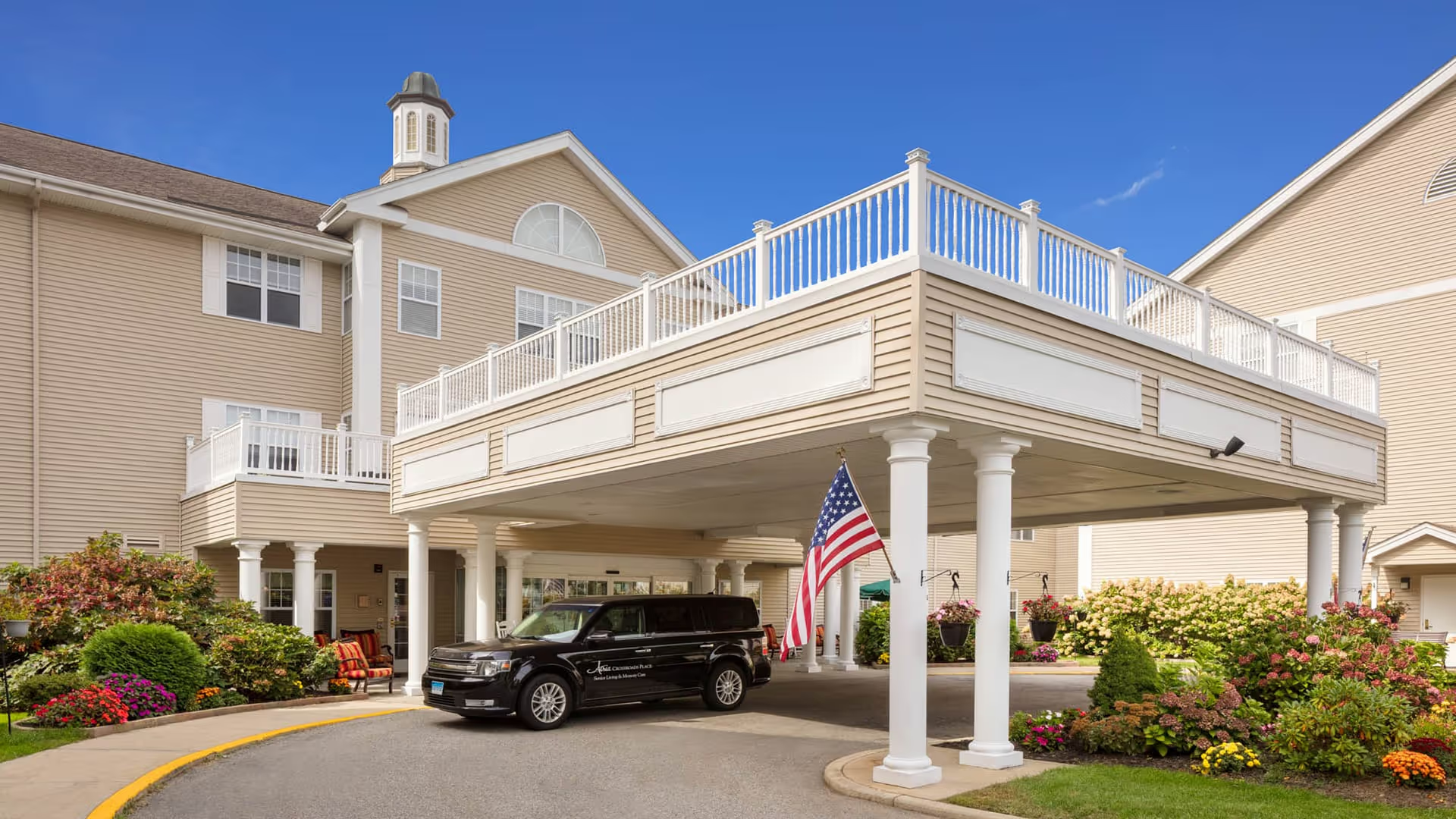
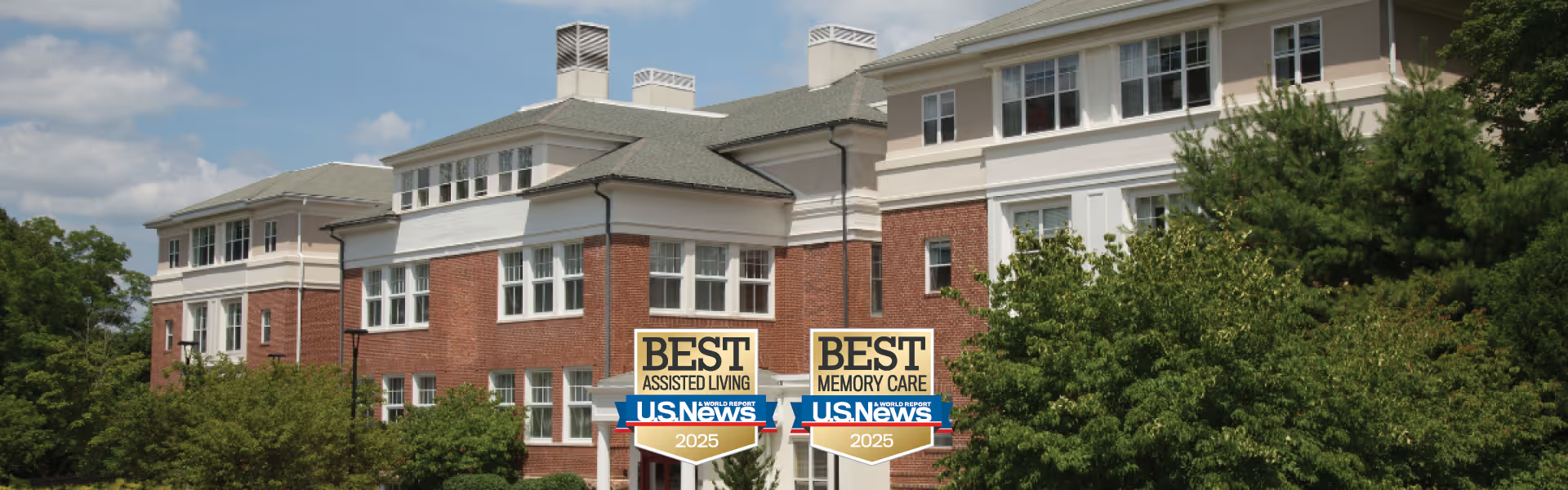
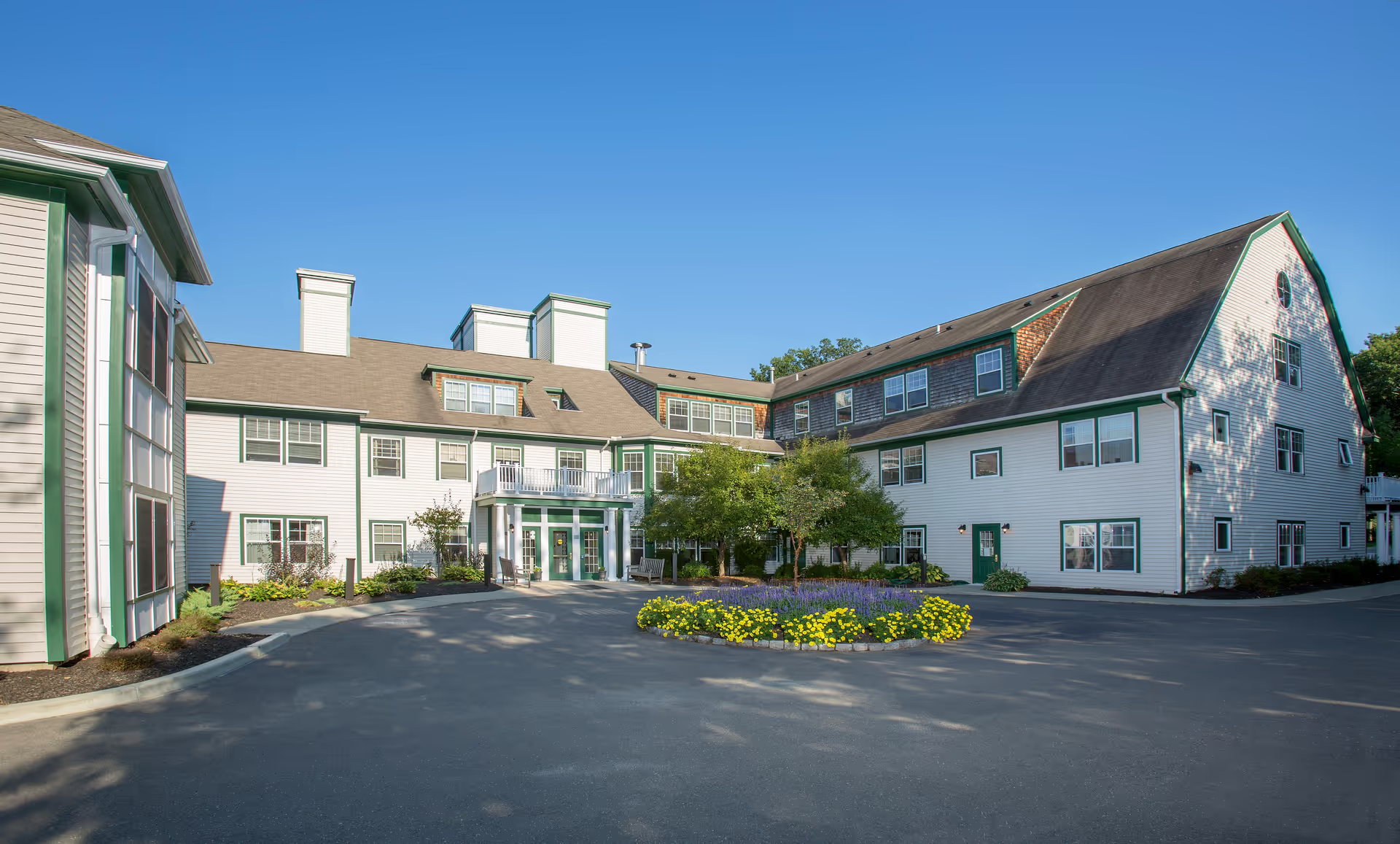
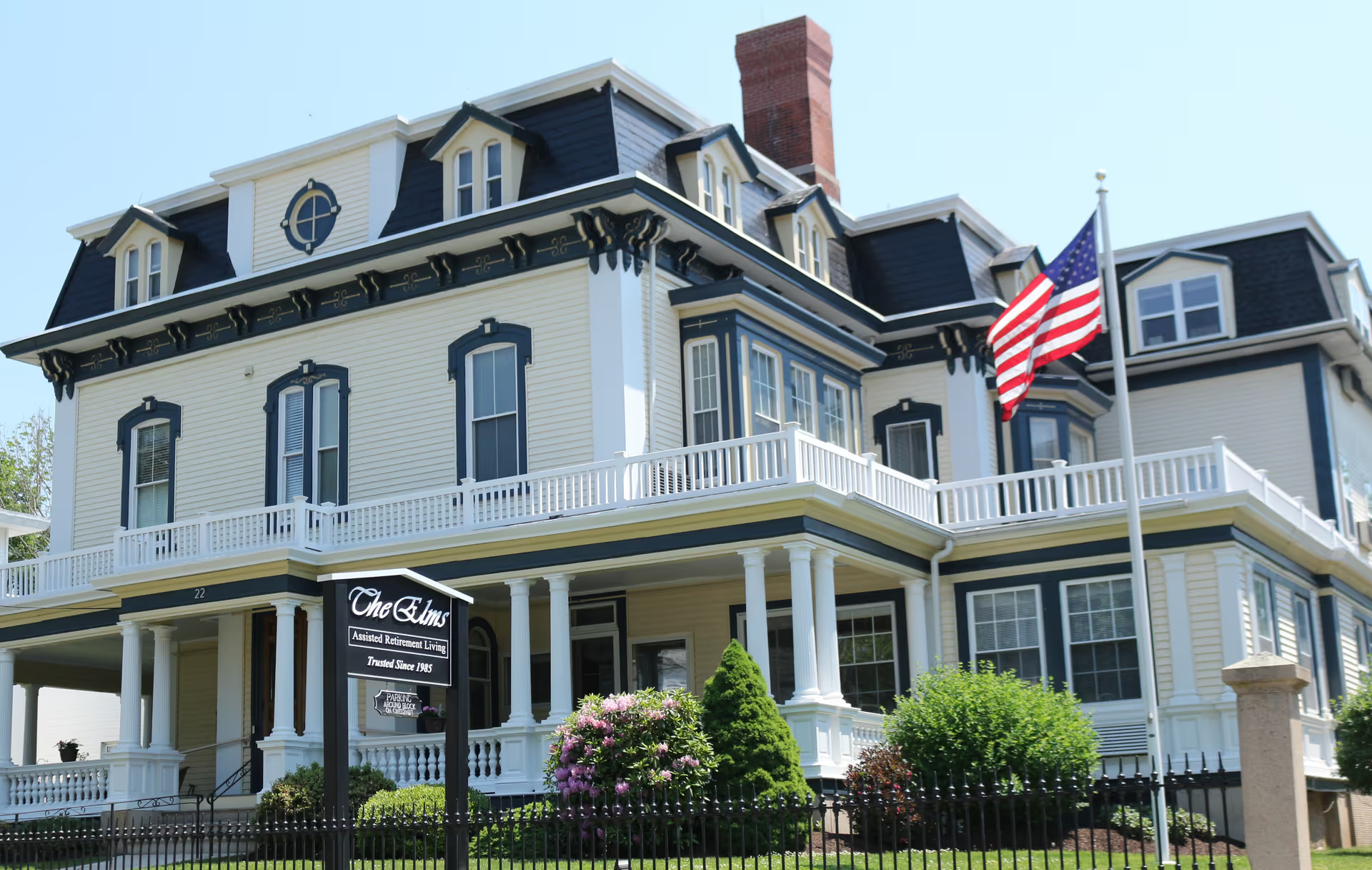
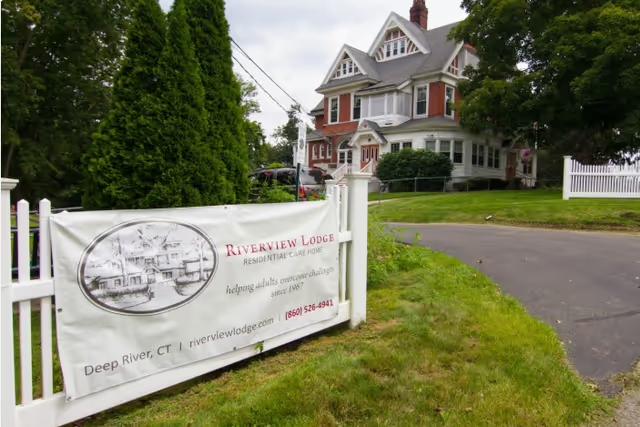
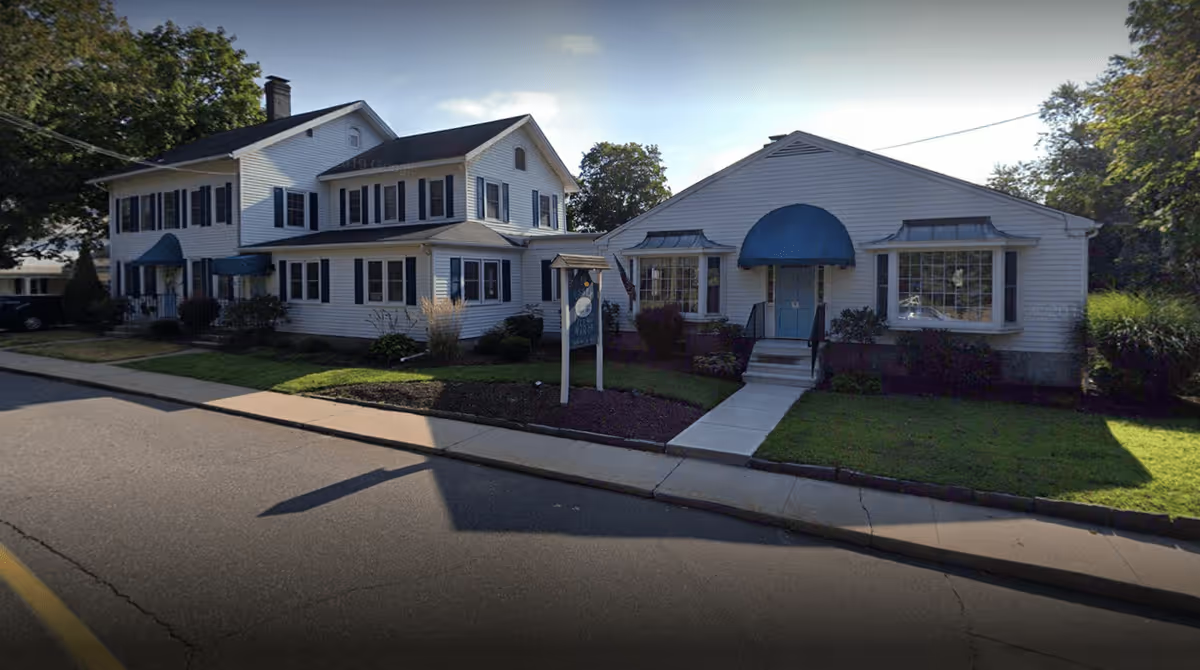
Reviews present a mixed picture: many families describe a facility with strong rehabilitative resources, comfortable private rooms, active programming and approachable therapy and nursing staff, while others raise significant operational and safety concerns. The positive feedback centers on rehabilitation outcomes, a home-like environment, regular social events, on-site amenities (salon, game room, library), and gardens that contribute to resident engagement. Several respondents specifically praised therapy teams, management-level responsiveness, and recent renovations that maintain a welcoming interior.
Care quality and clinical oversight appear inconsistent. Multiple accounts highlight effective rehabilitation and hands-on therapy, but other accounts describe delays in responding to resident needs, delayed advanced-practice provider attention, and instances that suggest gaps in clinical assessment. These patterns point to uneven clinical follow-through and variable access to timely evaluation. Families should ask about on-call coverage, APRN/physician response times, and how the facility documents and follows up on emergent clinical changes.
Staff behavior and communication are polarizing themes. Many reviewers describe staff as attentive, accommodating, and hardworking; others report unprofessional or discourteous interactions and poor communication with families. Related operational issues include inconsistent responsiveness to call bells and task follow-through. Prospective families may wish to observe staff–resident interactions during a visit and ask about staff training, supervision, and mechanisms for addressing conduct and communication concerns.
Dining and food-service issues are another area of divergence. Some find the dining and therapy-related meals acceptable; others note inconsistent meal quality, timing problems that affected resident comfort, and concerns about food-service operations. Sanitation and environmental control concerns were raised specifically around service and utility areas, including reports of standing water and mold-like odors. These comments suggest the importance of inquiring about kitchen sanitation protocols, pest control, moisture remediation, and food-storage practices during a tour.
Facilities and amenities are generally viewed positively when it comes to living spaces and programming: private rooms, attached independent-living options, gardens, and activity offerings are repeatedly listed as strengths. However, service-area maintenance issues and localized cleanliness or odor problems detract from the overall impression for some families. Discharge planning and medication handoff were also highlighted as operational gaps by several reviewers, so confirm the facility’s discharge checklist, medication reconciliation process, and family notification procedures.
Overall, the facility appears to deliver strong rehabilitative services and engaging activities for many residents, but experiences vary markedly depending on unit, staff on duty, and operational processes. The reviews indicate both reliable strengths (therapy, amenities, family programming) and serious operational weaknesses (sanitation/moisture control, responsiveness, transfer practices, clinical follow-up, and discharge coordination). Prospective residents and their families should schedule an in-person tour, request specific information about clinical coverage, infection-control and maintenance protocols, transfer/mobility training, meal schedules, and discharge procedures, and speak with current residents and families to understand how consistently the facility applies its policies across shifts and units.