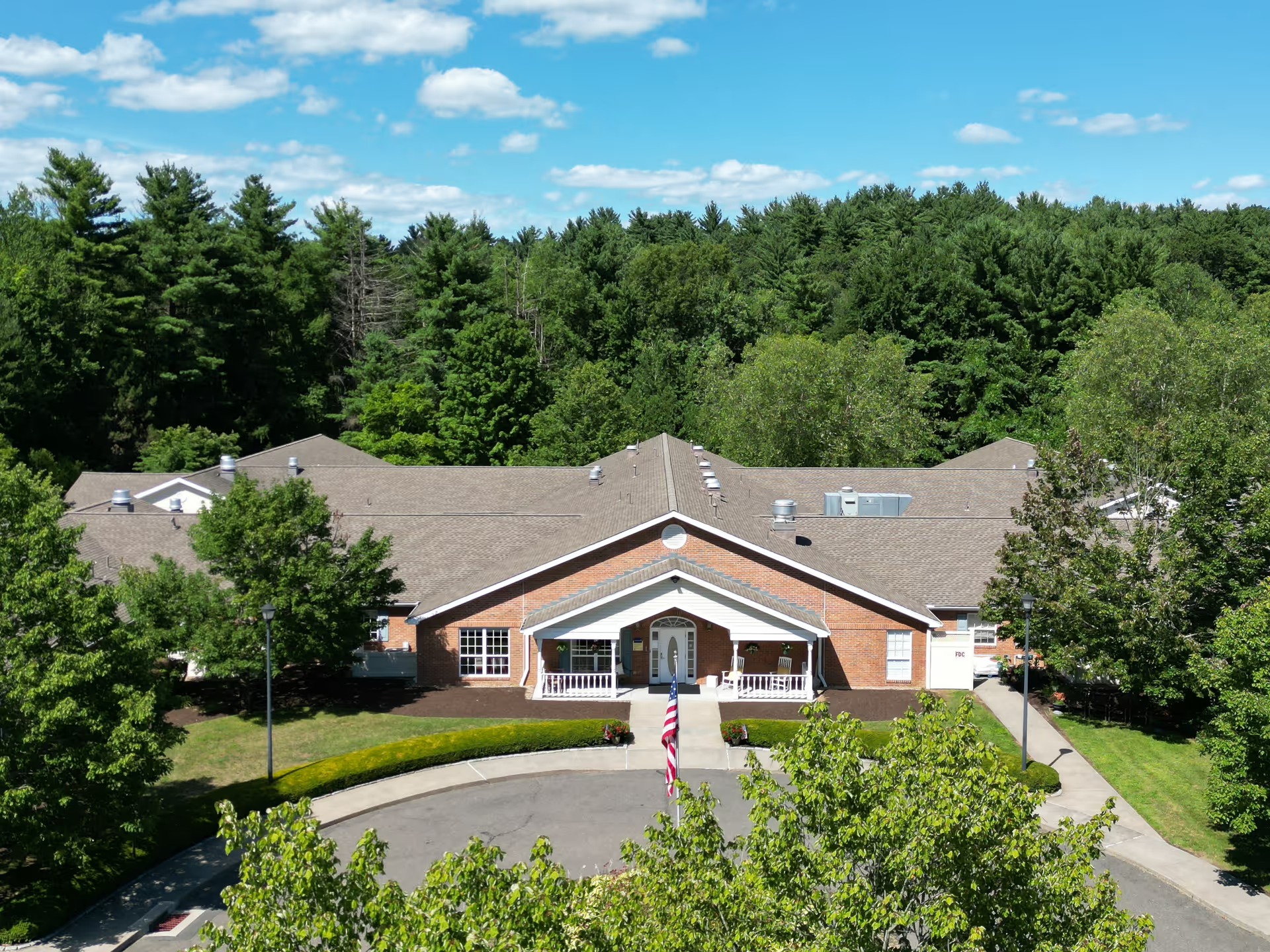
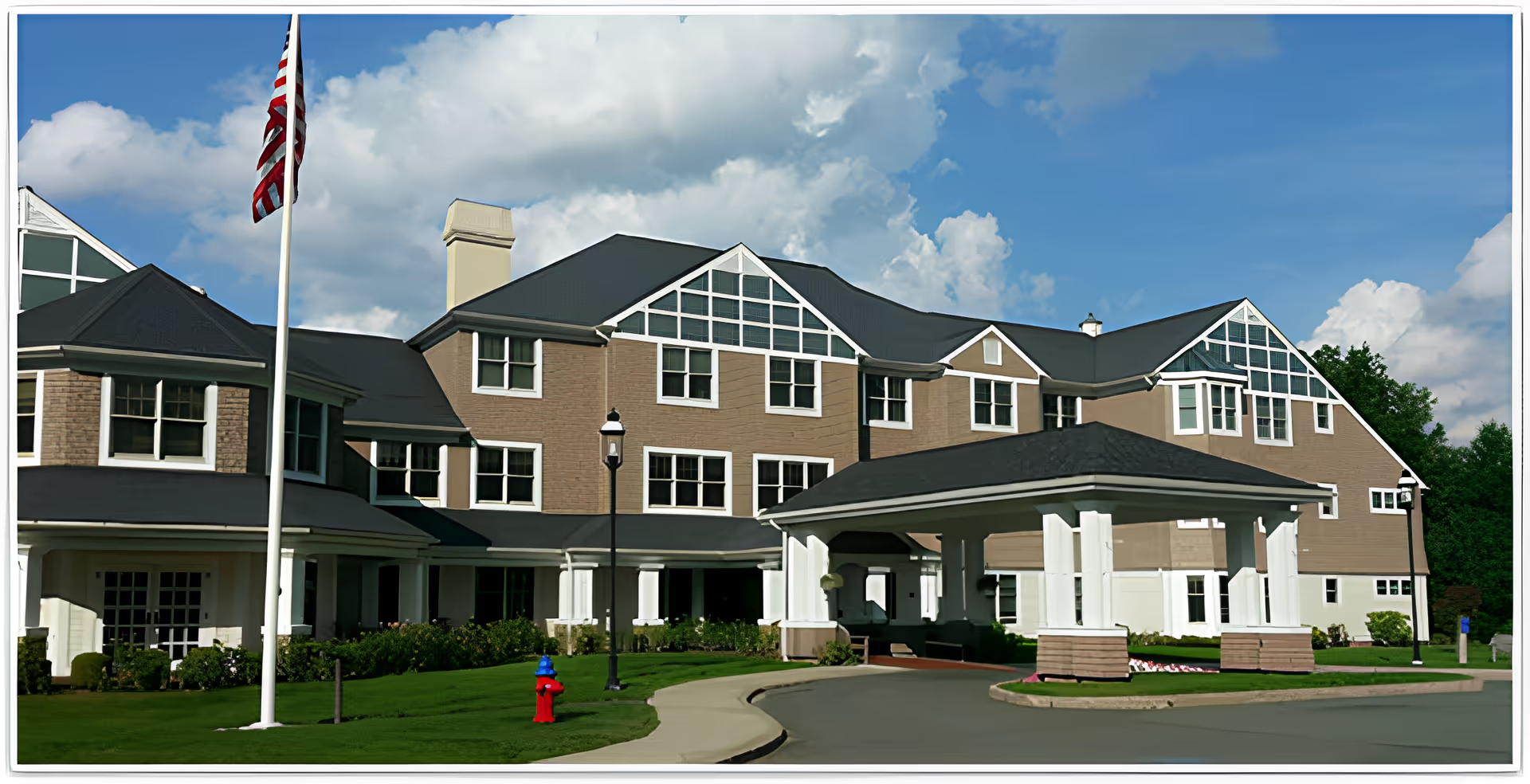
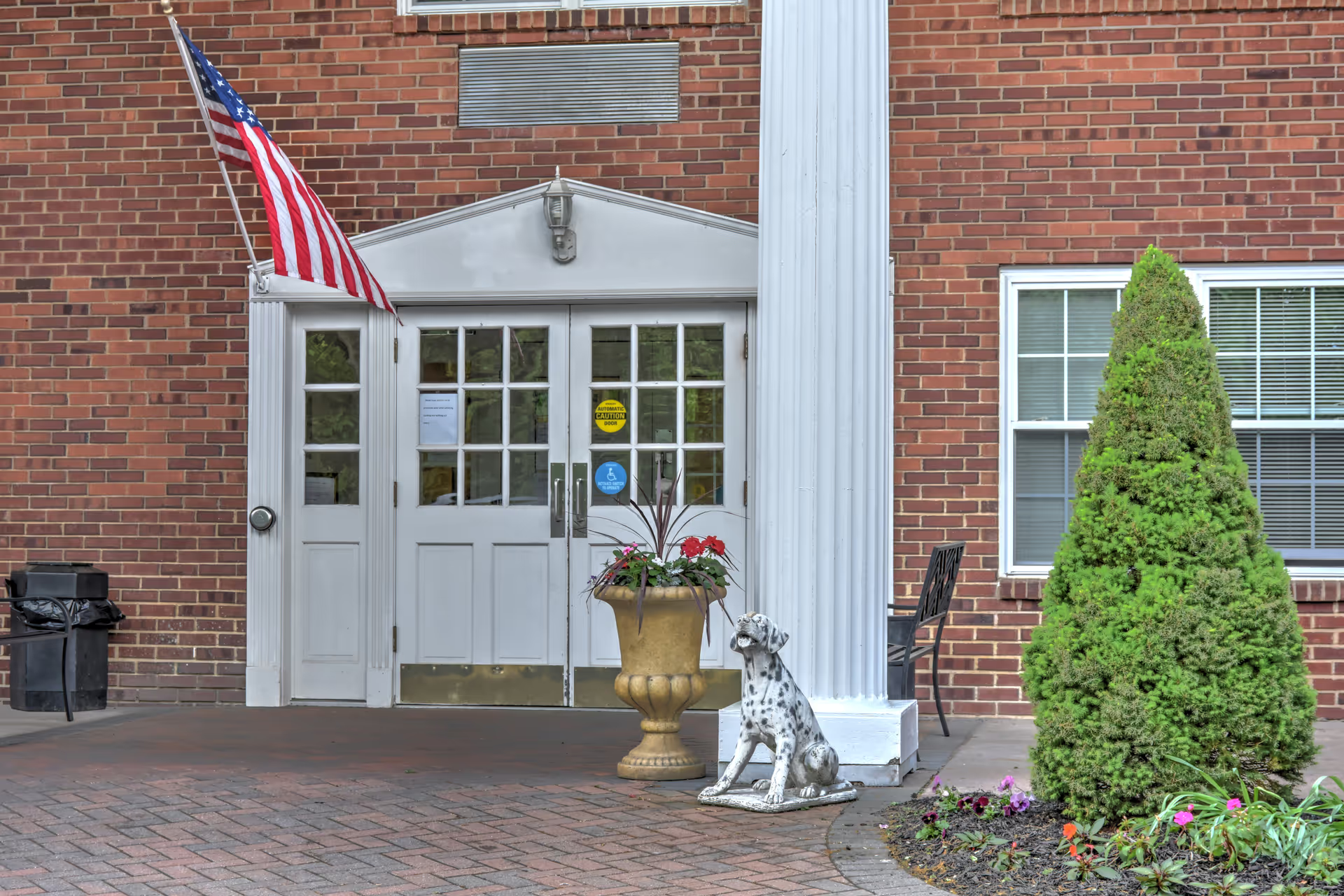
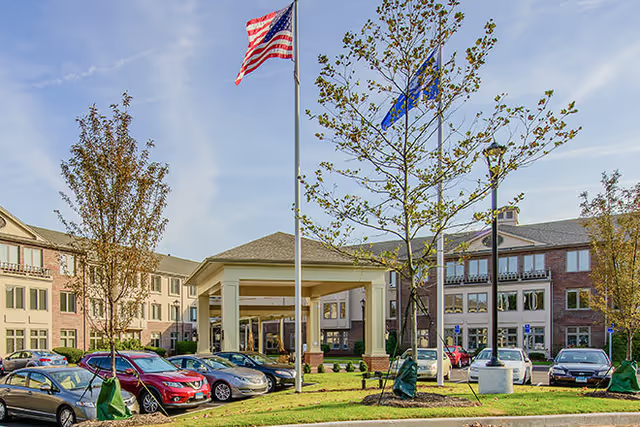
Belden Forest Court appears to be a small independent-living community (approximately 44 units) that offers studio-style apartments with separate sleeping areas and several light-support services. Strengths highlighted consistently include on-site staff availability, weekly unit housekeeping and linen service, emergency-call capability, and a program of regular activities with reminders. The campus features dedicated activity rooms, a library, a dining area, and maintained grounds in a location close to shops and medical offices, which supports convenience for independent residents.
As an independent-living setting, clinical care needs and medical services are not a central feature in the available comments. Safety features such as emergency bells and staff living on-site were noted, and housekeeping and linen service are included at least on a weekly or biweekly basis. Several reviewers described staff as helpful and patient, and others described the manager as passionate and caring; these comments suggest that daily support and basic assistance functions (housekeeping, shopping assistance for groceries, activity coordination) are present and generally functional.
Dining is limited in scope: the community appears to have a dining area but does not provide regular meal service as part of baseline offerings. Prospective residents who prioritize congregate meals should plan for self-catering or arrange for external meal services. Activity programming is a clear feature of day-to-day life, with weekly on-site events and occasional field outings; these offerings, plus shared common spaces, support social engagement for independent residents.
Several operational concerns recur across the feedback. There is notable polarization in perceptions of management and the community atmosphere: while some praise the property manager, other accounts describe a management style that residents find controlling or intimidating. This pattern manifests as broader concerns about leadership tone, governance transparency, and resident morale. Reviewers also raised practical issues including a complex condo/ownership and fee structure that can create confusion about upfront versus monthly costs, and occasional inconsistency in staff availability for tours or admissions-related interactions.
For prospective residents and families: the facility provides many features attractive to independent-living residents—housekeeping, activities, proximity to services, and on-site staffing—but it is important to do targeted due diligence. Recommended steps include requesting a clear, written explanation of the fee and ownership model; observing staff–resident interactions during a visit (including evenings or weekends if possible); asking about formal governance and resident grievance channels; and confirming the extent of dining and personal-support services included. Those steps will help determine whether the community’s operational style and leadership fit the prospective resident’s expectations and comfort level.