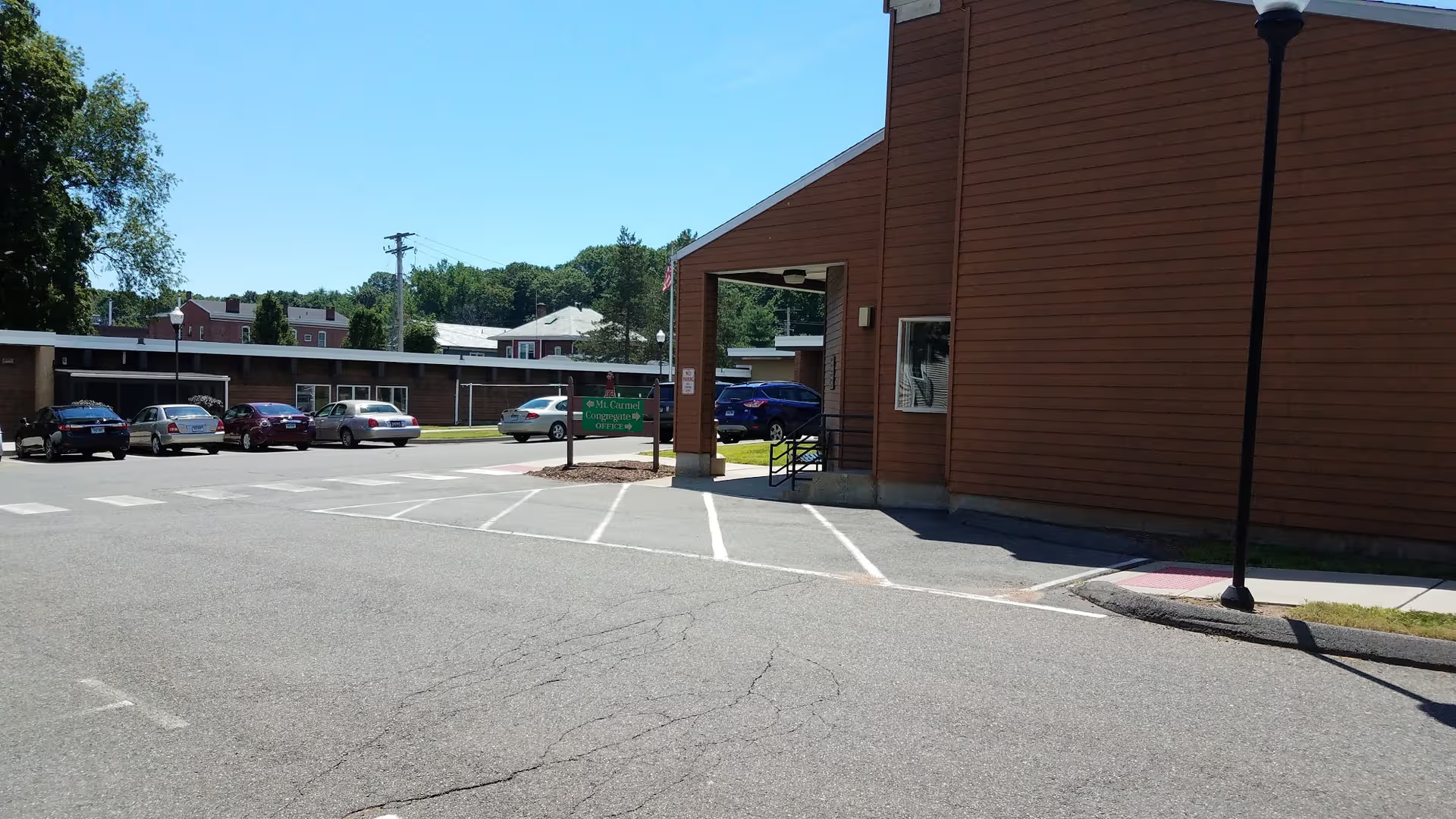
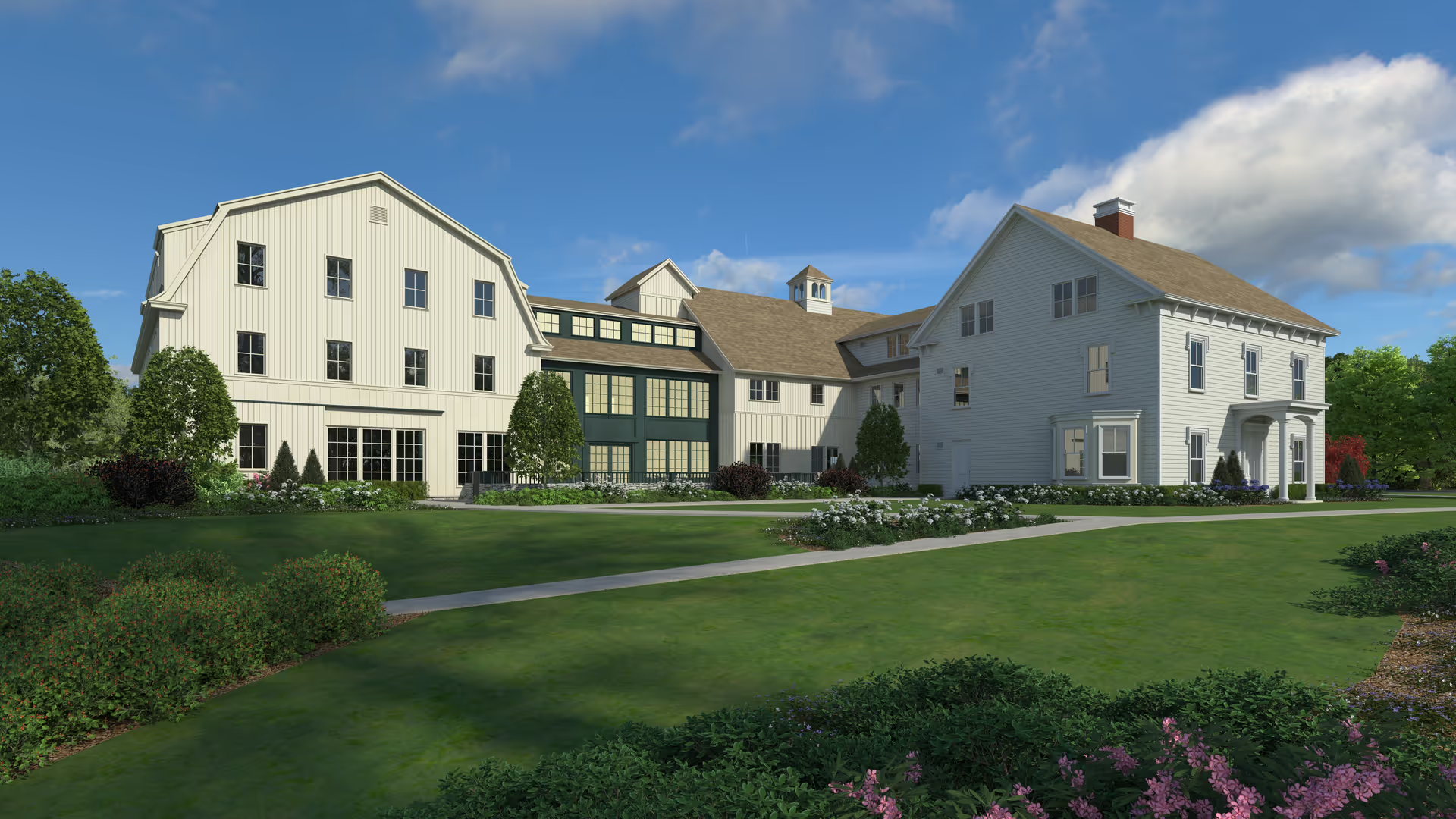
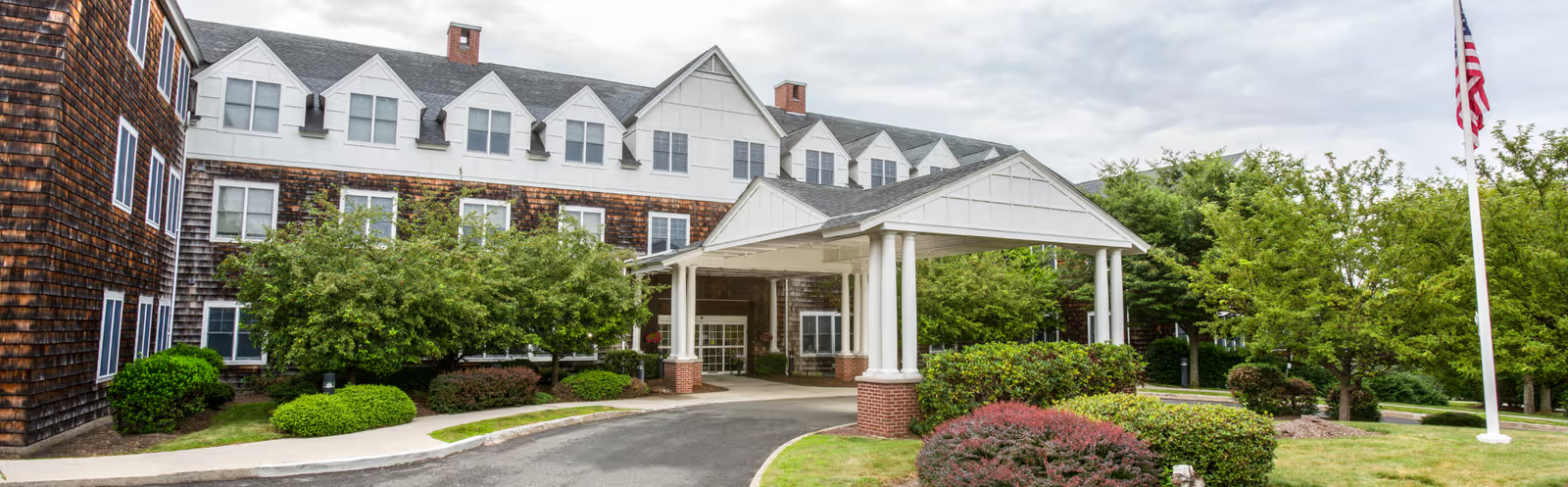
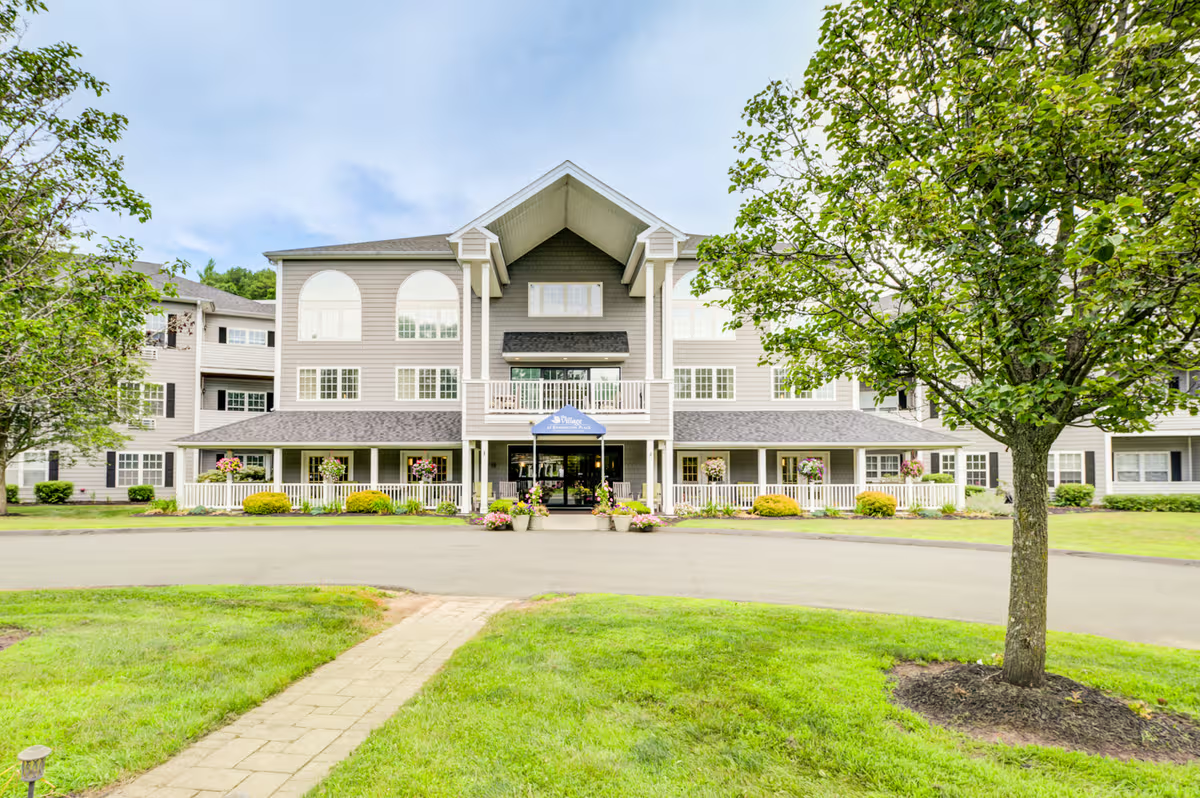
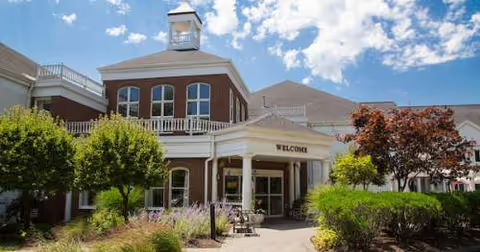
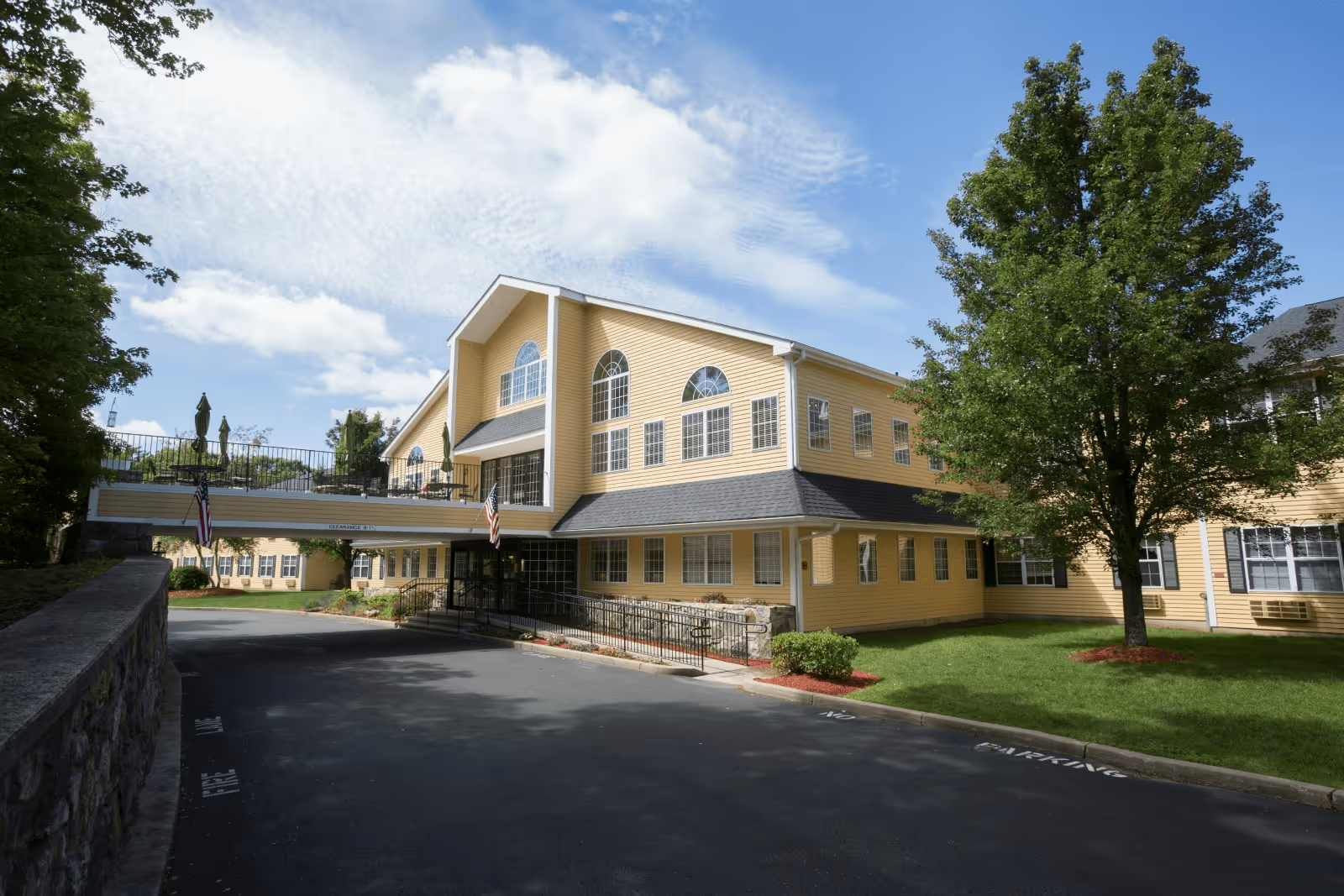
Masonicare at Ashlar Village is consistently described as a large, well-appointed campus with modern, roomy apartments and a broad range of housing choices, from independent apartments to freestanding cottages and villas. The physical plant and grounds are commonly praised: reviewers emphasize updated, clean interiors, accessible unit designs, well-kept walking trails, water features, and a range of on-site amenities including a gym, salon, small shops, a movie theater, and dining spaces. Many families and residents characterize the community as welcoming and social, with communal dining, linens and table settings in formal dining rooms, and a campus layout that supports frequent social interaction.
Dining and programming are prominent strengths. The community offers restaurant-style dining with varied menu choices and social meal service; reviewers frequently note good food quality and a variety of meal venues. Activities are broad and frequent, covering fitness classes, arts and music, games, live entertainment, excursions, and special events (for example themed days and weekend programming). Transportation services for appointments and trips are available, and the campus hosts regular programming in auditoriums and smaller activity spaces, which supports ongoing mental, physical, and social engagement.
Clinical and support services are generally available on-site, including skilled nursing and hospice care. Several reviewers praised attentive clinical staff, knowledgeable nurses and aides, and the presence of 24/7 caregiving/security coverage. Housekeeping, maintenance, and routine services (utilities included in many fee structures, scheduled housekeeping) are also cited as reliable, contributing to an overall sense of a well-maintained facility.
However, there are notable operational concerns that recur in reviews. Staffing consistency is an area of tension: reviewers describe variability in staffing levels and raise specific concerns about memory-care staffing adequacy. Relatedly, medication-management practices were flagged as inconsistent in a number of accounts, which families should consider when evaluating clinical oversight. Multiple comments also reflect concerns about staff conduct and communication style, with some families describing dismissive interactions or a need for improved frontline training and supervisory oversight. Reviewers also noted reduced responsiveness during off-hours or night shifts, which can affect families seeking dependable access at all times.
Other recurring issues include variability in personal-care delivery (including incontinence-related care practices) and occasional privacy-control shortcomings tied to unsolicited on-site communications or mail handling. Cost is another consideration: some families feel that private-pay rates are comparatively high for certain levels of service. Taken together, these patterns suggest that while the campus offers strong amenities, dining, and programming and generally reliable maintenance and clinical presence, prospective residents and families should pay particular attention to staffing ratios and clinical-process details (medication administration, memory-care staffing, personal-care routines) and clarify expectations for off-hours responsiveness and privacy protections during the tour and contract discussions.
In summary, Ashlar Village presents as a high-quality, amenity-rich senior community with many strengths in living environment, dining, and activities. It has demonstrable clinical and support services on-site, but prospective residents should confirm current staffing models, medication-management protocols, training and oversight practices, and contractual cost details to ensure the community’s operational practices match their specific care expectations.