Reviews describe a facility with a broad range of experiences: several accounts highlight genuinely strong clinical care, effective rehabilitation, and compassionate end-of-life support, while other accounts describe operational and quality gaps that have significant family impact.
Care quality is variable. Many families praised individual clinicians—nurses, nursing assistants, therapists, and hospice teams—who delivered attentive, outcomes-focused care and helped residents regain mobility or receive dignified end-of-life support. At the same time, reviewers describe inconsistent nursing practice, concerns about medication management, and instances when clinical needs were not met in a timely manner. This variability often maps to turnover, agency staffing, and weekend coverage, producing uneven clinical continuity across units and shifts.
Staffing and culture show a marked contrast. Positive narratives emphasize caring, individualized attention and standout caregivers who go beyond expectations. Negative narratives point to high turnover, understaffing, low morale, and occasional lapses in staff conduct or responsiveness. These patterns translate into inconsistent resident experiences: well-supported residents in some units and delayed or incomplete care in others.
Dining, activities, and daily life are similarly mixed. Multiple reviews commend an active program schedule, frequent recreational offerings, community outings, and the convenience of on-campus services (therapy, salon, medical offices). Conversely, dining quality and meal service reliability were frequently described as inconsistent—ranging from fresh meals in some reports to microwave/preheated presentation and meal interruptions in others.
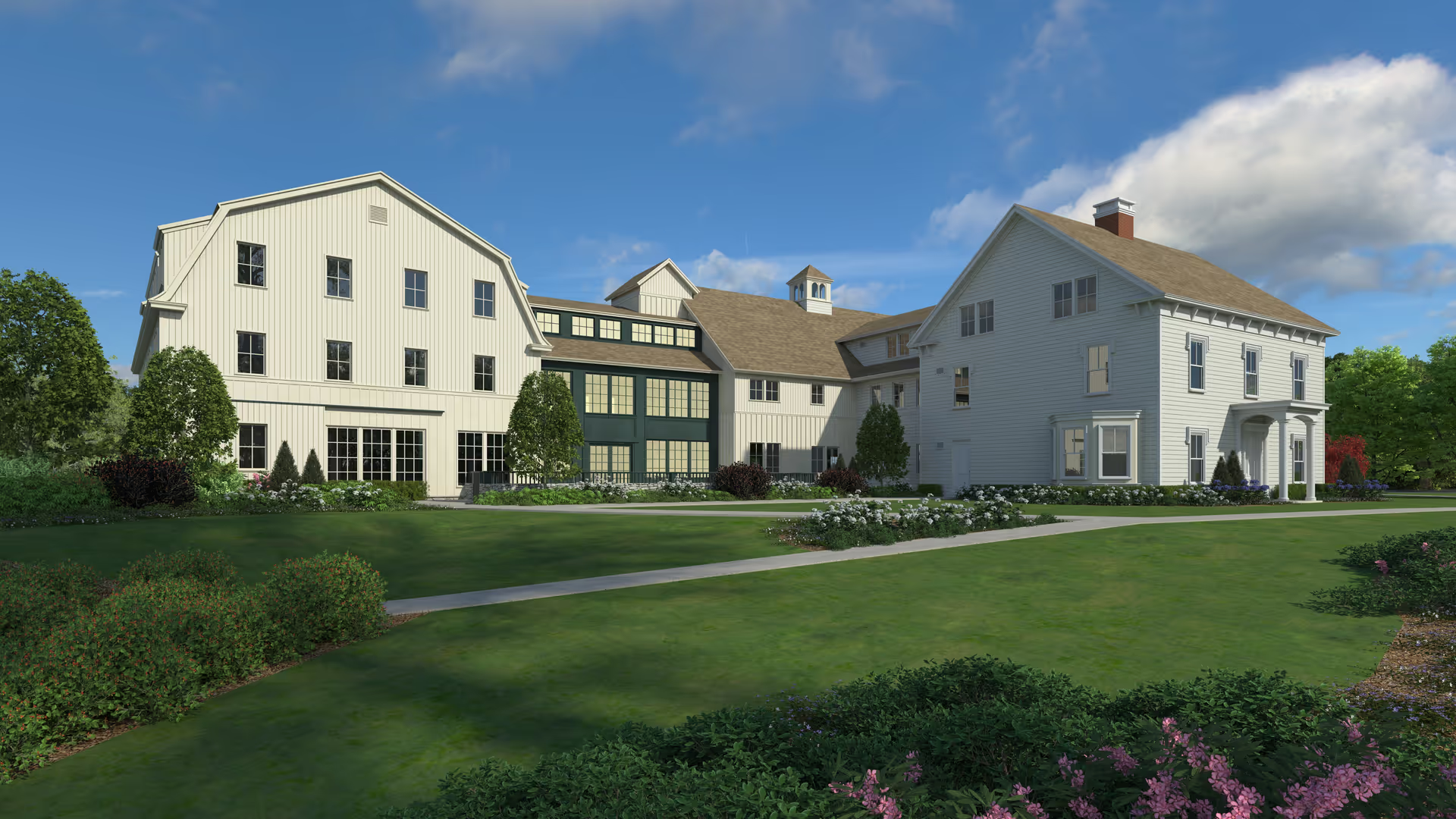
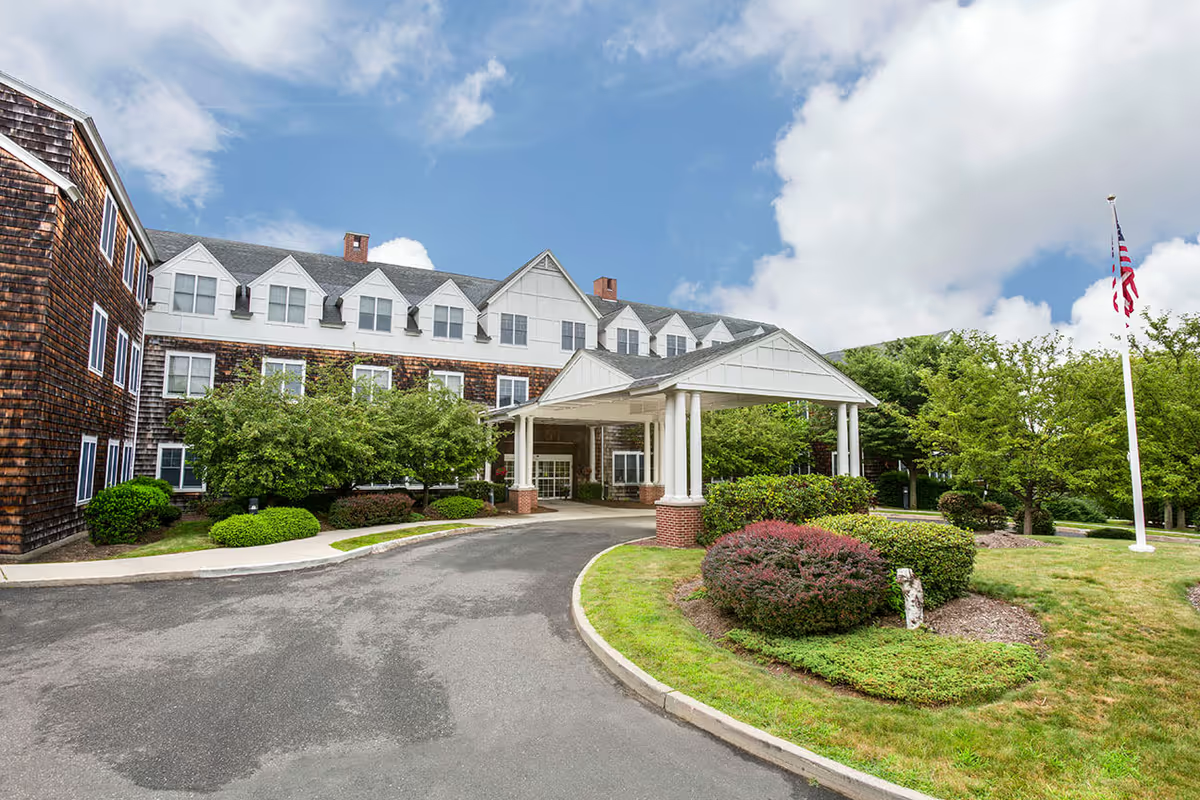
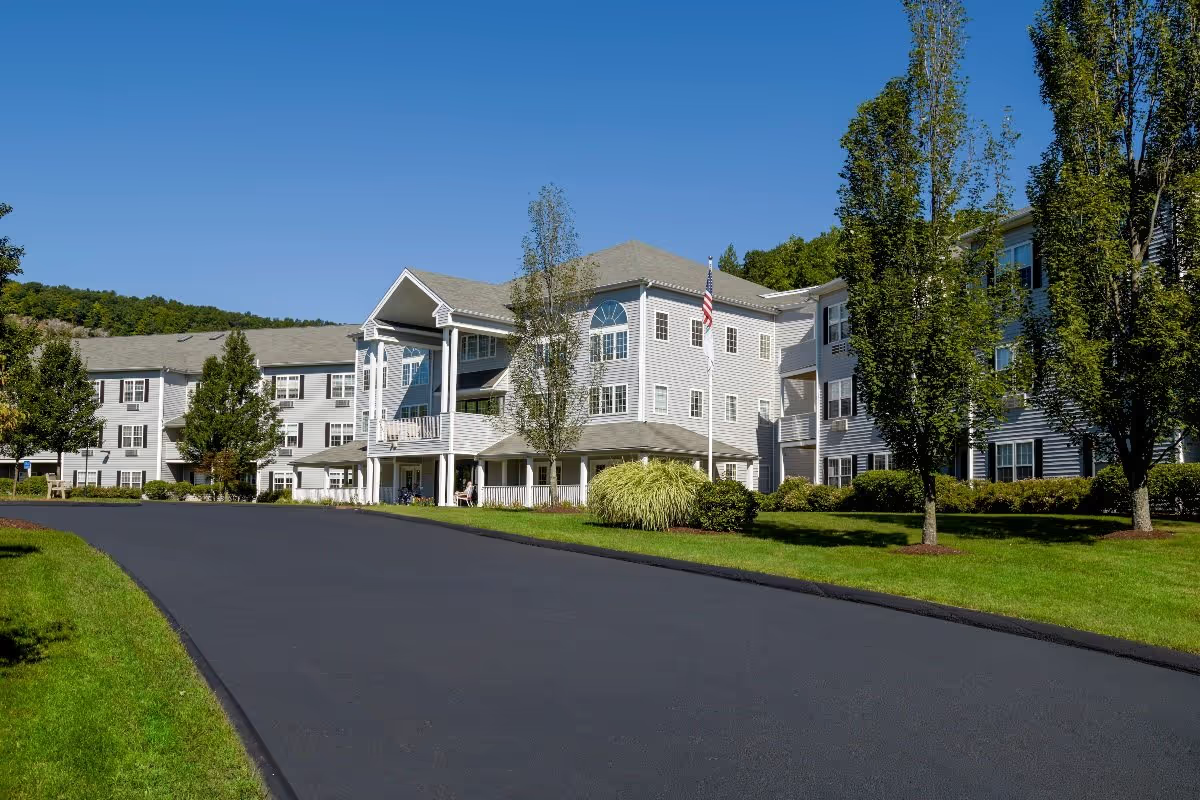
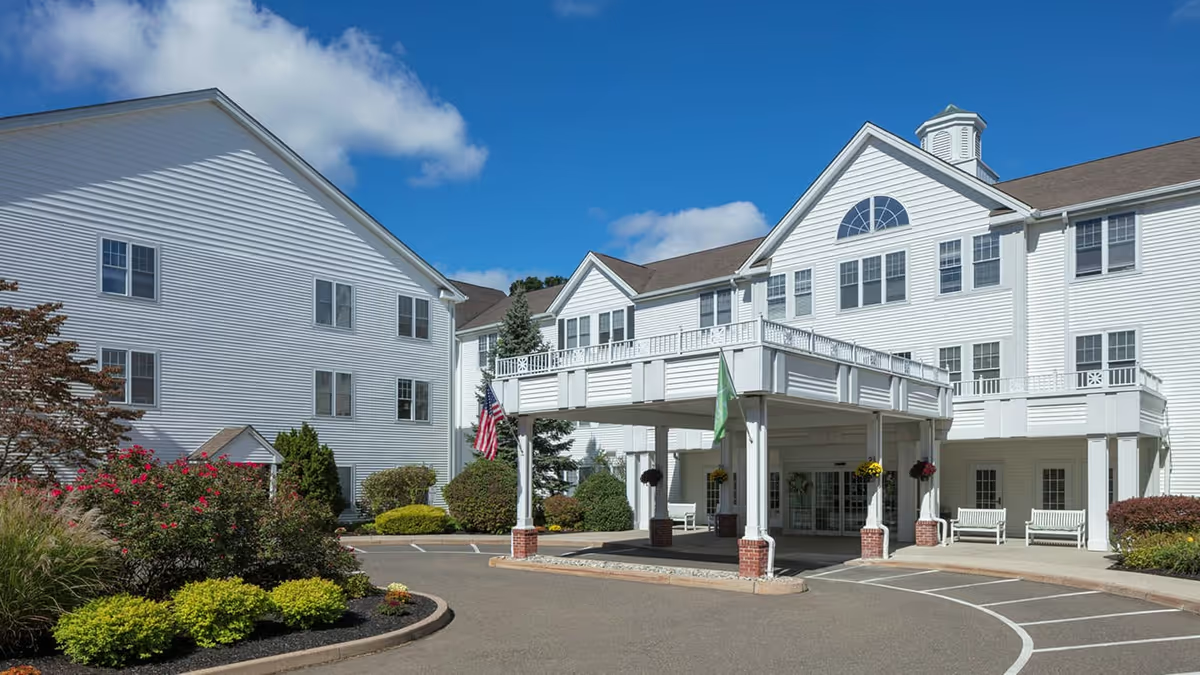
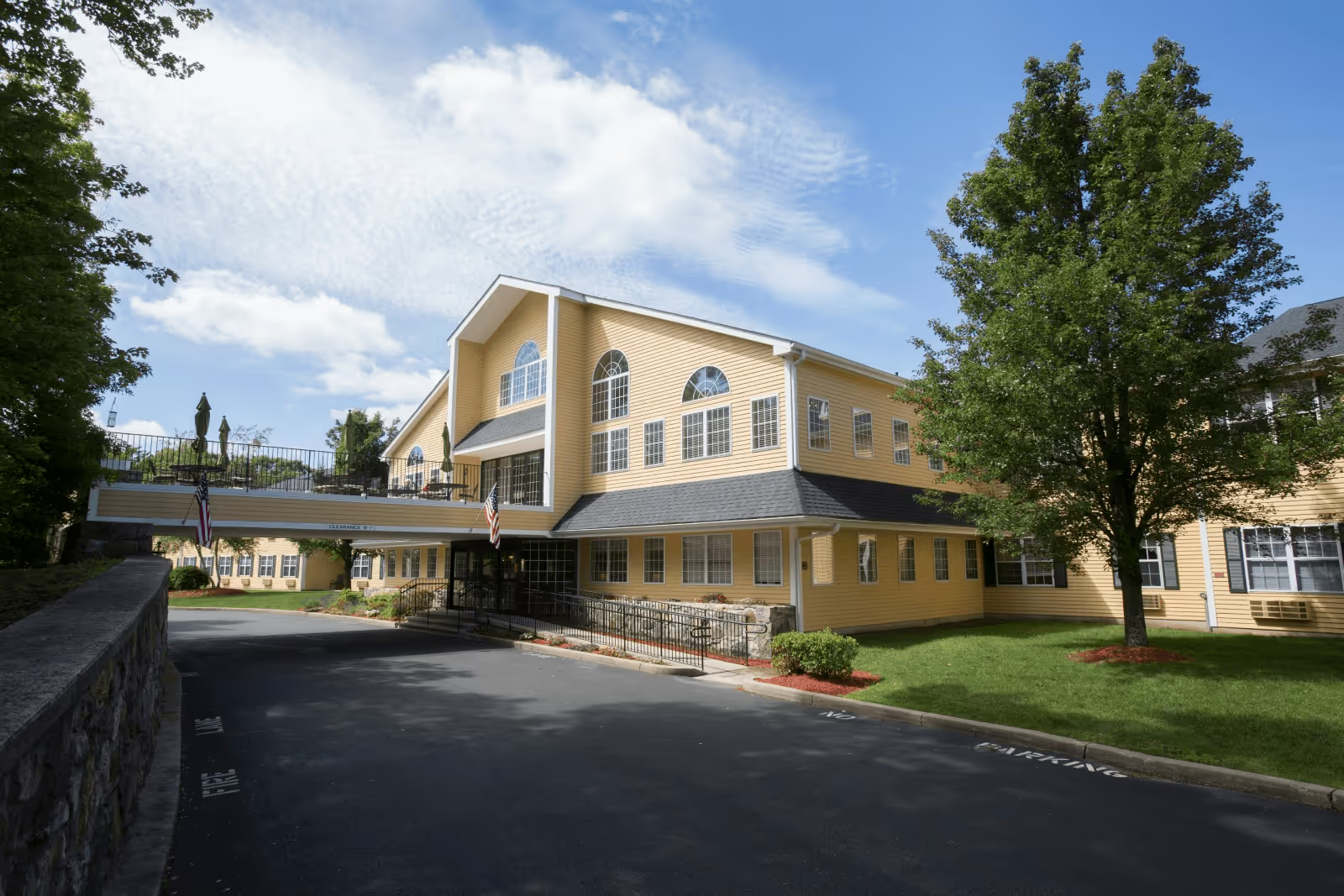
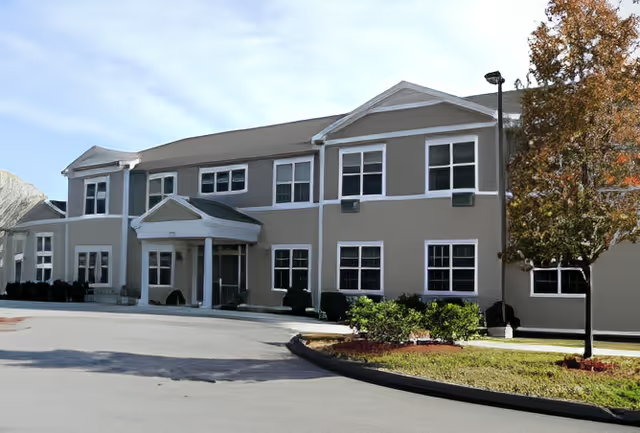
Facilities and environment are heterogeneous. Portions of the campus have been renovated, with pleasant, hotel-like common areas and attractive rooms; other areas show aging infrastructure, cleanliness concerns, and maintenance issues such as worn finishes, taped elevators, and dated dining areas. Housekeeping and laundry practices were cited as strengths in some units and as sources of concern in others, including missing personal items and inventory management problems.
Management and communication are recurring themes. Families reported uneven communication about care plans, delayed or insufficient family conferences, and difficulty obtaining timely medical decision–making information. Several reviews describe challenges with discharge planning and home-care setup, as well as slow or ineffective responses from leadership on complaints and insurance or billing matters. There are also allegations concerning missing personal belongings that suggest gaps in property-management controls.
Notable patterns: variability is the dominant signal—care, staffing, cleanliness, and administrative responsiveness all appear to depend substantially on unit, shift, and individual staff. Prospective residents and families should plan for this heterogeneity: visit the specific unit, meet the interdisciplinary team assigned to the resident, ask for documented care-team assignments and communication plans, confirm discharge/home-care arrangements in writing, and verify how personal belongings and laundry are handled. Where continuity and accountability are priorities, request recent examples of unit-level staffing stability, family communication practices, and incident-notification protocols.