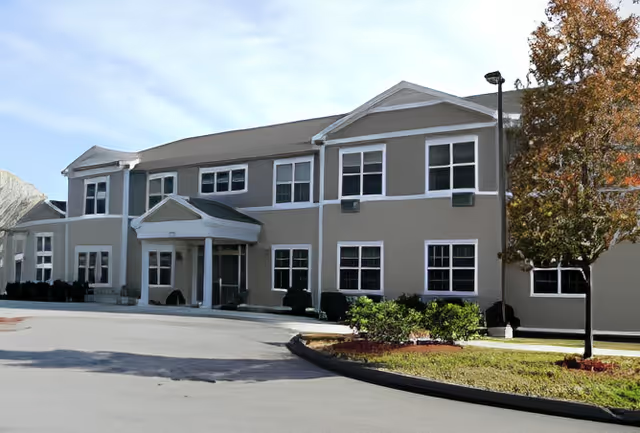
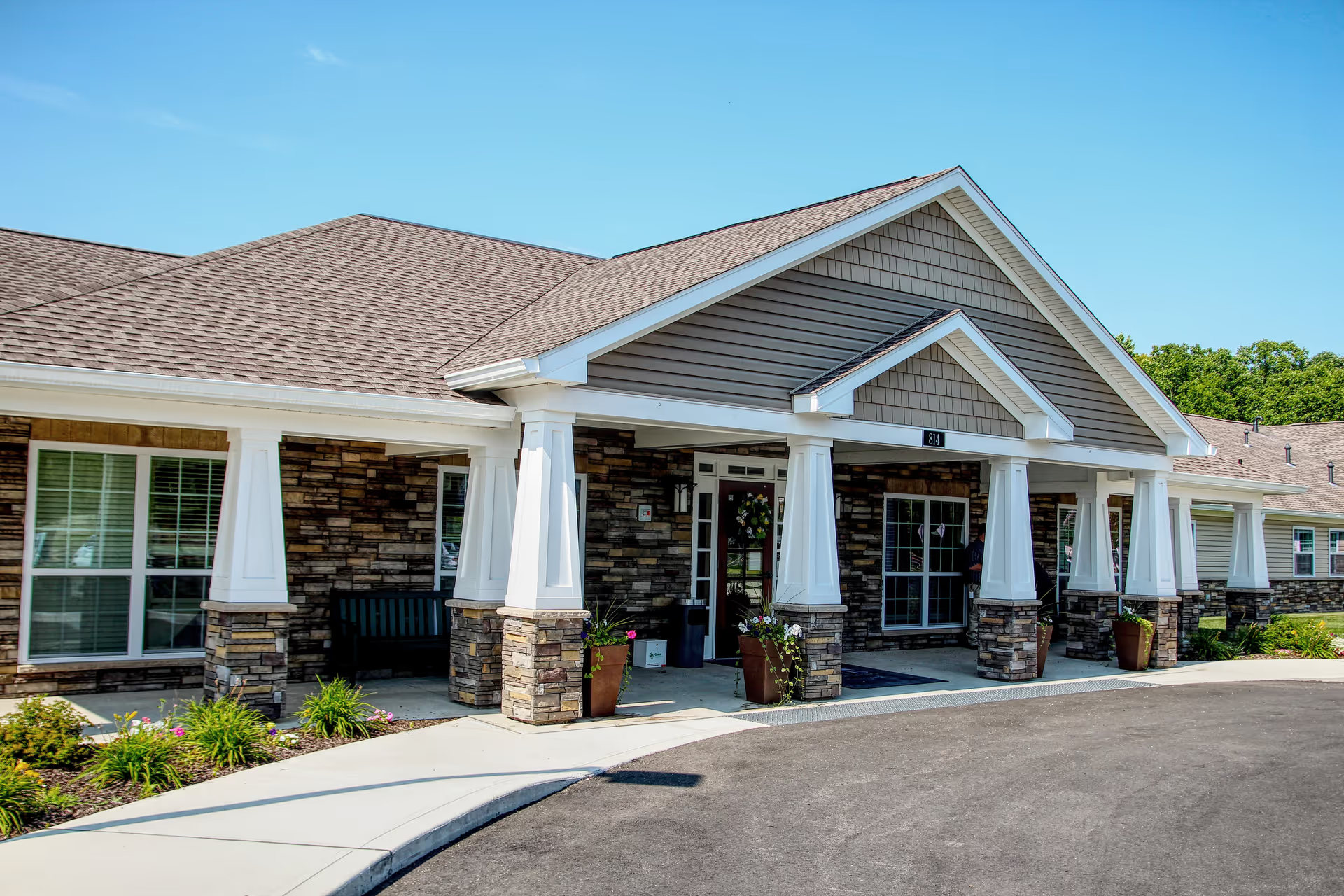
Overall impression: Regency House Health & Rehabilitation Center is frequently described as a strong option for short-term post‑operative rehabilitation and skilled nursing needs. Families and patients commonly praise the facility’s therapy programs, 24/7 clinical availability, and a compassionate care culture that creates a family‑like atmosphere. The dining program and dietary staff receive consistently high marks for food quality, variety, and accommodation of special diets. Communal spaces, cleanliness, and day‑to‑day housekeeping are often described positively, contributing to a comfortable recovery environment.
Care and staff: Reviewers emphasize the professionalism and empathy of nursing, CNAs, and therapy staff. Physical and occupational therapy teams are repeatedly credited with helping residents regain strength and discharge home. Many comments note individualized attention from named caregivers and supervisors, ongoing family communication, and strong social‑services involvement. However, a recurrent operational theme is staffing instability: turnover and short staffing after COVID are cited as contributors to delayed responses, variable aide behavior, and increased workload for remaining staff. These staffing pressures are associated with inconsistent responsiveness to call bells and occasional lapses in bedside attention.
Dining and activities: The facility’s kitchen and dining services are a clear strength. Meals are described as well‑prepared, diverse, and accommodating, with several mentions of standout items and attentive dining staff. Activity and recreation programming is also robust — offerings include music, bingo, seasonal events, coloring and other cognitive activities, and family‑inclusive occasions. These programs support resident engagement and are a noted contributor to resident satisfaction.
Facilities and safety: Many reviewers describe the building as clean, bright, and well maintained, with pleasant common areas and outdoor space. At the same time, there is some variability in room condition (several comments recommending updates) and a prevalence of shared rooms for some residents. More importantly, a subset of reviews raises concerns about fall prevention, emergency response timeliness, and overall safety practices; these indicate potential gaps in protocols or staffing that prospective families should probe. There are also occasional notes about inconsistent sanitation standards between units.
Management and processes: Admissions, discharge planning, and coordination of care receive favorable feedback for being supportive and thorough. Conversely, reviewers identify administrative and technology friction points: a few describe unhelpful front‑desk interactions, confusing menu/selection sheets, and difficulties with online processes. Medication‑management practices are an area of concern in a limited number of accounts; families are advised to review med‑administration and reconciliation procedures during intake.
Notable patterns and recommendation guidance: Regency House appears well suited for short‑term rehab and families seeking a compassionate, therapy‑focused environment with strong dining and activities. The primary operational risks to assess during a tour or intake are current staffing levels and continuity, unit‑specific cleanliness and room condition, fall‑prevention protocols and emergency response policies, and administrative processes (menu ordering, front‑desk responsiveness, and technology usability). Asking for current staffing ratios, fall‑prevention metrics, examples of recent quality‑improvement actions, and a demonstration of meal‑ordering procedures can help prospective residents and families evaluate whether the facility’s strengths align with their needs.