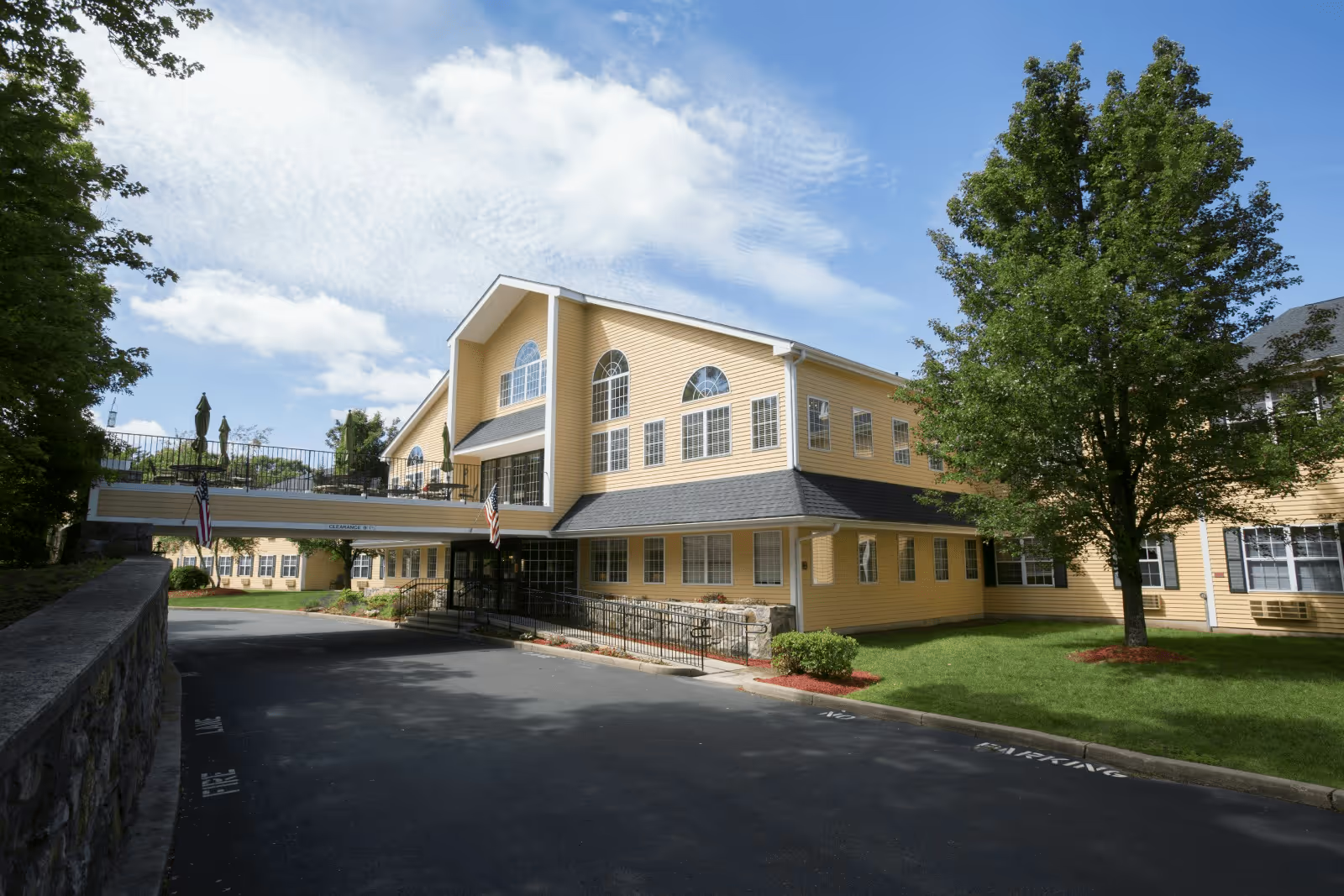
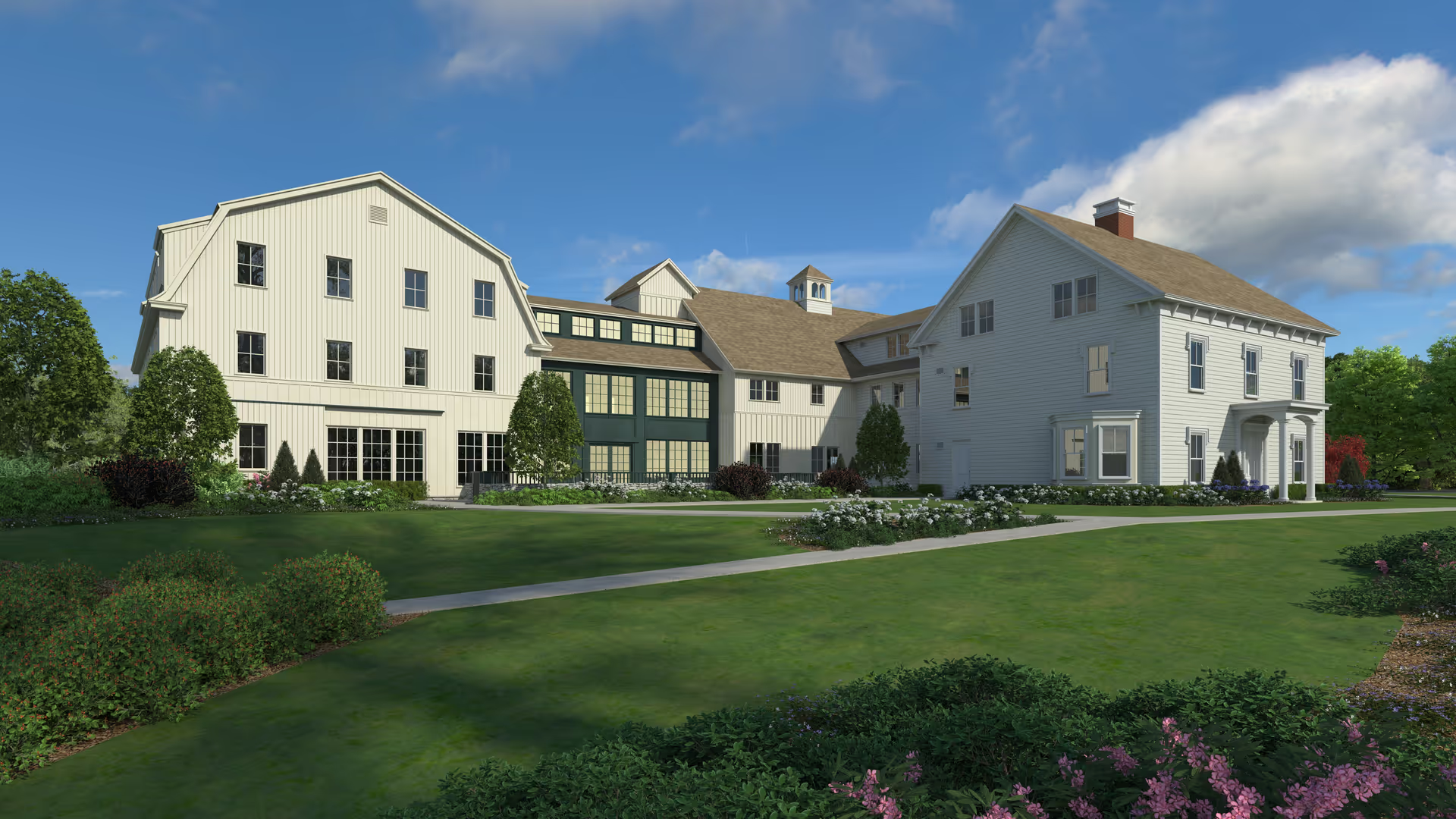
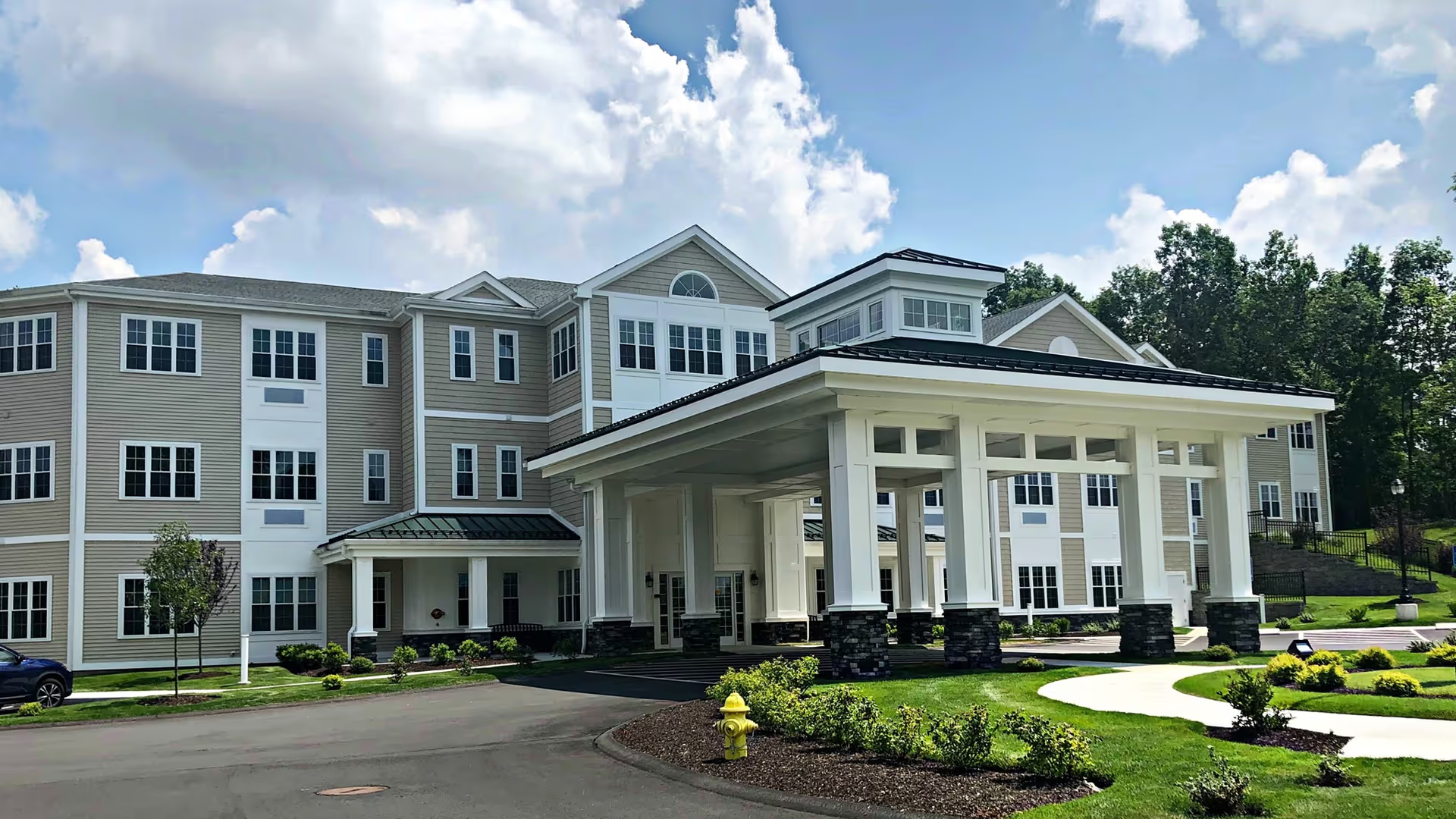
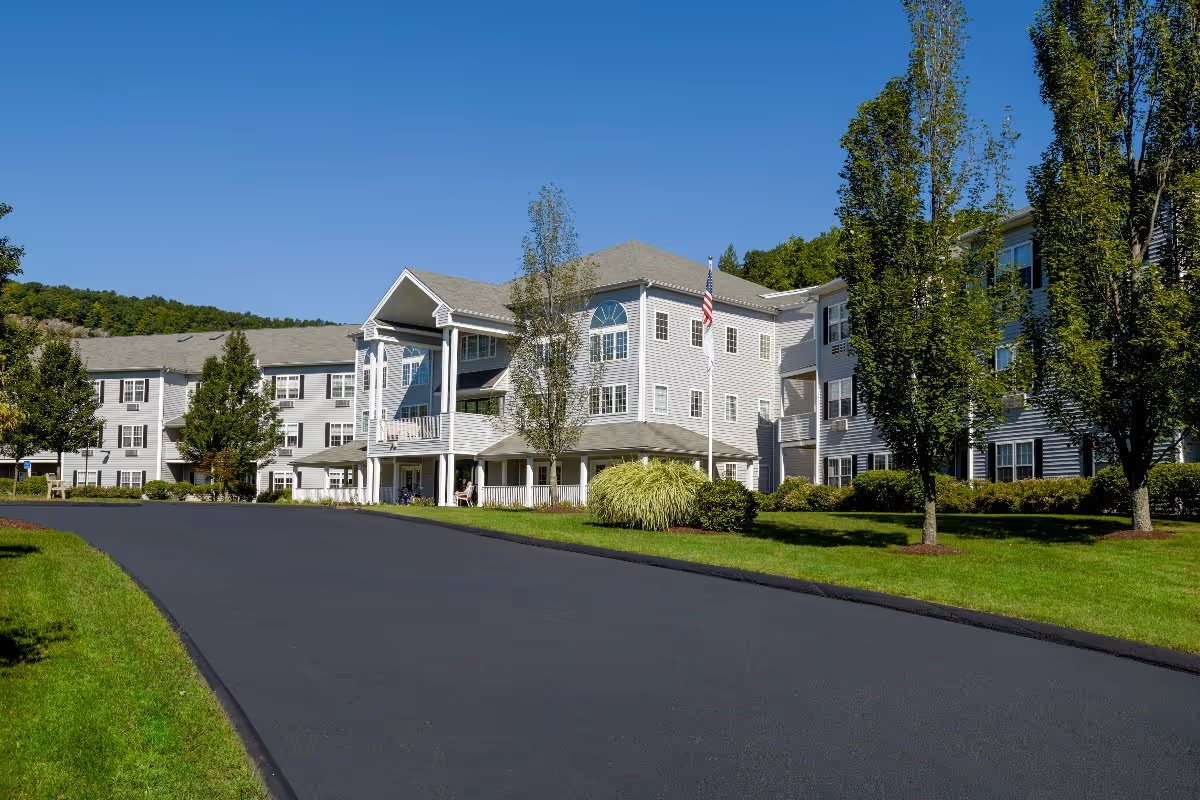
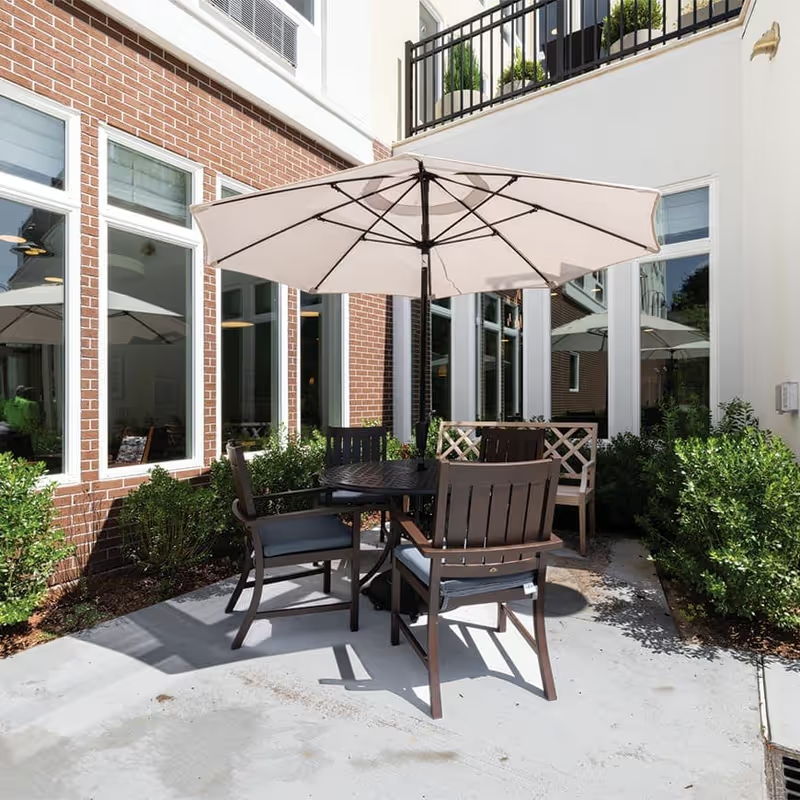
The reviews reflect a facility with notable strengths alongside significant operational inconsistencies. Many families and patients praise the clinical therapy teams, describing skilled and proactive physical and occupational therapy as a major asset for rehabilitation and outpatient services. Nursing staff and aides are frequently characterized as compassionate and attentive, and several reviewers highlight helpful social workers who smoothed admissions and follow-up. Recreational programming, volunteer visits, and a hospitable front desk contribute to an engaging daily environment. Dining receives generally positive comments for fresh bakery items and made-to-order offerings, and physical spaces are often described as clean, well-appointed, and pleasant with courtyard or garden views.
At the same time, a recurrent pattern of operational weaknesses emerges. Staffing levels and responsiveness appear inconsistent across shifts and units; reviewers described delays in attending to basic needs and in administering pain medication. Communication with families and with facility management is a common concern—examples include difficulty reaching leadership, inconsistent incident notification, and variable transparency from individual staff members. Personal-care practices such as bathing schedules and assistance for toileting and denture needs are described as uneven, suggesting gaps in routine care processes.
Safety- and process-focused issues are also present. Several comments point to equipment- and transfer-safety process gaps (misplaced wheelchairs, improperly adjusted transit chairs), medication-reconciliation and transport medication errors, and questions about infection-control practices. Sanitation concerns and pest-control issues were raised in specific locations, and some areas were described as less well maintained or noisy due to traffic. A small number of serious allegations — including claims about delayed emergency response and concerns following a resident's death — merit careful follow-up and, where appropriate, review by authorities.
Overall, the facility appears to deliver high-quality rehabilitation and, in many cases, attentive day-to-day care, supported by strong therapy, recreation, and hospitable staff. However, variability in staffing, clinical responsiveness, hygiene/maintenance consistency, and family communication creates a mixed picture. Prospective residents and families should consider in-person visits, ask targeted questions about staffing patterns, emergency response protocols, medication reconciliation procedures, personal-care schedules, pest-control measures, and how the facility communicates incidents to families. Observing high- and low-traffic times and speaking directly with therapy, nursing leadership, and social work can help assess whether the facility’s strengths align with an individual’s clinical and safety needs.