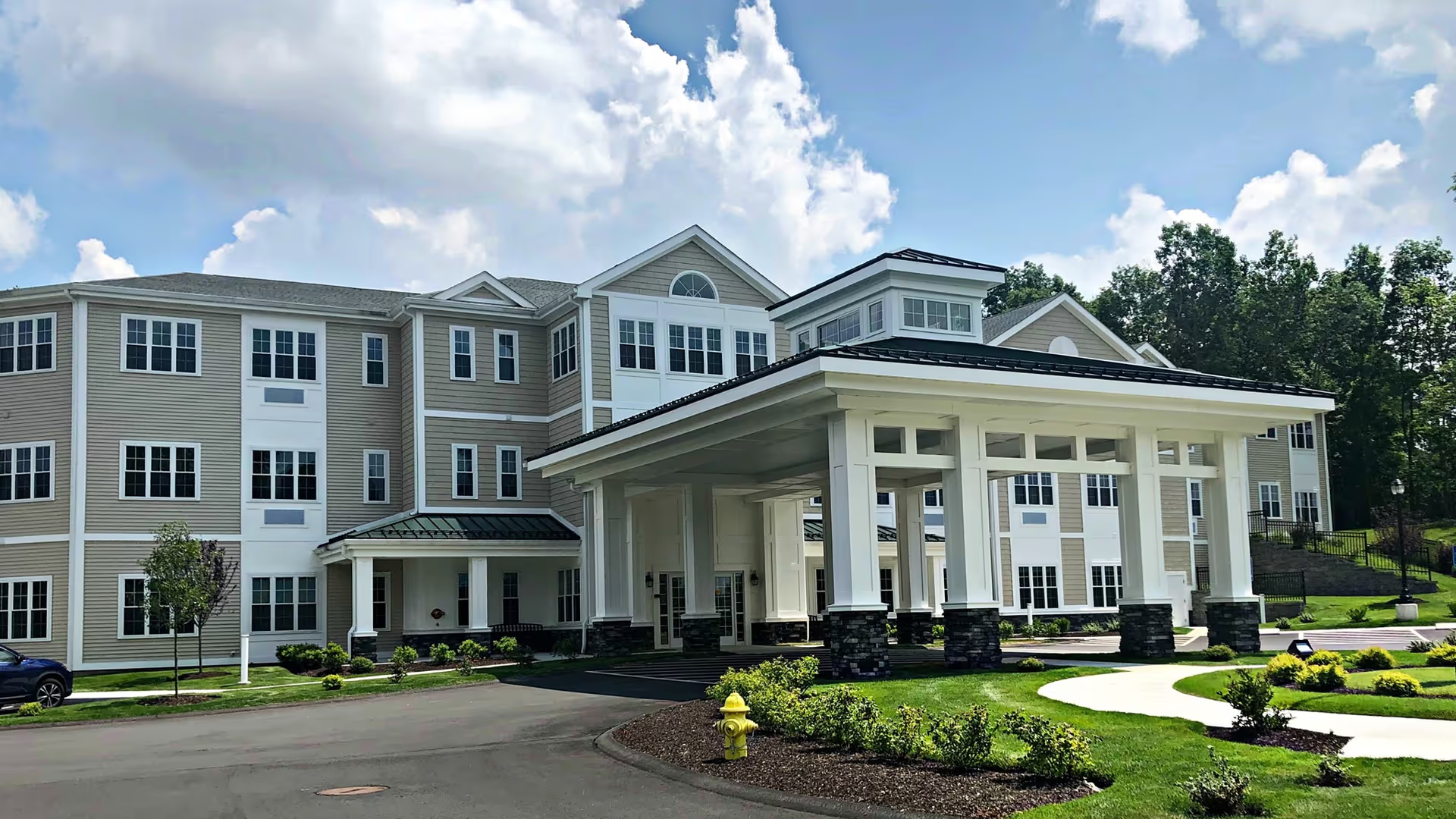
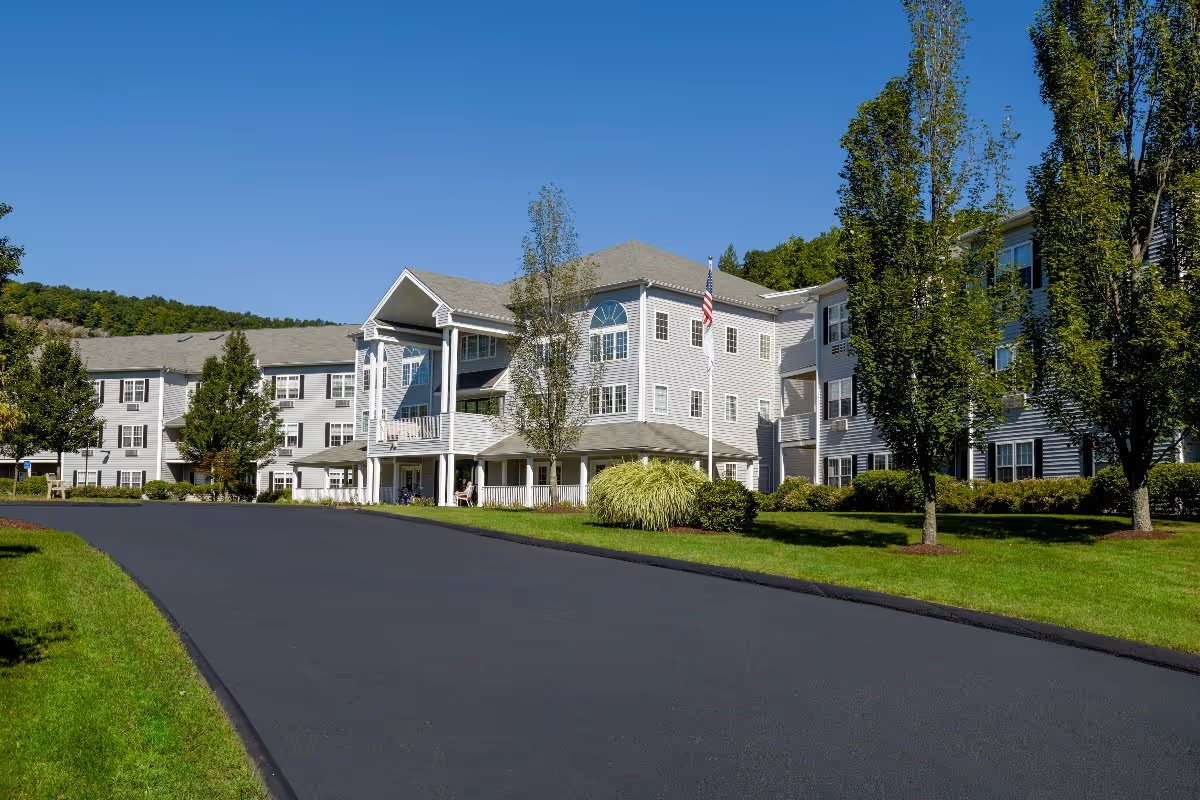
The reviews present a mixed picture of Meridian Manor Health & Rehabilitation Center, with clear pockets of strong clinical and rehabilitative performance alongside recurring operational concerns. Positive comments emphasize effective therapy services, individual staff who make residents feel cared for, and good meal quality. At the same time, several operational patterns raise questions about day-to-day care consistency and facility oversight.
Care quality appears bifurcated: short-term rehabilitation outcomes and formal therapy interventions receive favorable remarks, and some families described successful recoveries and attentive therapists. Conversely, there are consistent indications of inconsistent personal-care responsiveness — for example, delays in assisting residents with toileting and difficulties ensuring timely feeding and nourishment assistance. Reviews also point to gaps in frontline caregivers' preparedness for complex post-operative needs, suggesting variable training or assignment of responsibilities during higher-acuity transitions.
Staffing and conduct are central themes. Many accounts praise individual nurses and therapists for compassionate, family-like care, while other accounts describe concerns about professional tone, communication, and responsiveness. Communication breakdowns extend to inter-staff handoffs and family interactions, and some reviewers raised concerns about privacy protections and HIPAA-related practices. A small number of comments raised serious concerns about staff fitness-for-duty; these suggest a need for clear policies and oversight on impairment and performance management.
Dining and therapy/activities show contrasting impressions. Meal quality and the dining experience are frequently described positively, contributing to resident satisfaction. However, operational continuity around meal assistance and timely feeding appears inconsistent. Therapy programs and rehabilitation-focused activities are frequently cited as strengths, reinforcing the facility’s capacity to support short-term recovery goals.
Facilities and environment remarks are mixed but notable. Several reviewers mentioned cleanliness and sanitation shortcomings in particular areas, and there are intermittent odor and incontinence-care concerns that affect family confidence in basic environmental maintenance. These comments indicate opportunities to strengthen housekeeping protocols and routine quality checks.
Management-level themes reflect these operational gaps: staffing levels and workload allocation at the aide level, inconsistent training for post-operative care, variable enforcement of professional conduct standards, and weaknesses in privacy/confidentiality procedures. Overall, prospective residents and families should weigh the facility’s demonstrated rehabilitative strengths and praised individual caregivers against documented patterns of inconsistent frontline responsiveness, professionalism, and environmental maintenance. Management attention to staffing, training, privacy safeguards, and sanitation processes would likely address the most commonly raised issues.