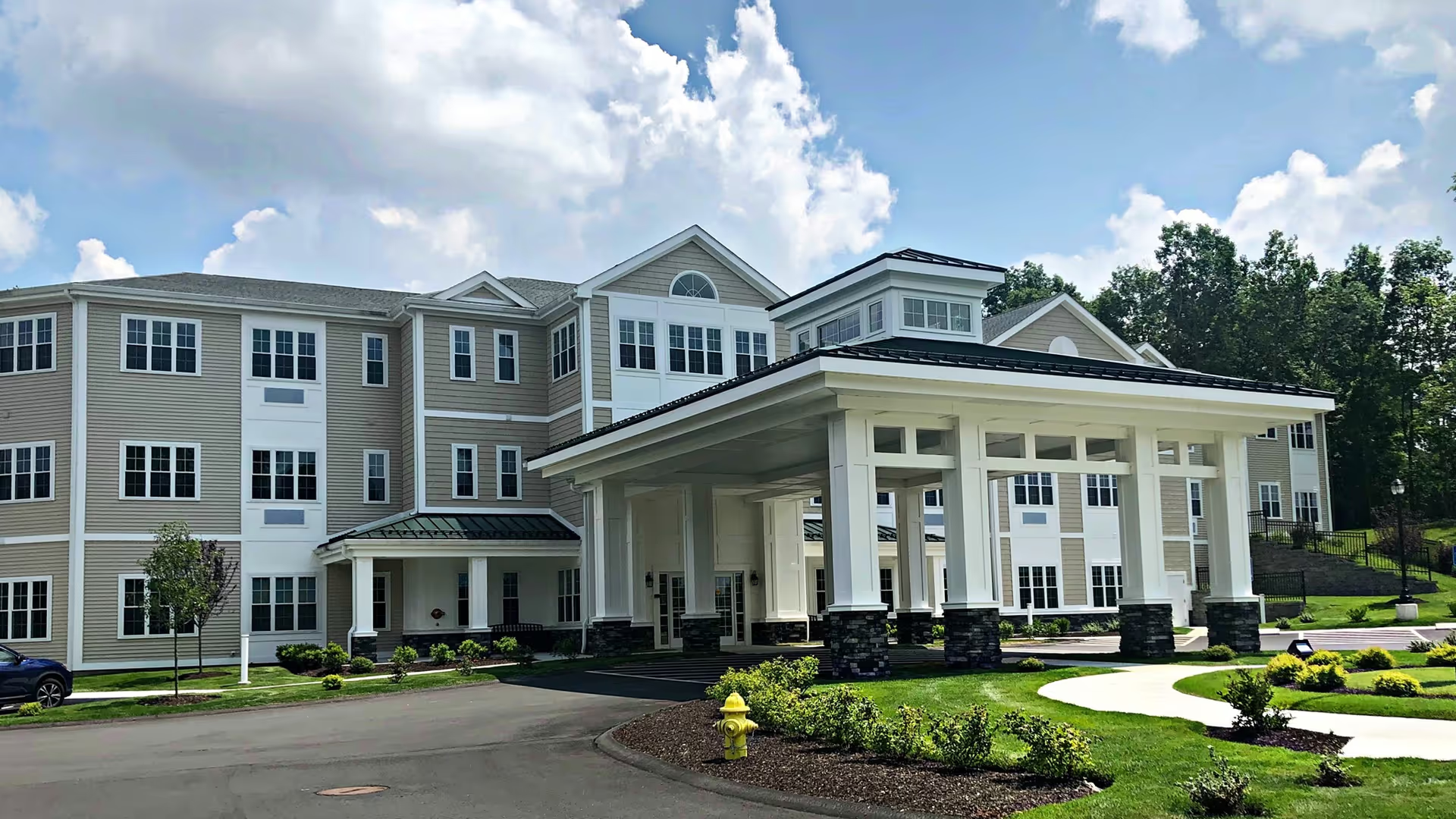
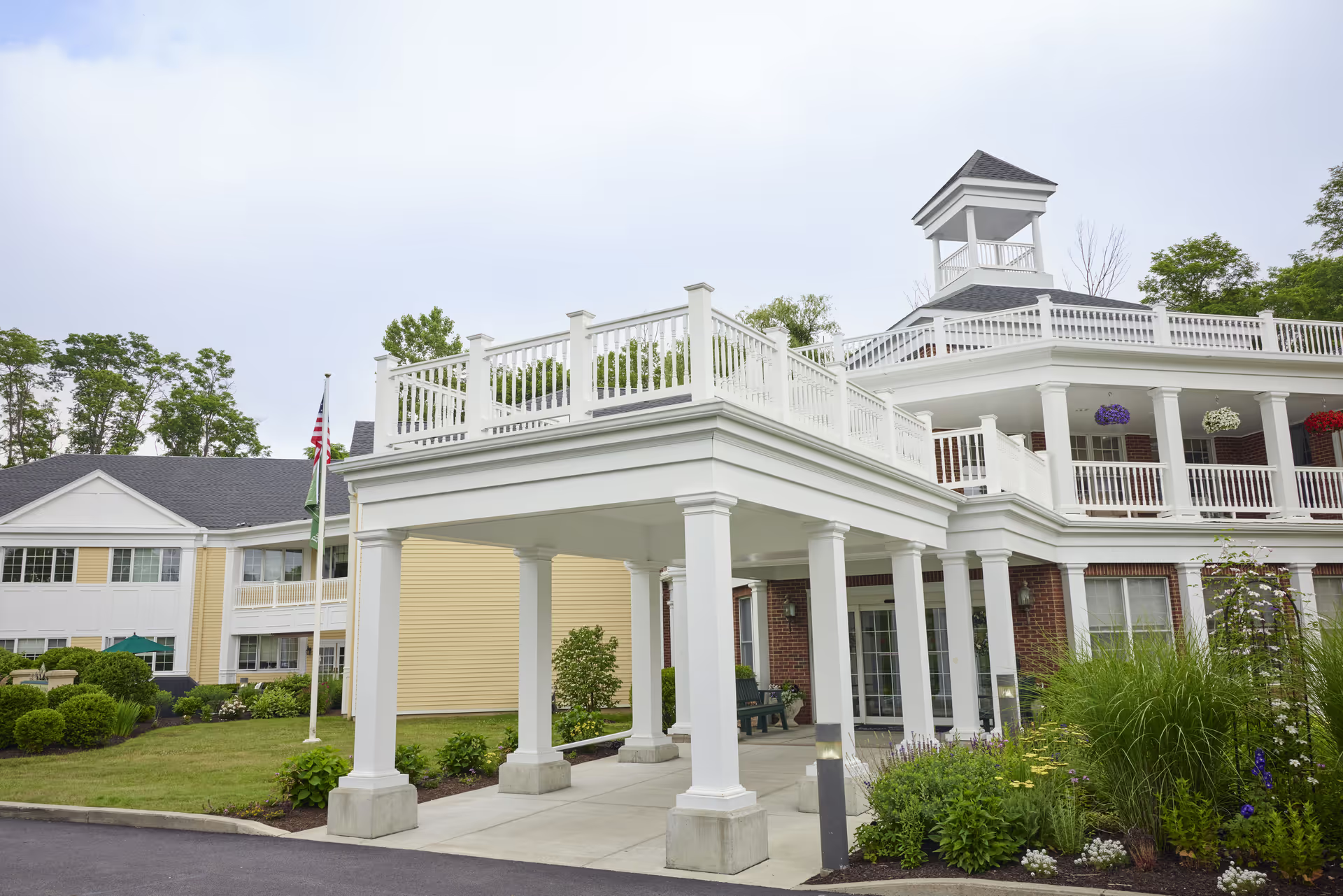
Apple Rehab Watertown elicits a mixed but patternable picture: the facility receives frequent praise for its rehabilitation services and for individual caregivers who provide attentive, compassionate care. Physical and occupational therapy are consistently identified as strengths, and many families noted meaningful clinical progress. Several reviewers described a family-like atmosphere supported by a social worker and an engaged administrator, which contributes to positive resident experiences.
Staff performance is a central and dual-natured theme. Numerous accounts commend nurses and aides for dedication, continuity of care during long shifts, and personal attention that helped residents’ morale and recovery. At the same time, chronic staffing shortages and inconsistent shift coverage are recurrent operational concerns; these shortages are associated with delays in call responses, missed routine tasks, and variability in daily care availability. Reviewers also expressed concerns about staff conduct and professionalism in certain interactions, indicating unevenness in customer-service training and supervisory oversight.
Dining and nutrition present a mixed profile. Dietary staff are frequently described as pleasant and accommodating, and some meals and heated-cart services were appreciated. However, the overall food character is often called bland or “hospital-style,” with limited menu variety and gaps in accommodations for special diets (for example, lactose-free or gluten-free options). Reviewers also noted occasional meal delivery problems, shipment delays for dietary supplies, and inconsistent portioning.
Activities and environment produced similarly mixed feedback. The activities program (bingo, art classes, movie nights) and outdoor seating areas are clear positives that support quality of life. Facility condition, however, varies: while some common areas and rooms are described as clean and bright, there are repeated observations of dated decor, rusted or worn equipment, stained curtains, and maintenance needs for both interior fixtures and exterior grounds. These maintenance shortfalls contribute to perceptions of inconsistent sanitation and overall upkeep.
Management and operational processes show areas for improvement. Reviewers described confusing billing and insurance interactions, abrupt or poorly coordinated discharges, and difficulties exiting contracts. Clinical oversight concerns include limited on-site physician presence (reliance on a physician assistant), delays in point-of-care tests such as blood sugar monitoring, and occasional inconsistencies in medication handling. A subset of reviews raised safety and emergency-response concerns, including issues with evacuation procedure execution and family communication during incidents. Additionally, operational lapses around laundry and personal-property handling were noted.
In summary, prospective residents and families should weigh Apple Rehab Watertown’s clear strengths in rehabilitation care, dedicated caregivers, and activity programming against recurring operational and maintenance weaknesses. Key questions for a visit or discussion with leadership would include current staffing levels and turnover, plans for facility maintenance and sanitation, dietary accommodation capabilities, clinical oversight arrangements, emergency procedures, and contract/discharge policies. Those prioritizing strong therapy services and individualized caregiver attention may find this facility appropriate, while those requiring consistently high facility upkeep, broad dietary options, and tightly managed administrative processes should seek specific assurances before admission.