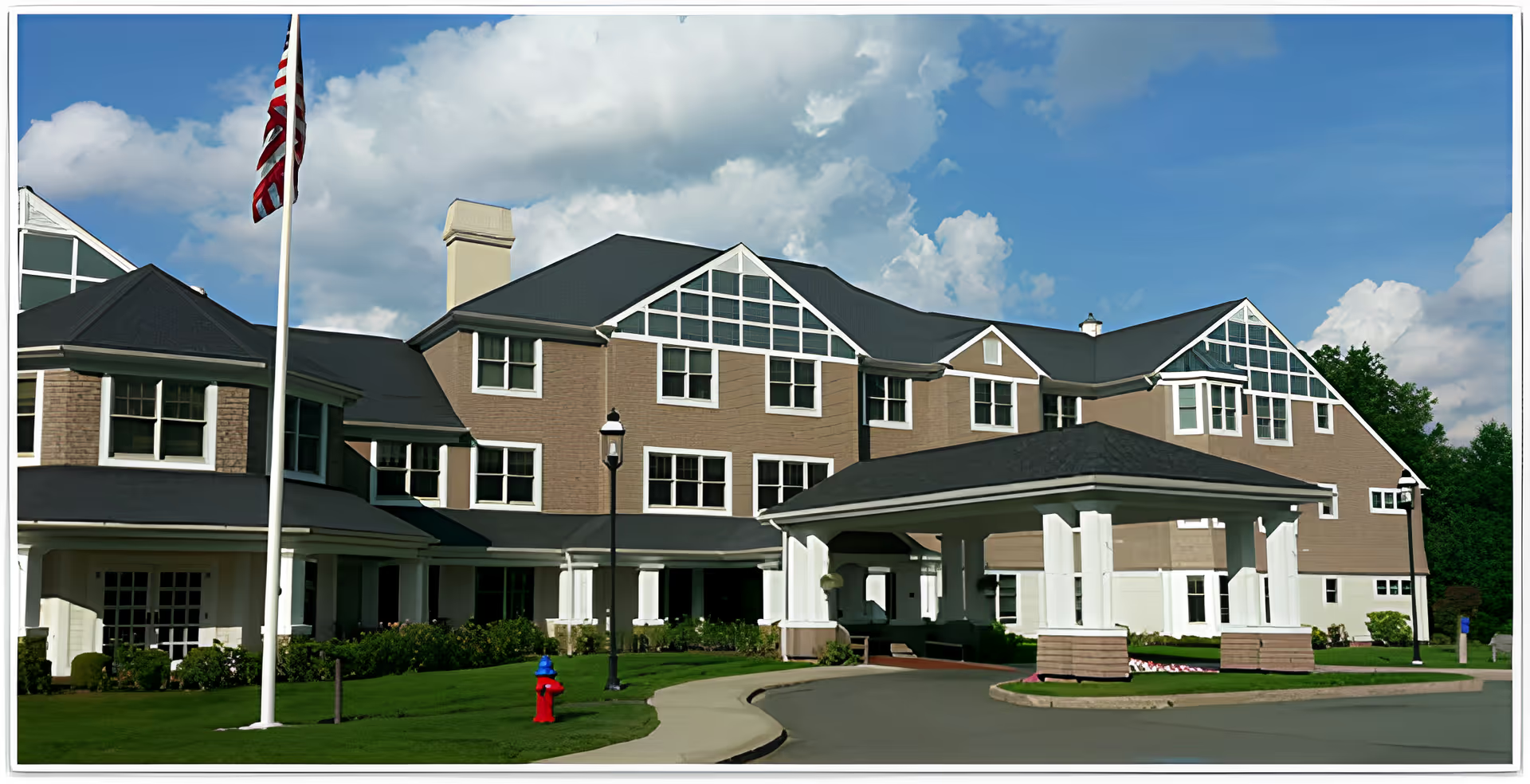
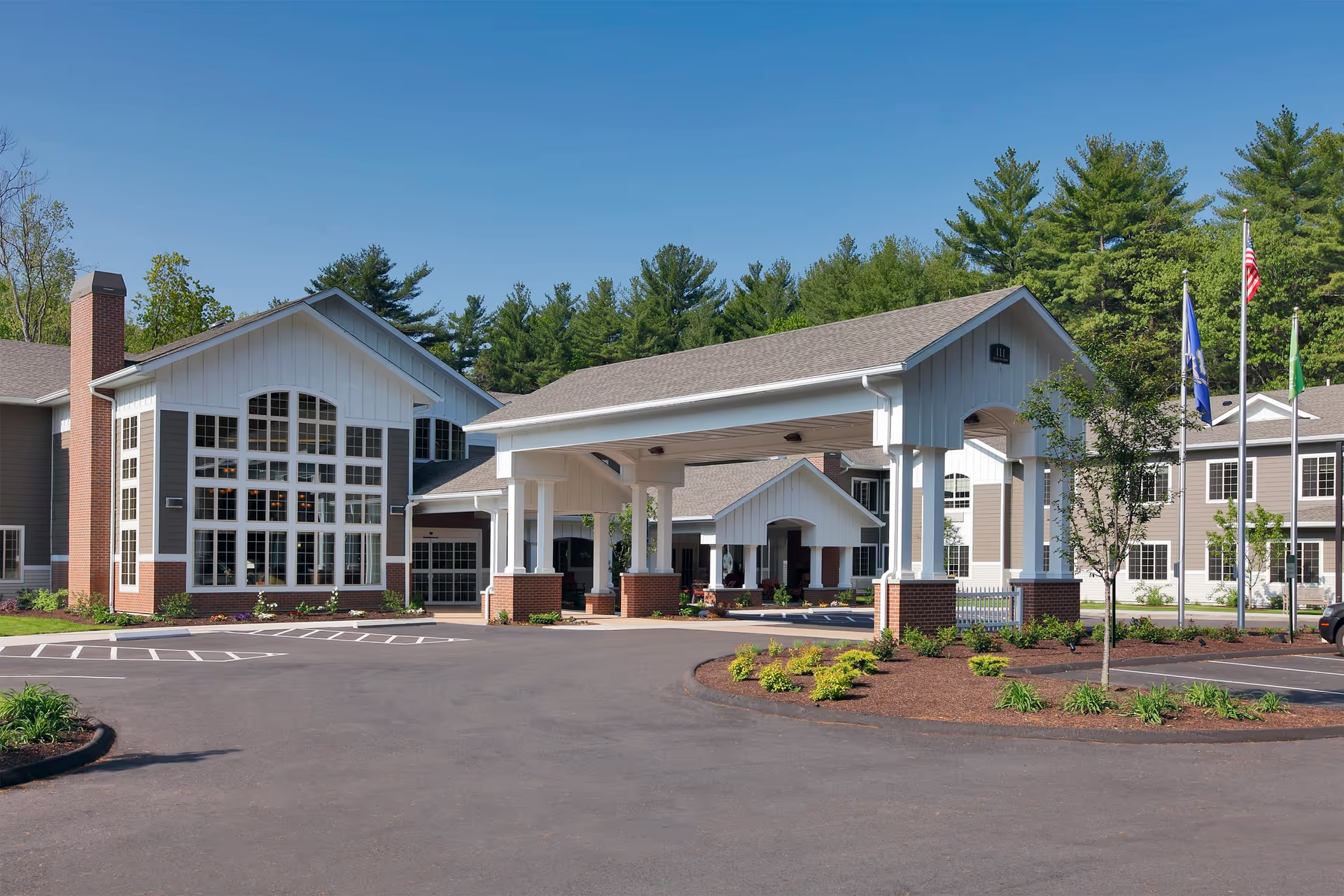
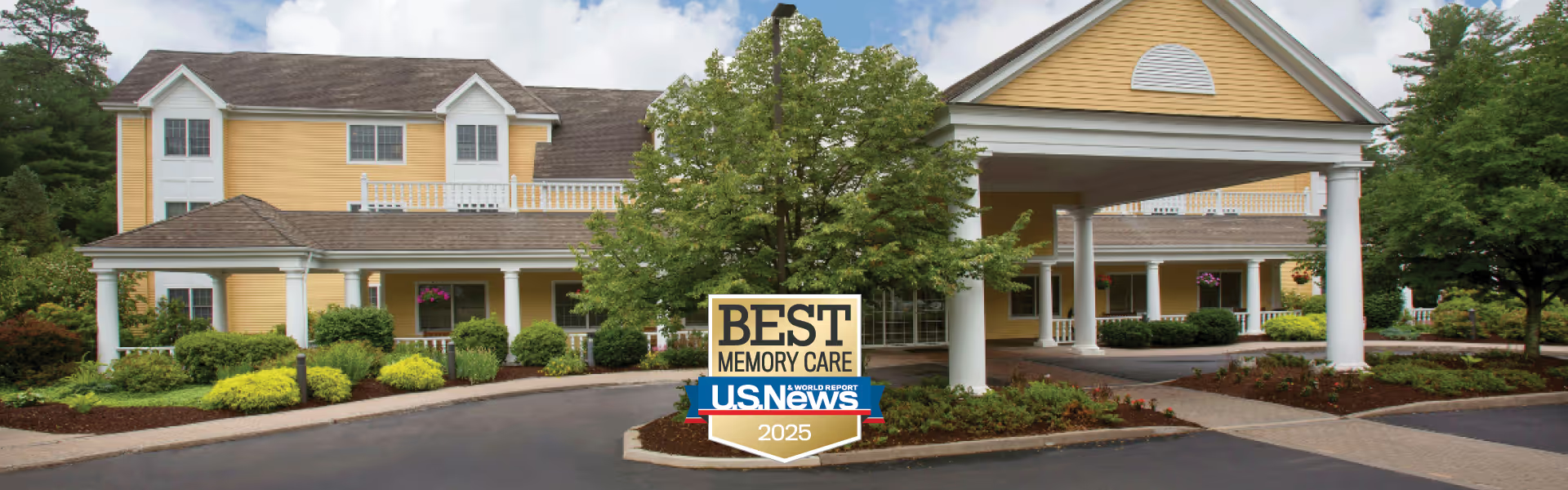
The reviews portray a facility with a pronounced split between clinical and operational strengths on one hand and recurring process and consistency problems on the other. Positive feedback centers on individual caregivers, rehabilitation outcomes, housekeeping, the physical environment, and an active activities program. Many families describe effective, empathic nurses and therapists, meaningful progress during rehab stays, engaging events (music, bingo, special celebrations), and a clean, well-appointed campus that is convenient for visitors.
Care quality is mixed. Several reviews highlight excellent therapy services and clinicians who advance functional recovery, while others describe lapses in clinical processes such as wound and pressure-injury management, catheter care, inconsistent monitoring (for example heart-monitoring or elevated glucose), and missed or delayed pain relief. Medication-administration procedures and informed-consent communication are repeatedly cited as inconsistent; this includes families noting medication changes or timing issues that were not clearly communicated. These patterns suggest variability in clinical oversight and handoffs across shifts.
Staffing and conduct are a major theme. Many reviewers praise individual nurses, therapists, and aides for dedication and skill, and a number of leaders and clinicians are singled out positively. At the same time, there are persistent complaints about understaffing, high turnover, stretched staff, slow response to call bells, and variability in staff competence and communication tone. Language barriers and uneven training are mentioned as contributors to inconsistent day-to-day care. A few reviews reference more serious concerns such as allegations of property loss and documentation discrepancies; families in those cases escalated to external advocacy or appeals.
Dining and nutrition show clear variability. Several accounts describe well-prepared, accommodating dietary staff and successful meal modifications for allergies or restrictions, but an approximately equal number report inconsistent meal quality, cold or poorly timed meals, limited snack availability, and missed dietary accommodations. Meal-service continuity and timely tray delivery appear to be operational pressure points that can affect resident satisfaction and nutrition.
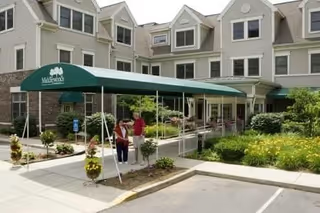
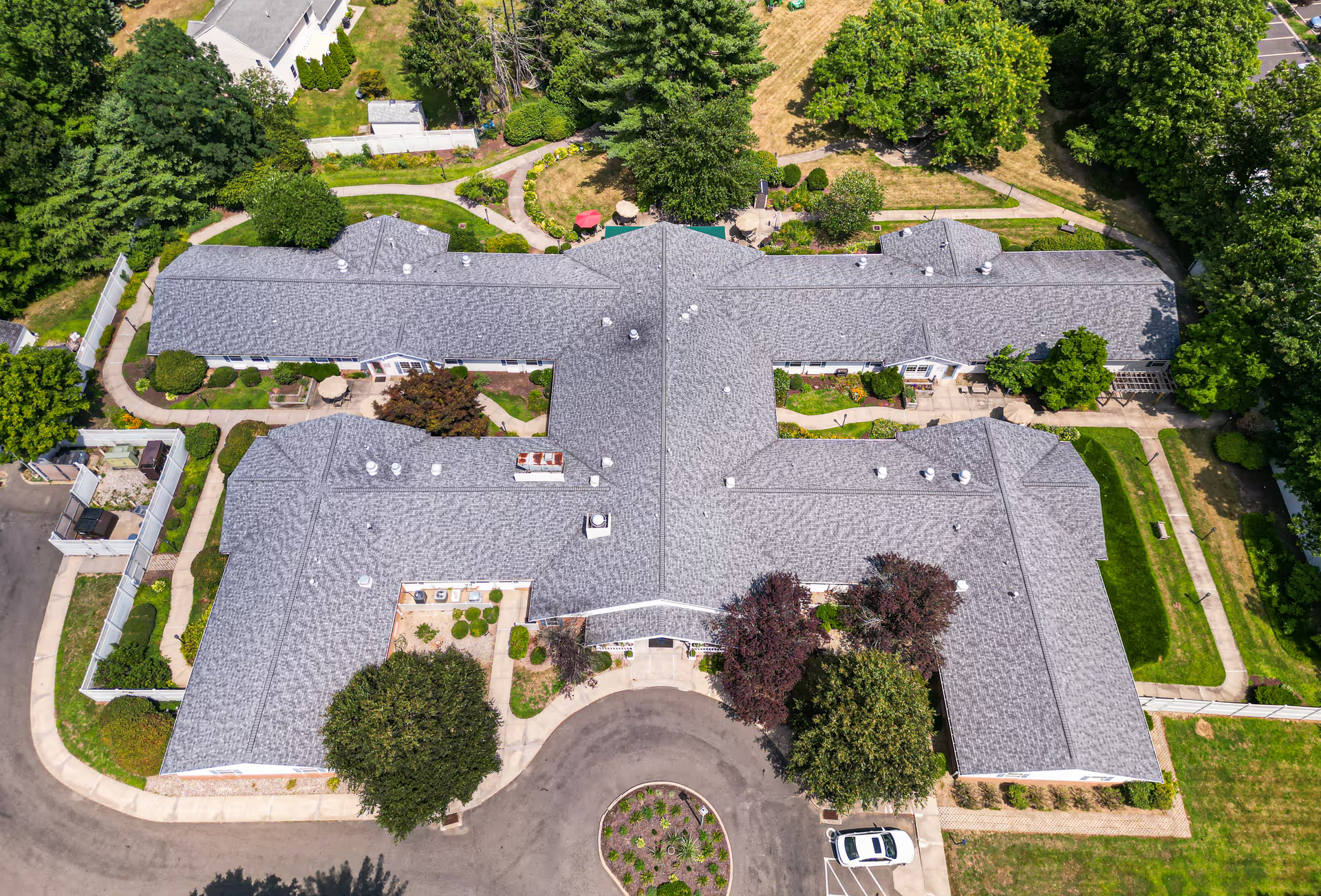
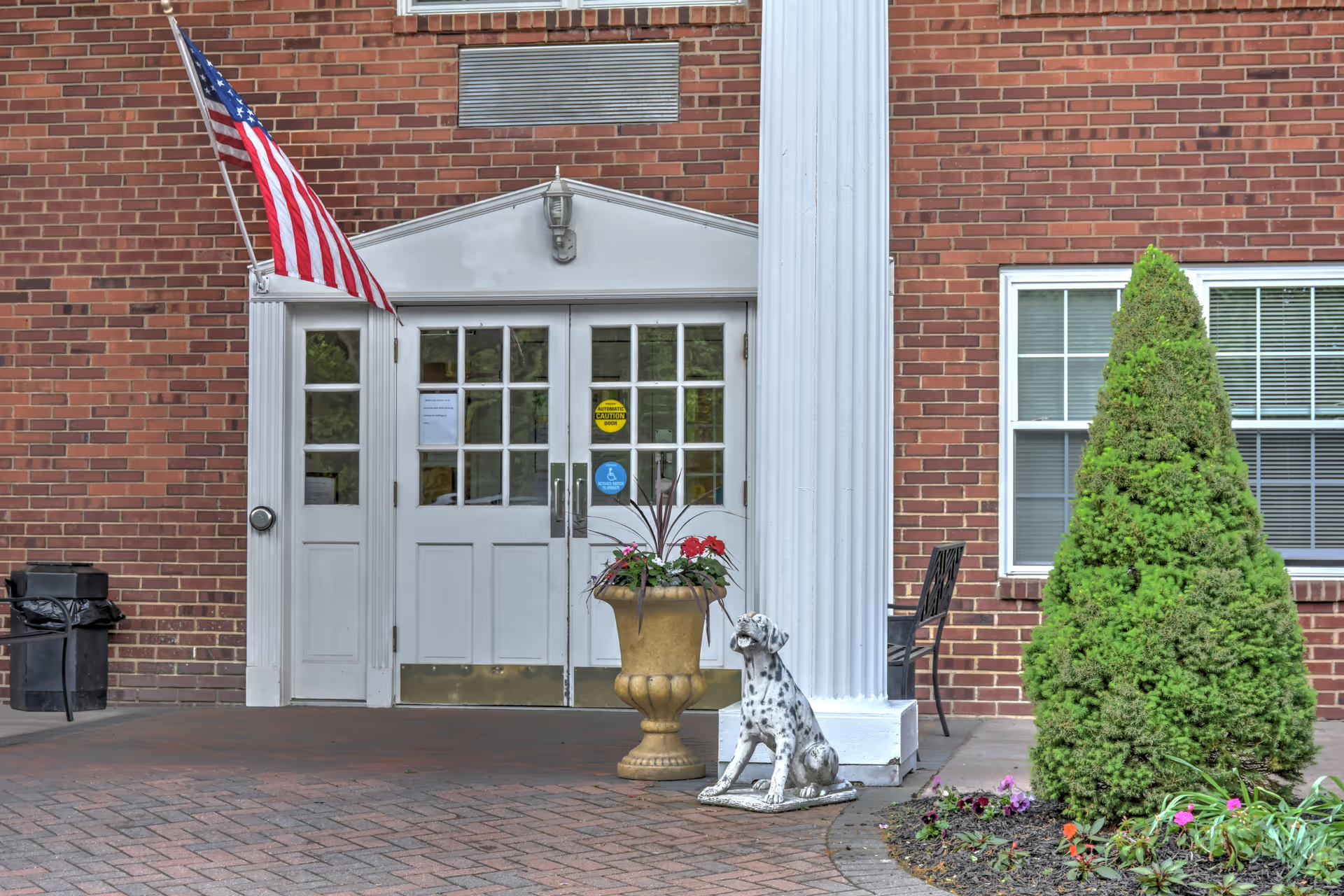
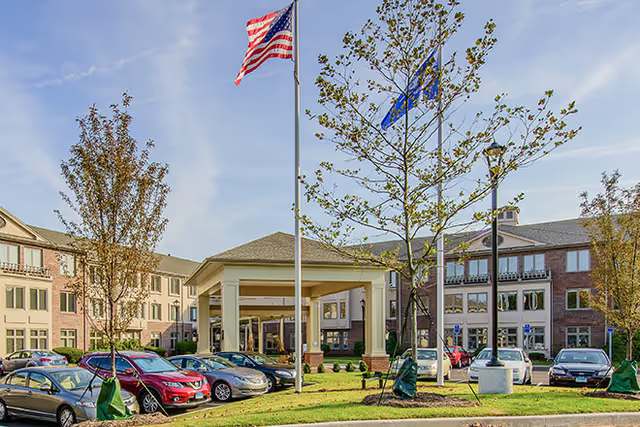
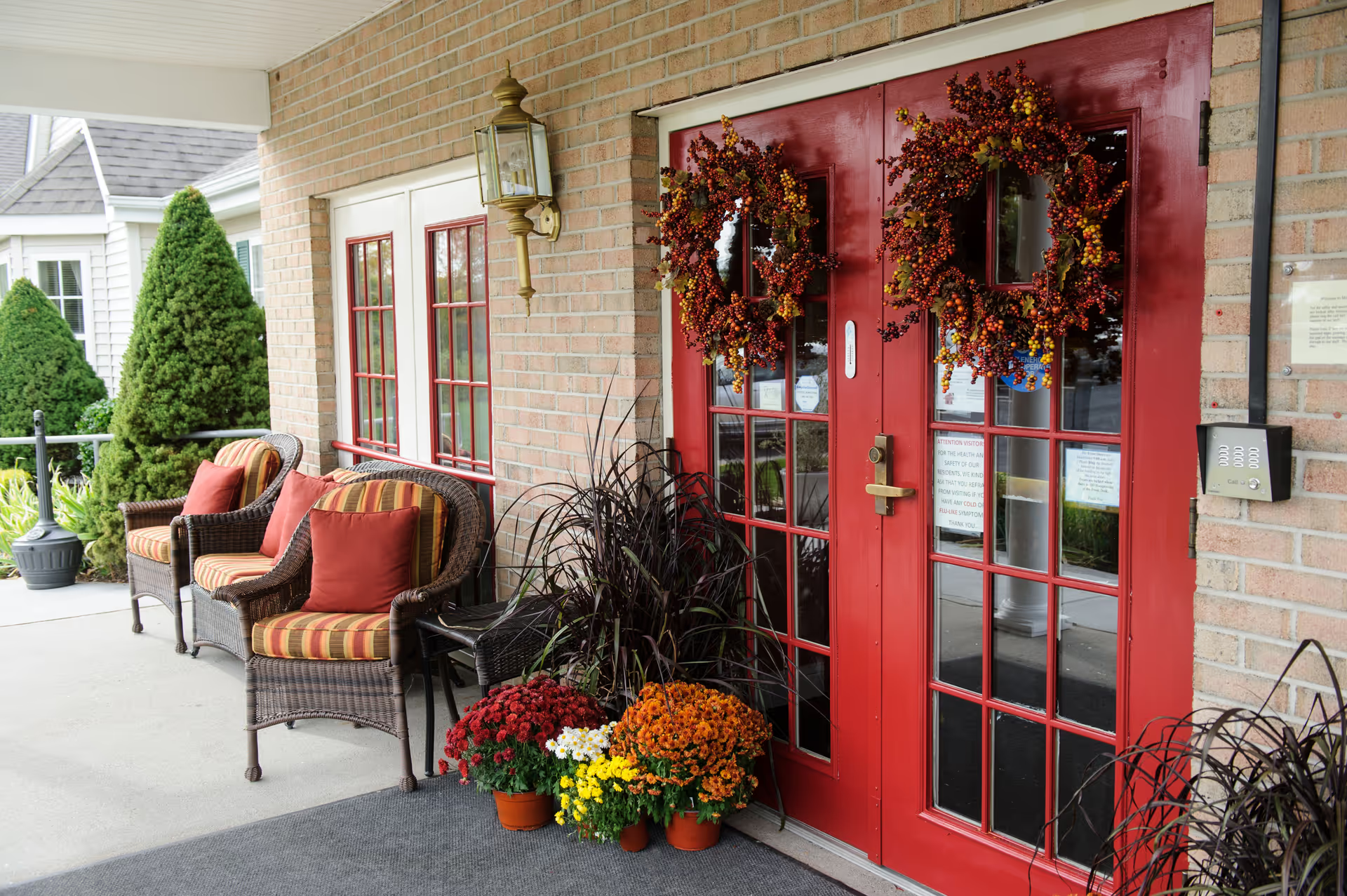
Facility, maintenance, and safety observations are similarly mixed. The building, rooms, and common areas are often described as clean, modern, and hotel-like, with attentive housekeeping. Contrasting comments point to maintenance delays, sanitation or odor concerns in particular areas, pest-control questions, and occasional broken equipment. Safety-related issues raised include falls, inconsistent monitoring, gaps in transfer or toileting assistance, and concerns about infection-control adherence during isolation events. Discharge planning and coordination also emerge as recurrent problems — families mention untimely or poorly communicated discharges, readmissions, and difficulty reaching leadership during critical windows.
For prospective residents and families: the facility appears capable of very good clinical and rehabilitative outcomes when core staff and leadership are engaged, but there is a notable risk of inconsistent care related to staffing, communication, and operational processes. Recommended due diligence includes observing staffing ratios on different shifts, asking for current wound-care and medication-administration protocols, reviewing infection-control and meal-service procedures, verifying how the facility secures and documents personal belongings, and requesting direct contact information for on-call leadership. Visiting during meal times and therapy sessions, and checking how the team communicates with family about changes in condition, can help assess whether the experience will align with the more positive examples or reflect the operational shortcomings described by other families.