Overall impression: Aviva West Hartford is frequently praised for its historic, attractive facility, breadth of amenities, and an engaged activities program. Many reviewers highlight the facility’s warm social environment, strong recreational offerings (including theater, pub, chapel, salon, and frequent outings), and a sense of community that supports social engagement. The building’s character and well-appointed common spaces, along with accessible transportation and flexible dining hours, are consistent strengths cited by families and prospective residents.
Care and staff: Staff are most often described as compassionate, helpful during admissions and move-in, and attentive in day-to-day interactions. Several reviewers praised specific caregivers, nursing responsiveness at times, and the way admissions and recreational staff support resident transitions. However, there are recurring operational concerns about staffing consistency and clinical follow-through. Reviewers described delays in responses, variability in aide performance, and occasions when nursing oversight and documentation appeared inconsistent. Memory-care capability and unit design were described as variable; some families found strong programming and pre-move outreach, while others noted limited dementia-specialized expertise and an austere memory-unit environment. These patterns suggest good relational care in many interactions but uneven clinical continuity in others.
Dining and programming: Dining is a prominent positive for many residents — reviewers commonly commend meal quality, pastry offerings, and nutritionist attention for dietary needs. Flexible, all-day dining and chef demonstrations are appreciated, and some called the food one of the community’s best features. Counterbalancing this, multiple comments identify inconsistent meal service, limited portion sizes, unavailable menu items, and understaffed waitstaff during peak times. Activities programming is broadly robust and creative, with enthusiastic activity directors and varied options (fitness, art, live music, outings). A few reviewers reported resident disengagement in certain areas and noted that COVID-era restrictions temporarily affected visibility and participation in programming.
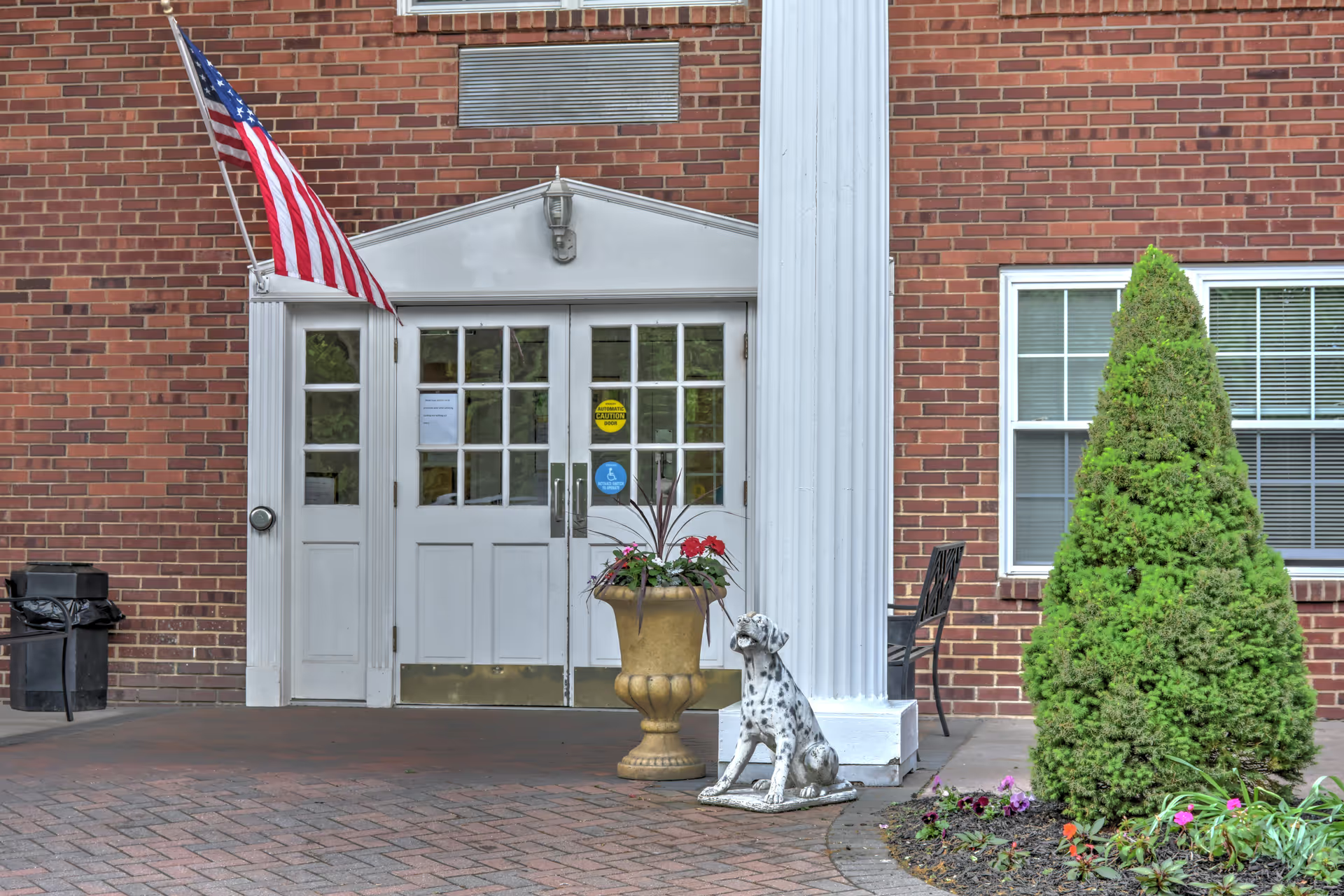
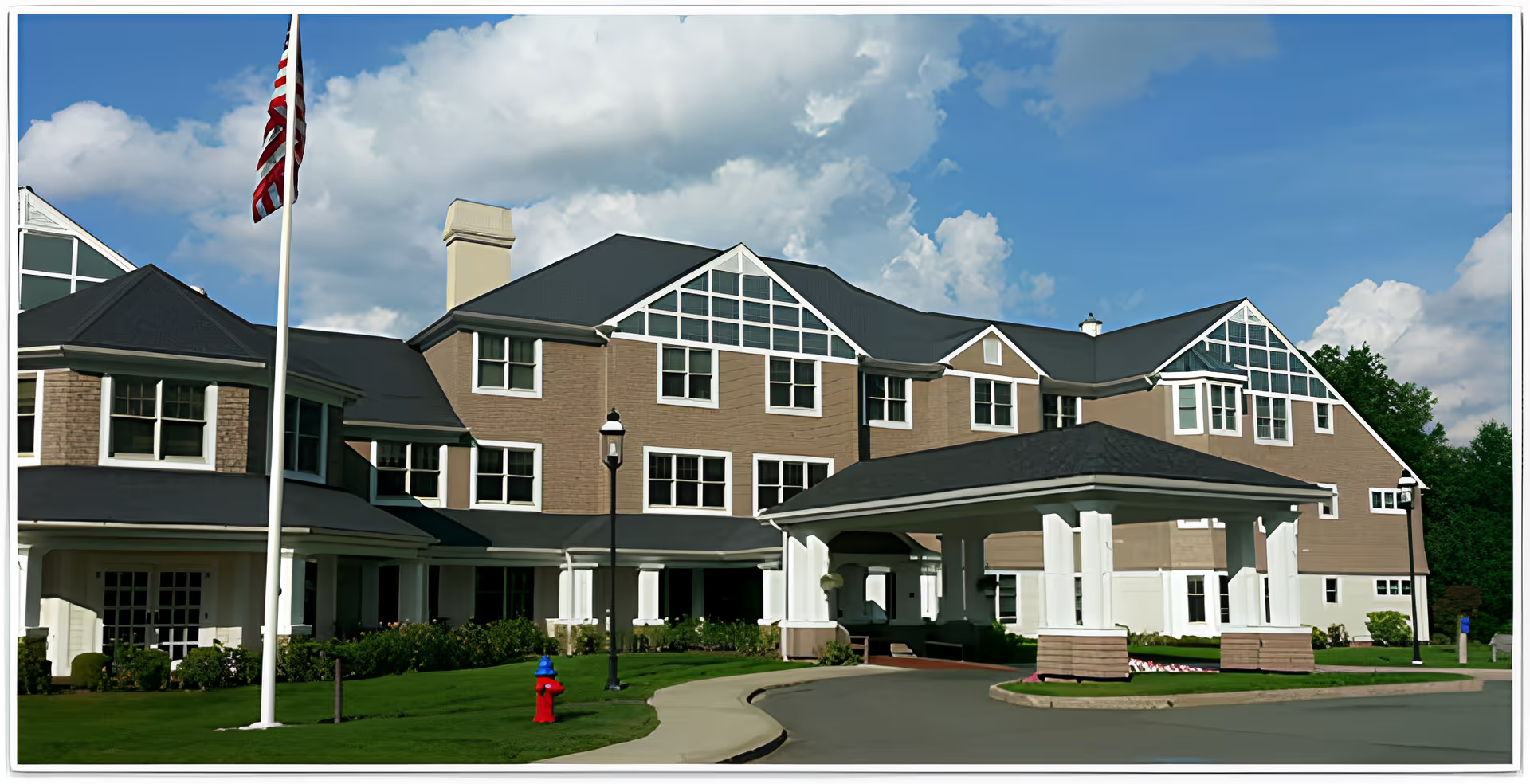
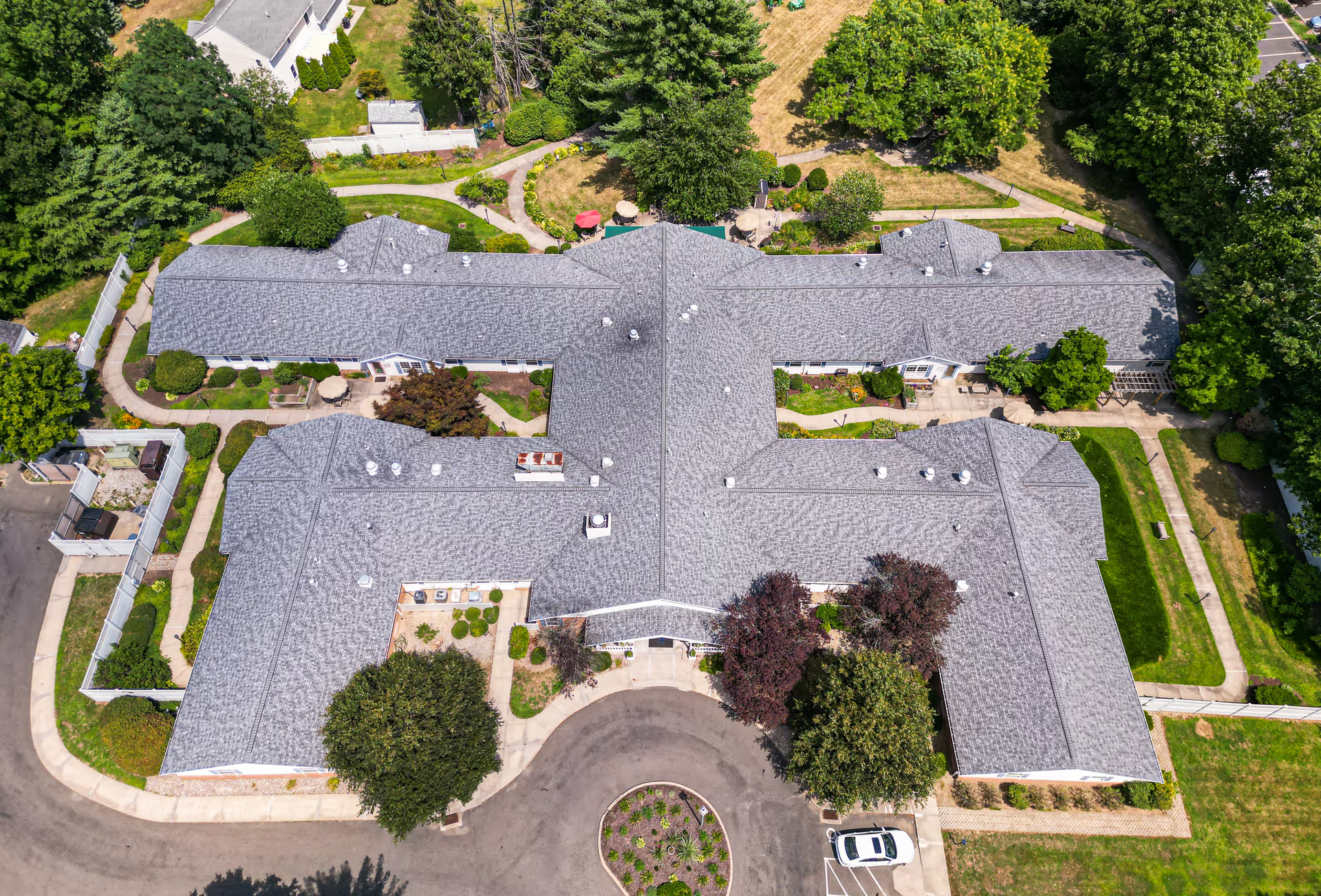
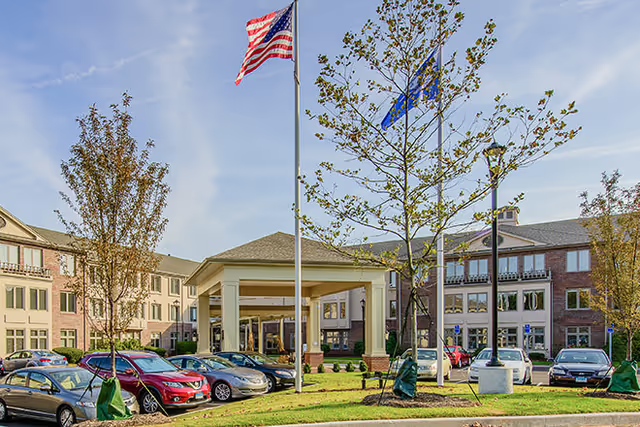
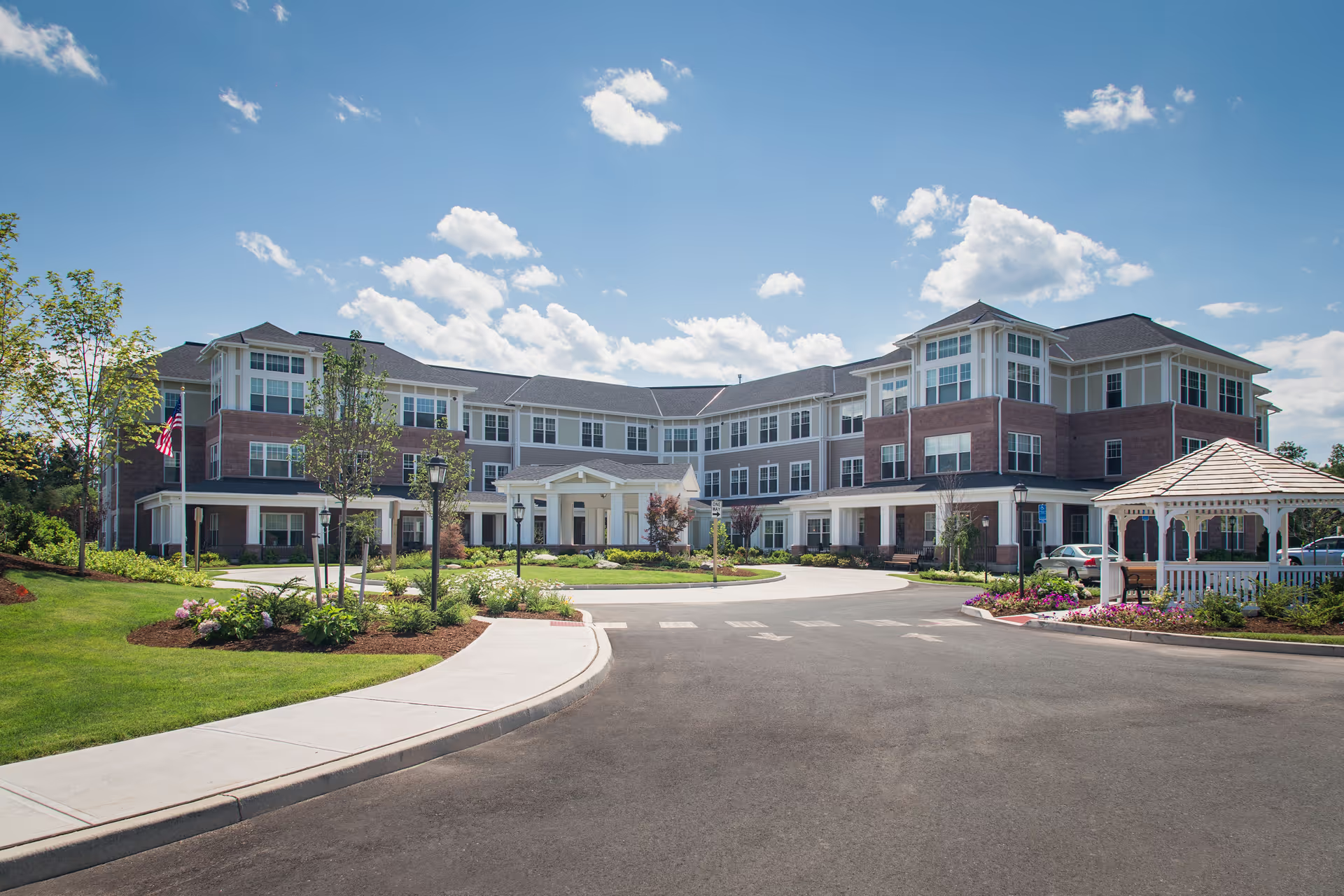
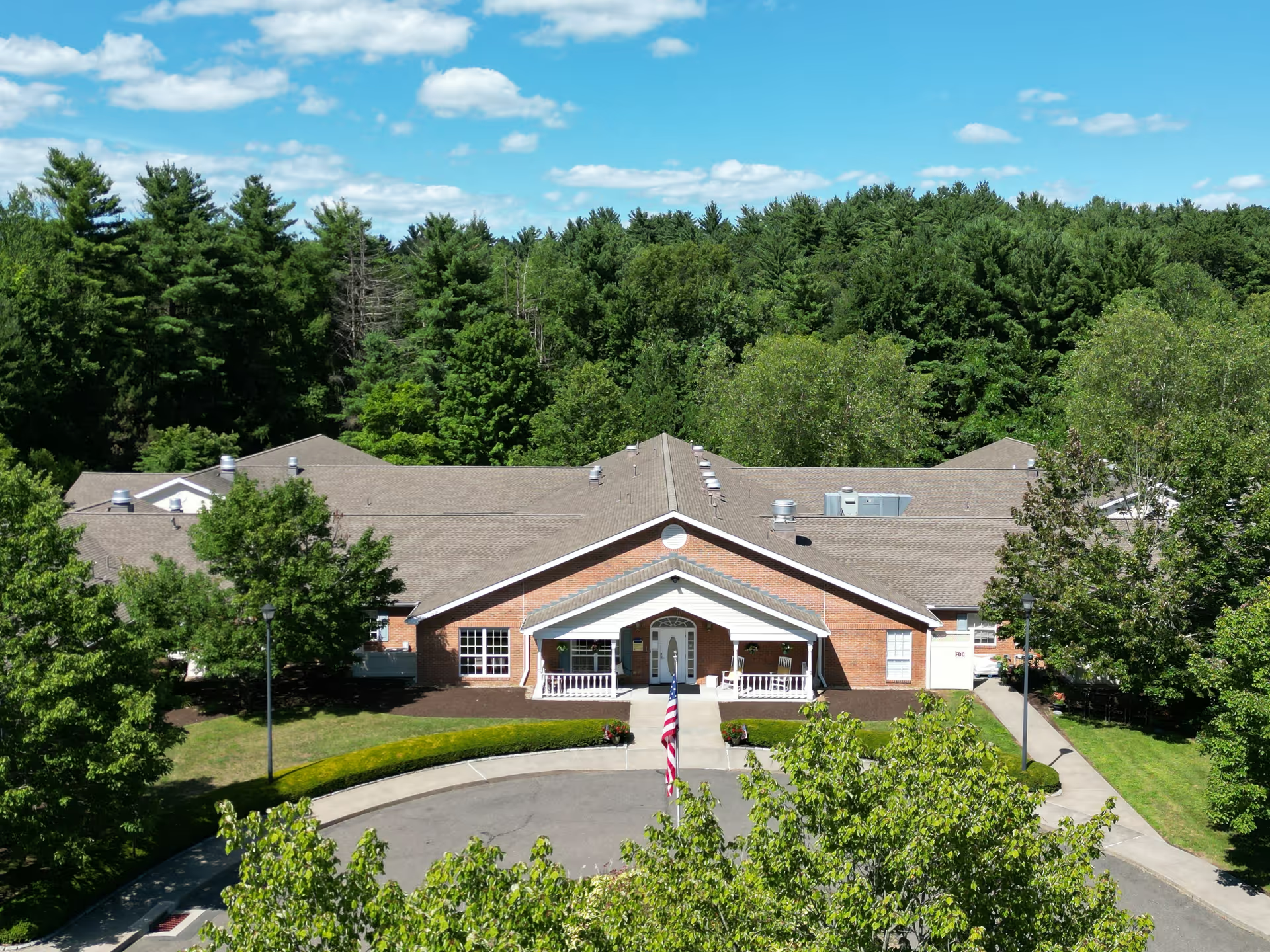
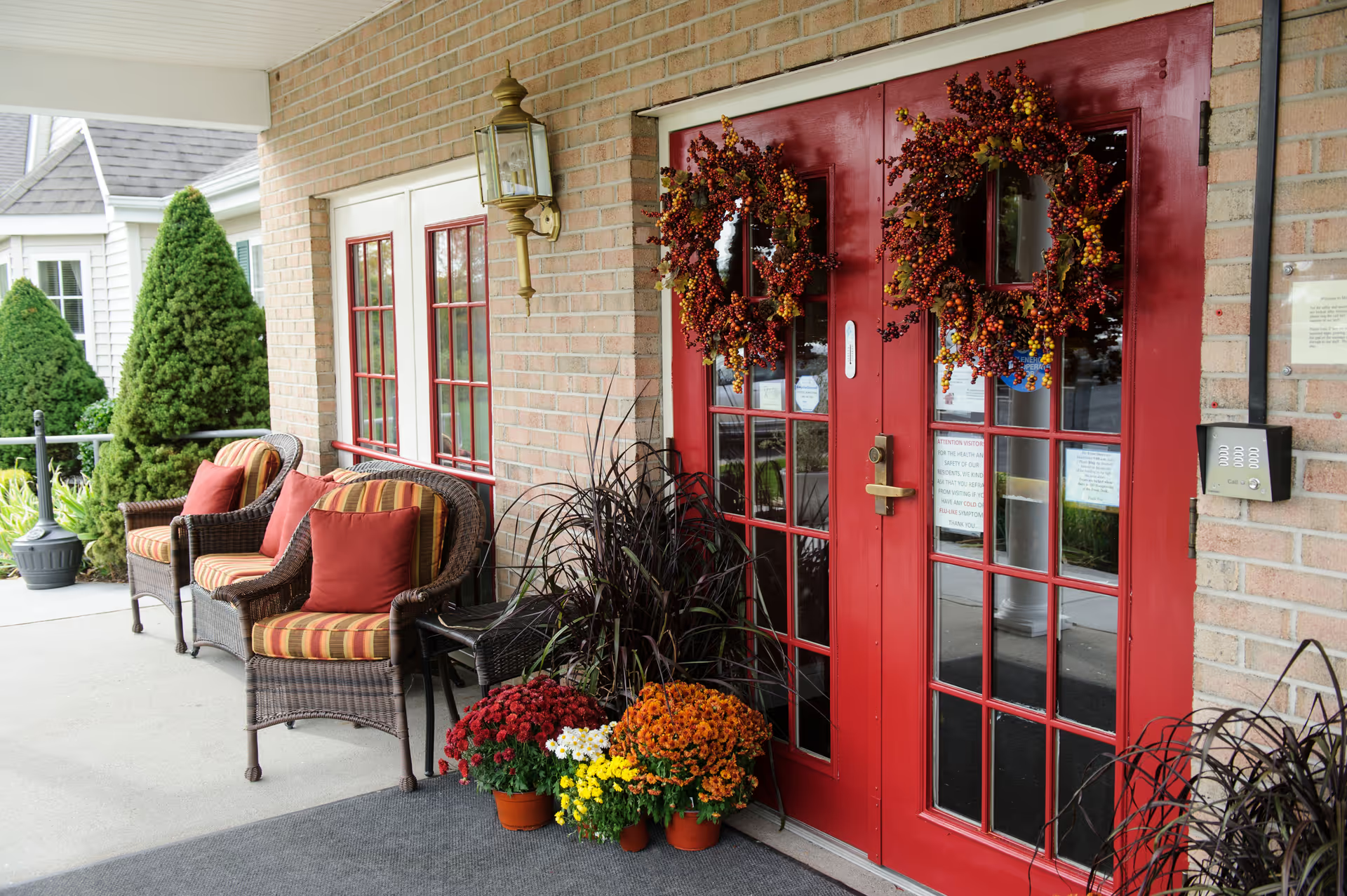
Facilities and accessibility: The property’s historic architecture and well-maintained public areas are clear strengths, offering many shared spaces and outdoor access. Apartment layouts, however, lean small with limited storage in many units; this has practical implications for residents relocating from larger homes. The building’s vintage design produces wayfinding and accessibility challenges — notably stairs at the main entrance, confusing elevator access, long corridors, and a layout that can be difficult for residents with mobility or cognitive impairment. Reviewers also reported occasional elevator outages and slow repair response times, plus localized cleanliness and grounds-maintenance inconsistencies that management may need to address.
Management, admissions, and financial concerns: Admissions and sales staff receive mixed feedback. Several families describe an informative, supportive, and even joyful sales experience and effective move-in help; others raised serious concerns about high-pressure sales tactics, unclear contract communication, and billing or paperwork irregularities. There are mentions of upfront fees and unexpected charges, and a small number of reviews reference concerning interactions tied to billing or staff conduct. Overall these items point to uneven transparency and consistency in the business and communications side of the operation, rather than uniformly negative resident-care reports.
Notable patterns and guidance for families: Prospective residents and families will likely appreciate Aviva’s social programming, dining strengths, historic setting, and many staff who are described as caring and proactive. At the same time, they should review operational details closely: ask about staff-to-resident ratios and coverage patterns, get specifics on dementia-care staffing and unit design, confirm maintenance response timelines, request written explanations of move-in fees and billing practices, and tour the exact apartment options to assess space and storage. For residents with mobility limitations or advanced dementia, verify accessibility between rooms and dining/activity areas. Doing so will help align expectations with the facility’s mix of strong social offerings and some operational variability.