Hughes Health & Rehabilitation presents a mixed profile. Clinical strengths are clear in rehabilitation and some nursing areas: families describe effective physical therapy, long‑tenured staff, strong teamwork, and caregivers who provide attentive, continuity‑oriented care. Administrative responsiveness also receives positive mention in several accounts, and a recent move to an electronic check‑in system appears to have improved admission flow and visitor processing.
Care and staffing show a strong positive signal in several reviews. Multiple accounts highlight committed caregivers, consistent assignments that support continuity of care, and clinicians who produce measurable therapy improvements. At the same time, there is a consistent pattern of variability in direct‑care performance: aides and some agency staff are described as uneven in skill and demeanor, and a subset of comments point to indicators of low staff morale. Operationally, the most recurrent clinical concern is timeliness—delays in responding to call signals and in assisting residents with toileting needs were cited and should be interpreted as an area for operational improvement rather than an isolated event.
Dining and activities are similarly mixed. The dining room is described as bright and socially oriented (large round tables, holiday celebrations, open visiting), which supports communal engagement. However, menu quality and consistency are noted as weaknesses; descriptors include bland or poor food quality. Reviewers also suggested grouping activities to better match cognitive levels as a way to reduce low mood among residents, indicating an opportunity to enhance programming for social and cognitive stimulation.
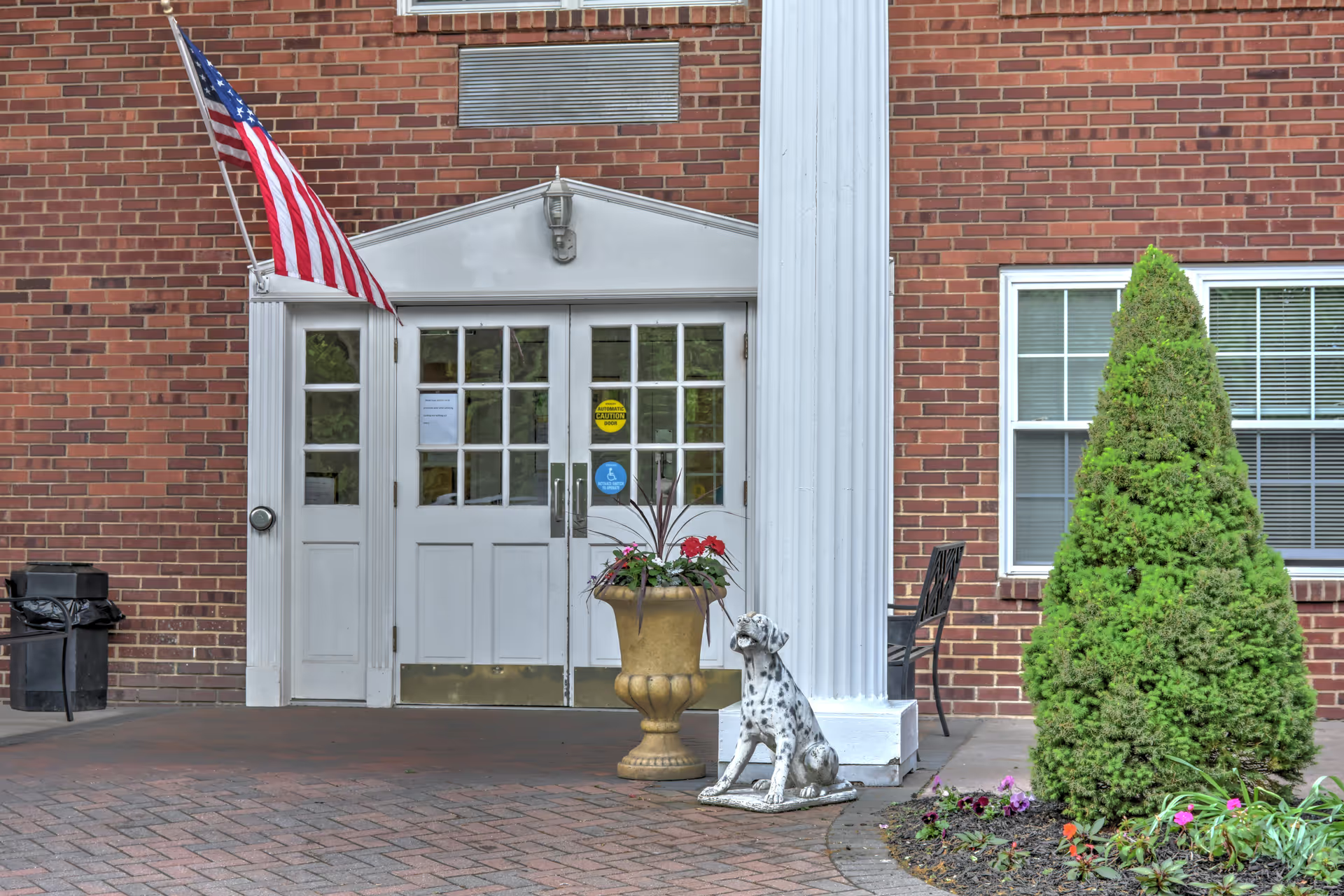
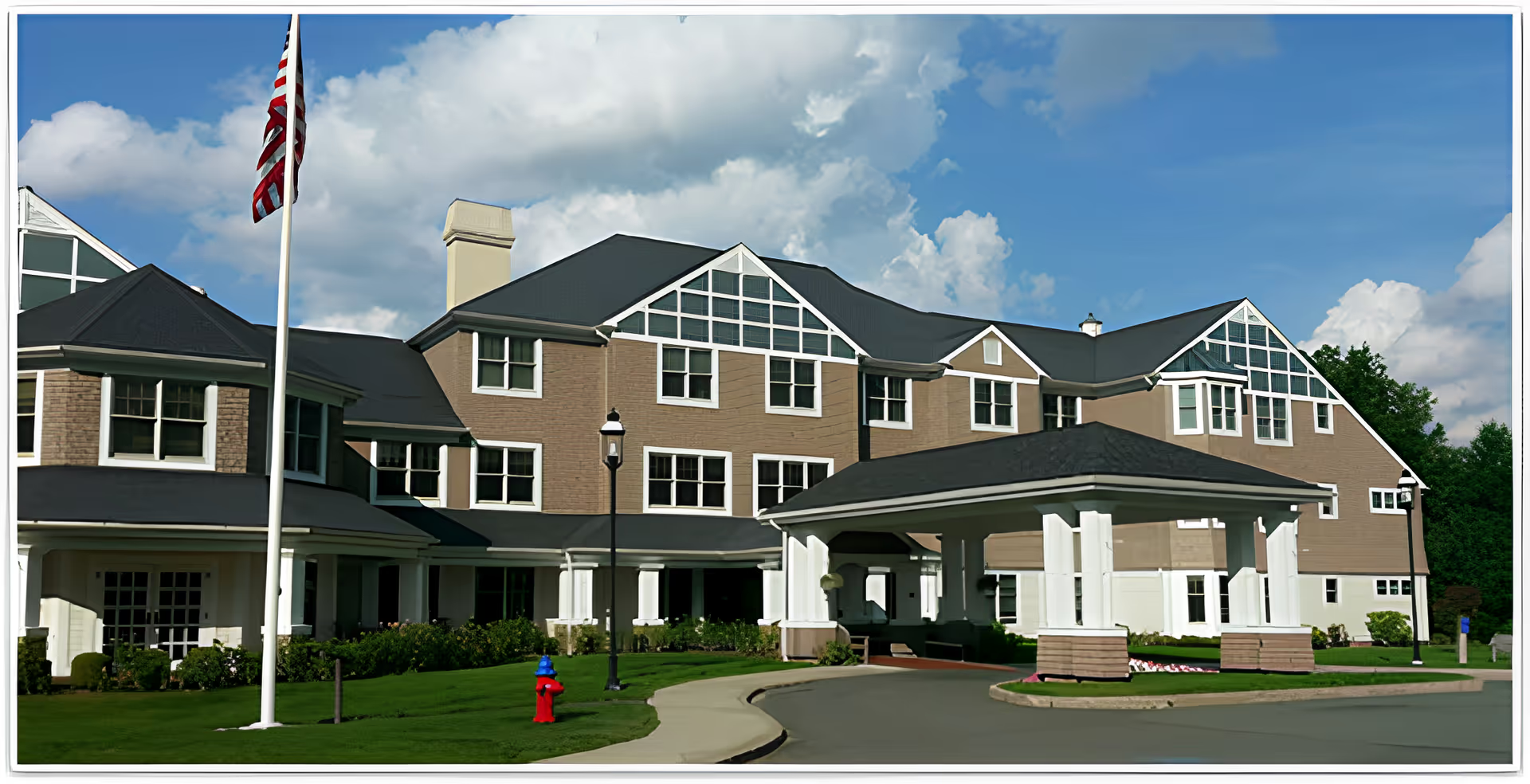
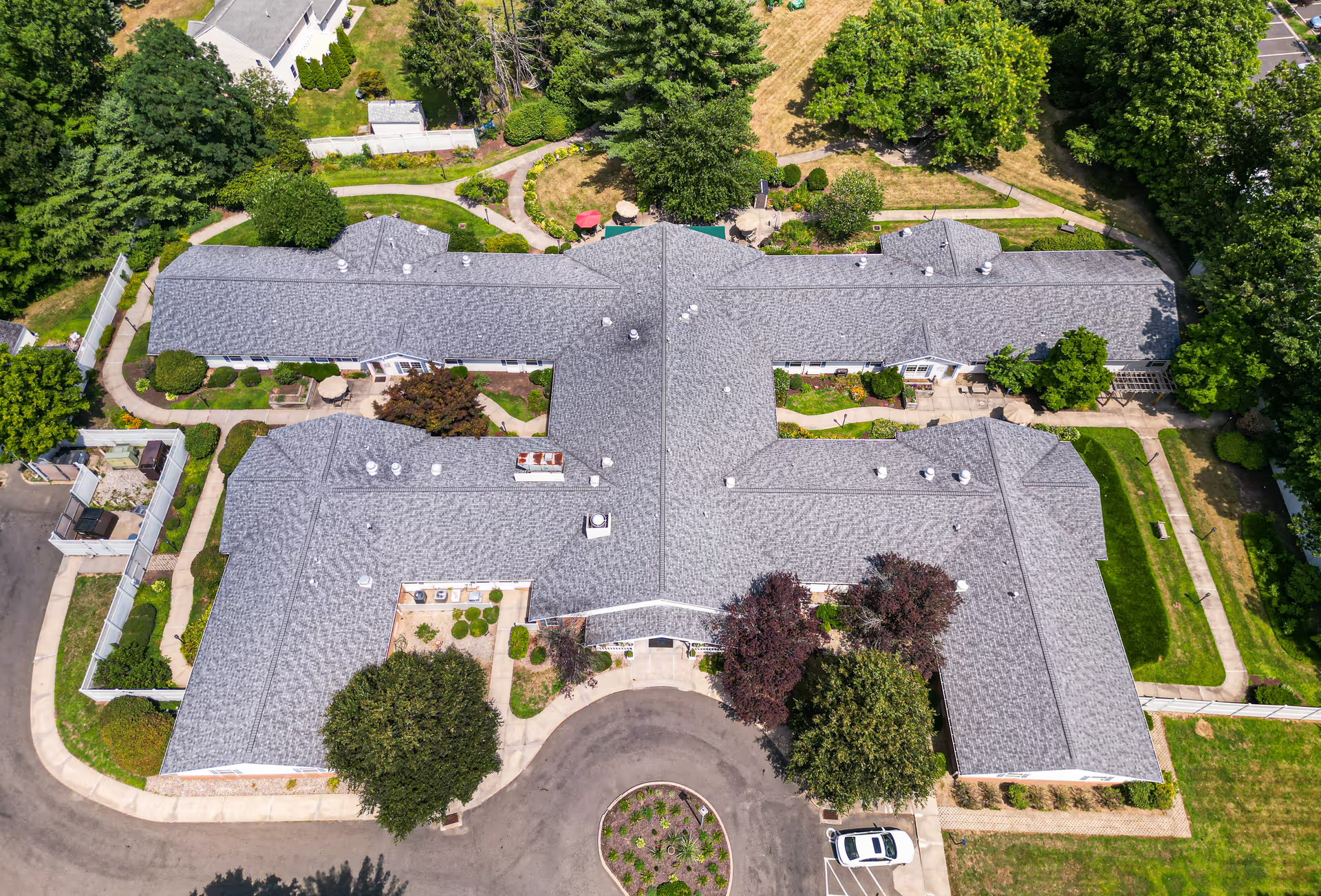
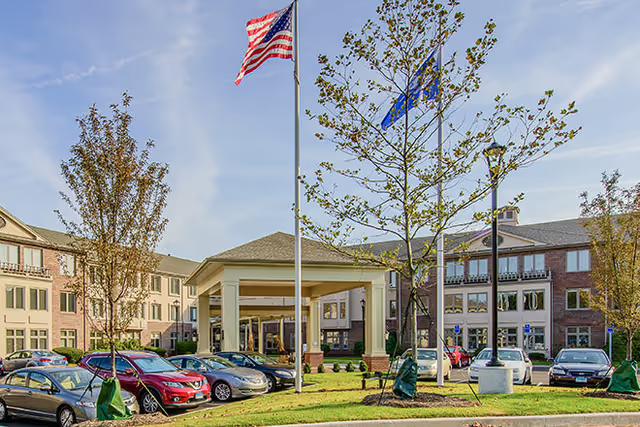
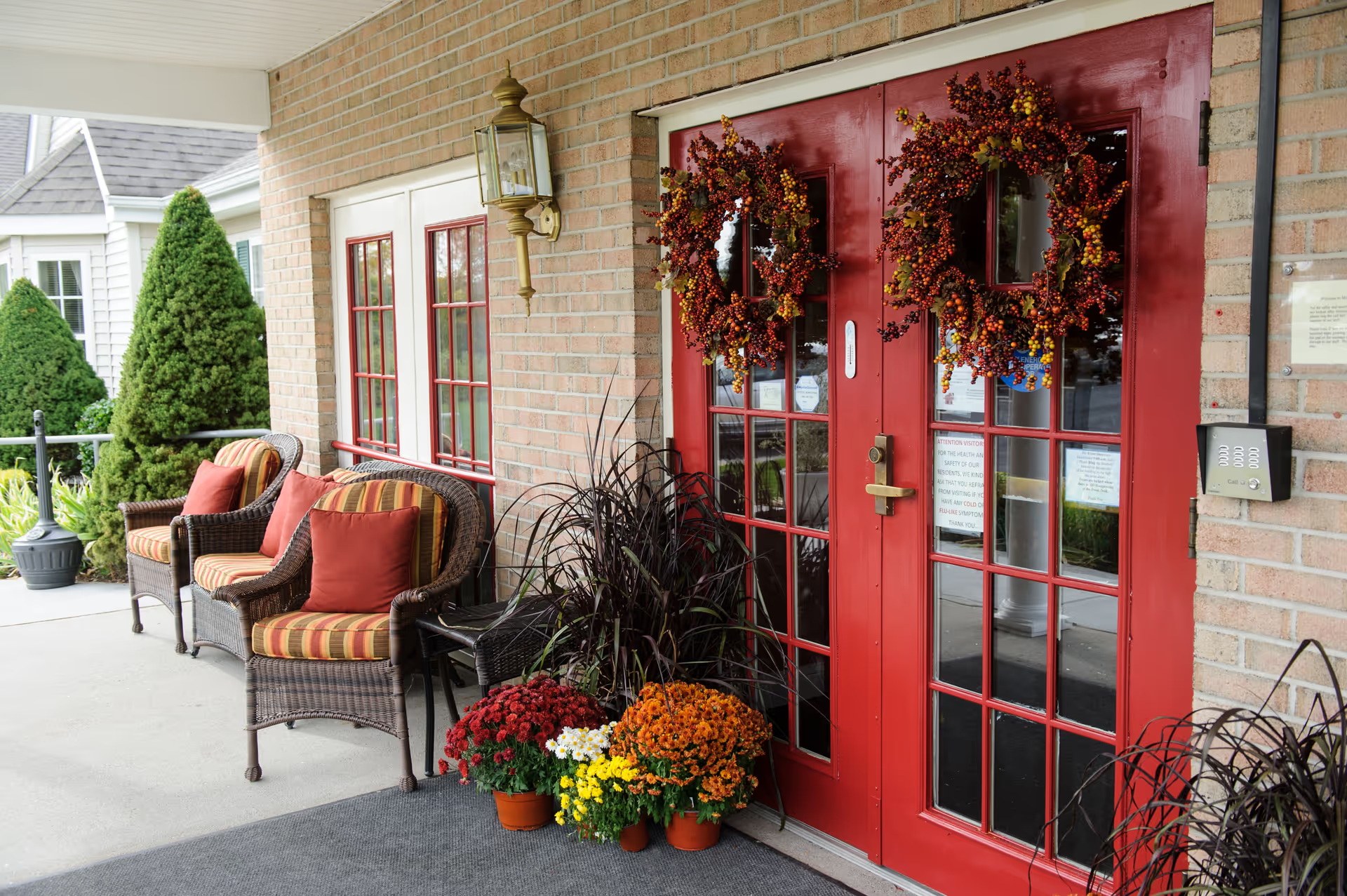
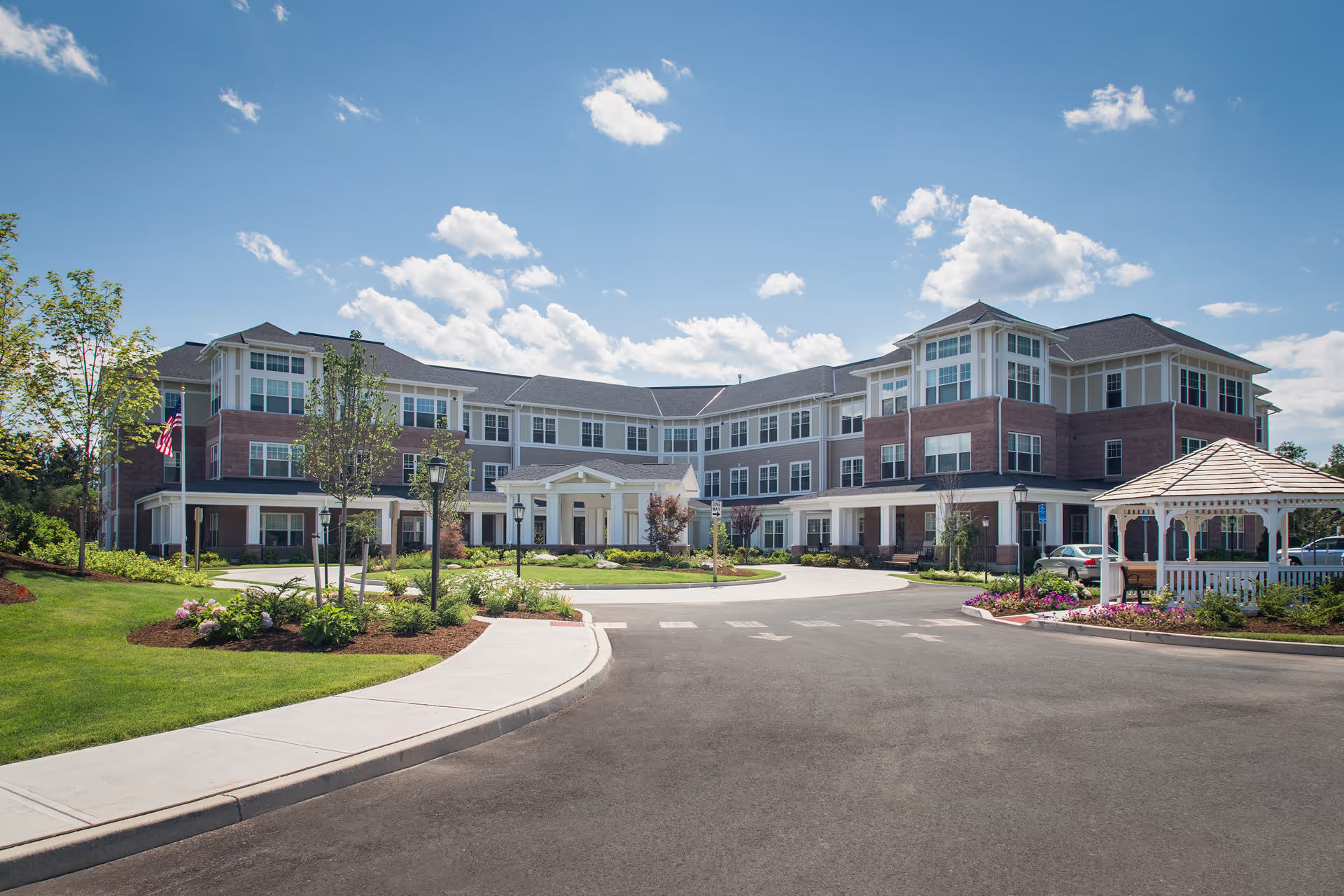
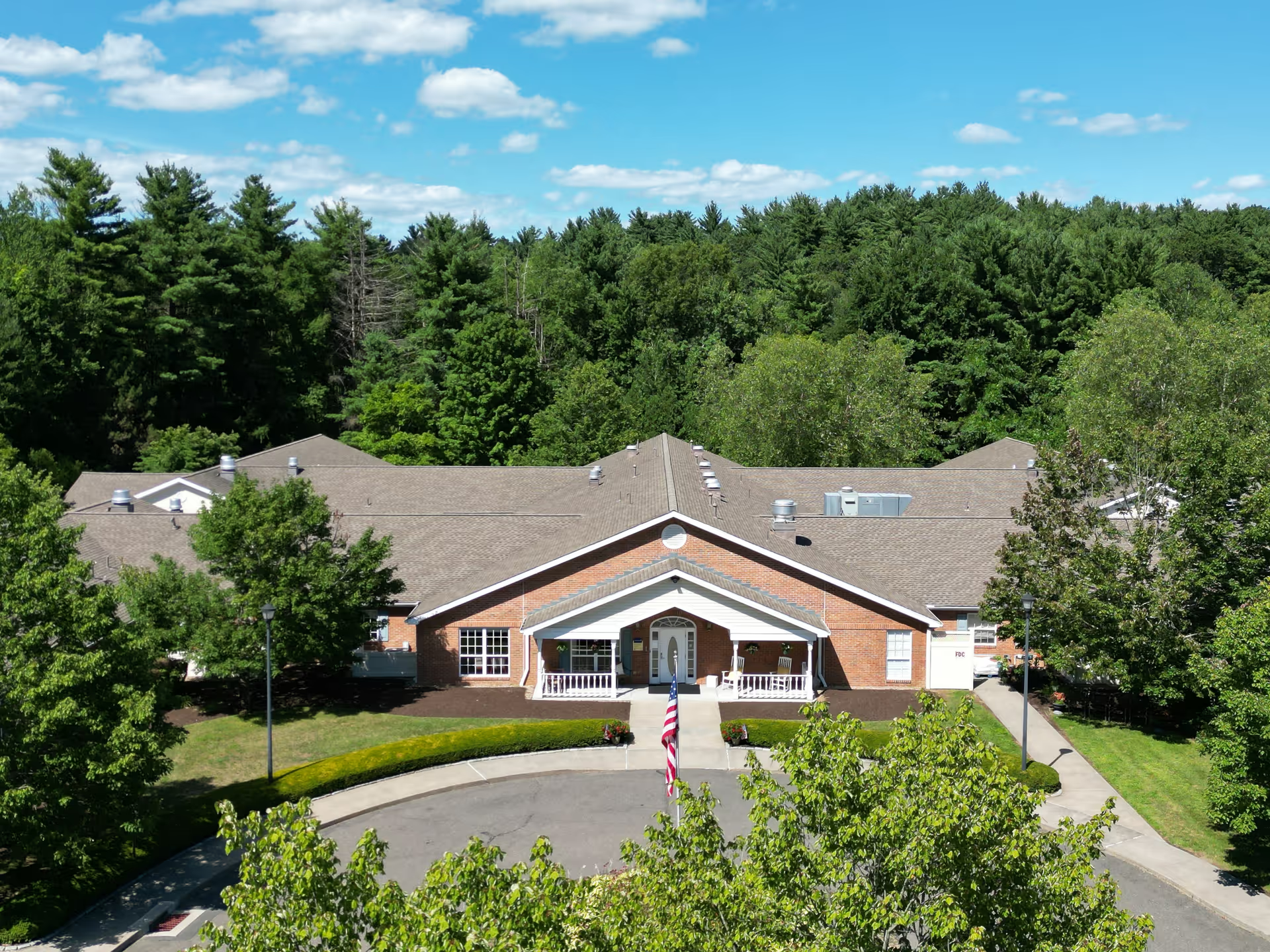
The physical plant and environmental management emerge as important themes. Several reviewers characterize the building as dated, with dark or dreary hallways and an overall need for room and decor updates. There are sanitation and pest‑control concerns in specific areas (including dining and common spaces) as well as isolated reports of odors in hallways. Equipment maintenance—such as wheelchairs and other mobility aids—was identified as an operational shortfall by some visitors. Parking and exterior access, particularly comfort and perceived safety at night, were also raised as practical considerations for visitors and residents.
Management and communication show both strengths and gaps. Administration is described as willing to assist by some families, and that accessibility contributes to family confidence. Conversely, reviewers also reported inconsistent communication during resident illness events or infection‑control situations, and some families expressed advocacy concerns. This pattern suggests that while leadership can be responsive, systemic processes for infection‑event management, sanitation oversight, and staff oversight may need strengthening.
Notable overall pattern: reviews are polarized—many emphasize excellent, compassionate staff and good therapy outcomes, while others cite operational flaws tied to the facility’s aging infrastructure, inconsistent direct‑care staffing, sanitation concerns, and response timeliness. For prospective residents and families, a focused tour is advisable: observe multiple shifts (including evenings), ask about the mix of regular versus agency staff, request current infection‑control and pest‑control logs, sample a meal, check response times for call systems, and review maintenance/upgrade plans for rooms and equipment. These targeted questions will help determine whether the facility’s clinical strengths outweigh the operational shortcomings for a given resident’s needs.