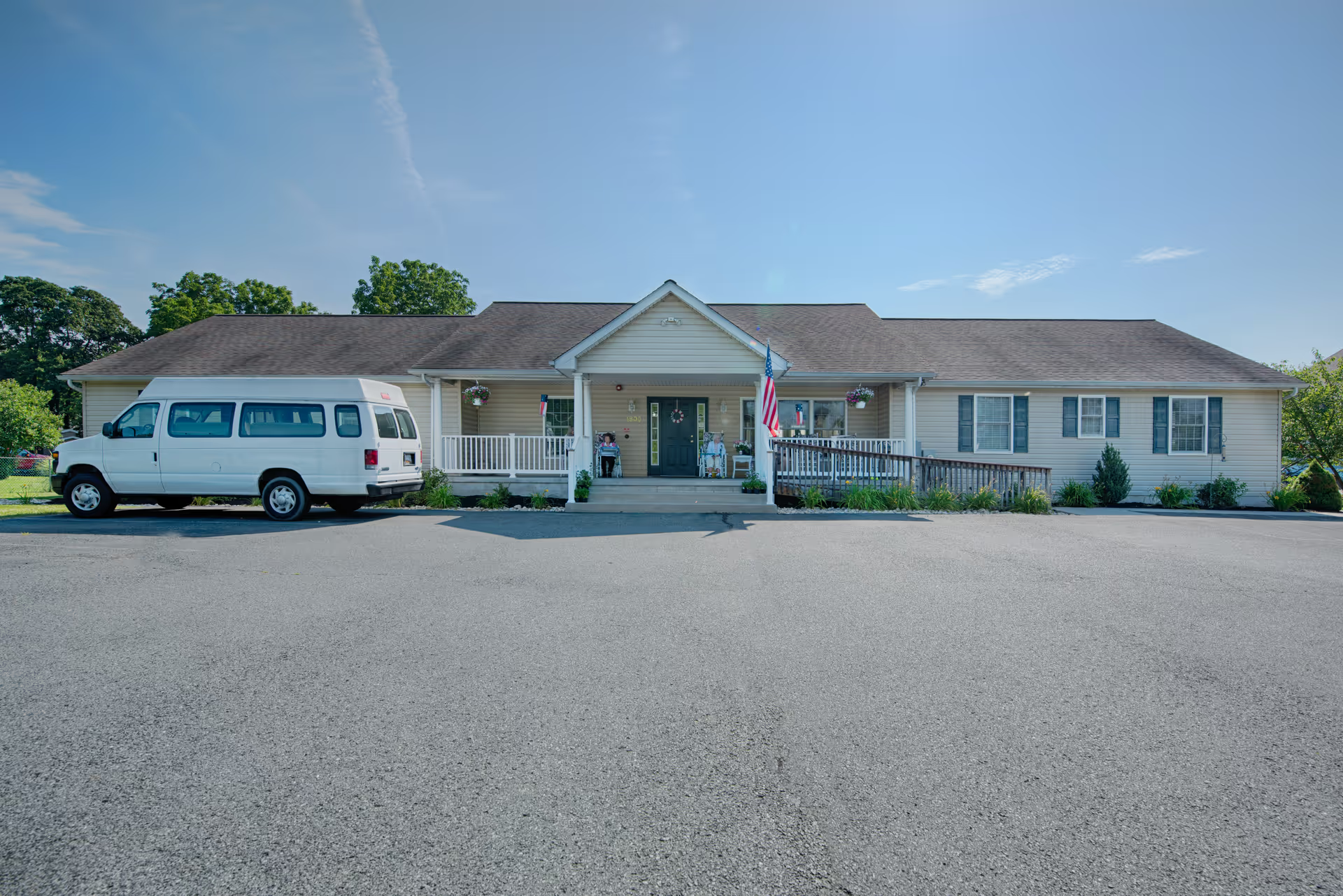
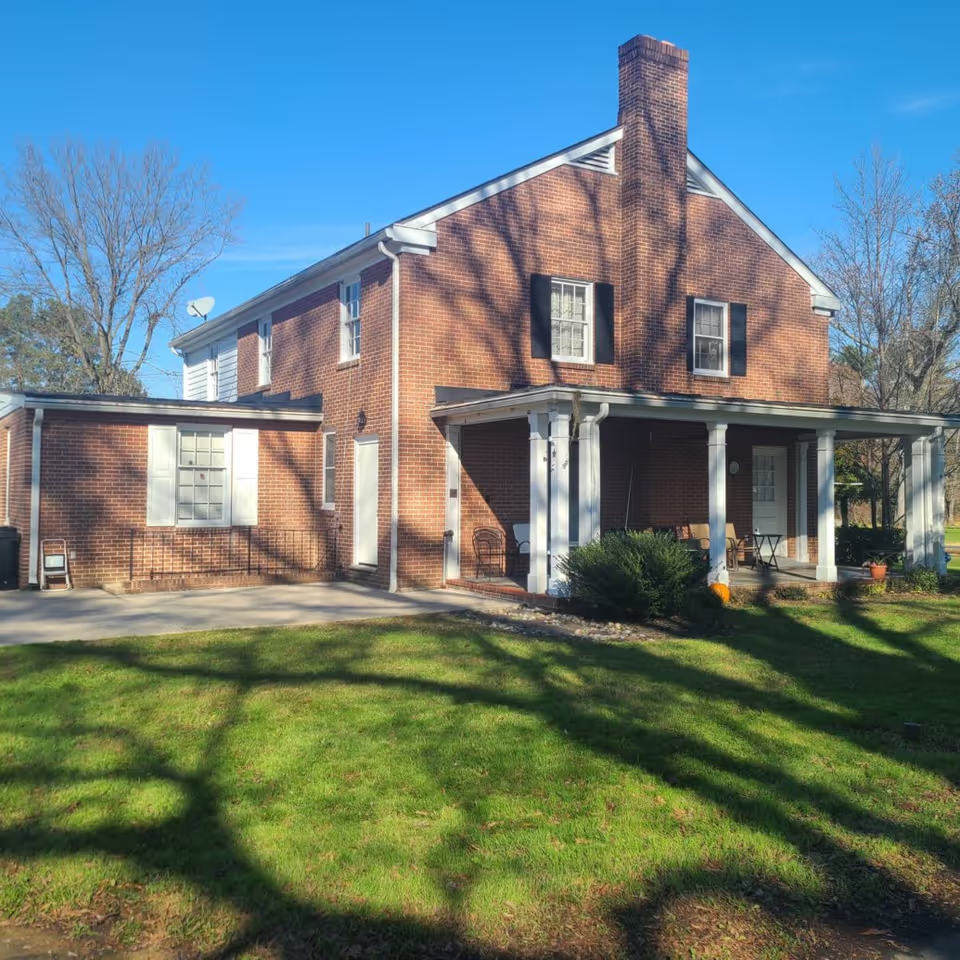
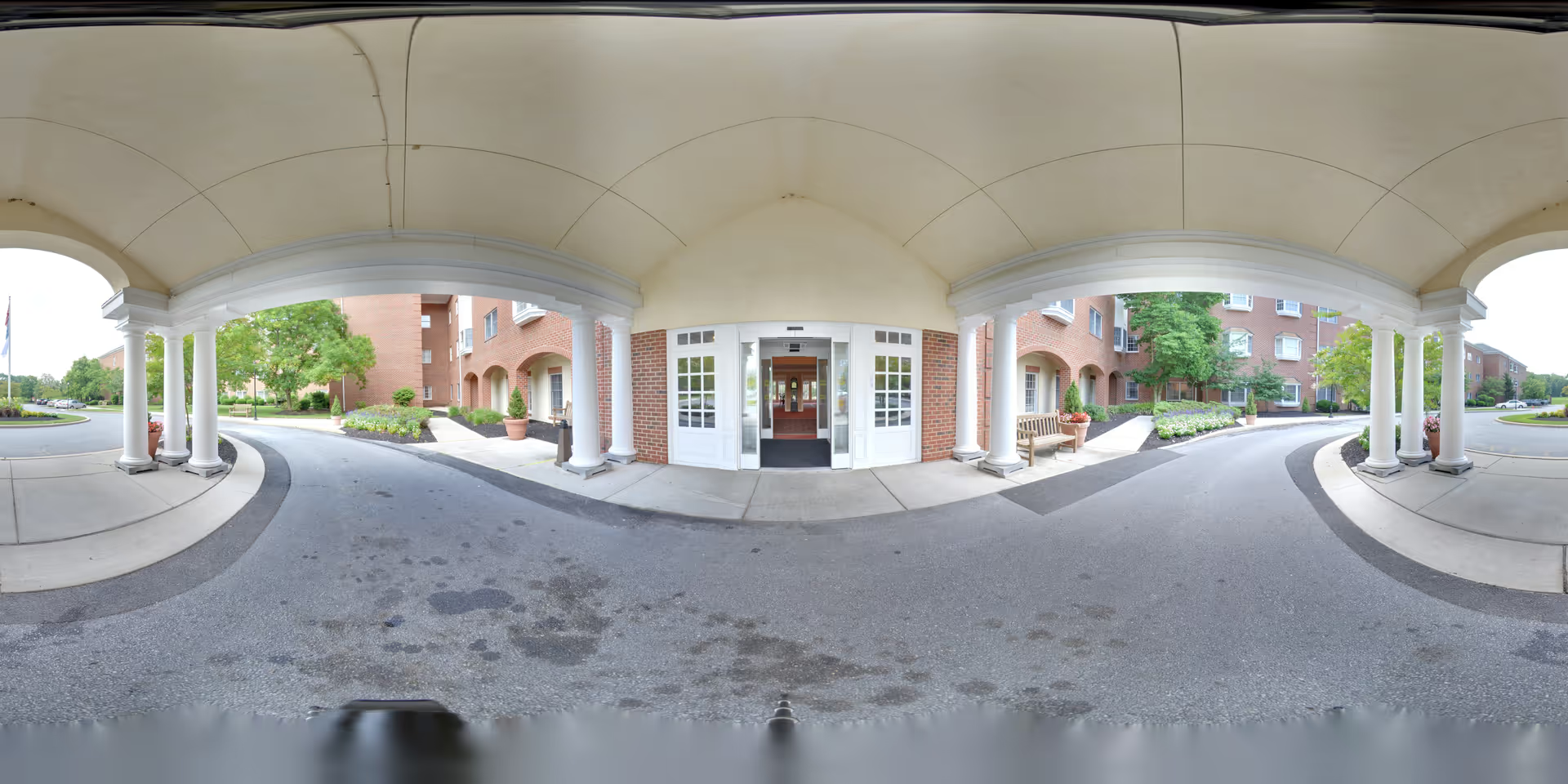
Reviews of Pike Creek describe a facility with pronounced variability: many families and clinicians praised clinical rehabilitation, certain nursing staff, and some administrative initiatives, while other accounts document operational and safety gaps. Strengths most consistently cited include robust physical and occupational therapy services, effective wound-care nursing, coordinated interdisciplinary discharge planning, and individual staff members (including social work and wound-care clinicians) who provided attentive, proactive care. Several reviewers described measurable functional improvements during rehabilitation stays, such as regained walking ability and weight recovery.
At the same time, a recurring theme is inconsistent day-to-day care driven in part by staffing and supervision challenges. Reviewers raised concerns about slow or inconsistent response to call bells, high patient-to-staff ratios, and uneven availability of aides across shifts. Those operational deficits were linked to delayed assistance with toileting and feeding, missed or late medication administration, and gaps in monitoring that reviewers associated with weight loss, pressure injuries, and readmissions. Some accounts also described lapses in post-fall evaluation and uncertainty about whether appropriate imaging or follow-up care was arranged.
Staff conduct and communication are described as mixed. Many reviews singled out individual clinicians and aides for compassionate, professional care; others described inattentive or curt interactions, staff congregating away from residents during shifts, and difficulties reaching clinical leaders by phone. The facility’s phone and reception systems were frequently noted as hard to access, which reviewers said hampered timely family communication and care coordination. A few reviews raised serious concerns about medication consent and clinical decision-making; a small number used the term "allegations" in relation to potential malpractice-level issues.
Dining, activities, and environmental conditions also showed variability. Several reviewers praised an active events program and a clean, well-kept facility; others reported inconsistent meal quality, missed meal deliveries, and inadequate nutritional monitoring. Families caring for residents with cognitive impairment described limited programming in some memory-care areas and insufficient supervision of wandering or repeat falls. Environmental comments ranged from appreciation of renovated common areas to isolated concerns about room temperature control, basement-room assignments, and odor or sanitation issues in particular units.
Management and oversight impressions differ across accounts. Some families noted improvements under new leadership, responsiveness from particular administrators, and helpful discharge coordination. Conversely, other reviewers described slow administrative responsiveness, perceived gaps in staff training, errors in room assignment or care-board information, and security/check-in weaknesses. Taken together, the pattern suggests that quality at Pike Creek is uneven across shifts and units: strong clinical and rehabilitative resources are present, but sustaining consistent, timely personal care and communication appears to be an operational challenge.
For prospective residents and families, the most salient themes are the facility’s demonstrated rehabilitation strengths and the importance of verifying operational controls that affect day-to-day safety and comfort: staffing ratios, fall-prevention and post-fall protocols, medication-administration procedures, meal and hydration monitoring, property-management and laundry processes, and channels for family communication. Observing staff interactions during a visit and asking specific questions about these areas may help set expectations and identify units or care teams that align with a resident’s needs.