The collective reviews present a highly polarized view of care at this facility, with clear strengths in rehabilitation services and uneven performance in basic nursing and operational processes. The facility receives consistent praise for its therapy programs: physical, occupational, and speech therapy are frequently described as skilled, coordinated, and effective at helping residents meet short-term goals and return home. Admissions, case managers, and certain administrative staff are also frequently commended for being responsive, personable, and helpful in arranging care and follow-up.
At the same time, a substantial portion of comments raise operational concerns that affect safety and daily living. The dominant clinical themes are inconsistent staffing and slow responsiveness to call bells and requests for assistance, variable medication administration practices, and irregular wound and infection management. These issues have, in some accounts, led to delayed transfers to higher levels of care and severe clinical outcomes; reviewers described concerns following a resident's death and other serious clinical events. Families also report difficulties reaching nursing and social-work staff by phone, delays in receiving updates, and instances where critical clinical information was not communicated proactively.
Dining and nutritional services are another area of mixed feedback. Several reviewers praise accommodating therapy-related meal plans and timely medication-cart rounds, but others note poor meal variety, inconsistent portioning for special-diet needs (diabetes/heart diets), and failures to follow dietary restrictions. Activities programming is generally viewed positively when staffed and engaged — some families highlighted proactive activity directors and tailored programs — but follow-through is inconsistent across stays.
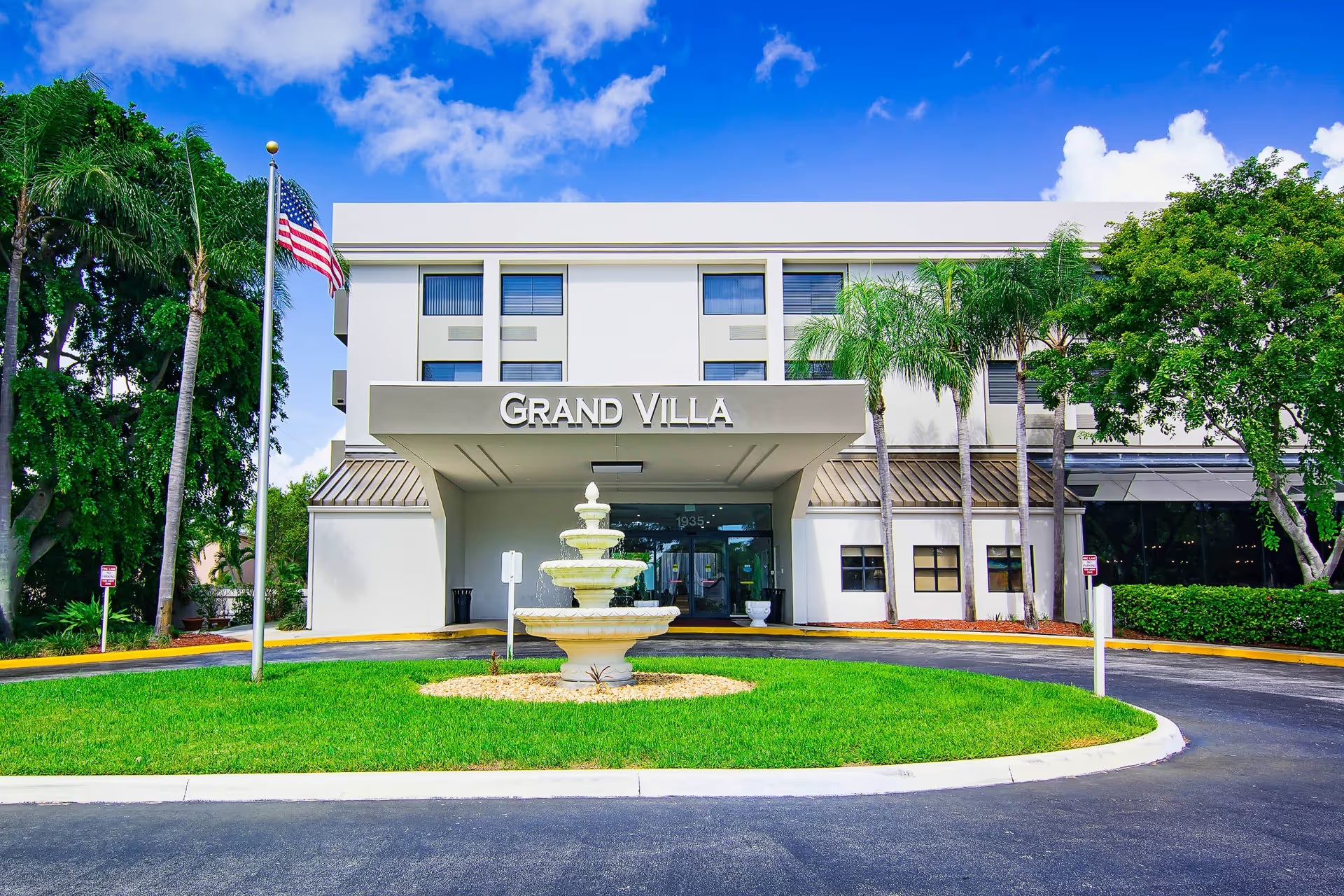
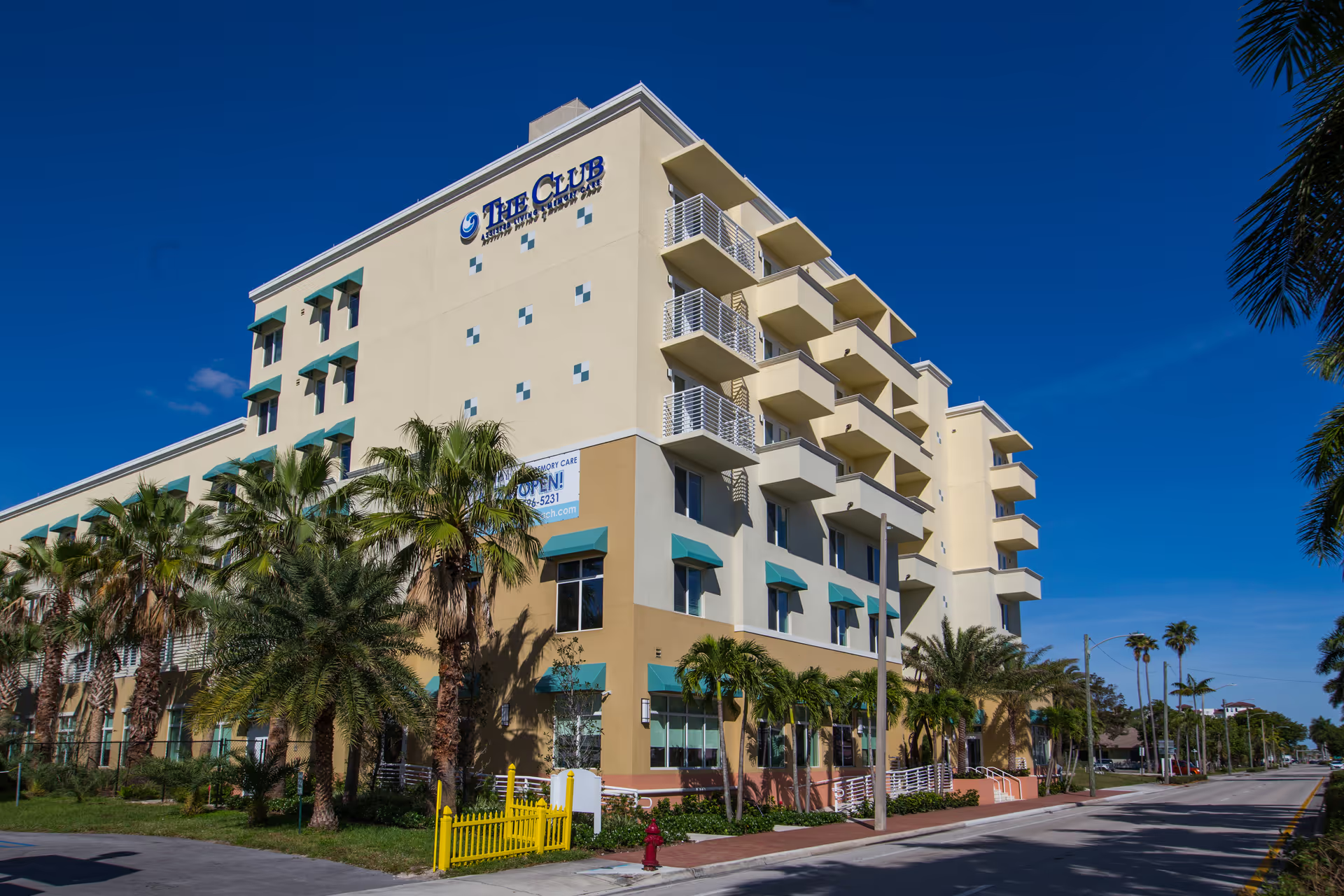
Facility condition and housekeeping comments vary by unit. Multiple reviewers described clean, well-maintained areas and attentive housekeeping staff, while others raised sanitation and pest-control concerns, odor issues in common areas, and signs of uneven maintenance between floors. Safety-related operational problems were also mentioned, including door-access issues, unsecured areas, and lapses in emergency procedures, suggesting variability in adherence to safety protocols.
Management and culture appear inconsistent across time and units. Many families singled out individual staff members, nurses, CNAs, therapists, and administrators for praise, citing compassion, effective communication, and professionalism. Conversely, others allege poor oversight, altered documentation, language-barrier problems, and a perception that financial considerations sometimes override clinical priorities. These contrasting accounts point to uneven leadership presence and variable staff training/competency across shifts.
Notable patterns for prospective residents and families to consider: assess the current staffing levels and leadership on the target unit, ask for recent inspection or quality metrics, clarify medication and dietary protocols, and request specifics on infection-control, wound-care, and emergency procedures. Visiting in person (including evening or weekend periods) and speaking directly with therapists, nursing leadership, and recent families can help gauge whether the strengths — particularly the strong rehab services and committed individual caregivers — are consistently present for a given resident placement.