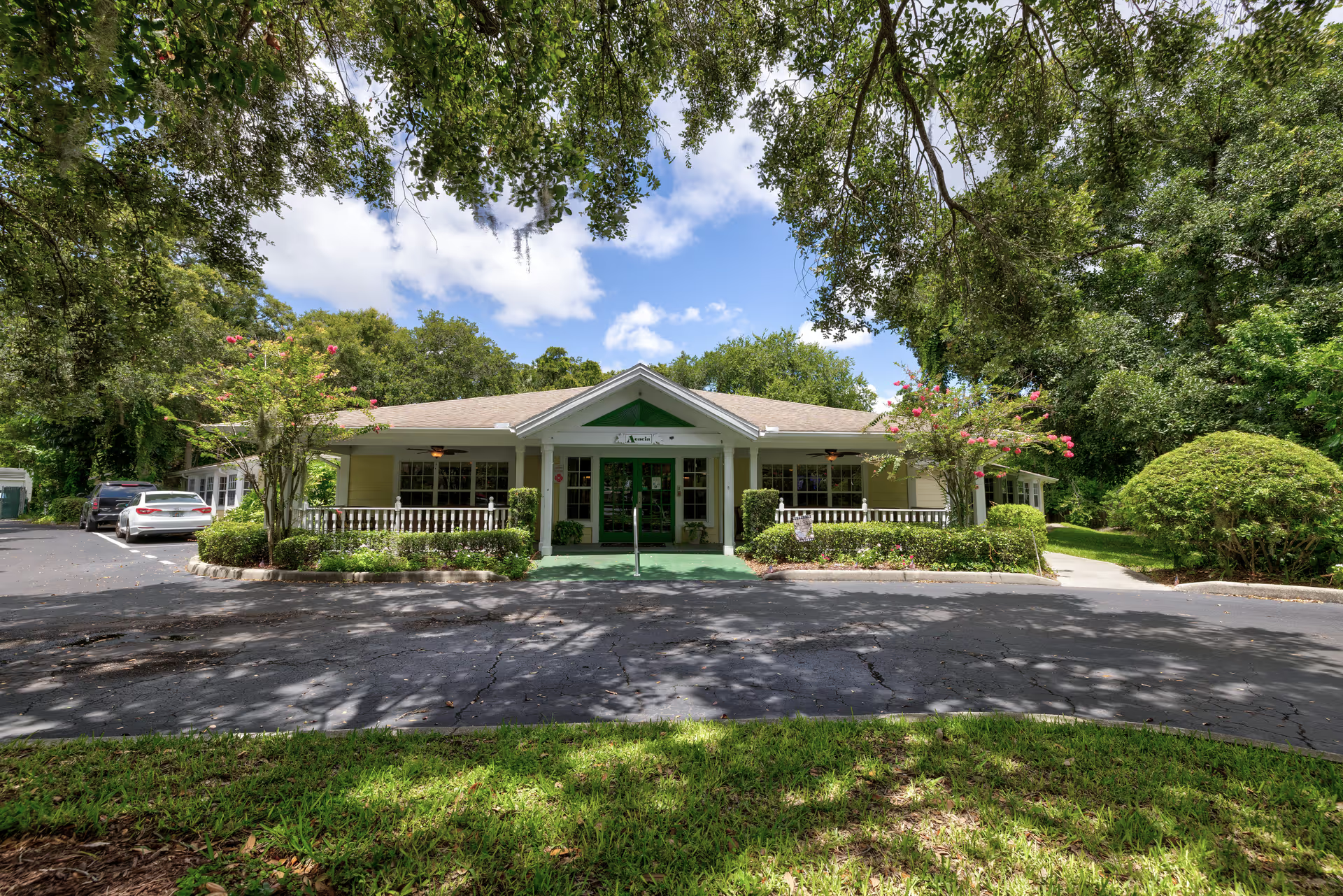
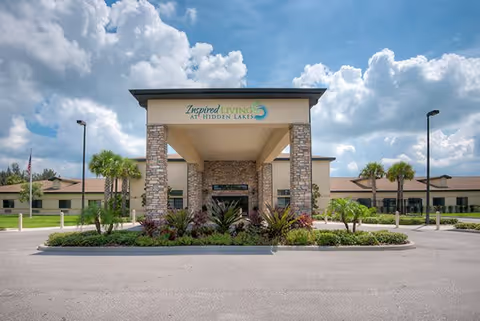
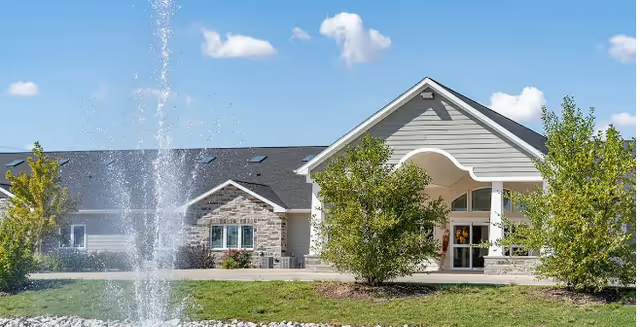
Brookdale Pointe West presents as a small, memory-care–focused community with several operational strengths and some notable areas of concern. The facility is organized around an atrium-centered layout with an attractive entrance, courtyard and outdoor spaces, and generally well-maintained common areas. It operates a specialized memory-care program (Clare Bridge), maintains a small census that supports personalized care plans, and offers on-site services such as an in-house barber and scheduled transportation. Many families praised the food (including a private dining room option), regular activities and outings, and the presence of clinical staff such as a 24-hour RN.
Care and staffing at the community show a mixed picture. Numerous reviewers described committed, attentive caregivers who know residents by name and provide individualized assistance with daily routines, dressing, and engagement. The activity program and social opportunities (bus outings, pool gatherings, structured daily activities) were frequently cited as contributors to resident well-being. At the same time, reviewers described variability in staff professionalism and responsiveness across shifts and personnel; this variability appears linked to staffing instability and use of fill-in or temporary aides. Operational issues raised by families point to concerns about incontinence-care delays and inconsistent bathing schedules, which are clinical-quality patterns worth investigating when evaluating placement.
Dining and programming receive largely positive remarks: meals are described as well served, homestyle at times, and there are multiple programmed activities each day. Some families noted opportunities for menu adjustments (for example, more finger-food options for residents with limited utensil use). The facility’s small size supports personalized attention and frequent socializing, but that same scale means that staff shortages or turnover can have an immediate impact on resident experience.
Management and administration are portrayed inconsistently. Several reviewers praised prompt communication, a helpful admissions/liaison process, and supportive management; others described lapses in family communication during staff turnover and billing/respite-administration problems after short stays. A small number of serious concerns were also recorded, including alleged impaired-on-duty conduct and questions about the facility’s response to a clinical incident that culminated in a resident’s death; these accounts underscore the importance of confirming incident-response protocols, clinical escalation pathways, and post-incident family communication practices during a tour.
Overall, Brookdale Pointe West offers many features families seek in a memory-care setting—specialized programming, a small and home-like environment, clinical staffing presence, and active social programming—while also showing patterns that some families found concerning, especially around incontinence care, bathing consistency, staffing variability, and administrative follow-through. Prospective residents and their families should tour multiple shifts, ask for details on staffing ratios, incontinence and bathing protocols, clinical escalation procedures, and respite-readiness, and request recent quality indicators or inspection summaries to get a fuller picture of current operations.