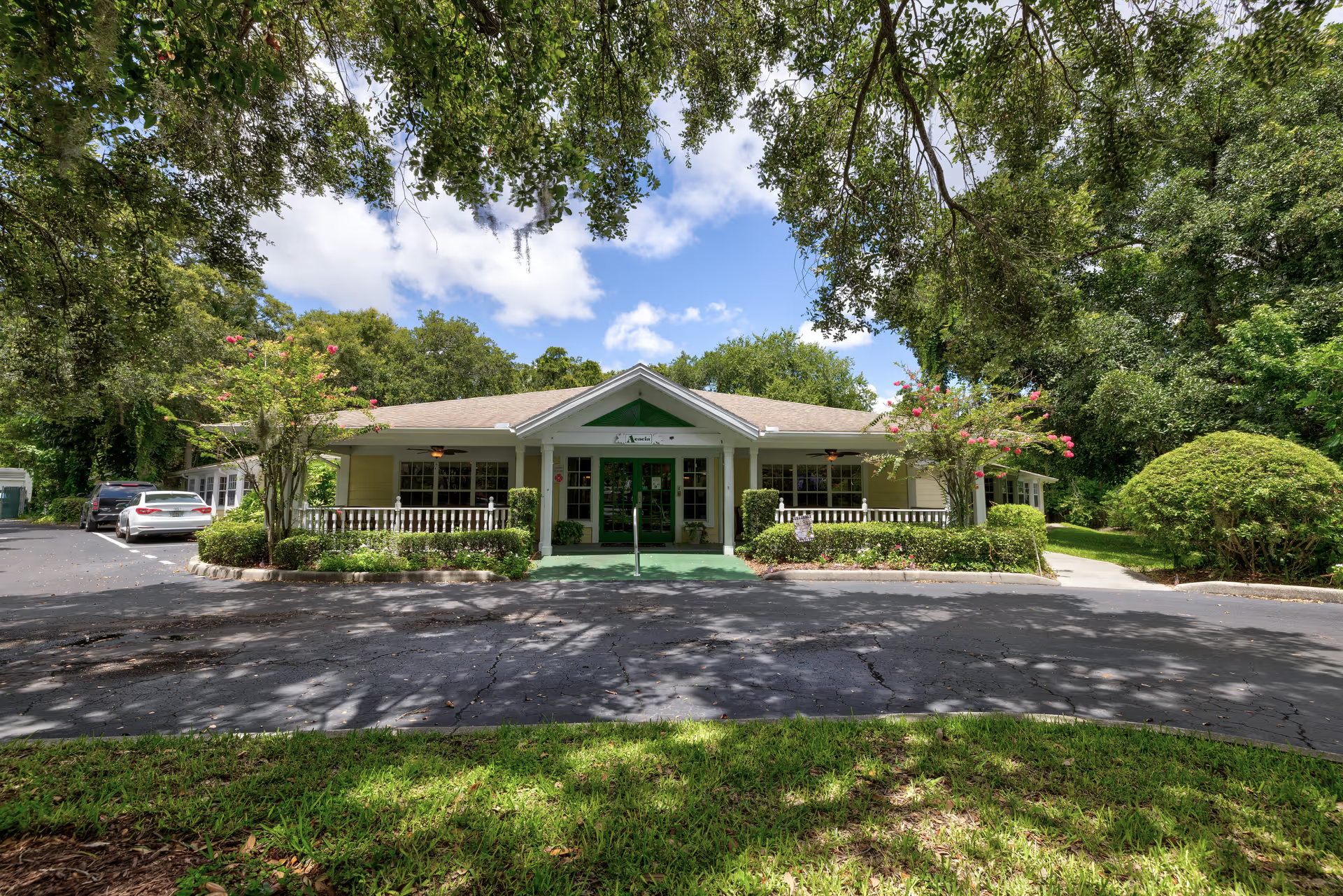
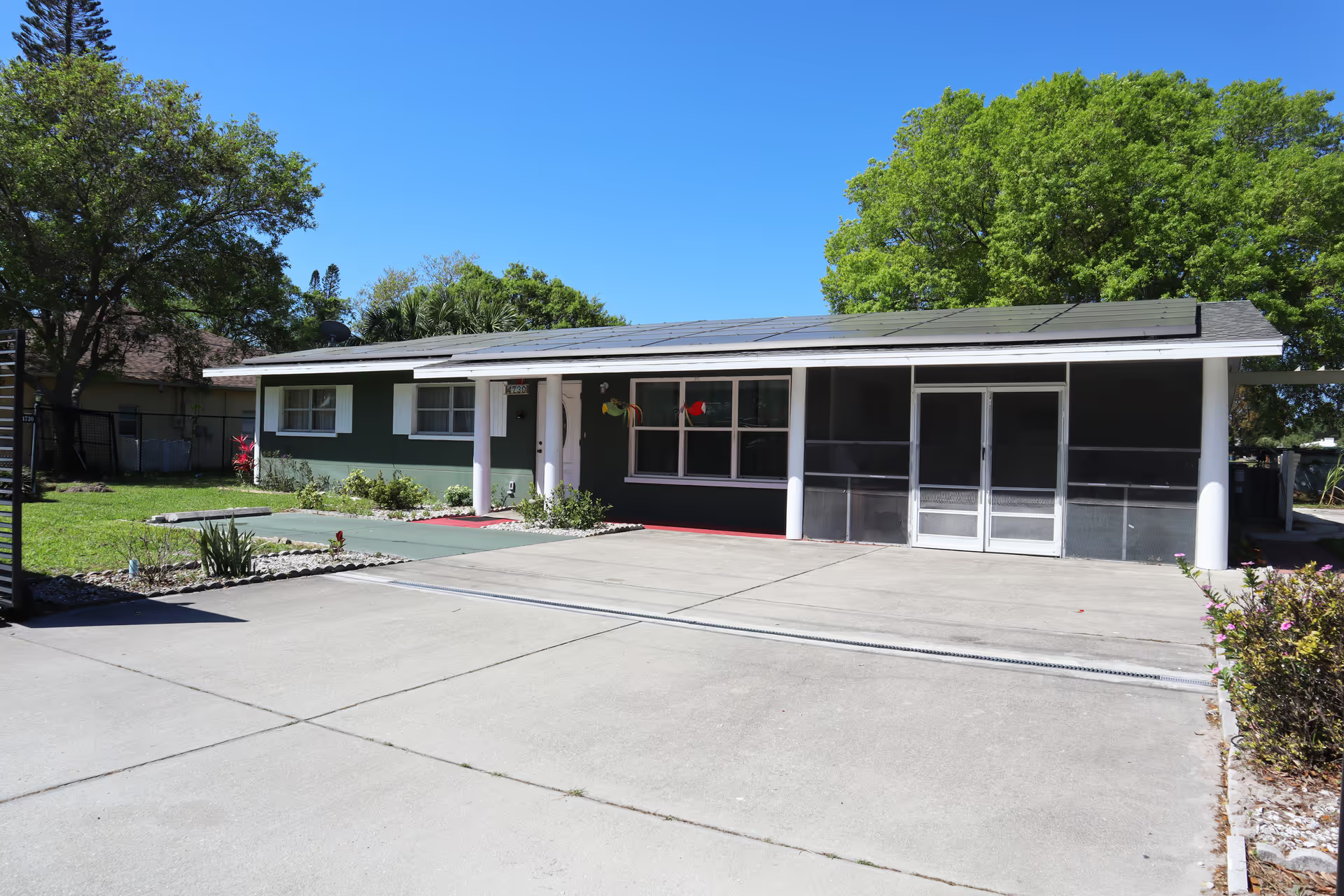
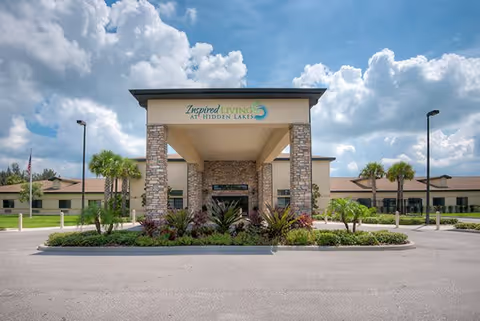
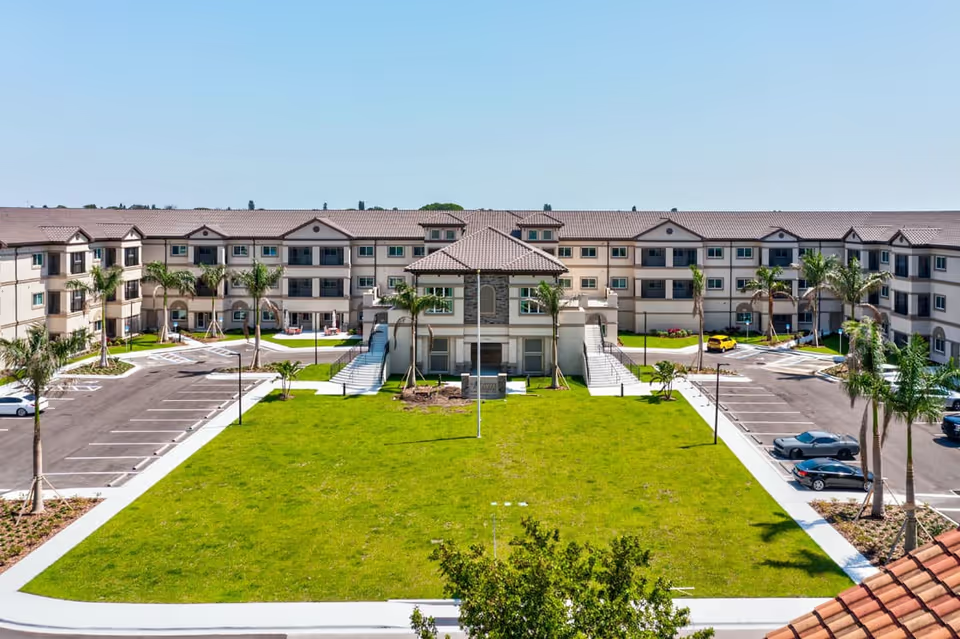
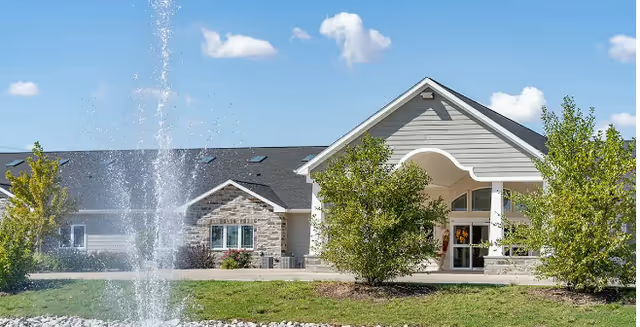
Manatee River Assisted Living presents as a small, family-owned, owner-operated community with a home-like atmosphere and on-site nursing support. Many reviewers emphasize the welcoming nature of the staff, accessible management, and a caring approach to residents. The dining program and social aspects are frequently highlighted: the facility provides three daily meals, family-style dining in multiple dining areas, routine group activities such as bingo, games, exercises and church attendance, and is pet-friendly—including accommodation of an assistance dog. Several families also cited affordability and availability of respite and Alzheimer’s-care services as reasons for choosing the facility.
Care quality and staffing feedback is mixed. Positive comments focus on compassionate, responsive caregivers and visible nursing presence; however, a number of reviewers identified operational weaknesses that affect care consistency. Key concerns include inconsistent medication administration and recordkeeping, variable staffing levels (notably on weekends), and gaps in incident documentation and family notification processes. Some reviewers also raised issues related to communication tone and responsiveness between staff and families, and perceptions of differential treatment tied to payment arrangements.
Dining and activities are generally seen as strengths in terms of menu variety and social engagement, but operational inconsistencies were noted. While many residents enjoy the food and the communal dining experience, others reported irregular meal timing and variability in menu or dessert availability. Activity programming is present and often appreciated during weekdays, but weekend programming and engagement appear limited in some instances.
Facility condition and housekeeping feedback is mixed as well. The community’s smaller scale and home-like layout are positives for social connection, yet several reviewers described deferred maintenance and worn areas of the building. There are also sanitation and housekeeping concerns in specific common areas, inconsistencies in linen-change and cleaning routines, and occasional maintenance delays. These issues appear clustered in older or high-traffic parts of the facility.
Management and transparency present a similar pattern of strengths and weaknesses. Many families praised the approachable, hands-on management style and said administration was easy to work with. At the same time, others raised concerns about communication, accuracy of online listings or advertisements, and the need for clearer policies on incident reporting, medication protocols, and weekend staffing. Given the mixed feedback, prospective residents and families would be advised to conduct an in-person visit, ask for current staffing schedules (including weekend coverage), request written medication and incident-reporting procedures, review housekeeping and linen-change schedules, and confirm any marketing claims about amenities and services prior to committing. These steps can help clarify whether the facility’s strengths align with an individual resident’s care needs and expectations.