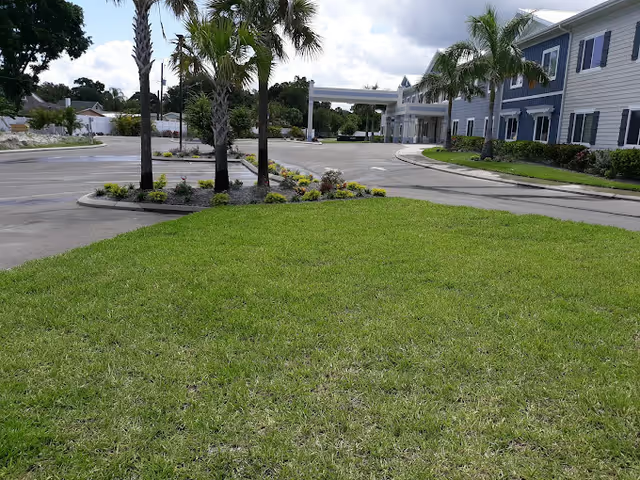
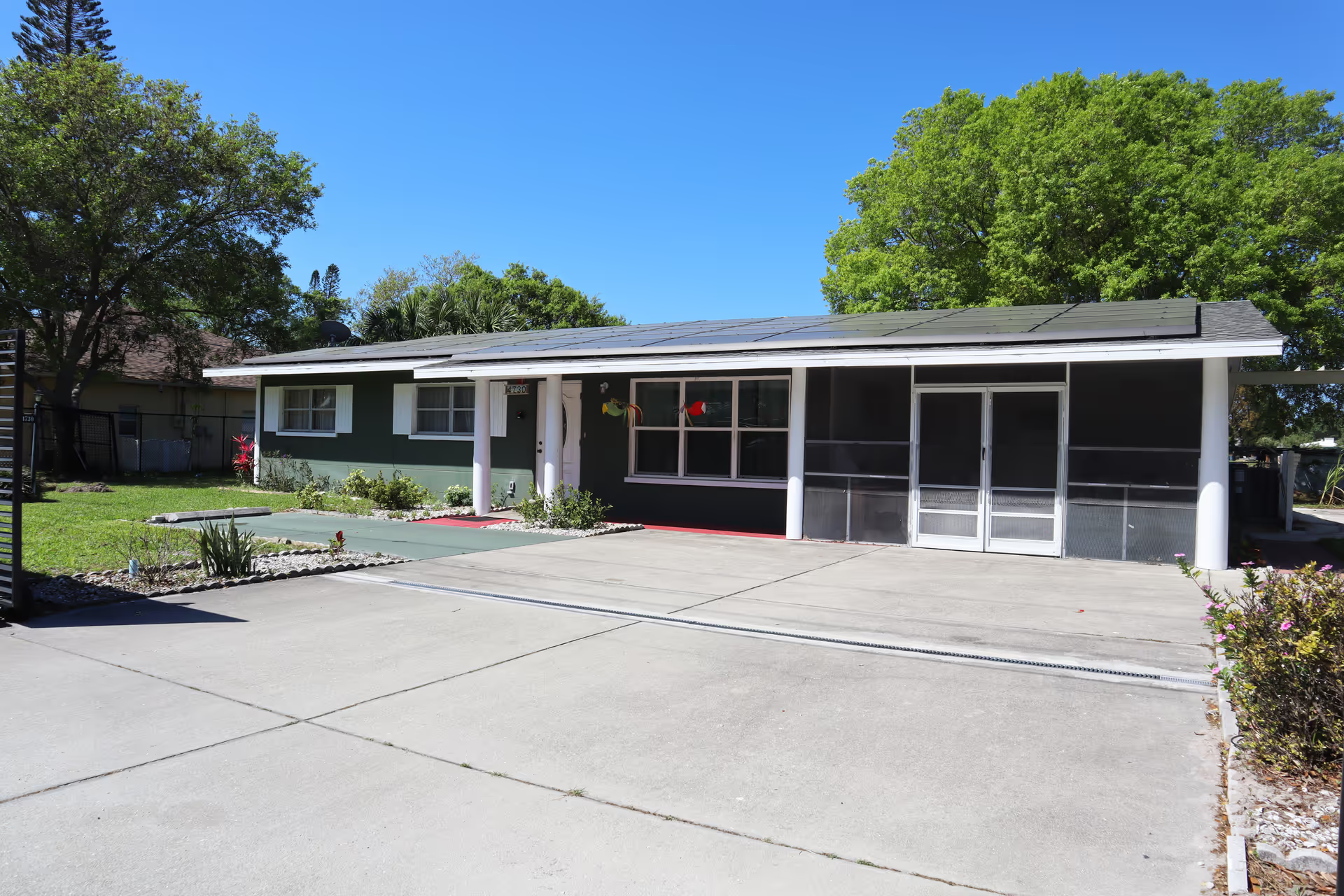
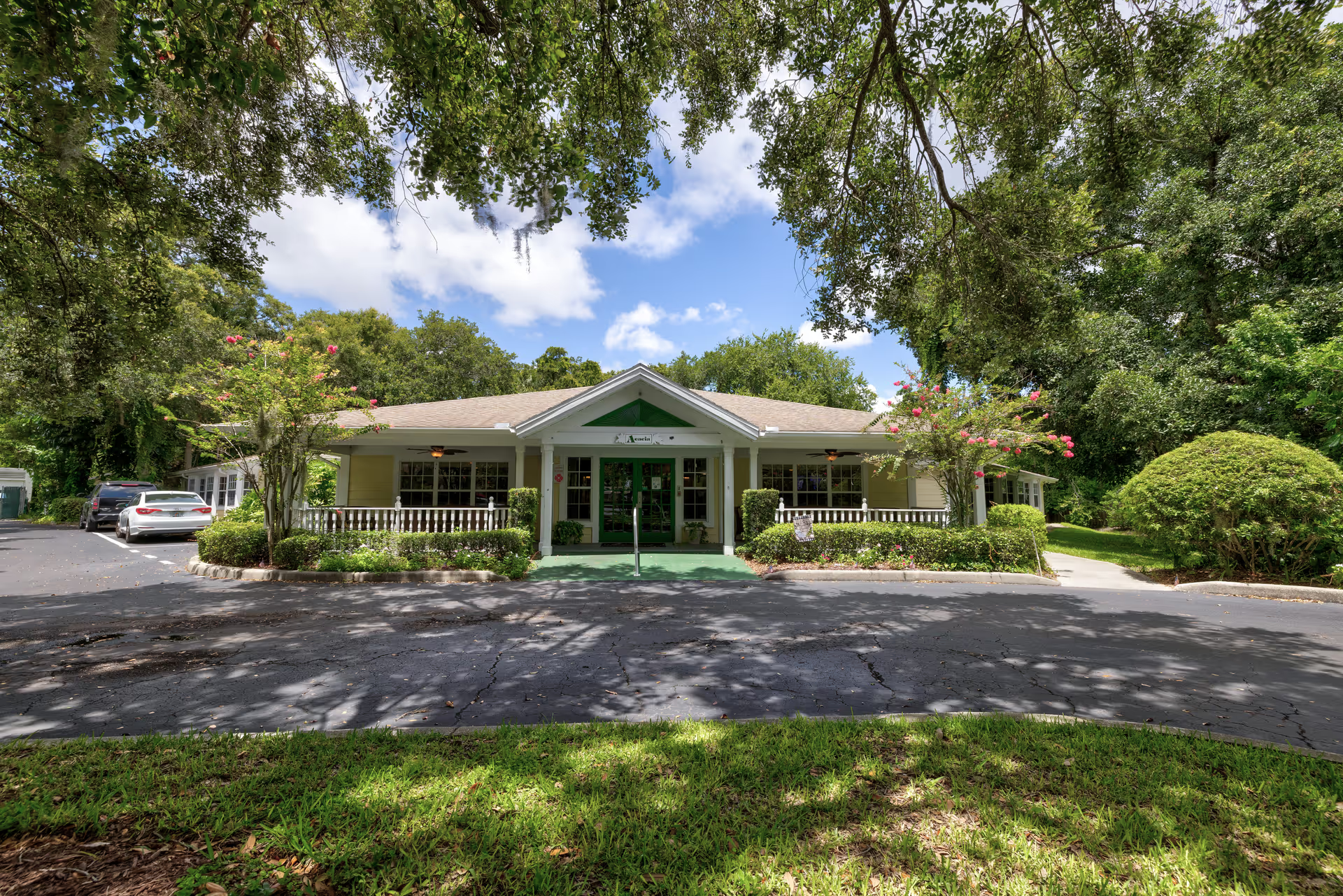
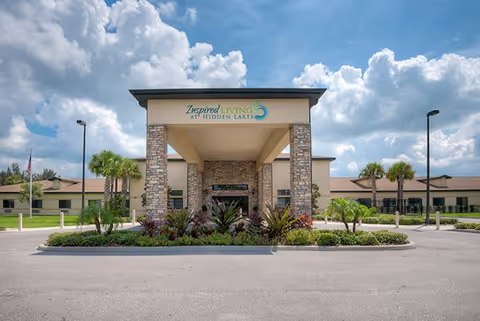
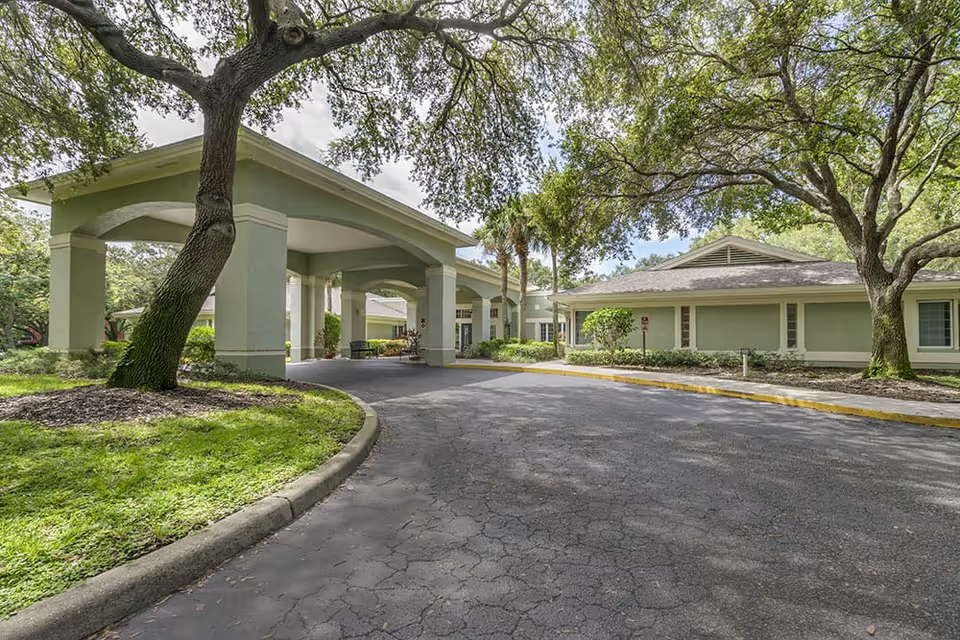
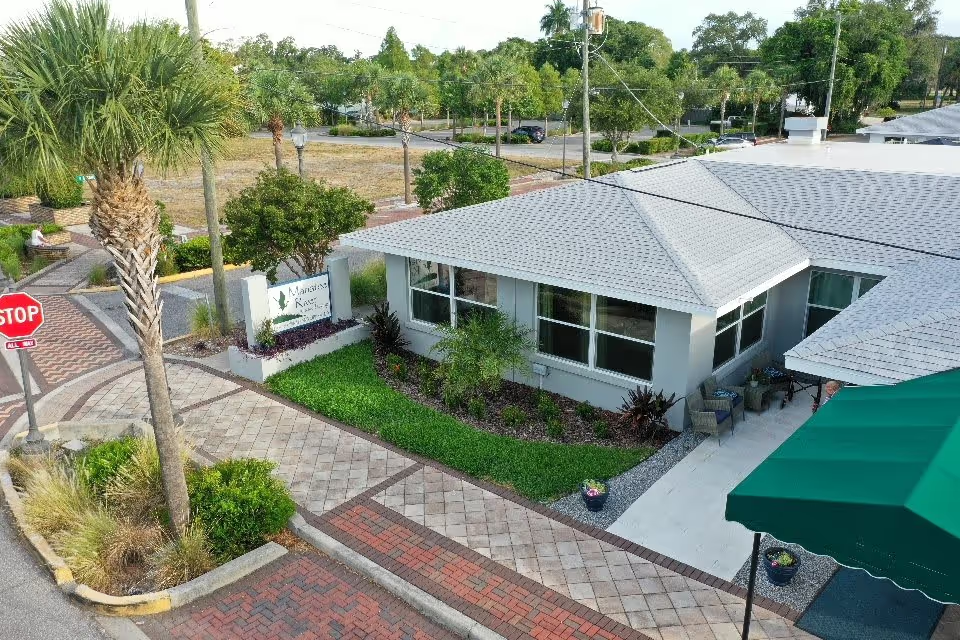
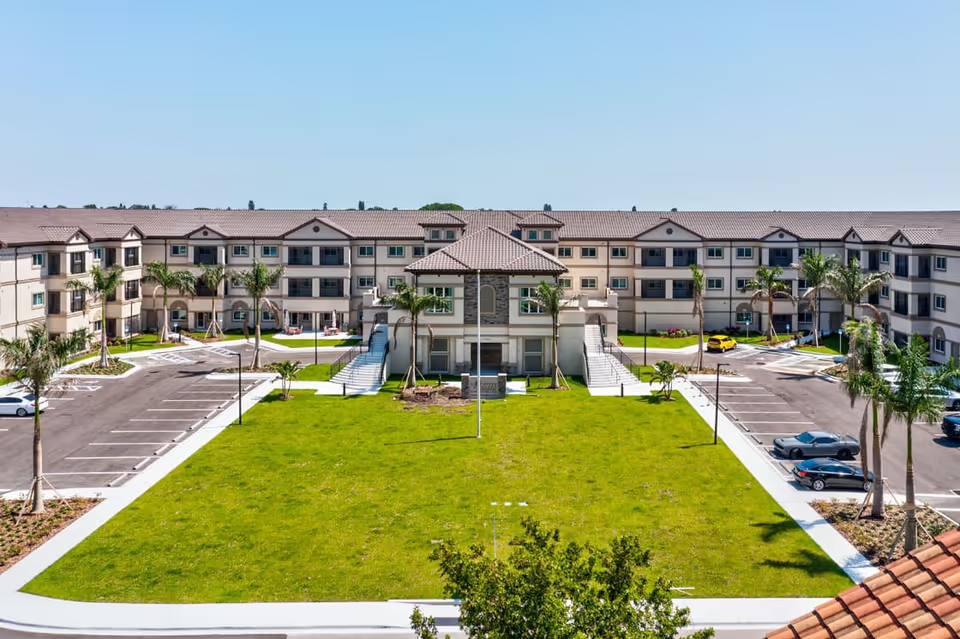
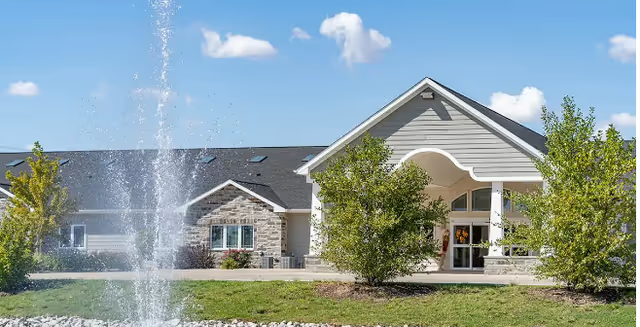
Water's Edge of Bradenton presents as an upscale, well-appointed senior community with a wide array of physical amenities and a generally welcoming campus atmosphere. The property is described repeatedly as new or recently updated, with large apartment layouts, private outdoor spaces, villas with garages, and resort-style common areas including heated pools, a fitness center, movie theater, and multiple libraries or activity rooms. Many families highlighted ease of move-in, effective admissions coordination, and consistent housekeeping and maintenance in portions of the campus.
Staff quality and resident interactions are a clear strength in many accounts. Reviewers praise front-line caregivers, waitstaff, admissions personnel, life-enrichment coordinators and specific nursing leadership for being attentive, compassionate and engaged. This theme extends to continuity across care levels—independent living through memory care—and to social aspects of community life: frequent clubs, outings, religious services, entertainment and structured enrichment that many residents find meaningful.
Dining and food service emerge as a persistent mixed area. Several families described high-quality, chef-driven meals at times, special events and delivered-in-apartment options. At the same time, recurring concerns include chef turnover, inconsistent meal preparation and portioning, limited on-floor or in-unit menu choices for some independent-living residents, and complaints about freshness and variety. These inconsistencies have affected resident satisfaction and are coupled in some reports with staffing shortages in the dining room that impact service and assistance during meals.
Operational and management patterns merit attention. There are multiple references to elevated staff turnover — particularly among culinary, activities and supervisory roles — and to unfilled positions that have produced service gaps. Families describe variable responsiveness from management and occasional breakdowns in communication about care, activities and billing. Several accounts raise issues relevant to clinical operations: gaps in medication-storage controls, instances of missing personal items or unsecured belongings, and limited on-site clinical staffing at times. These patterns point to systemic areas where operational oversight could be strengthened.
Care quality and safety perceptions are mixed. Positive reports describe caring nursing staff, attentive memory-care teams, and effective support for transitions and rehabilitation. Conversely, some descriptions indicate periods of understaffing in assisted and memory-care units that contributed to delayed assistance at meals and other daily activities. There are also isolated but serious claims about missing personal items and medication-storage practices; while not definitive on their own, they suggest the need for clearer policies and stronger controls around personal-property security and medication management.
In sum, Water's Edge offers a strong physical plant, broad amenity set and many examples of high-quality, person-centered staff interactions and engagement programming. At the same time, prospective residents and families should evaluate current dining arrangements, ask about staff turnover and vacancy rates, review medication and property-security protocols, and clarify billing and fee practices. A focused conversation with leadership about recent staffing changes, the culinary program, and measurable steps taken to address the operational issues noted above will help determine whether the community’s strengths align with an individual resident’s priorities.