Villas of Holly Brook: Bradenton 14th St presents a mixed but fairly consistent pattern: many families praise the day-to-day caregivers, activities, and the facility’s newer, well-kept public spaces, while operational and leadership issues are recurring concerns. Positive accounts emphasize staff who are attentive, communicative, and proactive; a strong activities program that includes small-group engagement, seasonal events, and pet interactions; and a layout and common areas described as attractive and home-like. Memory-care availability, hospice and therapy integration, and move-in assistance are additional strengths highlighted by multiple families.
Care quality is described unevenly. Where staffing is stable, reviewers note compassionate, competent care and good coordination for medical appointments. However, reviewers also describe high staff turnover and gaps in training that can lead to inconsistent bedside manner and variable personal-care practices. Several accounts indicate that assistance during mealtimes and certain hygiene tasks can be inconsistent, which points to operational variability rather than a uniform standard of care. Infection-control practices and staff vaccination policies were identified as an area of concern by some families.
Dining and activities represent a clear contrast: the activities program receives repeated positive remarks for being varied, personal, and engaging, including meaningful pet and family-day events. Food quality is characterized as average to good; vegetarian options and accommodating meals are available, but reviewers note limited menu variety, occasionally dry dishes, and portion sizes that may not suit every resident. Operational challenges such as understaffing during peak service times also appear to affect mealtime support for some residents.
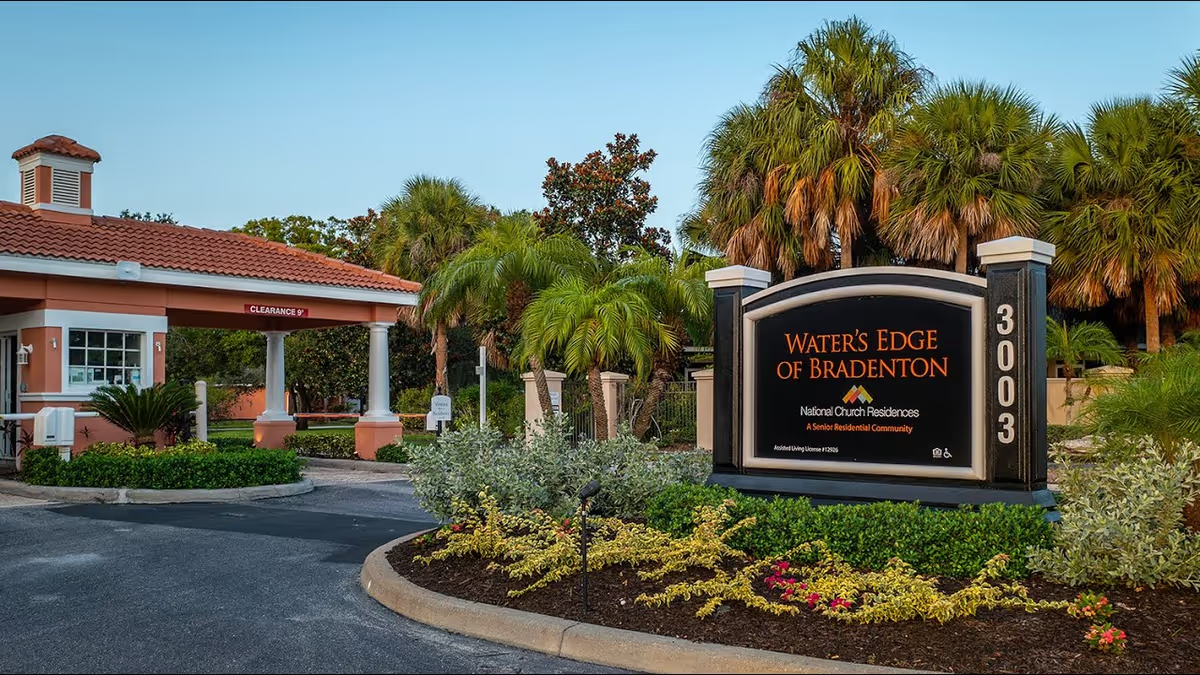
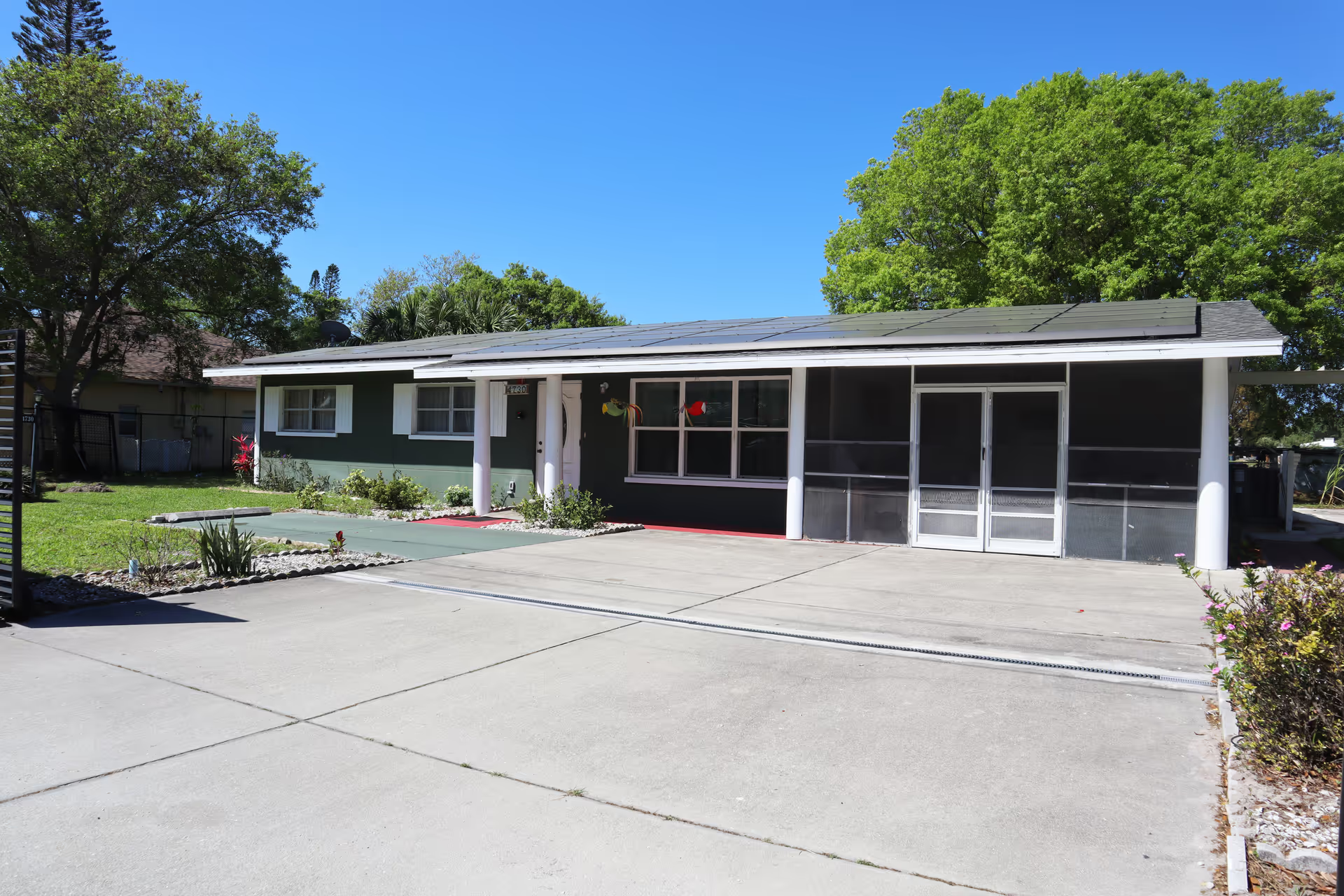
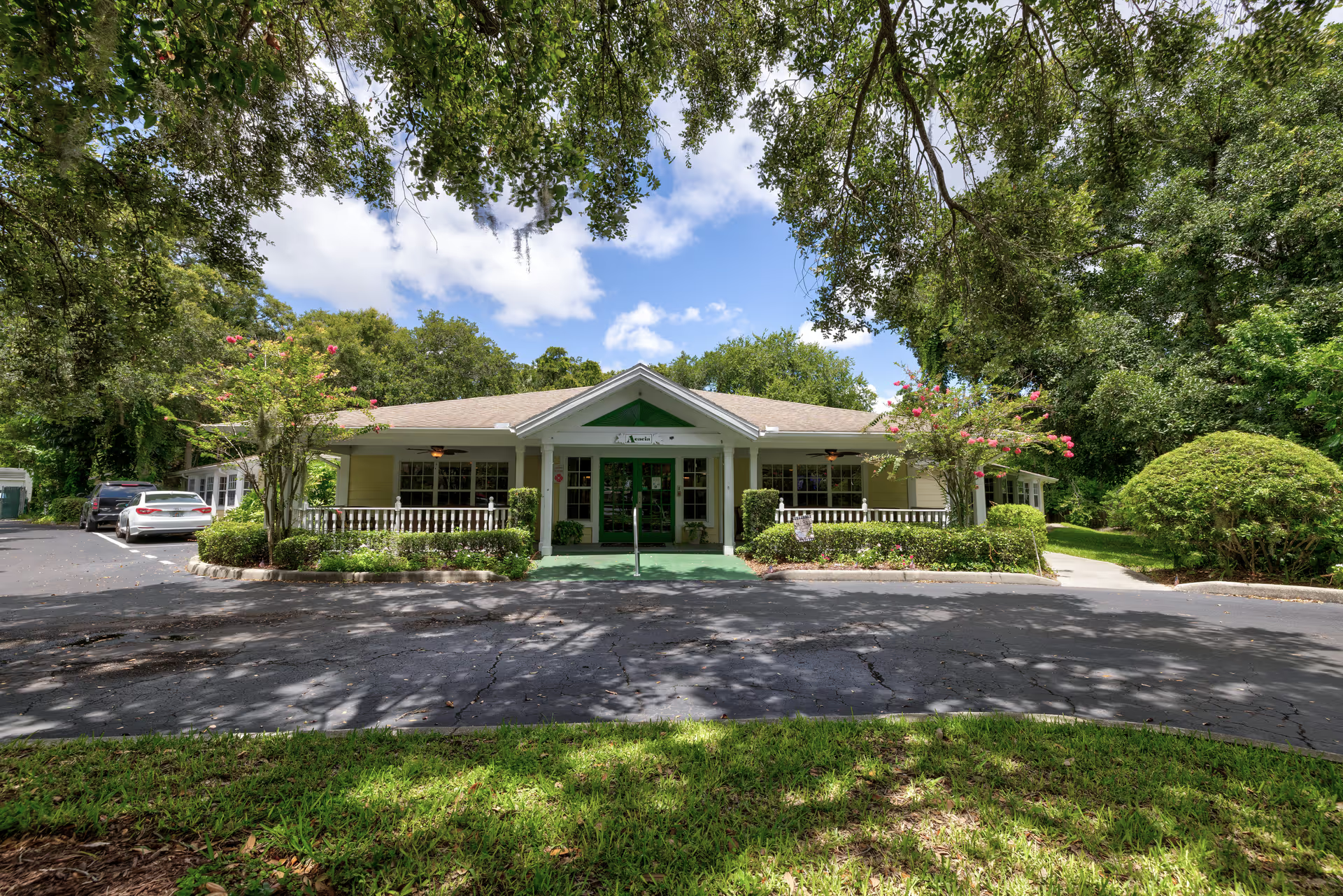
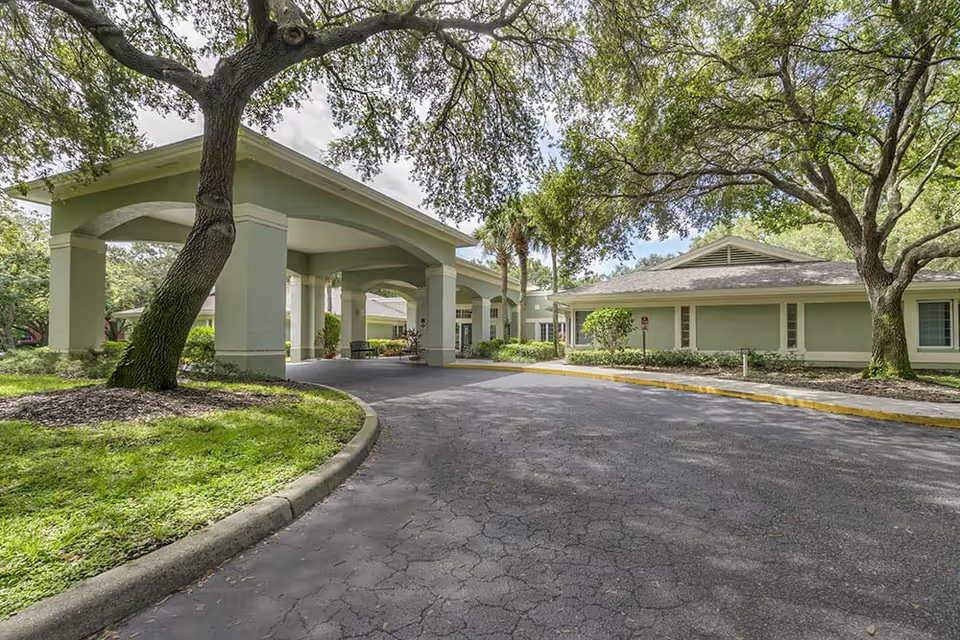
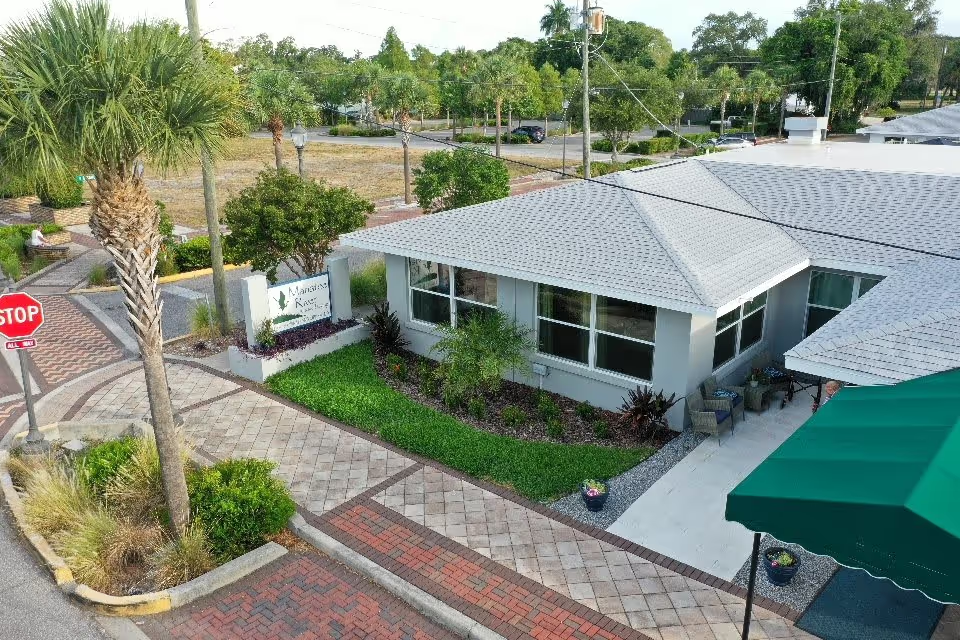
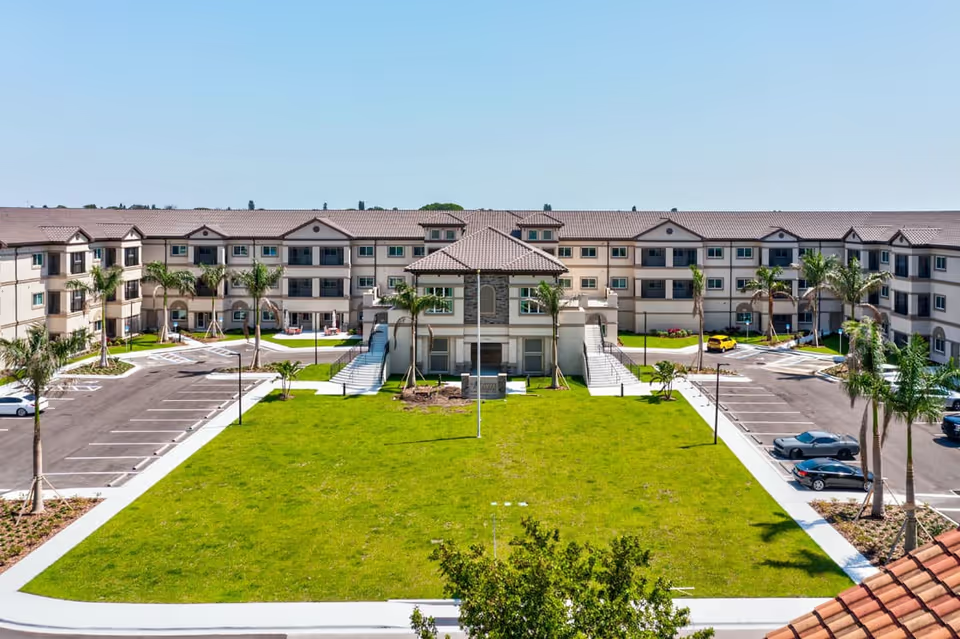
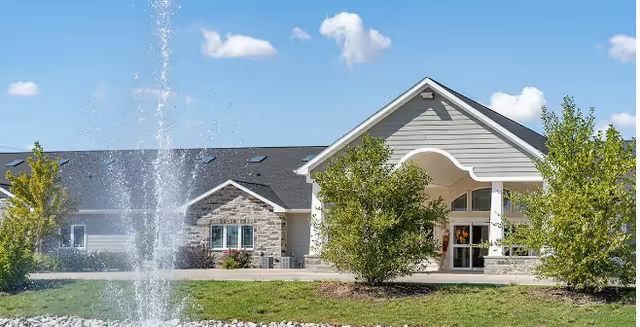
The physical facility and amenities are generally well regarded: the building is relatively new, public areas are clean, and apartments are described as comfortable with flexible furnishings. At the same time, room-level cleanliness and other sanitation concerns were raised in multiple descriptions, indicating inconsistency between public spaces and private units. The urban location is noted as convenient but can be noisy for some residents.
Management and organizational patterns are the most polarized element in the feedback. Several families praise specific leaders (executive and sales directors) for responsiveness and compassion, while others describe management instability, confrontational interactions, and a perception of poor escalation or corporate responsiveness. These divergent accounts suggest variability in leadership experience and uneven mechanisms for resolving family concerns.
For prospective residents and families: consider verifying current staffing-stability metrics, turnover rates, and staff training/continuing-education practices; ask for documented cleanliness and infection-control protocols (including vaccination policy); request a sample menu and inquire about meal assistance procedures and peak staffing levels; observe an activities session and ask about pet-therapy and family-event scheduling; and clarify the facility’s family-engagement and complaint-resolution processes. A short trial stay or an extended visit during a meal and an activity period can help assess consistency between the facility’s public presentation and unit-level care and cleanliness.