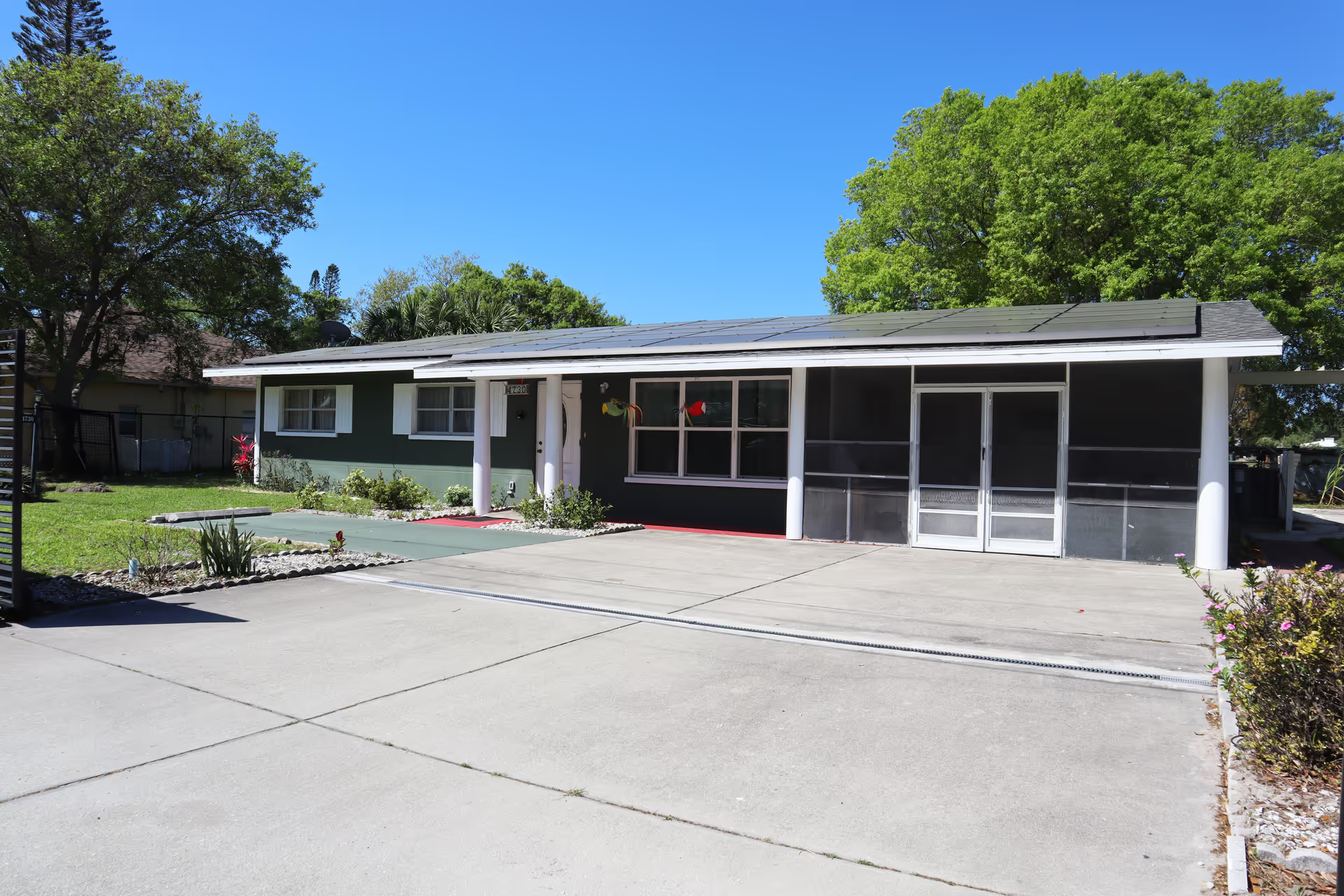
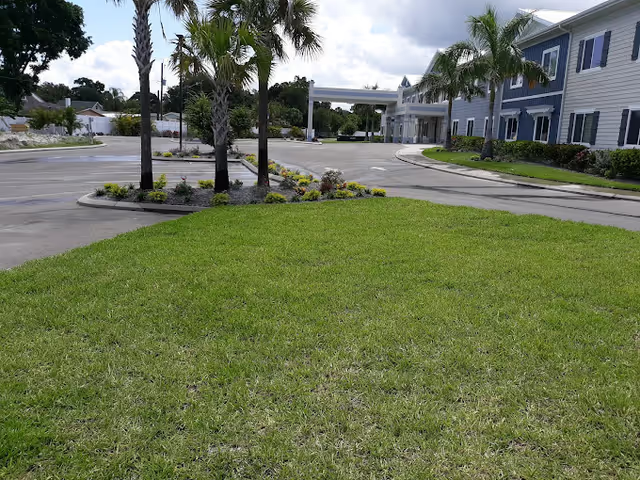
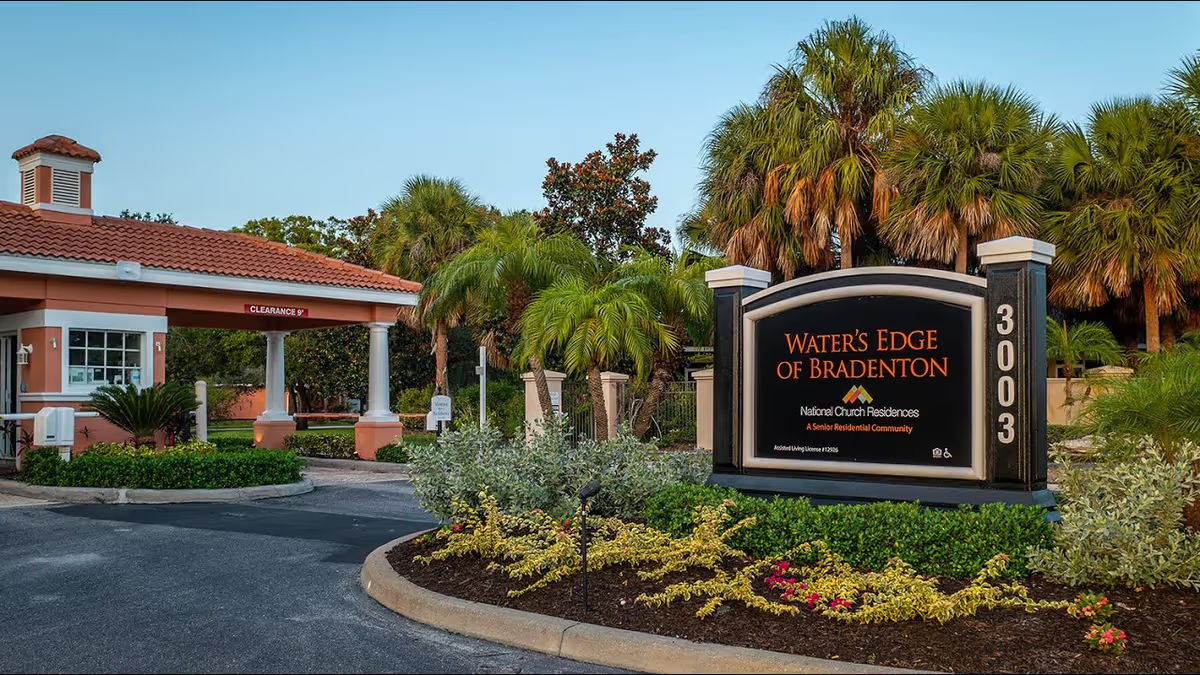
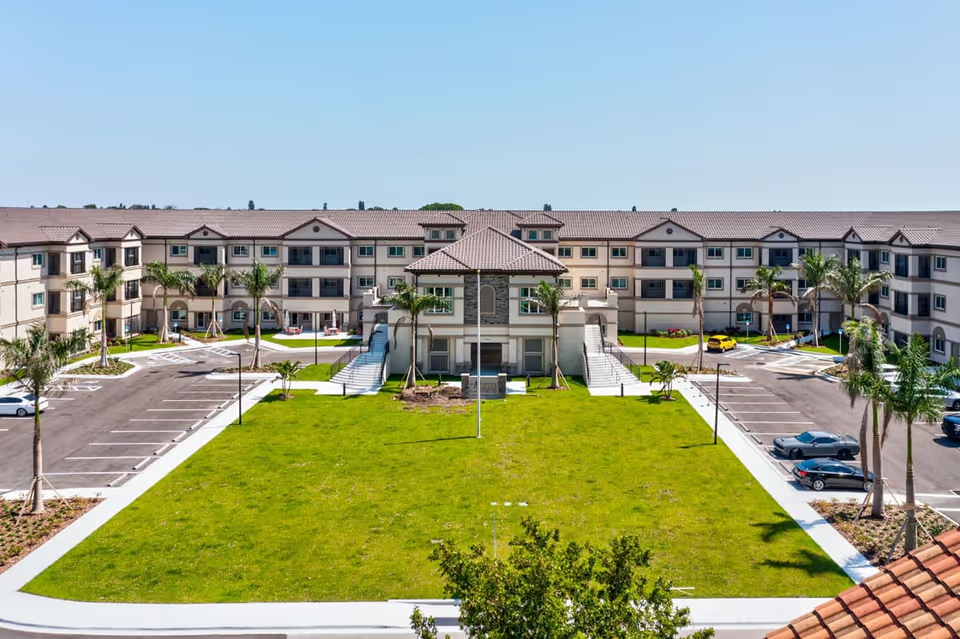
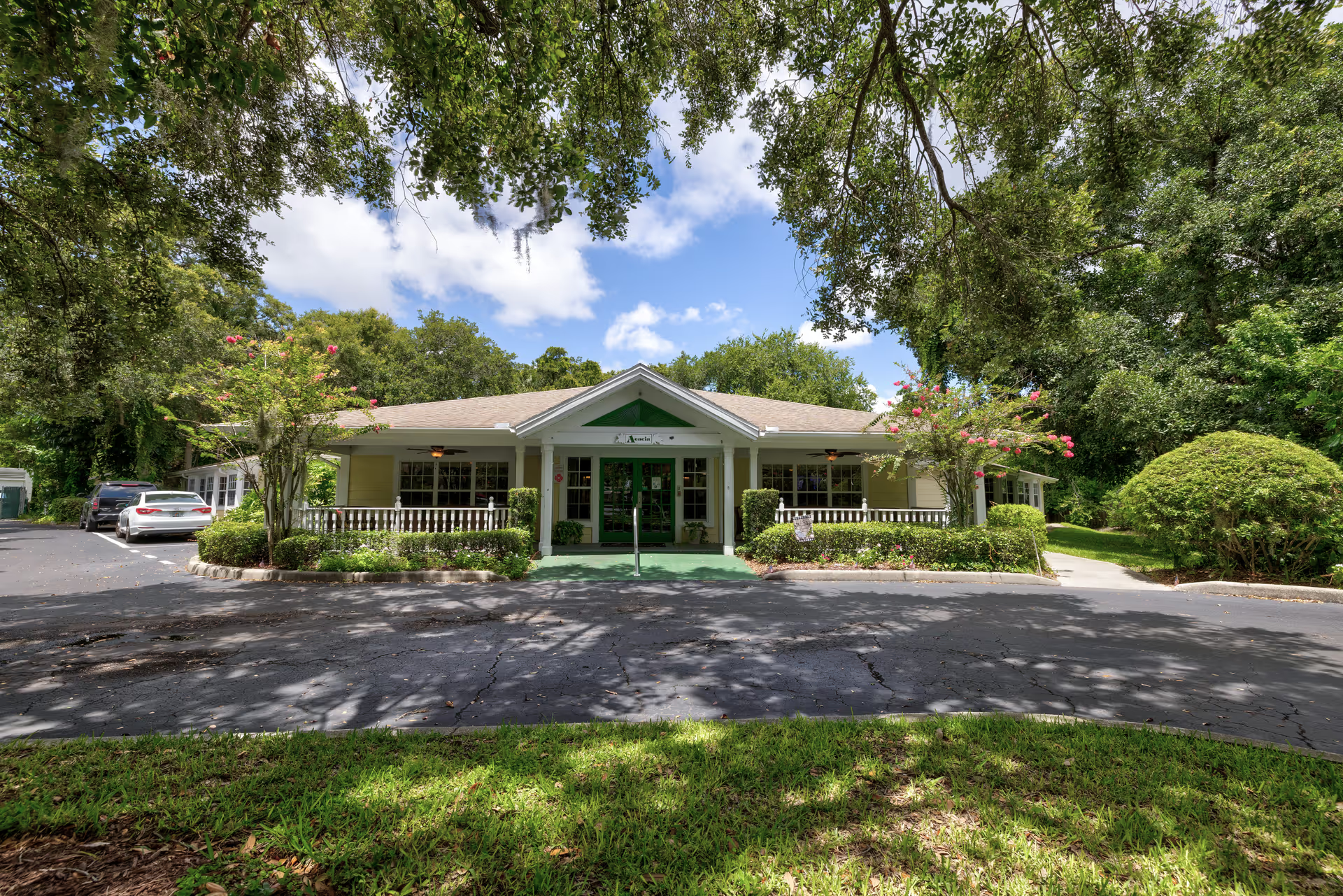
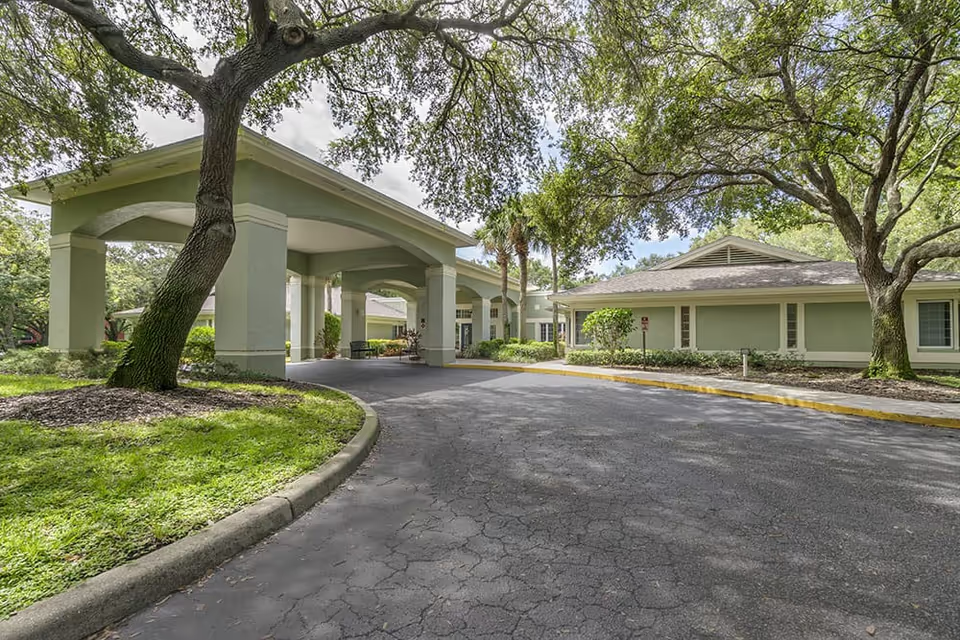
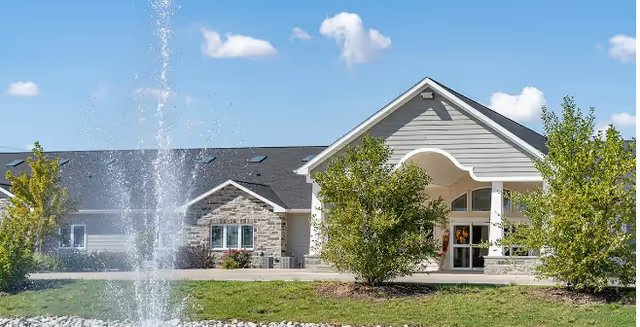
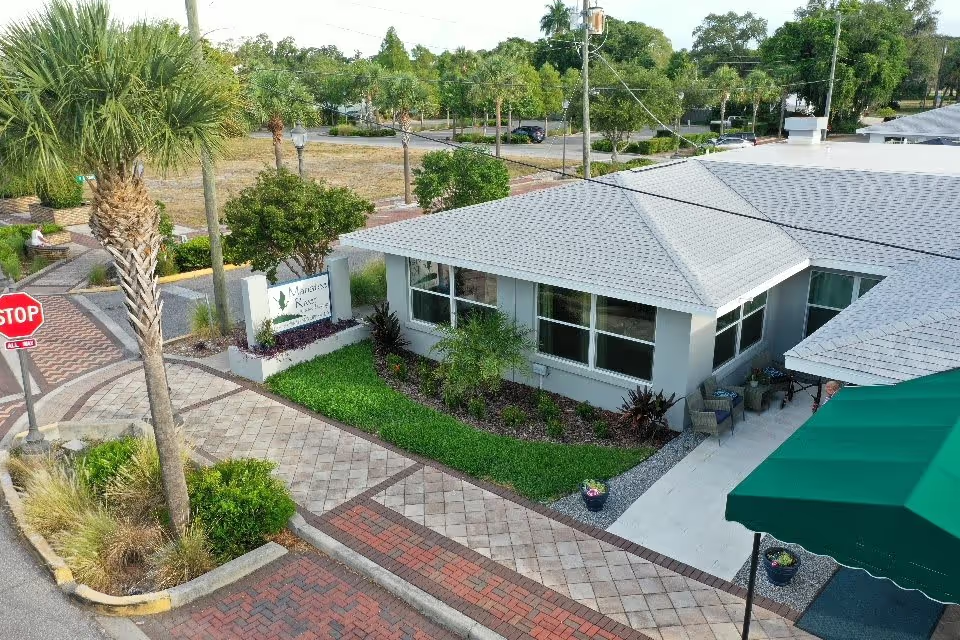
Inspired Living Hidden Lakes receives substantial positive feedback for its physical environment, activity programming, and many individual staff members. Families and residents frequently describe the facility as clean, bright, and well maintained, with attractive grounds, a secure gated courtyard, gazebo and walking paths. The community layout, common areas and opportunities for room personalization contribute to a home-like atmosphere that many find comforting.
Care and staffing are common themes that contain both strong praise and notable caveats. Numerous comments highlight compassionate, engaged caregivers, skilled med techs, and staff who understand dementia-specific approaches such as consistent dining routines and memory boxes. At the same time, reviewers describe uneven staffing levels, frequent turnover, and differences in performance between daytime and evening/overnight shifts. These staffing inconsistencies are linked to variability in personal-care routines (toileting, grooming, and bathing) and response times for resident needs.
Dining, therapy and activities are generally strengths. The community offers chef-prepared meals, snack/cafeteria access, separate dining rooms for different assistance needs, and available physical-therapy and wellness services. Recreation leadership is frequently singled out for providing diverse programming (bingo, music, outings, themed events) and fostering social engagement. That said, some families note variable meal quality and limited activity options tailored to certain resident preferences, which can affect satisfaction for specific individuals.
Operational patterns that prospective families should weigh include laundry and belongings handling, clinical follow-up consistency (particularly for wounds and nursing follow-up), and the facility’s documentation and transparency around incidents. Multiple accounts describe lapses in laundry management, misplaced items, and gaps in medical communication; a subset of families also expressed concerns about the transparency of incident follow-up and access to records. These items point to opportunities for process improvement rather than a uniform experience across all residents.
Management and communication receive mixed assessments. Several families praise individual leaders and the sales/director-level staff for clear pricing, helpful guidance on care levels and Medicaid implications, and proactive family outreach. Others describe inconsistent communication, responsiveness, and leadership turnover that correlate with periods of perceived decline in care consistency. A number of reviewers noted that care and operations improved over time under particular staff members.
In summary, Inspired Living Hidden Lakes offers many features attractive to families seeking memory-care-focused communities: a secure outdoor environment, active programming, visible dementia-care practices, and strong examples of compassionate staff and clean facilities. However, prospective residents should also consider patterns of staffing variability, communication gaps, and operational areas such as laundry, personal-care routines, and incident transparency when making a decision. Visiting at different times of day, asking about shift staffing, reviewing incident and communication protocols, and confirming room dimensions and pricing for private rooms can help families assess fit and risk for their particular needs.