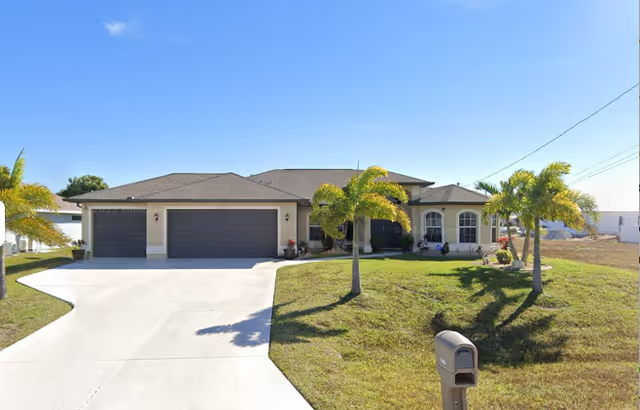
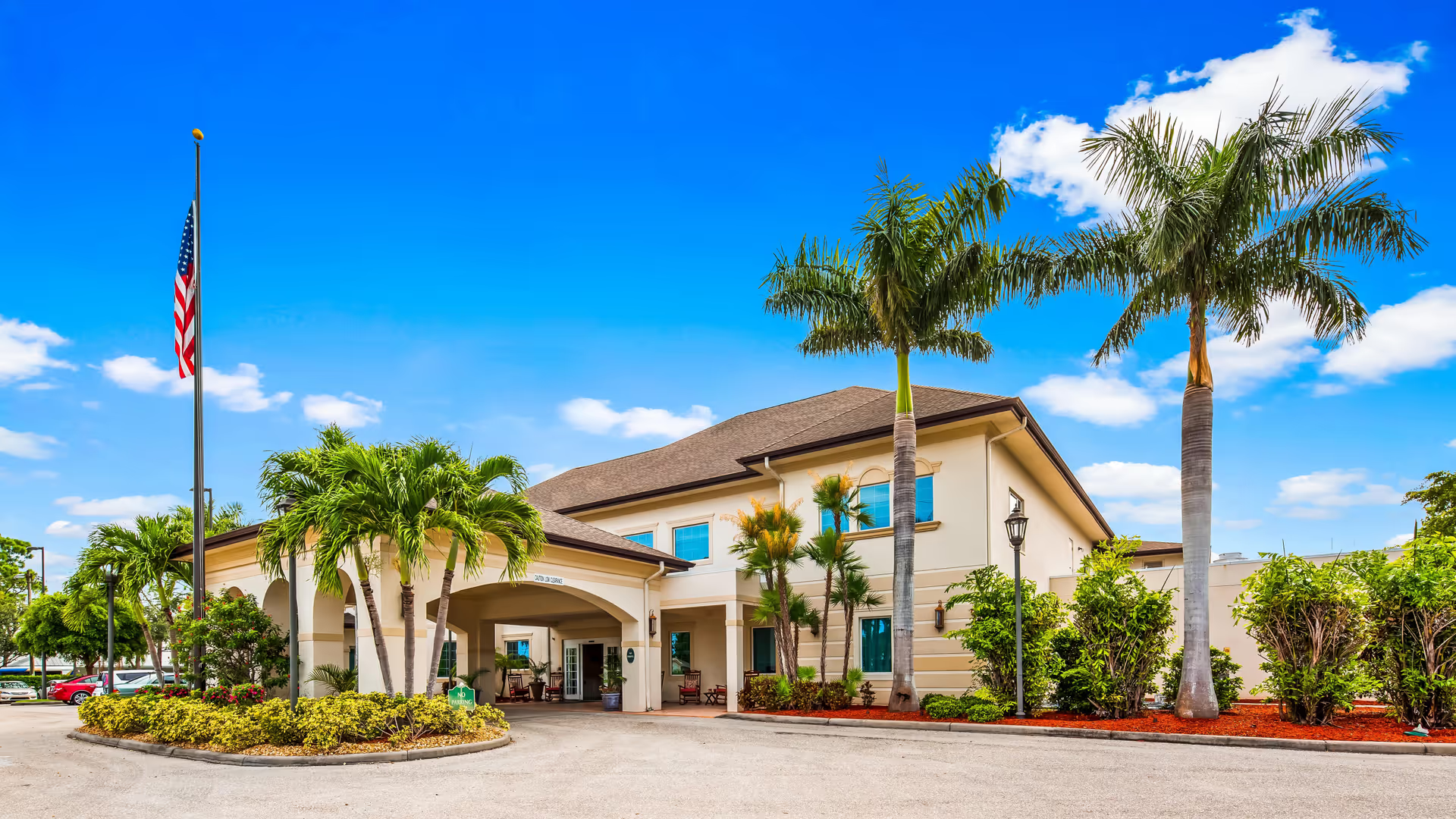
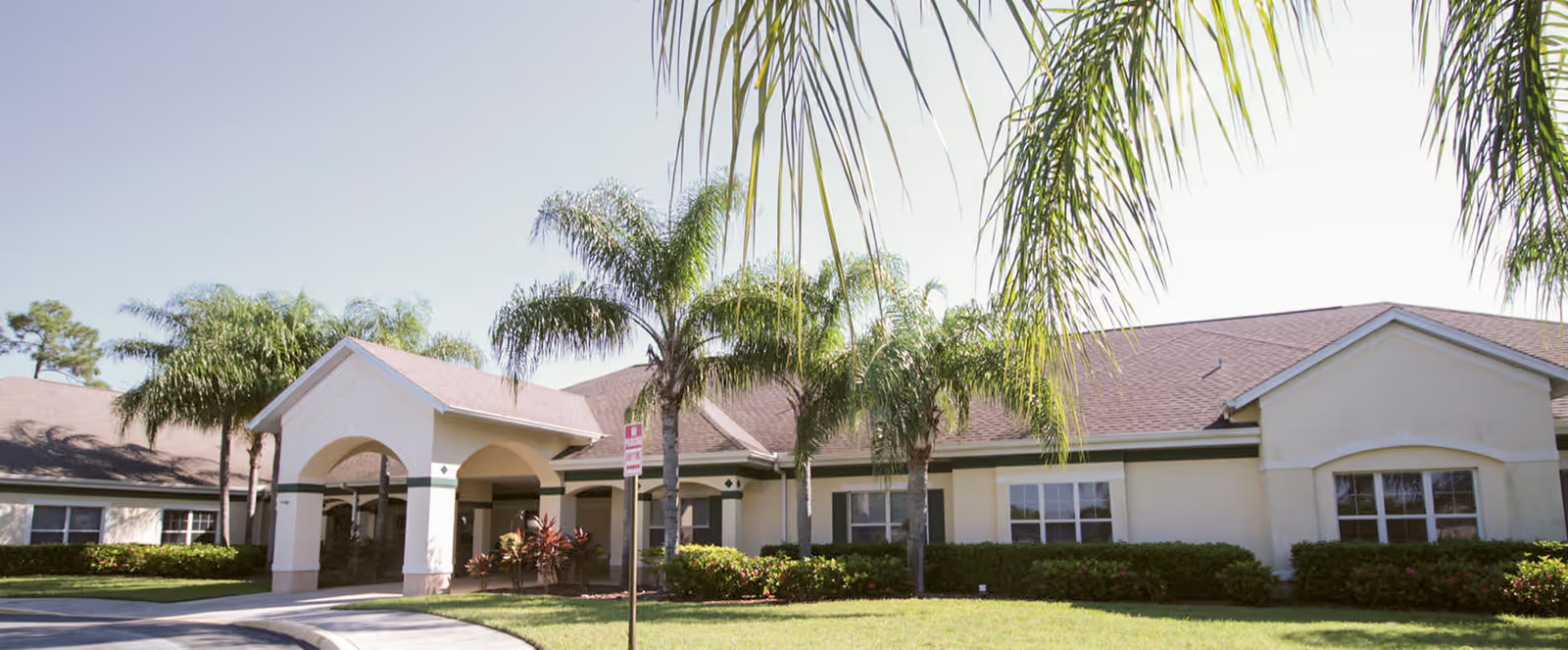
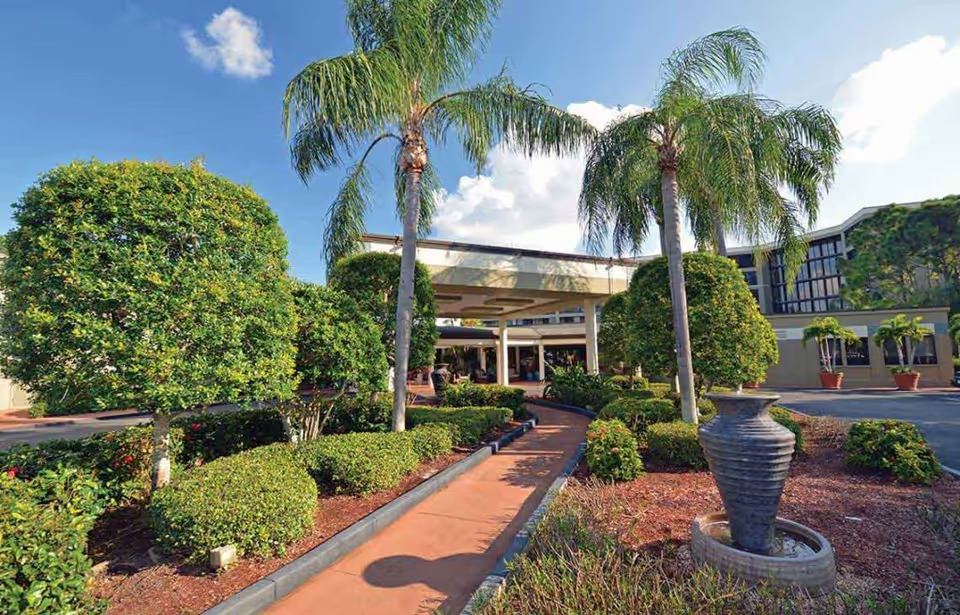
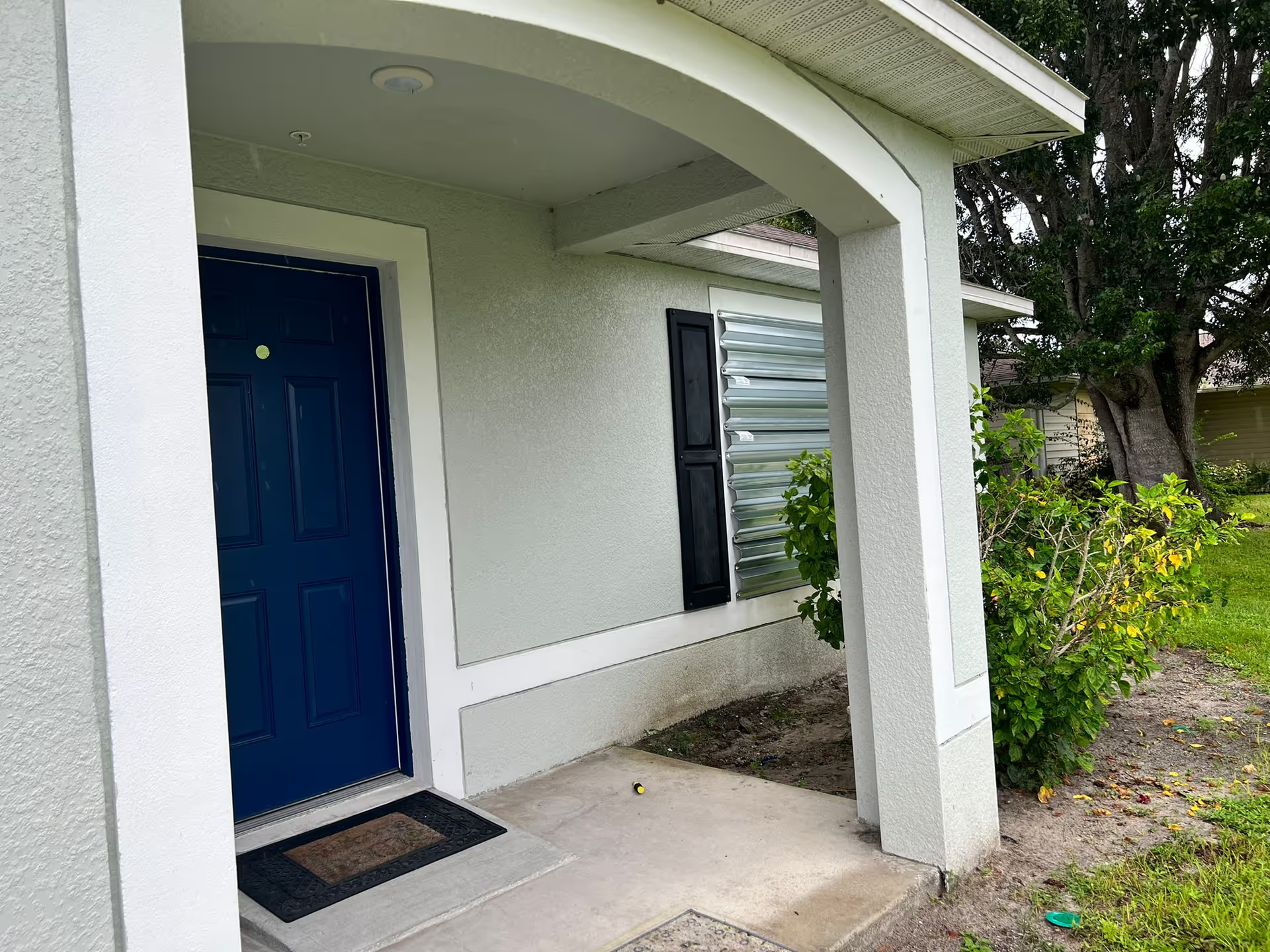
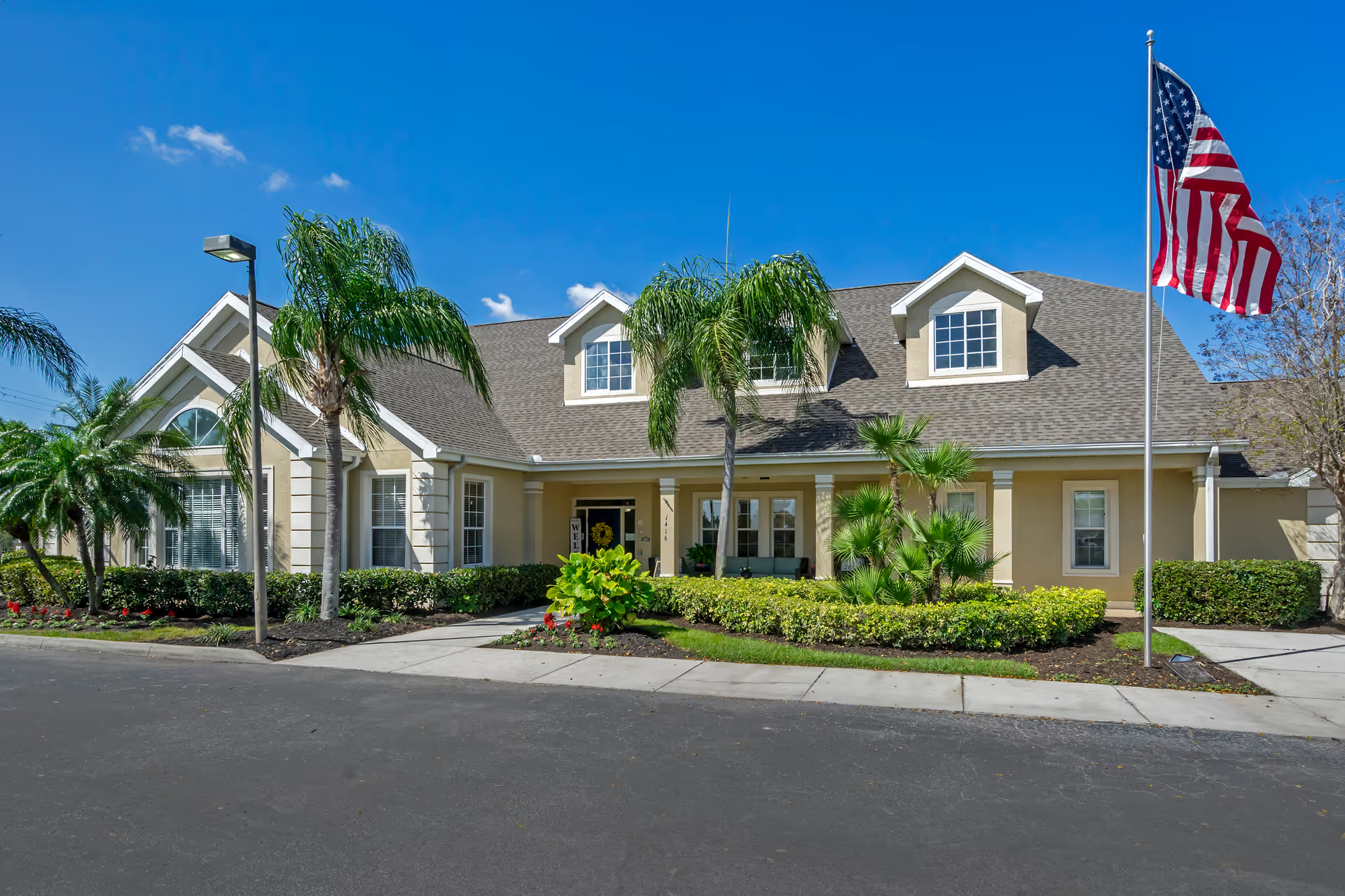
The aggregate of reviews paints Cape Coral Assisted Living Facility as a consistently well-regarded, home-like community with strong interpersonal care. Reviewers emphasize compassionate, family-style attention: staff are described as professional, dedicated, and responsive, with multiple comments about going "above and beyond." That pattern suggests a culture focused on resident comfort and relationship-based caregiving rather than an institutional model.
Care quality is presented as attentive and reassuring. Families and residents highlight individualized attention and a sense that loved ones are well cared for; the owner’s visible engagement and professional demeanor is also noted. While these accounts indicate strong personal care and good day-to-day oversight, the reviews do not provide detailed information about clinical-service scope (for example, skilled nursing, complex medical management, or formal rehabilitation). Prospective residents with higher-acuity medical needs should confirm clinical capabilities, medication-management practices, and transfer protocols directly with the facility.
Dining and activities are repeatedly praised. Descriptions include "home-cooked" meals, "spectacular" food, and varied menus; Spanish-language comments mirror the same strengths. Recreational offerings are characterized as engaging and varied, supporting social well-being and a familiar, comforting environment. These features reinforce the community’s emphasis on quality of life and routine engagement.
Facility condition and safety are strong themes: reviewers note cleanliness, a safe setting, and a well-maintained interior. The combination of cleanliness, a homelike ambiance, and active staff involvement contributes to an environment that families find reassuring. Management involvement is also a positive pattern: owner accessibility and professionalism are singled out as contributors to overall satisfaction.
Notable patterns and gaps: the reviews are uniformly positive about interpersonal care and daily living services, but they contain limited detail about certain operational aspects that matter to some families. Specifically, there is little public information in the reviews about staffing ratios, formal clinical credentials, specialized memory-care programs, pricing and contract terms, and transportation or coordinated medical-appointment support. These are common questions for people considering placement and should be confirmed during a tour and intake discussion.
Recommendations for prospective families: schedule an in-person visit to observe mealtime and activity periods; ask for written descriptions of clinical services, staffing levels, and medication-management procedures; request sample menus and an activities calendar; review contract terms and billing practices; and verify how the facility coordinates off-site medical care and responds to changes in clinical needs. These steps will help align the overwhelmingly positive experiential reports with the specific medical and operational needs of a potential resident.