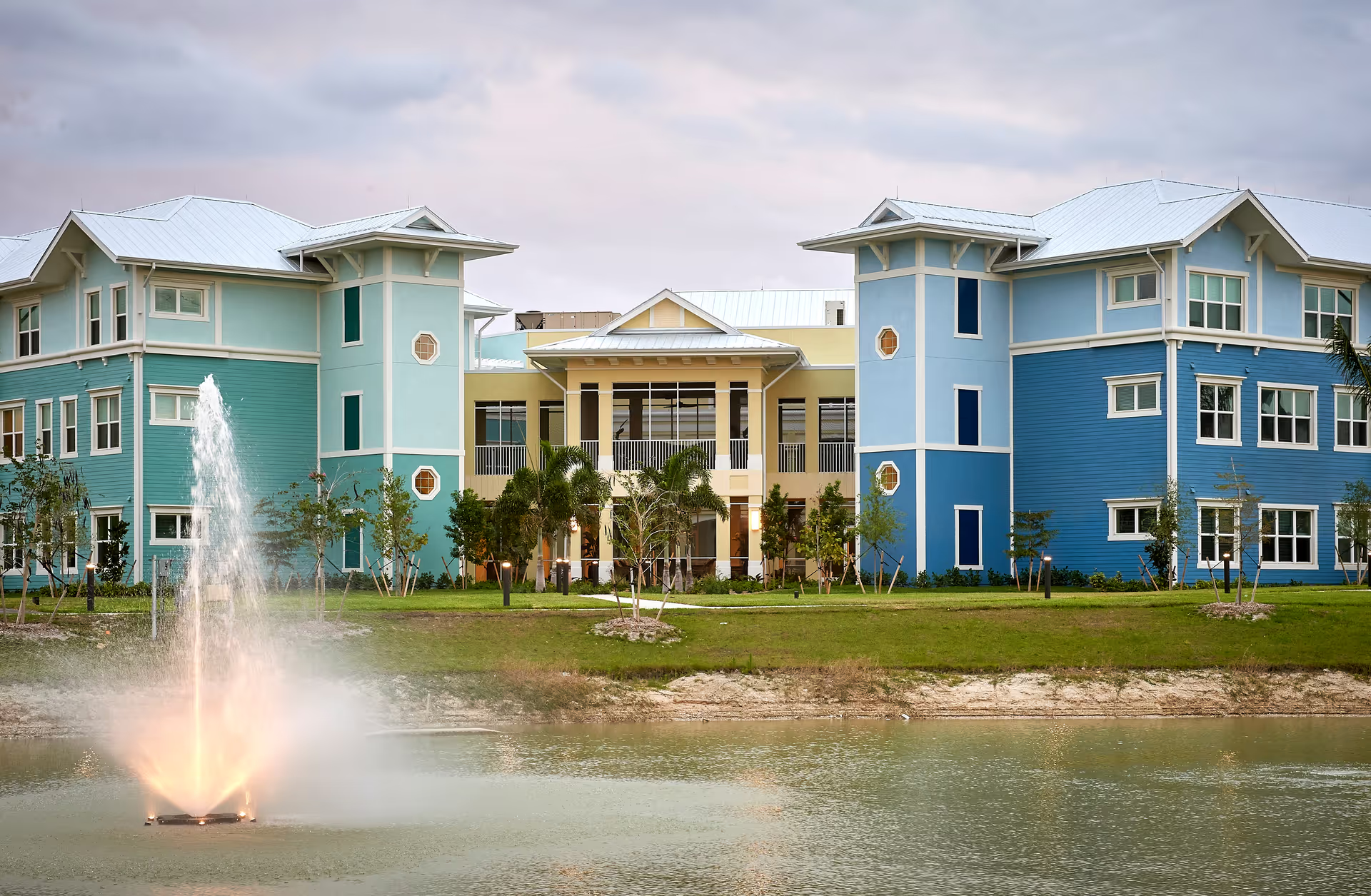
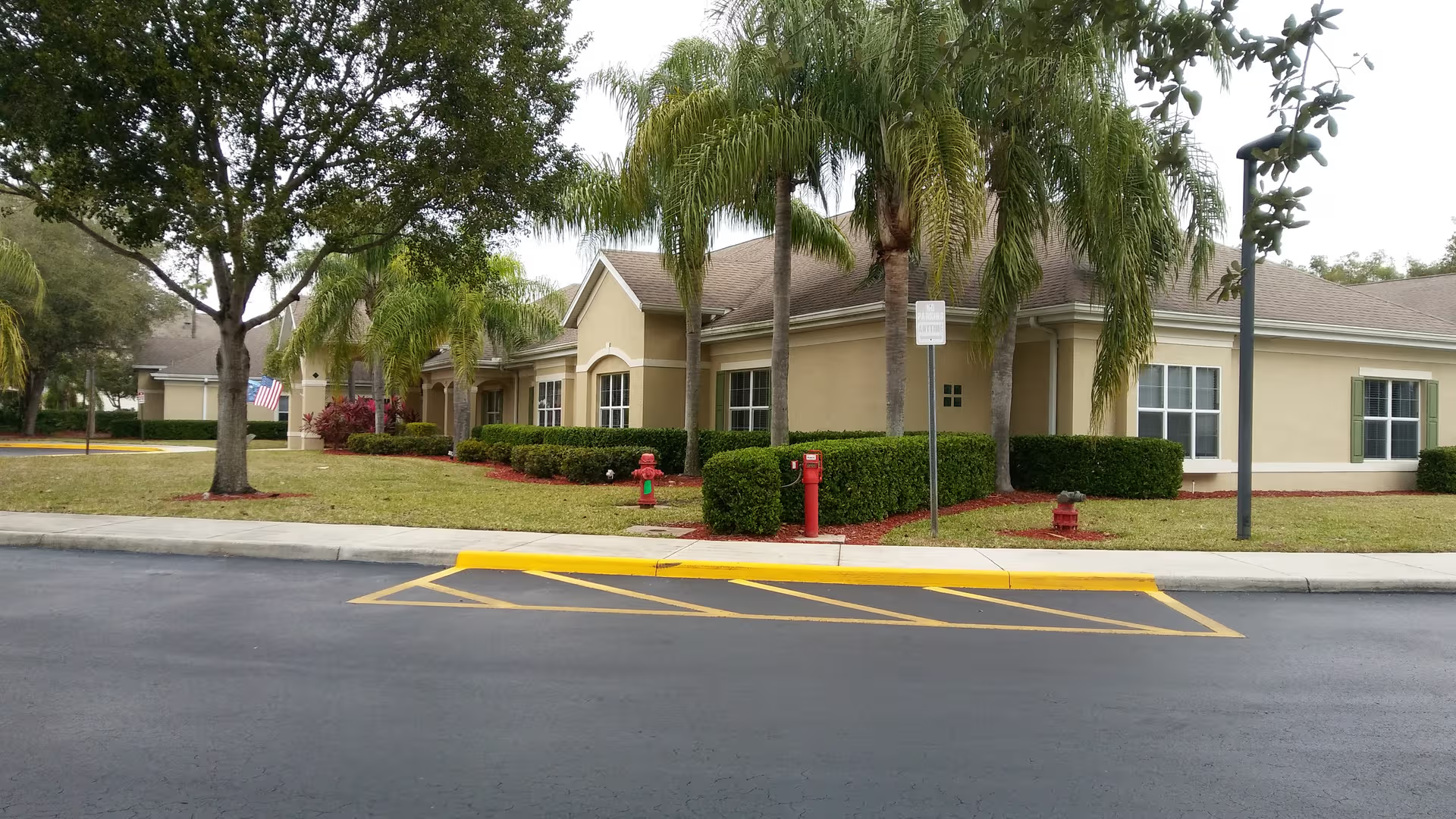
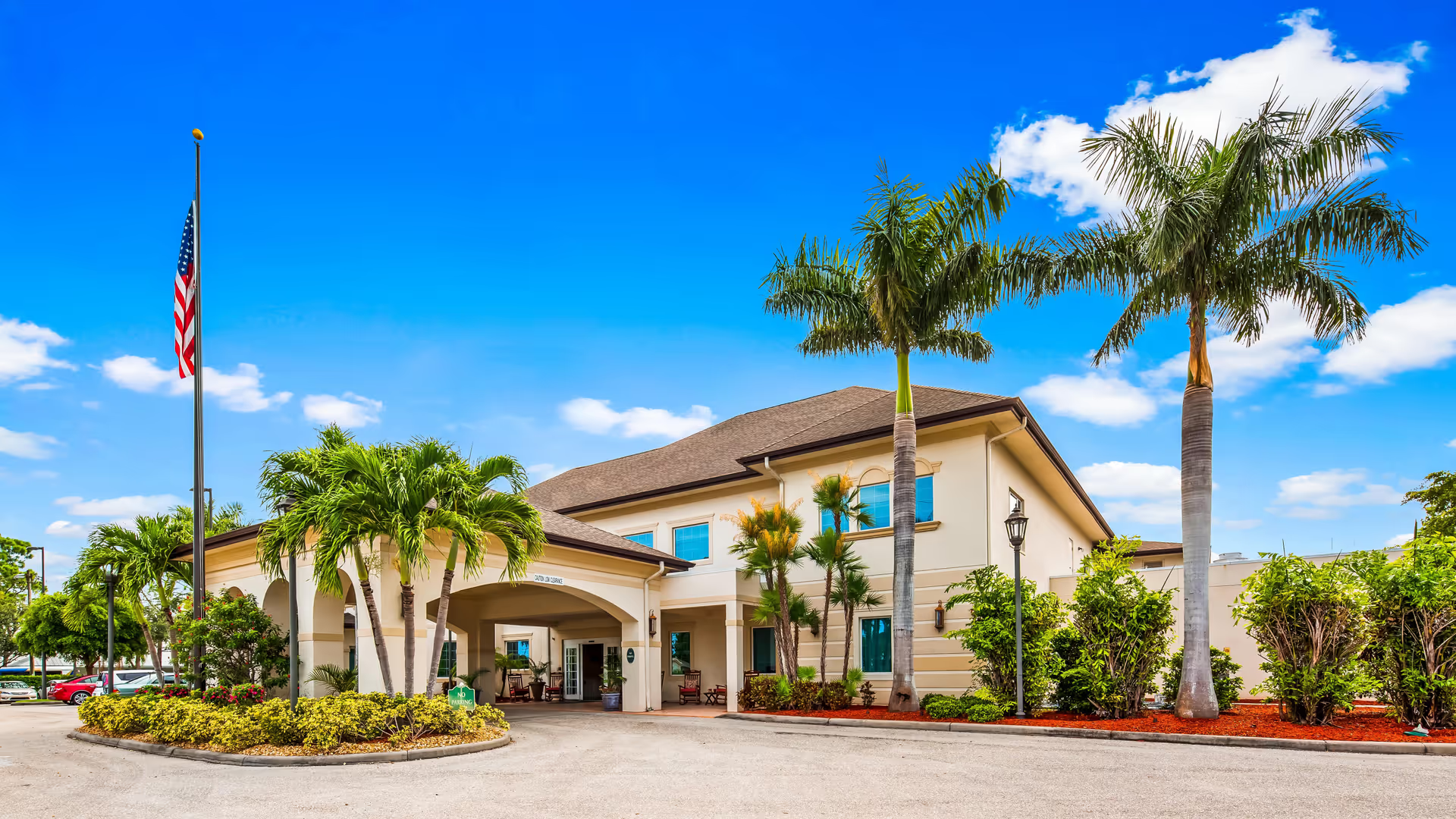
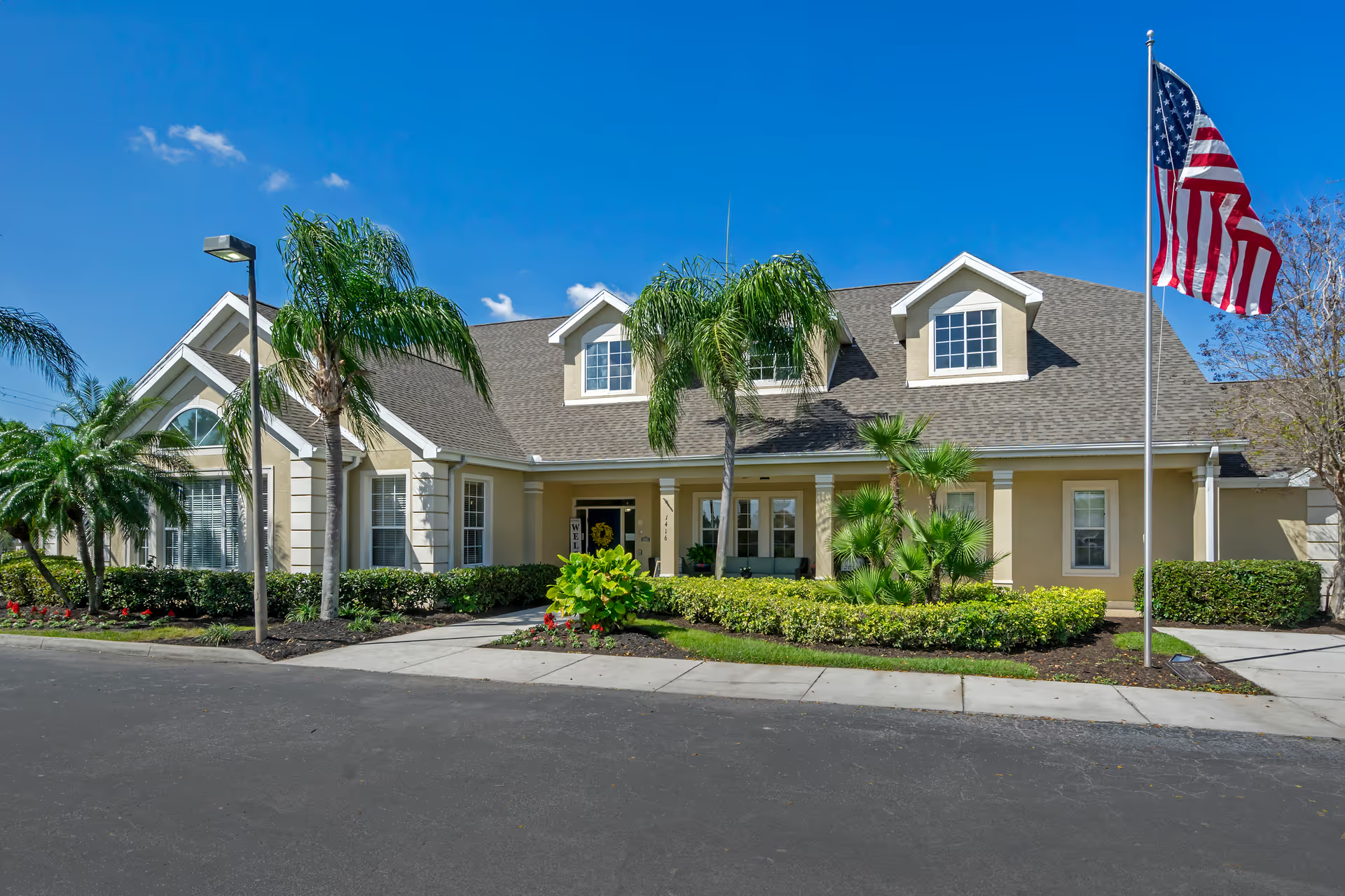
Gulf Coast Village presents a broadly positive profile for prospective residents seeking a continuum-of-care community. Strengths repeatedly mentioned include well-maintained grounds and newly renovated sections, a wide range of indoor and outdoor amenities (pools, theaters, libraries, exercise rooms, garden paths), and large apartment options with full kitchens and accessible bathrooms. The community offers an extensive activities calendar — from exercise classes and Tai Chi to bowling, bingo, cultural outings and cooking demonstrations — and provides organized transportation for off-site events. Many families highlighted the convenience of on-site rehabilitation and consistent physical/occupational therapy services, and memory-care programming was praised in multiple accounts.
Care quality and staff performance evoke mixed but instructive themes. Numerous reviewers described compassionate, personable nurses, therapists, and dining staff who help residents maintain independence and social engagement. Several accounts point to successful rehabilitation outcomes and attentive bedside manner among specific clinical staff. At the same time, there are recurring operational concerns: inconsistent staffing levels (particularly on some nursing floors and in memory-care at times), slow response times to call bells, and variability in aide conduct. These staffing patterns were associated with supervision gaps and delayed incident response in some reports; reviewers recommended confirming staffing ratios and supervision procedures before committing.
Dining and social life are clear selling points for many residents: chef-driven menus, dietician input, warm dining rooms, and both communal and private meal options were frequently praised. However, there are also comments about variable food quality after management or building changes, and a few families described dissatisfaction with menu changes. Prospective residents should ask about current menu planning, meal-service continuity, and whether recent administrative changes have affected dining operations.
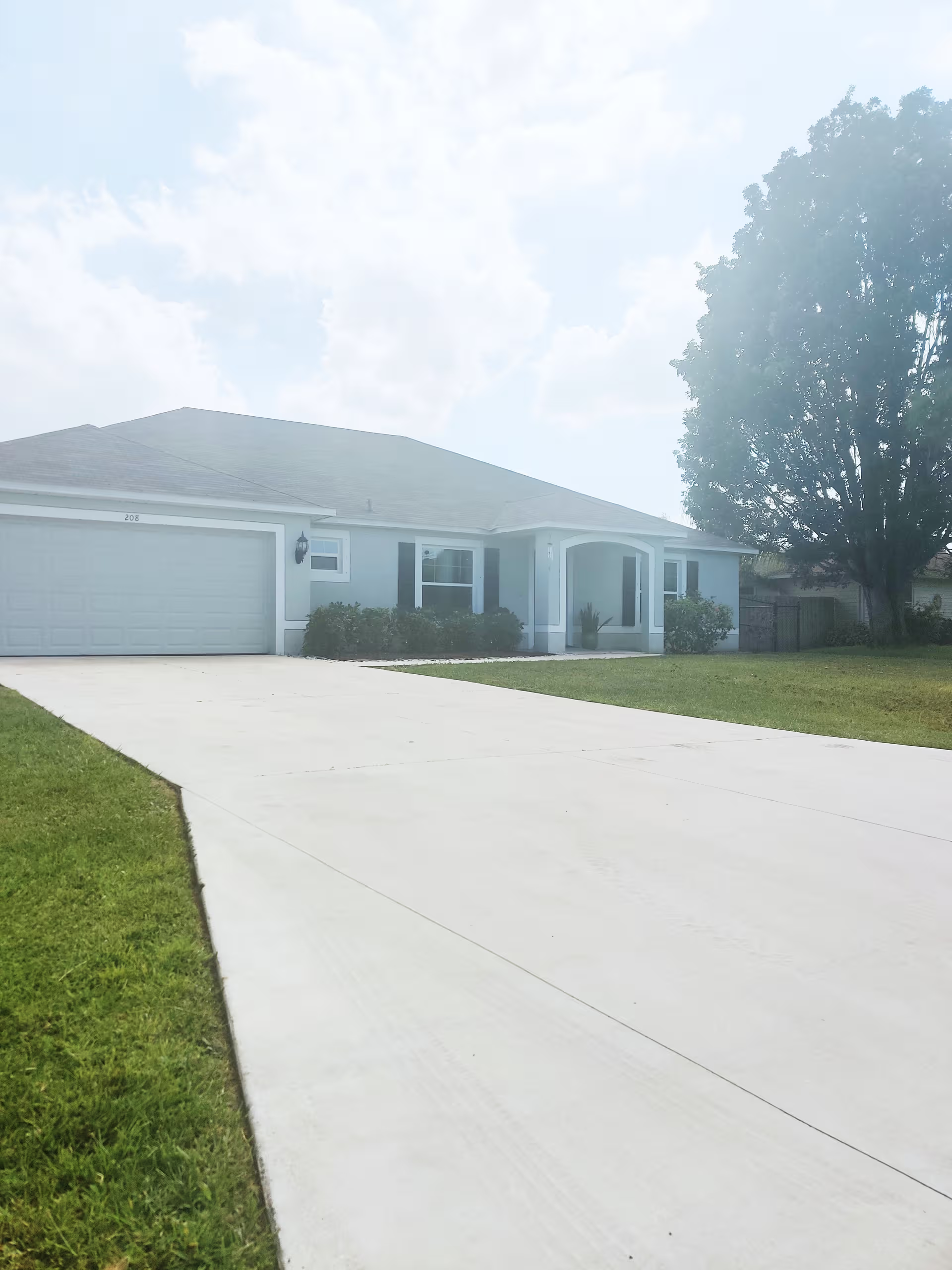
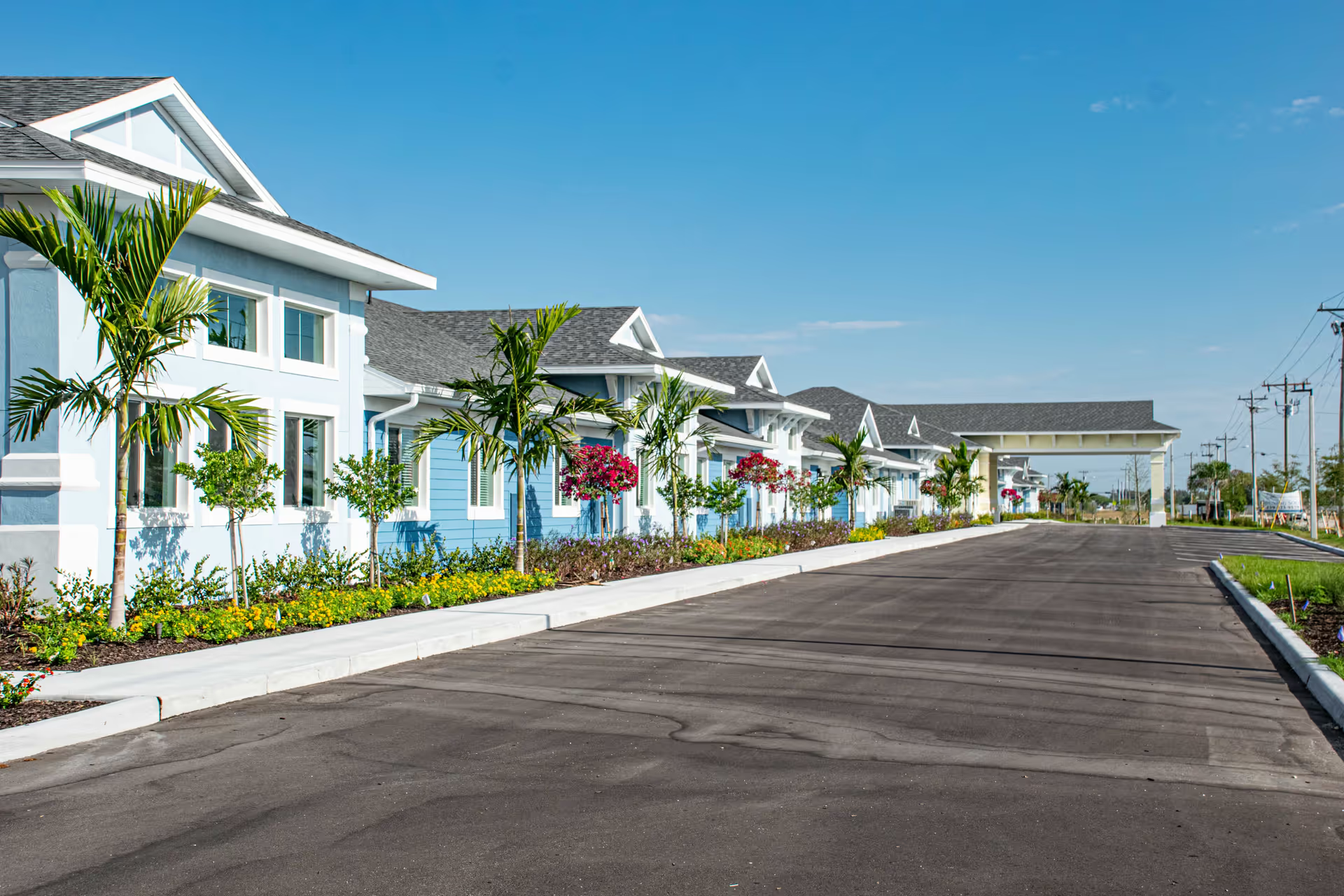
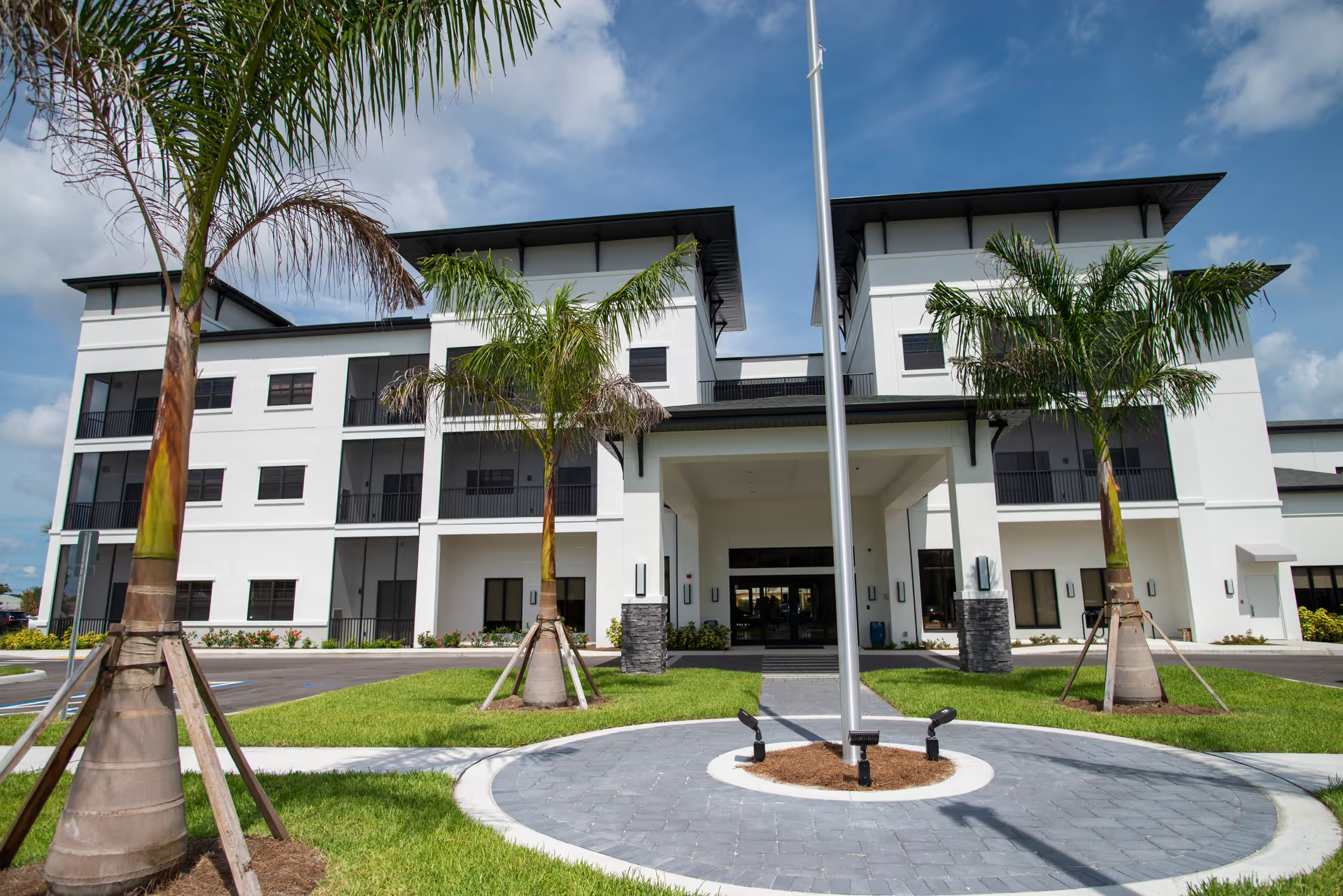
Facilities and unit-level characteristics vary by building. Newer wings were described as bright, well-appointed, and roomy, with porches and attractive views; older sections can be less scenic and have smaller rooms, harder mattresses, or dated furnishings. Amenities are extensive, but availability can differ by wing; elevator wait times and access logistics were noted in some larger or busier parts of the campus. Shared-room availability in higher-care units is limited at times, so those needing a private room should confirm availability in advance.
Management, cost, and financial administration are areas where expectations should be clarified. Several families referenced high entrance fees and elevated monthly rents relative to comparable communities, plus delays or opacity around refund processes following moves. There are also comments about service reductions tied to relocations or new administrative policies. Communication from administration was described as responsive in many cases but uneven in others; ask for written policies on refunds, fee structures, and how changes to services are communicated and implemented.
Overall, Gulf Coast Village combines robust amenities, active programming, and strong rehabilitation and memory-care capabilities with a generally positive residential culture. At the same time, recurring operational themes — inconsistent staffing levels, variable clinical continuity, occasional sanitation and incontinence-care concerns on some floors, and financial/management transparency issues — warrant direct questions during a tour. Recommended pre-move checks include confirming current staffing ratios (day and night), supervision and incident-response protocols, dining and menu policies, availability of private rooms in the intended care level, and clear written explanations of entrance fees and refund timelines.