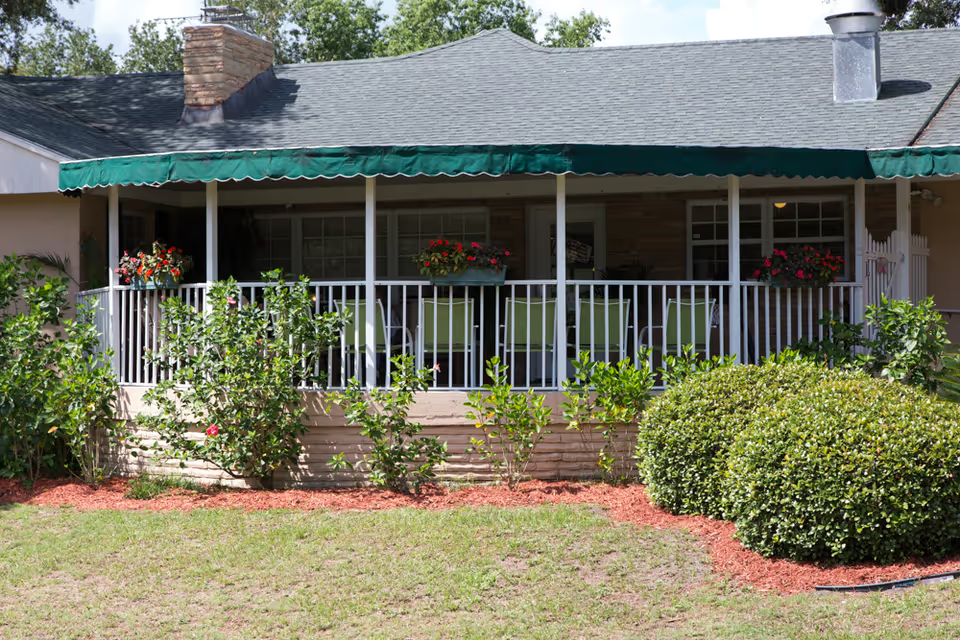
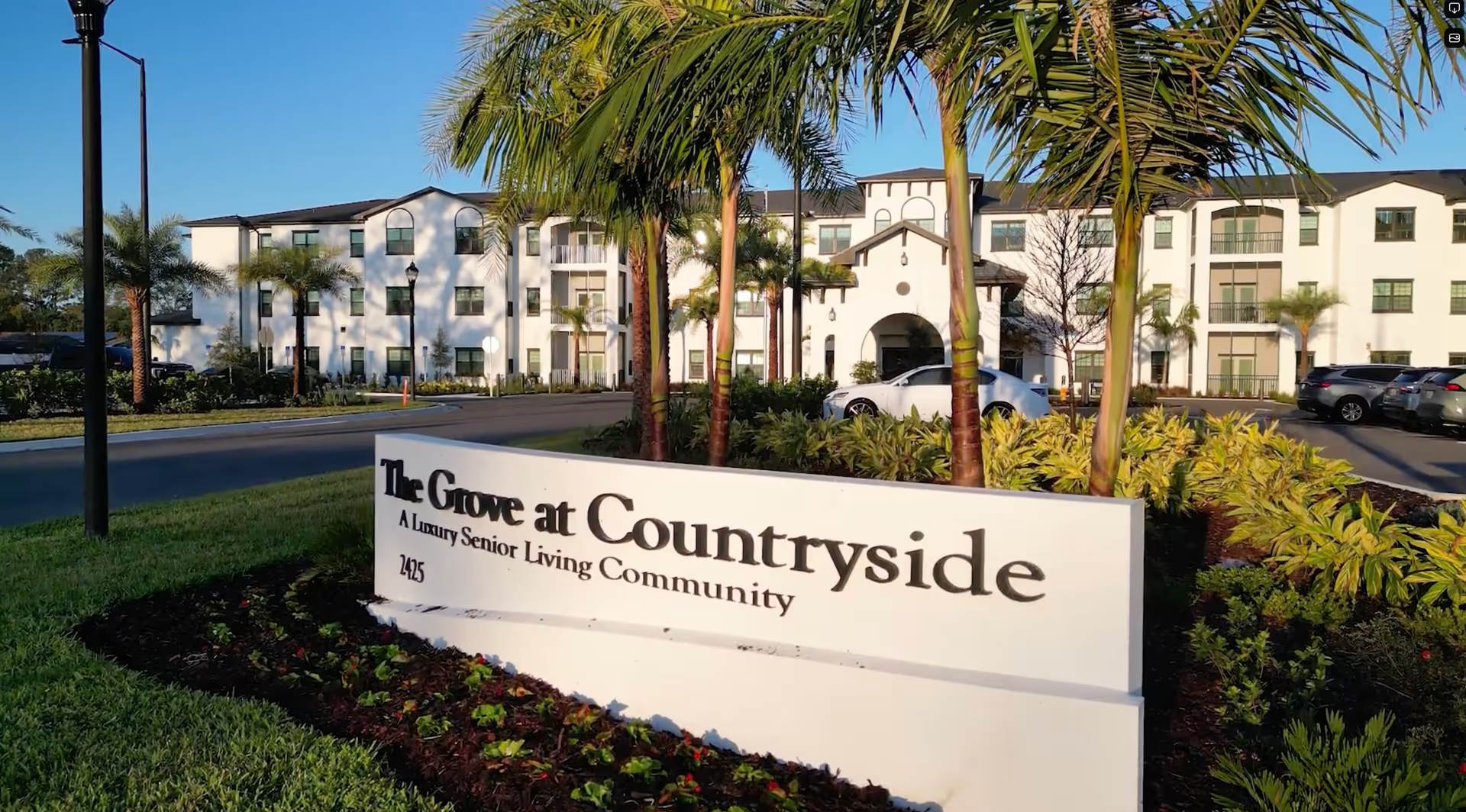
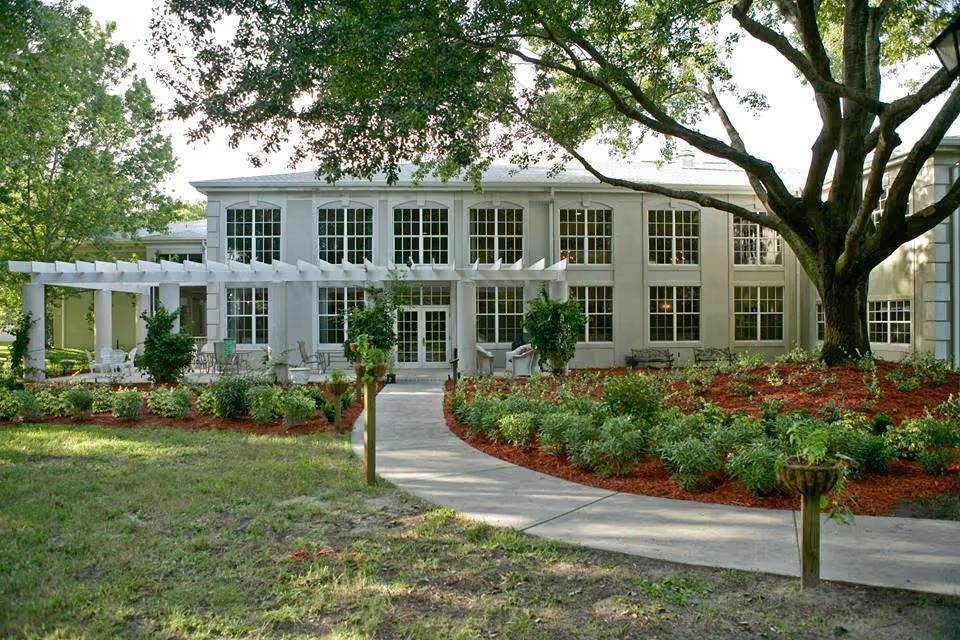
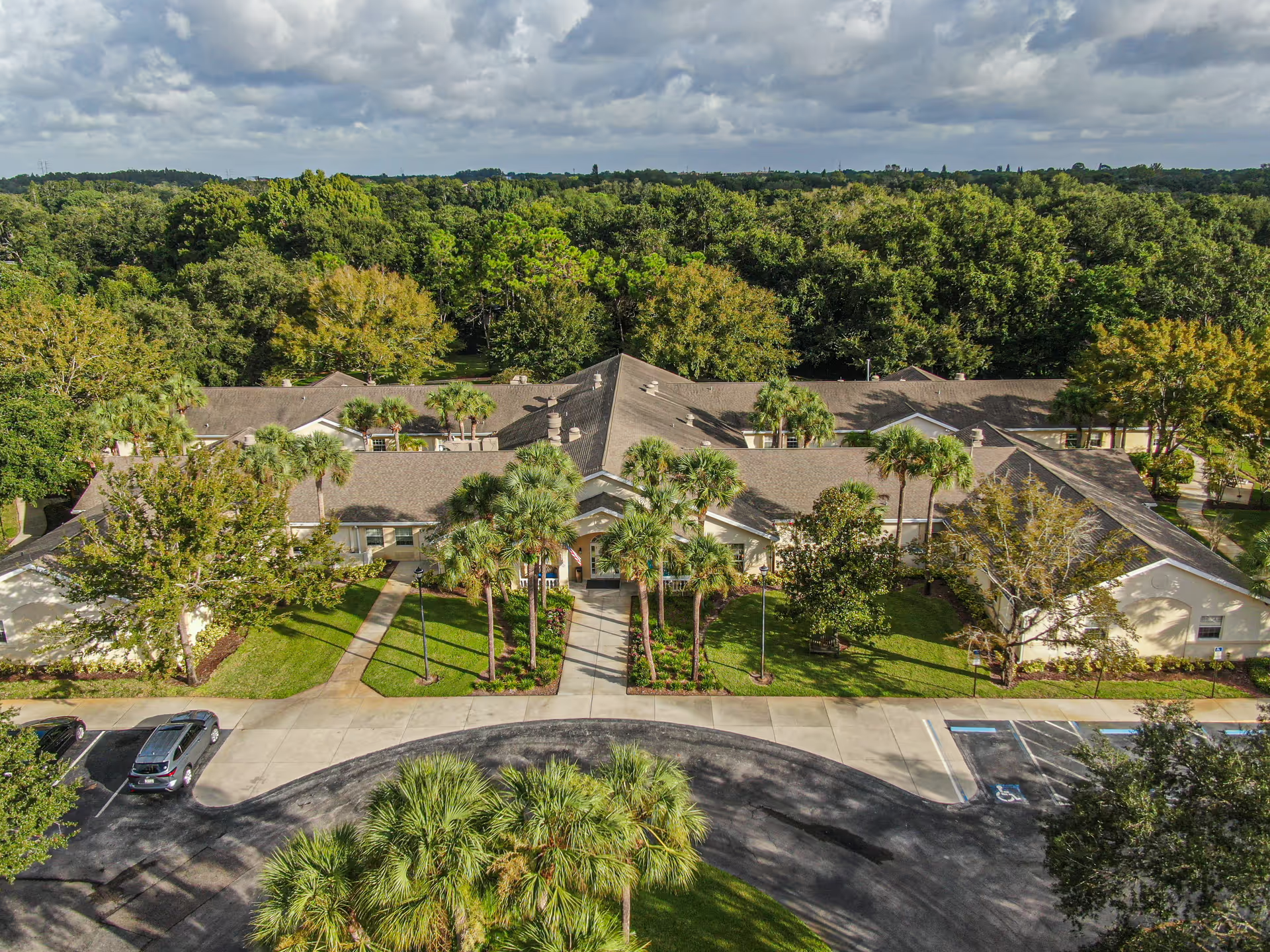
The reviews for Colliers Assisted Living at Countryside describe a facility with a highly polarized set of experiences: many families and residents praise the staff, environment, and social life, while other families cite important operational shortcomings. Positive comments concentrate on day-to-day caregiving — several reviewers highlighted friendly, compassionate caregivers and an attentive nursing team who provide hands-on support. The facility has a small, standalone memory-care wing that reviewers generally described as staffed and homelike. Multiple accounts also note pleasant common spaces, accessible outdoor courtyards, varied apartment styles (including kitchenettes), and a resident-focused social calendar that includes holiday events and group dining.
Dining and social programming receive mixed but specific feedback. Numerous reviews praise meal-service staff, varied menus, and engaging activities such as holiday parties, outings, and on-site entertainment; these elements contribute to a family-like atmosphere for many residents. At the same time, others describe uneven meal quality, intermittent menu shortages, and activity schedules that do not always meet the needs of residents with cognitive impairment. Prospective residents who prioritize structured memory-care programming may want to confirm the current activity plan and staff-to-resident ratios in the memory unit.
Care quality and clinical oversight also present a mixed picture. Positive notes emphasize strong nursing and caregiving, and families who worked closely with the Health and Wellness director described good communication and personalized attention. Conversely, several reviewers raised concerns about limited on-site physician availability, gaps in medication- and hospice-coordination, and instances where clinical issues prompted delayed family notification. There are repeated observations about inconsistent responsiveness to call buttons and delays in attending to residents; this pattern suggests variability in staffing levels or prioritization during some shifts.
Facility upkeep and operational management are another area of divergence. Many reviewers report clean, updated units and prompt maintenance service, yet a number of reviews document sanitation and odor concerns, persistent moisture/mold issues, and delays completing repairs. Housekeeping and laundry services were described as included by some families but inconsistent or subject to extra charges by others. Billing transparency and additional fees emerged as a consistent operational complaint — families should request a full fee schedule and written explanations of ancillary charges prior to move-in.
Communication and administrative consistency are recurring themes. Positive reports note helpful admissions staff, smooth move-ins, and a proactive executive team in some circumstances. Negative reports emphasize uneven leadership responsiveness, admission-placement mismatches (including memory vs assisted living placement), and problems obtaining invoices or move-out guidance. Several families also described difficulties coordinating hospice, physical therapy, or other external clinical services through the community.
Implications for prospective residents and families: Colliers Countryside can be a strong fit for mobile, socially engaged residents who benefit from a family-like atmosphere, accessible outdoor space, and attentive nursing staff in many cases. However, the variability in housekeeping, clinical oversight, maintenance responsiveness, billing transparency, and communication suggests careful due diligence is warranted. Recommended next steps for families: conduct multiple tours at different times of day, ask for current staffing ratios and on-site clinical coverage, request a detailed fee schedule including ancillary charges, review housekeeping and laundry schedules, and meet the Health and Wellness director and memory-care staff to confirm activity offerings and care protocols. These targeted inquiries will help determine whether the facility’s operational practices align with a specific resident’s care needs and expectations.