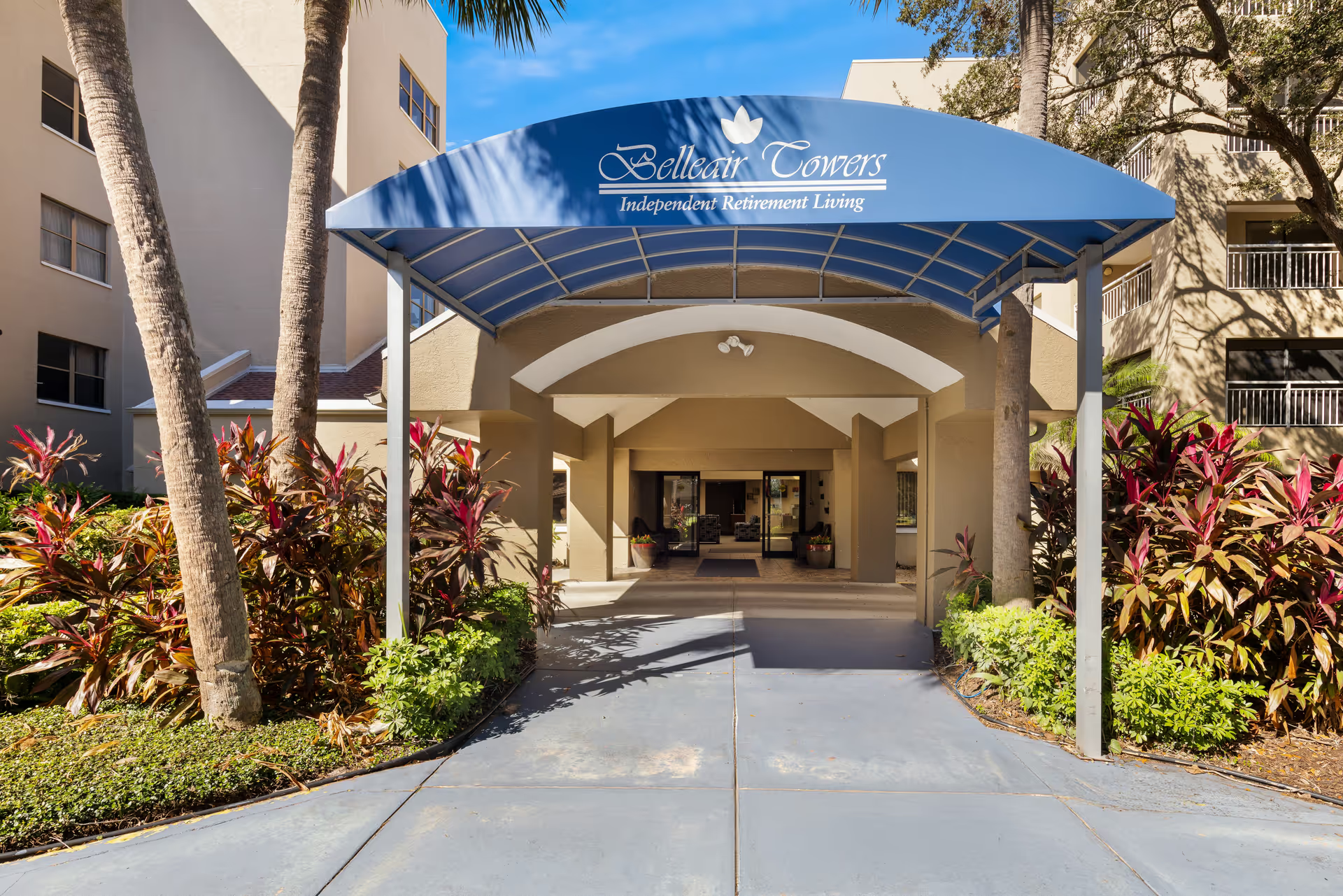
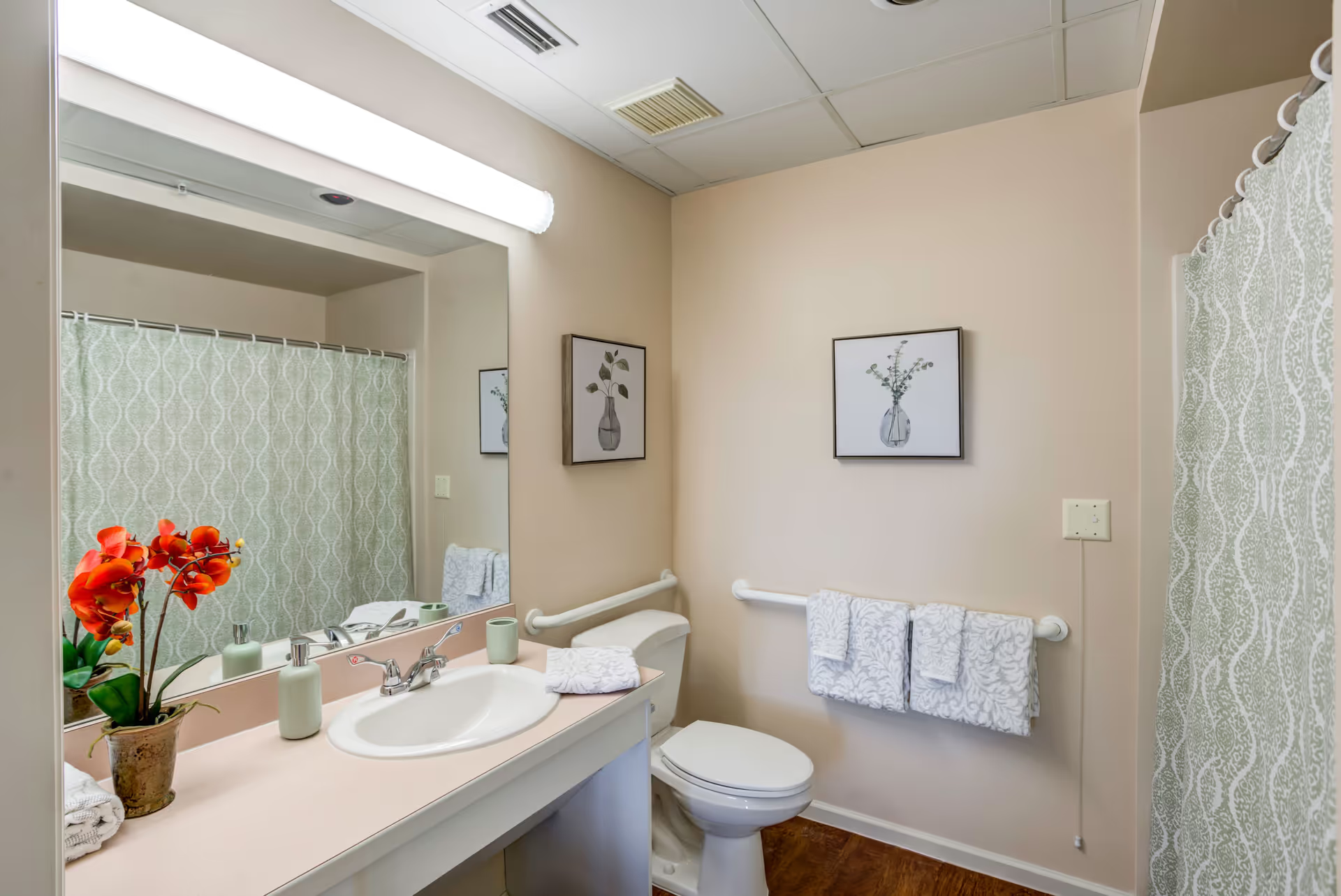
Feedback for Gulfside Health and Rehabilitation is highly polarized: many families and residents describe attentive, skilled clinical care and strong therapy services, while other accounts raise operational and clinical safety concerns. Positive comments consistently highlight a compassionate nursing and CNA presence, robust rehabilitation offerings that aided mobility and balance, and a range of facility amenities such as a therapy room, hair salon, on-site medical coverage, and safety features including alarms and emergency backup power. The location and grounds are frequently noted as attractive and convenient for families.
Care and staffing present a mixed picture. Several reviewers praise 24/7 nursing coverage, personalized care plans, and leadership that prioritizes resident needs. At the same time, recurrent themes include high staff turnover, frequent use of agency personnel, and inconsistent responsiveness to call lights or family inquiries. These patterns translate into variable day-to-day resident experiences: some describe caregivers who go above and beyond, while others describe delays in attention and concerns about staff conduct or tone.
Clinical reliability is a specific area of concern in multiple accounts. Reviewers describe medication-management lapses and problems with insulin administration and dosing that indicate gaps in clinical controls and staff training. Families should ask about current medication-safety protocols, staff competencies, and recent quality or regulatory results when assessing the facility.
Dining and nutrition receive mixed feedback. The facility offers three daily meals and snacks with nutrition-oriented menus and has been credited with supporting strength and rehab goals for some residents. Conversely, reviewers also note inconsistent meal temperature and presentation, limited variety (including a lack of fresh fruit), and occasional issues with meal modifications or assistance during dining.
Activities and engagement are reported as inconsistent. Some residents benefited from therapy-driven activity and small on-site gym spaces that supported recovery. Other accounts describe minimal recreational programming, limited social engagement, and restrictive sign-out or visitation policies that contributed to isolation for certain residents.
Facility condition and maintenance comments vary across reviews. Positive remarks describe clean, well-kept interiors, beautiful grounds, and functioning safety systems. Contrasting reports raise concerns about outdated infrastructure (beds and electrical systems), spotty housekeeping, pest-control and odor issues in select areas, and maintenance lapses. There are also serious operational concerns raised about security and property handling, including allegations of theft and belongings mishandling; prospective families should seek clarifying information and documentation about property-management policies.
Management and communication show signs of change over time. Several reviewers praise responsive admissions staff and new leadership efforts that have improved operations. Others cite inconsistent management communication, difficulty accessing the facility after hours, and opaque or restrictive visitation and sign-out policies that have affected family access and perceived privacy. These mixed observations suggest variable performance tied to staffing stability and recent administrative changes.
Overall pattern: Gulfside appears capable of providing high-quality rehabilitation and compassionate care when staffing is stable and leadership is engaged, but reviewers also document recurring operational weaknesses — especially around staffing consistency, medication controls, sanitation/maintenance, and communication. The divergence in experiences is notable; prospective residents and families would be prudent to verify current staffing ratios, medication-safety practices, cleaning and pest-control protocols, activity schedules, visitor policies, and any recent survey or inspection results before making a placement decision.