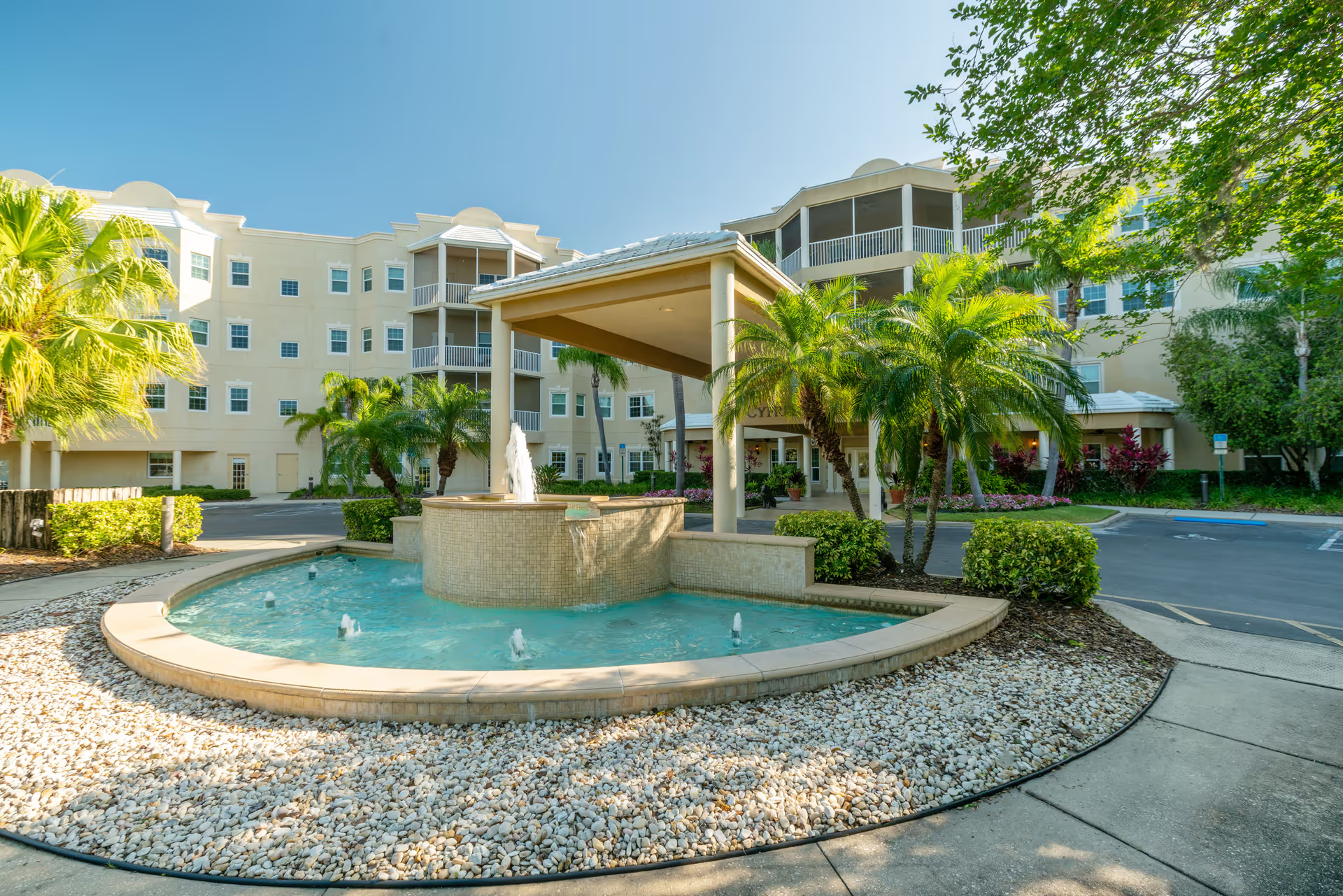
The Palms of Largo presents as a large, resort-like senior living campus with extensive amenities and an overall well-maintained, hotel-style atmosphere. Many families and residents praise the physical plant: attractive dining rooms, multiple social and gathering spaces, indoor pool and spa facilities, renovated apartments, and pleasant grounds with benches and walking areas. Apartment offerings are varied (studios through multi-bedroom plans) and often described as spacious, bright, and recently updated. The community also supports pets and offers transport services and on-campus medical and therapy resources, which contributes to a perception of comprehensive continuing care.
Care quality and direct-care staff are frequently cited as strengths. Reviewers commonly describe nursing and therapy teams as professional, attentive, and familiar with residents by name. The therapy department and rehab services receive repeated positive mentions, and the campus supports specialized programming such as Parkinson’s-targeted exercise and Rock Steady boxing. At the same time, there is variability in clinical experience across different buildings and units: while many residents receive thorough care, other accounts indicate delays in personal-care assistance and sanitation inconsistencies that suggest uneven implementation of care routines.
Dining and food services are a mixed picture. Several reviewers highlight restaurant-quality presentation, special event dinners, and a strong breakfast offering. However, an important pattern is repeated: menu reductions, occasional declines in entree quality, and service disruptions tied to staffing shortages. These dining inconsistencies affect resident satisfaction and have been described as both a recent change and an intermittent operational problem. Prospective residents should ask about current menus, staffing levels in the kitchen and dining rooms, and plans for meal-service continuity.
Activities and social programming are strong aspects of the community. The Palms offers a broad calendar including exercise classes, art, games, live music, offsite outings, and multiple clubs. Staff-led programming and volunteer involvement are often praised for creating an active, social atmosphere. A few families noted that some residents receive limited encouragement to participate, indicating variability in engagement outreach.
Management, communication, and operational consistency are the clearest areas of concern. Reviews document lapses in family notification after critical incidents, inconsistent responses from leadership, and examples of maintenance or grounds-management breakdowns following leadership changes. There are also repeated remarks about high and sometimes opaque costs, month-to-month lease concerns, and mixed statements about Medicaid acceptance. The campus size and multi-building layout contribute to complexity: transfers between buildings have been described as interrupting aging-in-place and can be confusing for residents with cognitive impairment; some reviewers explicitly noted that the scale may not suit people needing a smaller, dementia-focused setting.
In sum, The Palms of Largo offers many of the features families seek in a higher-end senior community—quality physical amenities, a robust activities program, on-site therapy and nursing, and generally attentive direct-care staff. At the same time, prospective residents should investigate current dining operations and staffing levels, clarify fees and lease protections, review the specific dementia-care supports if applicable, and ask for examples of family-notification protocols and recent quality-improvement actions. These targeted questions will help determine whether the community’s strengths align with an individual resident’s clinical needs and expectations for service consistency.