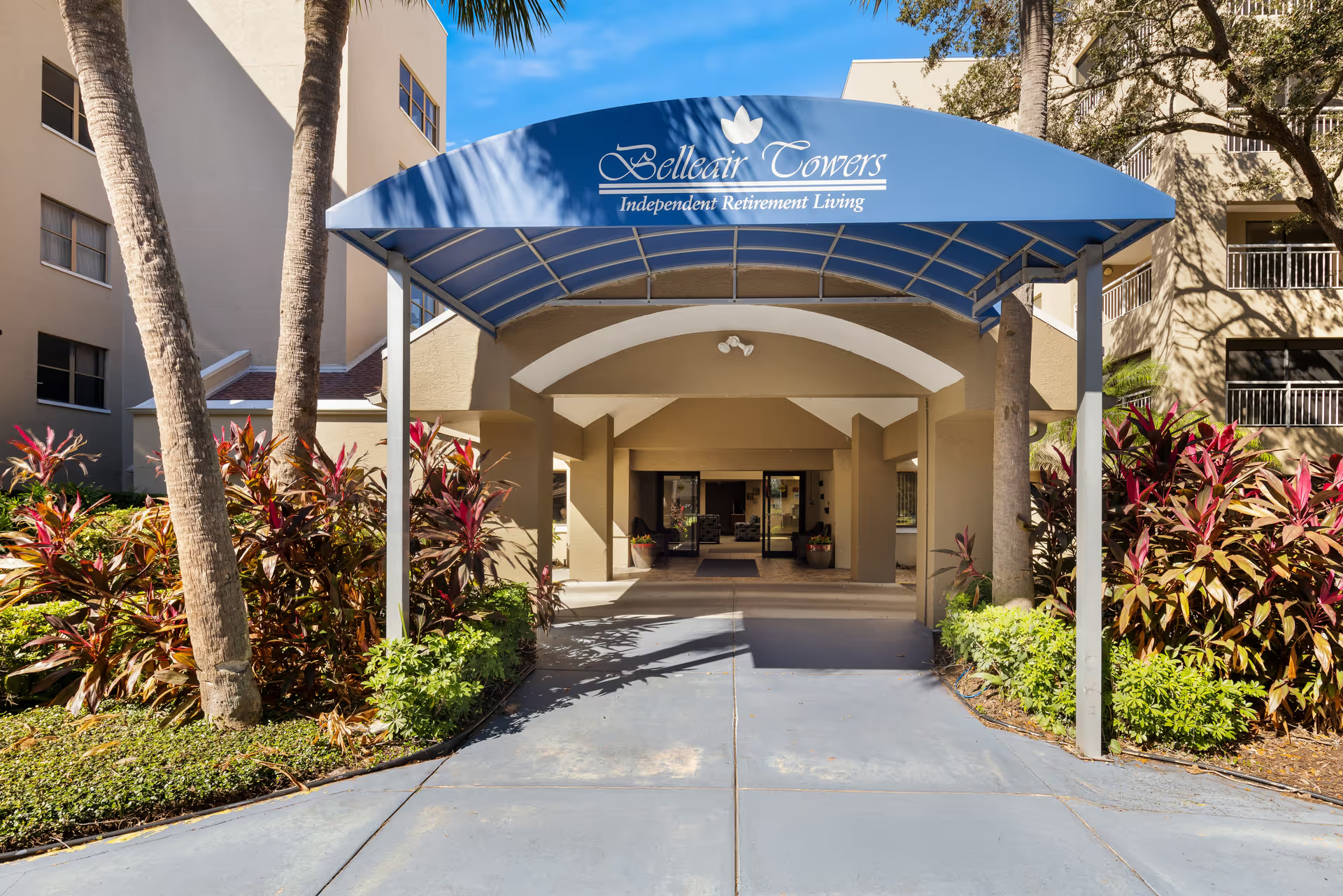
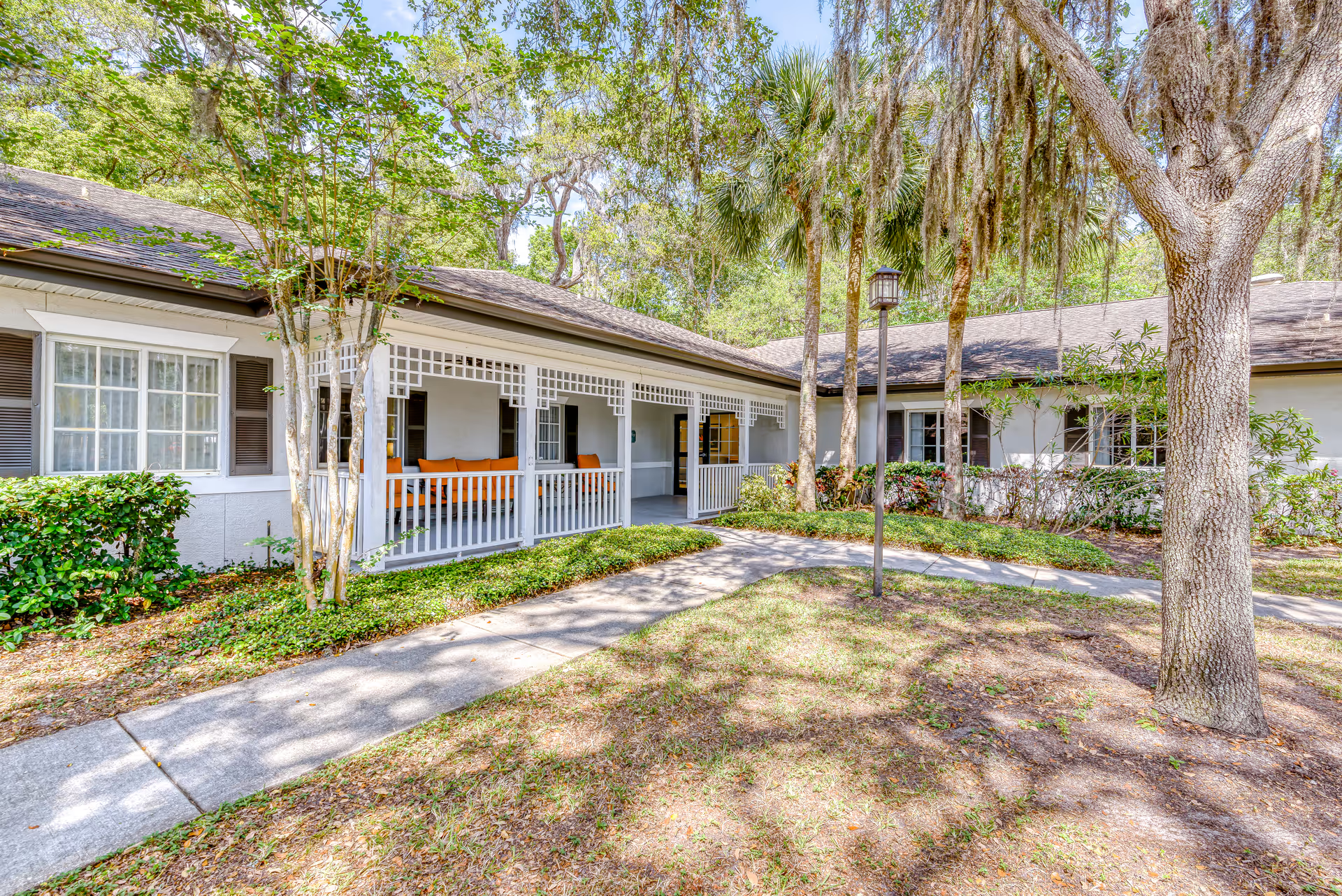
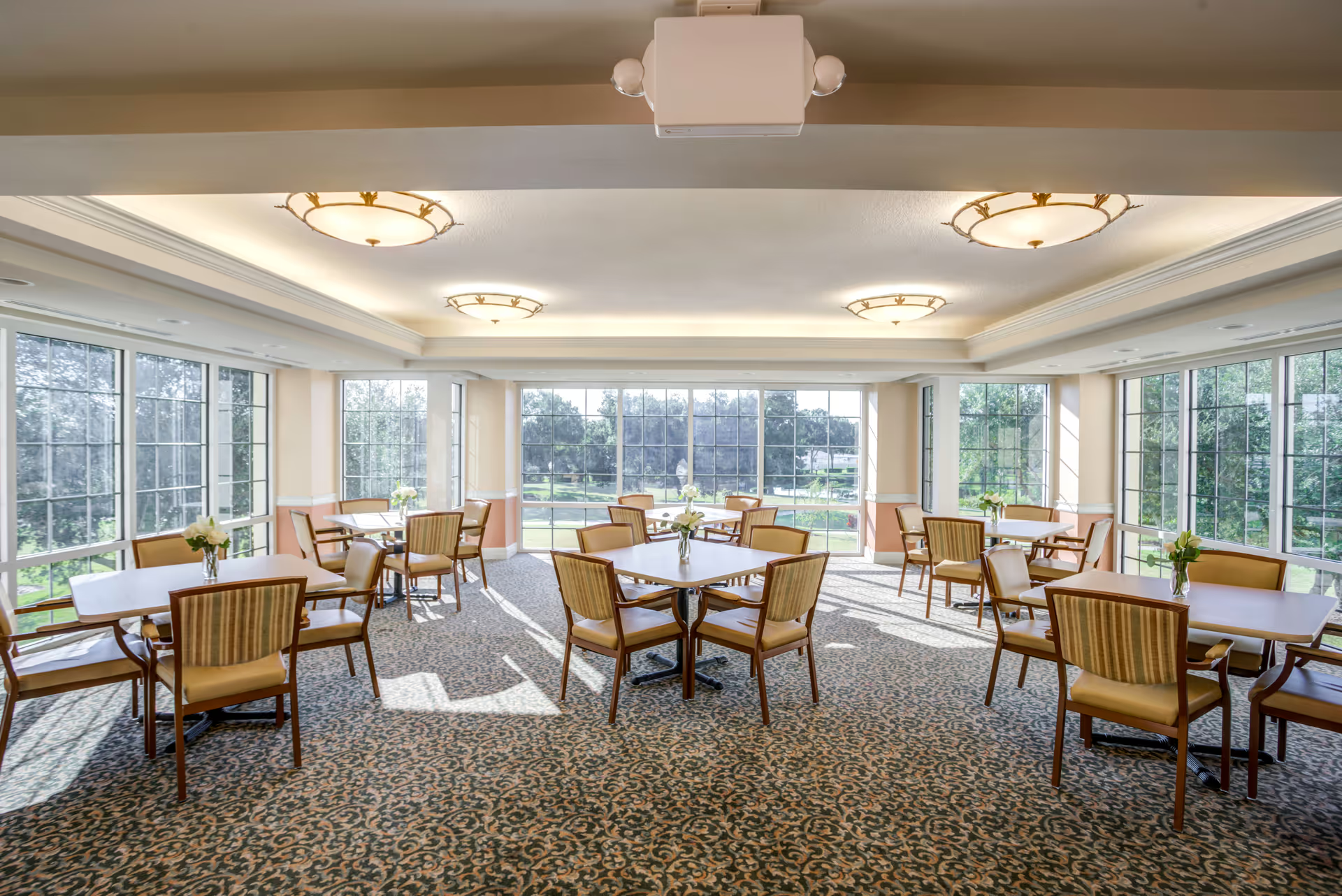
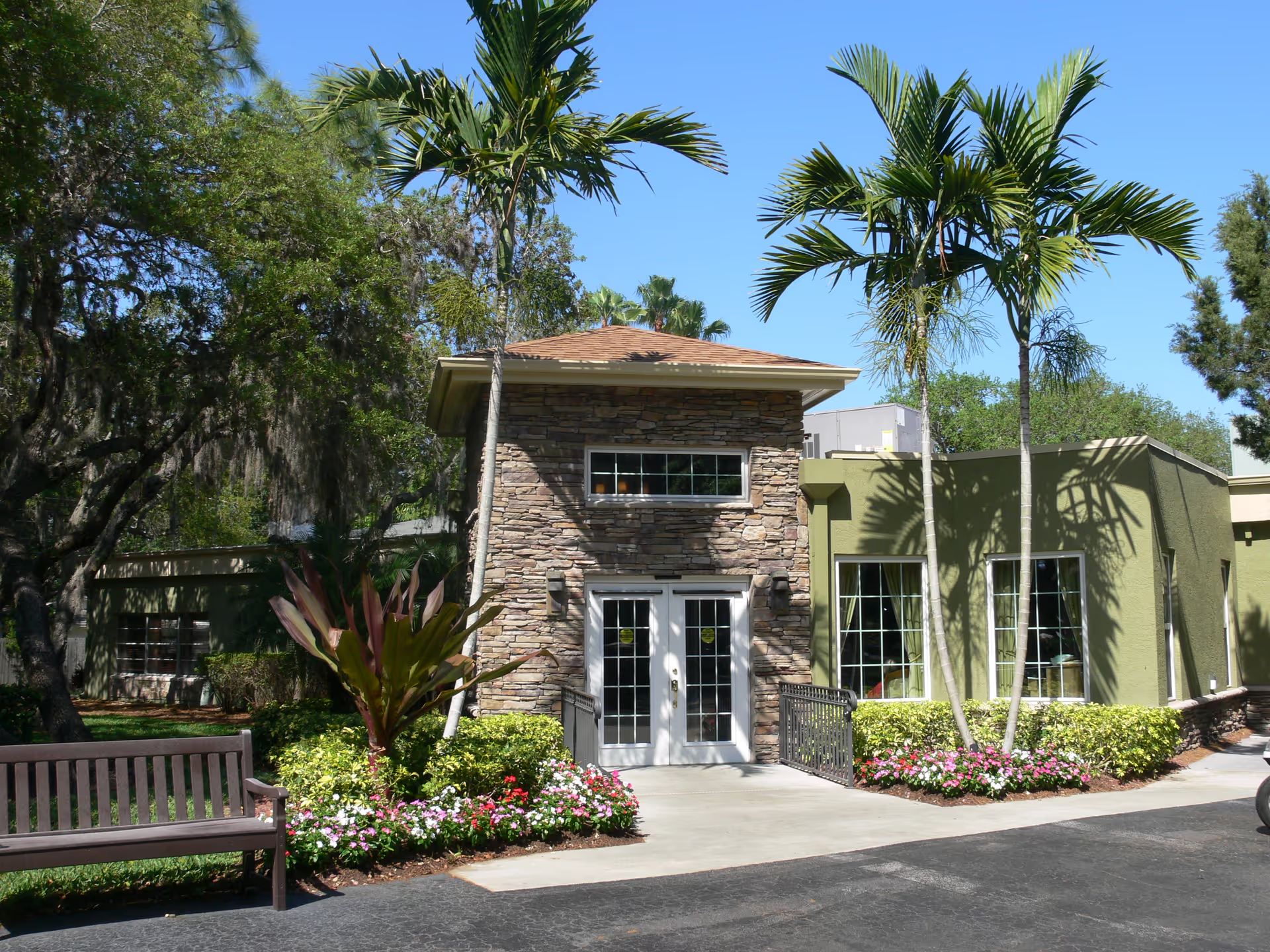
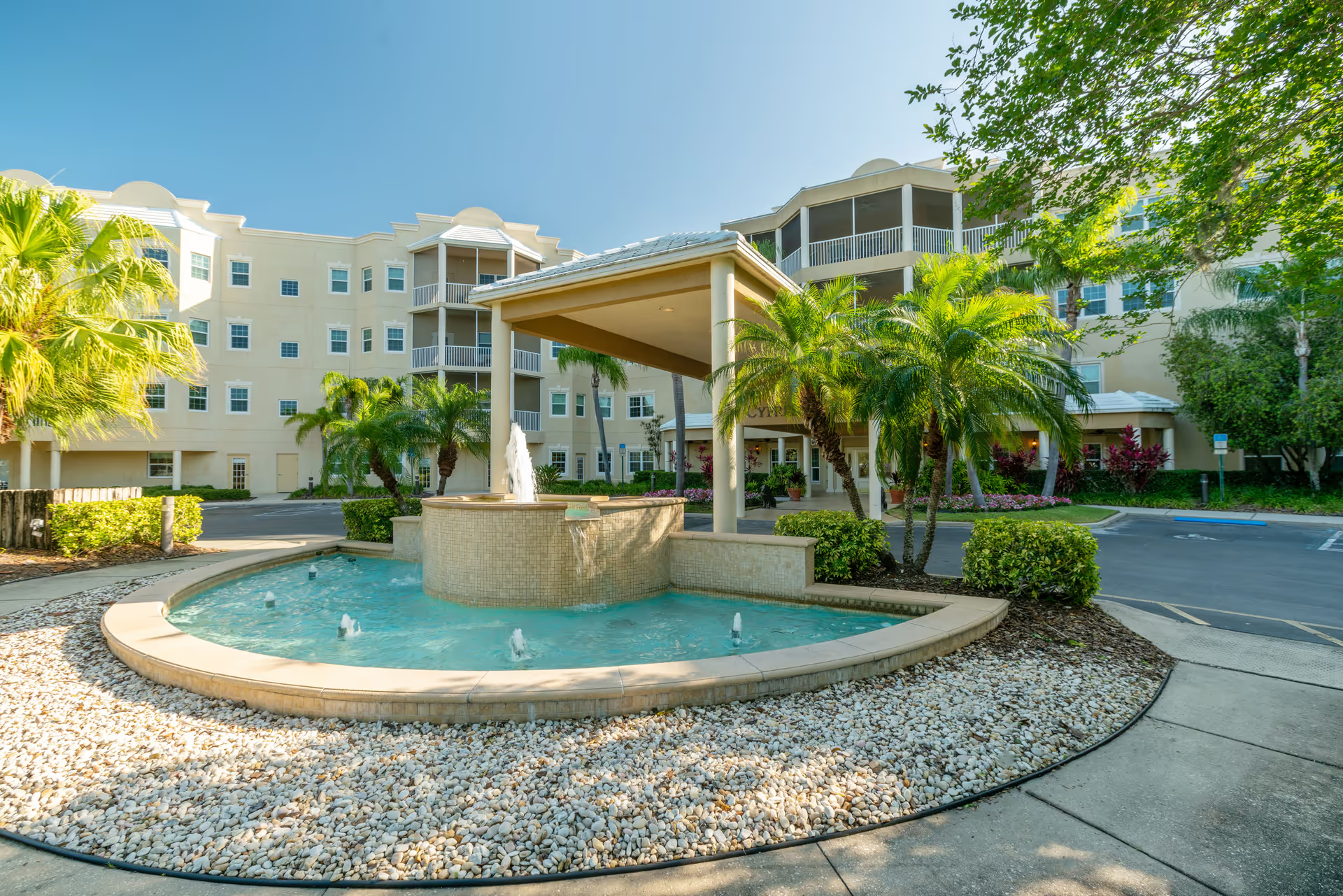
Elison Senior Living of Pinecrest presents as an amenity-rich, campus-style community with strengths in hospitality, programming and physical plant. Many residents and families praise the staff for being caring, personable and engaged; long-tenured clinical and dining staff are repeatedly cited as a stabilizing factor. The facility offers restaurant-style dining, multiple dining venues, an active life-enrichment department, and a broad calendar of events including music, parties, exercise classes and pool-based activities. Apartment options tend to be spacious and feature full kitchens and balconies for independent living residents, and the property offers on-site memory care and assisted-living options that create a continuum of services for many families.
Care quality and staffing present a mixed picture. Positive accounts highlight attentive nurses and aides, consistent medication administration in some units, and staff who build close relationships with residents. However, reviewers also describe variability in staffing levels and shift coverage, occasional delays in responsiveness, and lapses in service continuity (for example, aides appearing distracted or certain departments not coordinating well). These observations suggest that while direct-care staff are often highly regarded, personnel scheduling and supervisory consistency have been problematic at times.
Dining is a strong selling point but also a source of inconsistency. Many reviewers praise the food, buffet and menu variety, and restaurant-style service; others describe a decline in meal quality, buffet-only service at times, limited meal windows, inconsistent meal temperature, and fewer vegetarian options. Families should expect generally good food with occasional variability depending on kitchen staffing or contract changes, and should clarify meal service format and hours before move-in.
The community’s physical environment and amenities are frequently described as attractive, well-appointed and hotel-like, with notable features such as a heated pool, fitness offerings, multiple dining rooms, event spaces, and pleasant outdoor areas. At the same time, some parts of the building show wear or have active renovation work; reviewers noted water-intrusion issues, areas needing carpet replacement, and localized indoor-environment concerns. Construction noise and the pace of maintenance repairs have been a recurring complaint, indicating uneven facility upkeep in some zones.
Operational and management concerns recur in the reviews. Families describe inconsistent follow-up from management, perceived lapses in complaint resolution, occasional poor interpersonal tone from leadership, and turnover in certain administrative roles. Financial transparency is another theme: reviewers cited high fees, add-on charges, promotional pricing that ended, and instances where contract terms or deposits were not clearly explained or handled to their satisfaction. Move-in logistics and outsourced services also yielded mixed outcomes; while move-in coordination is often promoted, there are documented instances of contractor oversight failures resulting in damaged or missing items, suggesting the need for tighter vendor management.
Specific care populations should note layout and program limitations. The property’s multi-floor, high-rise characteristics and certain assisted-living hallways may be challenging for residents with advanced orientation or mobility impairments; some reviewers preferred smaller, single-floor communities for dementia care. Memory care exists on-site but is described as limited in scale, so prospective families should assess whether the physical layout and staffing model match the acuity and behavioral profile of their loved one.
In summary, Elison Senior Living of Pinecrest offers robust amenities, an active social environment, and many instances of highly regarded staff and dining services. Prospective residents and families will find strong programming and attractive living spaces but should perform focused due diligence around current staffing patterns, management responsiveness, contractual terms and recent maintenance or renovation work. Visiting at multiple times of day, discussing specific fee schedules and pharmacy/medication arrangements, and asking about vendor oversight for moves and contractors will help clarify whether the community’s operational patterns align with a particular resident’s needs.