Oak Manor elicits strongly polarized but consistent themes. The facility is widely praised for its caregiving staff, therapy teams, and community atmosphere. Many families and residents emphasize compassionate, attentive aides and nurses, prompt rehabilitation services, and an on-site skilled nursing/therapy unit that supports short-term rehab and recovery. Admissions and marketing staff are frequently described as helpful and low-pressure, and maintenance and housekeeping responsiveness is noted as a practical strength.
Dining and daily living features are also recurrent positives. The community offers restaurant-style dining with flexible meal hours, menu customization, and an all-day café option; reviewers often praise the dining room presentation and service. At the same time, there is variability: some reviewers report excellent food (including higher-end entrée options), while others note inconsistency in quality, menu choices that are carbohydrate- and sugar-heavy, and gaps in meeting specific dietary needs such as diabetic menus or promised texture-modified meals.
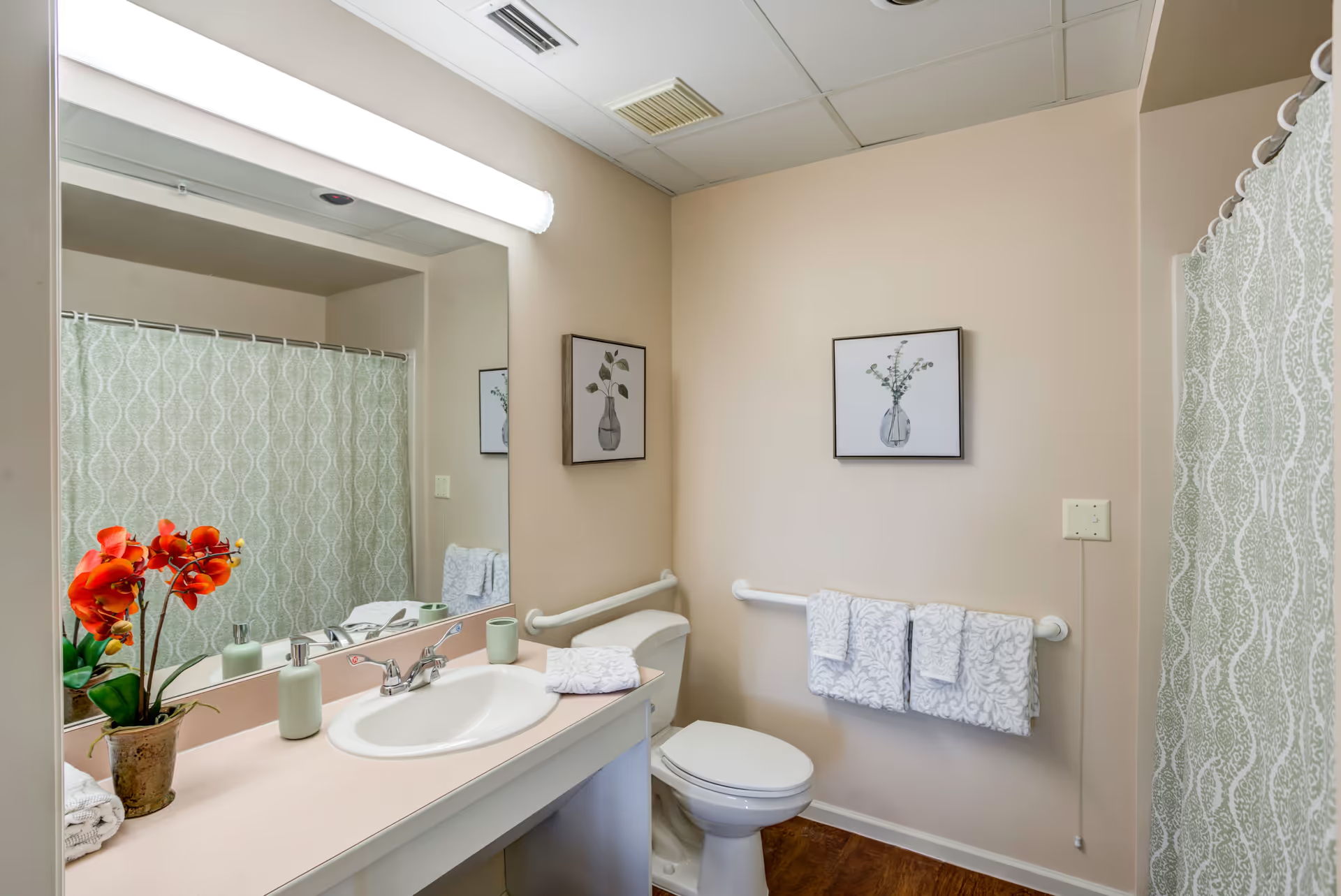
Social programming and amenities are strong selling points. Oak Manor provides a broad activity calendar (bridge, bingo, shuffleboard, concerts, outings to beaches and casinos), regular transportation, and an engaged social life that many residents find welcoming. The campus setting, large grounds, villas with private entrances and full kitchens, and pet-friendly policies support independent living and a neighborhood feel. However, some campus buildings are older and require renovation; reviewers report uneven updating between villas and other units.
Operational and clinical patterns raise the main areas of concern. Several accounts indicate staffing instability, periods of under-staffing, and gaps in direct-care training and competency for some CNAs and aides. These translate at times into communication breakdowns with families, inconsistent follow-through on care plans, and variability in medication practices and responsiveness during higher-acuity episodes. There are isolated but serious allegations of medication misuse and care lapses; additionally, reviewers described sanitation or pest-control concerns and occasional delays in incontinence-related care. Oak Manor is not consistently positioned for advanced dementia needs according to several reviewers.
Management and financial practices show mixed impressions. Some reviewers praise recent leadership changes and improved responsiveness; others cite past management problems, contested admissions promises, and a non-lease model that allows rent increases without long notice. Activity levels and openness can decline during infection-control events (for example, COVID-era restrictions), and reviewers note that transparency around pricing and service upgrades could be clearer.
Bottom line: Oak Manor offers many strengths typical of a large, campus-style senior community — empathetic staff, strong rehab services, restaurant-style dining, active programming, and private villa options — which make it a good fit for residents seeking an engaging independent-to-assisted living environment. Prospective residents and families should weigh those strengths against operational variability: inquire specifically about current staffing levels, staff training and supervision, dietary accommodations, medication-management protocols, dementia-care capacity, sanitation practices, and the facility’s pricing/lease policies. A targeted tour focusing on clinical staffing, sample menus, and recently renovated units will help determine whether Oak Manor’s positive attributes align with an individual resident’s clinical and lifestyle needs.