Arden Courts Largo is consistently described as a memory-care–focused community with a purpose-built, small-house model. The campus is organized into four themed houses, each housing a limited number of residents, which supports a homelike atmosphere, frequent one-on-one interactions, and continuity of relationships. The design emphasizes wander-friendly circulation, secure outdoor spaces, and multiple small living and dining rooms that families cite as less institutional and more residential.
Clinical and direct-care strengths are prominent in the reviews. Families emphasize compassionate, attentive caregivers who know residents by name, along with around-the-clock nursing and routine clinical oversight (on-call nurses, medication management, and physician access). Staff longevity and a stable caregiving team are repeatedly noted; reviewers also describe personalized care plans, dietary monitoring for special needs, hourly safety checks, and dignity-focused approaches to memory-care needs. Several accounts credit the staff and leadership with effective infection-control and crisis communication during COVID-19, which contributed to family confidence.
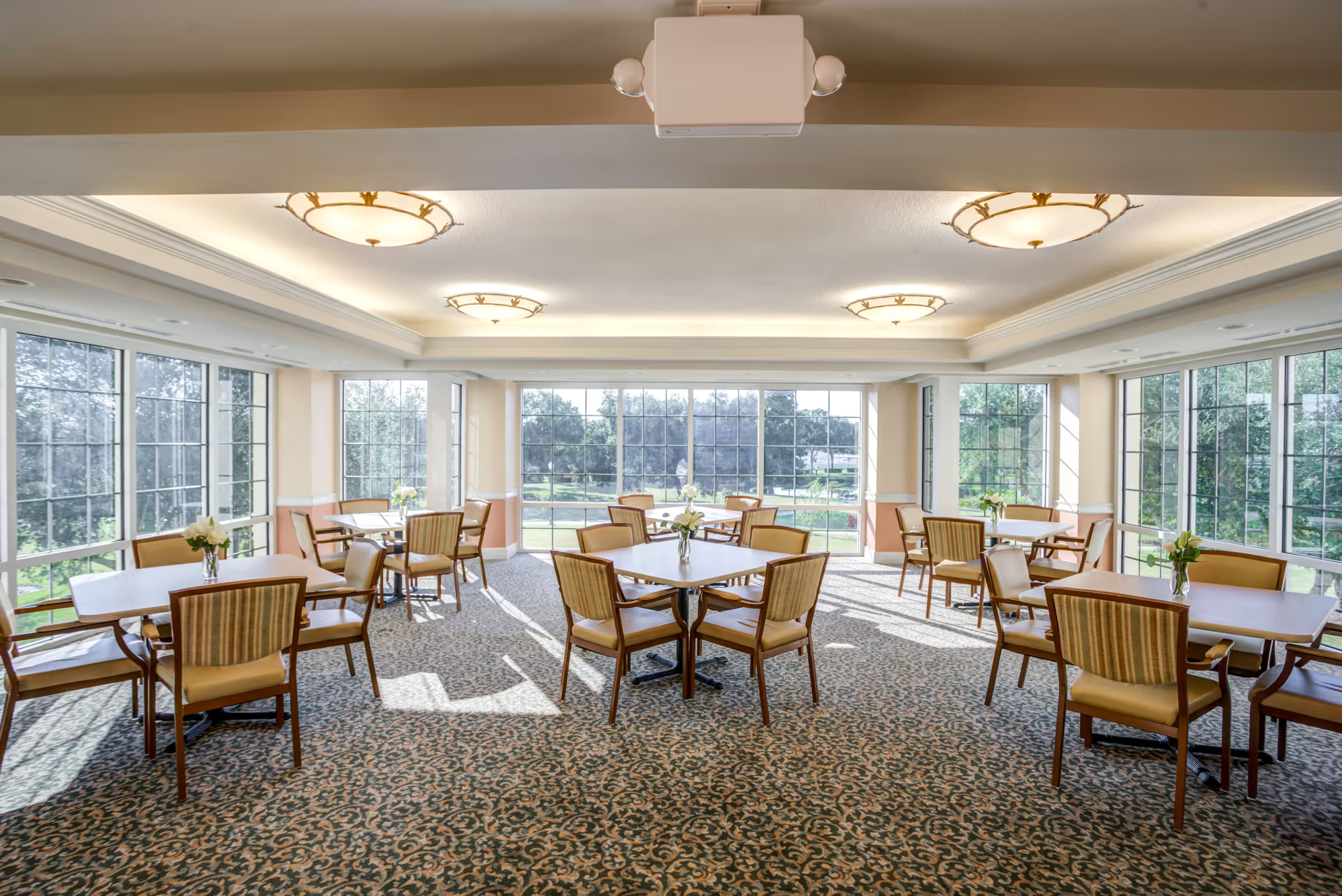
Dining and activities receive frequent positive mention. Meals are described as chef-prepared, accommodating to texture and diet restrictions, and served in family-style dining areas; snacks, desserts and special requests are commonly available. The activity program is broad and structured (games, music, exercise, religious services, outings, and themed events) and is run for extended daily hours. Families also value caregiver education, virtual support groups, and free seminars intended for family members and caregivers.
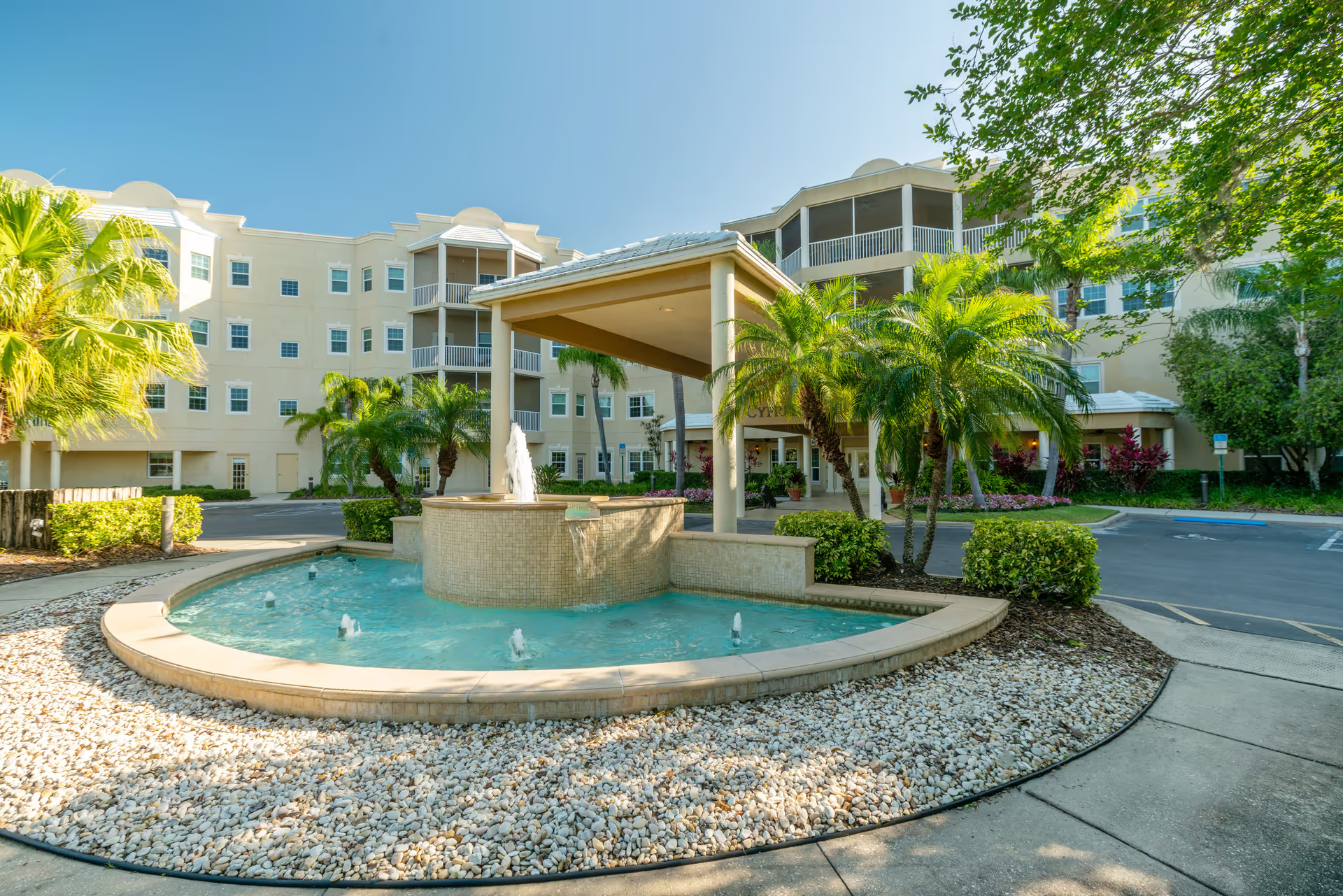
The physical plant and campus amenities are often praised: clean, well-maintained interiors; attractive landscaping and garden areas; secure courtyards and walking paths; and wayfinding features that support residents with cognitive impairment. Private rooms and bathrooms are standard, though reviewers note that individual room size and in-room amenities vary. Some units rely on a dedicated shower room rather than in-room showers, which may be a consideration for prospective residents.
Several recurring concerns appear alongside the positive themes. Cost is frequently characterized as high relative to some alternatives, although reviewers also note availability of VA assistance and all-inclusive pricing models. There are isolated but repeated accounts indicating variability in administrative leadership and tone, including instances of poor front-desk or management interactions; these suggest unevenness in leadership performance over time. A small portion of feedback raises operational issues such as variability in staff training/responsiveness, periodic sanitation and pest-control concerns, limited meal variety at times, and strains when the community is near full occupancy. A few families also described restrictive visitation or phone-access practices during infection-control events; prospective families may want to confirm current policies.
Overall, Arden Courts Largo is portrayed as a well-organized, dementia-specialized community with strong direct care, a robust activity program, and a homelike small-house environment that many families find reassuring. Prospective residents and families should tour the specific house and room options to assess room size and in-room amenities, review current infection-control and visitation policies, discuss recent housekeeping and pest-control protocols, and ask about administrative turnover and training programs to ensure expectations about leadership and operational consistency are aligned with their priorities.