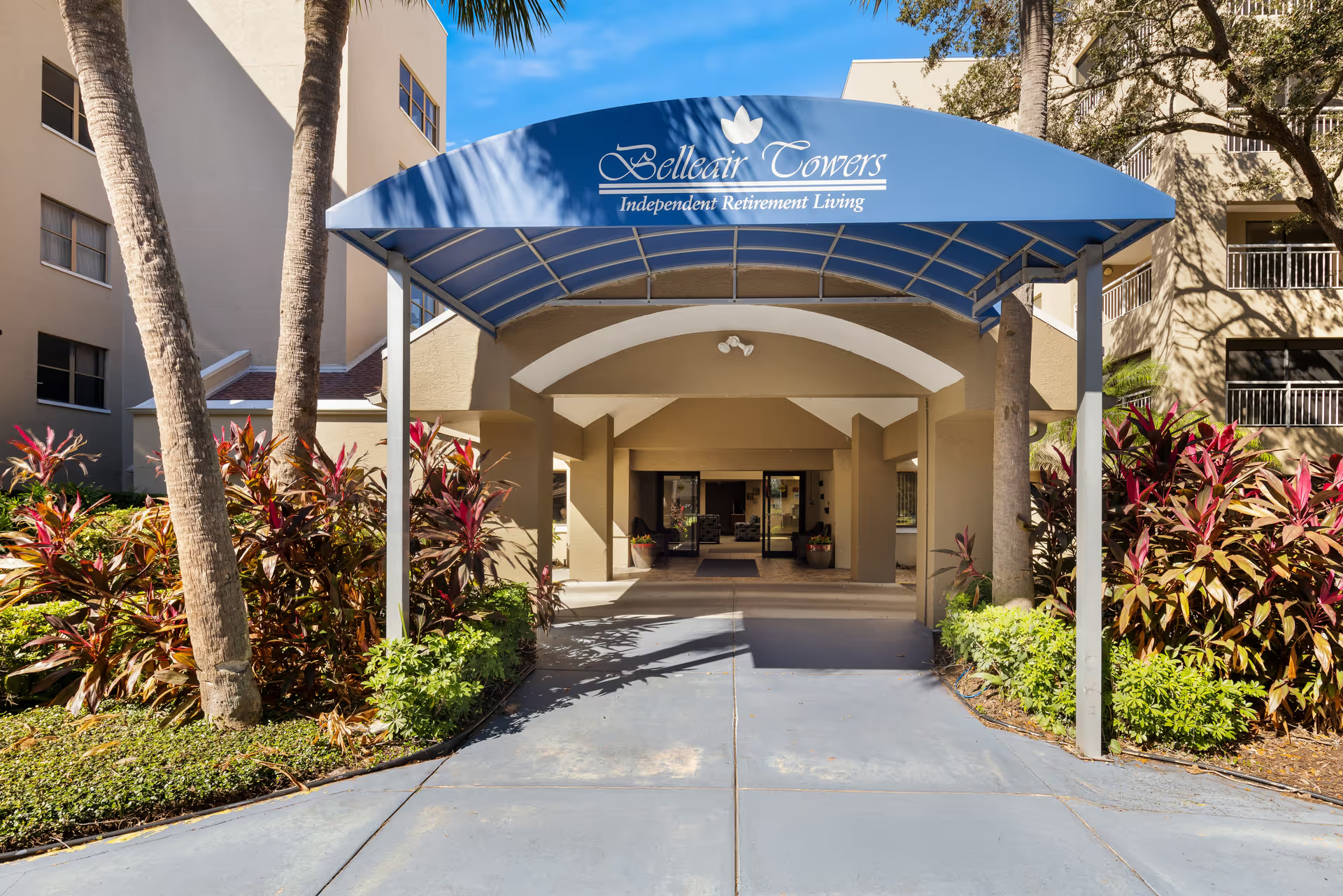
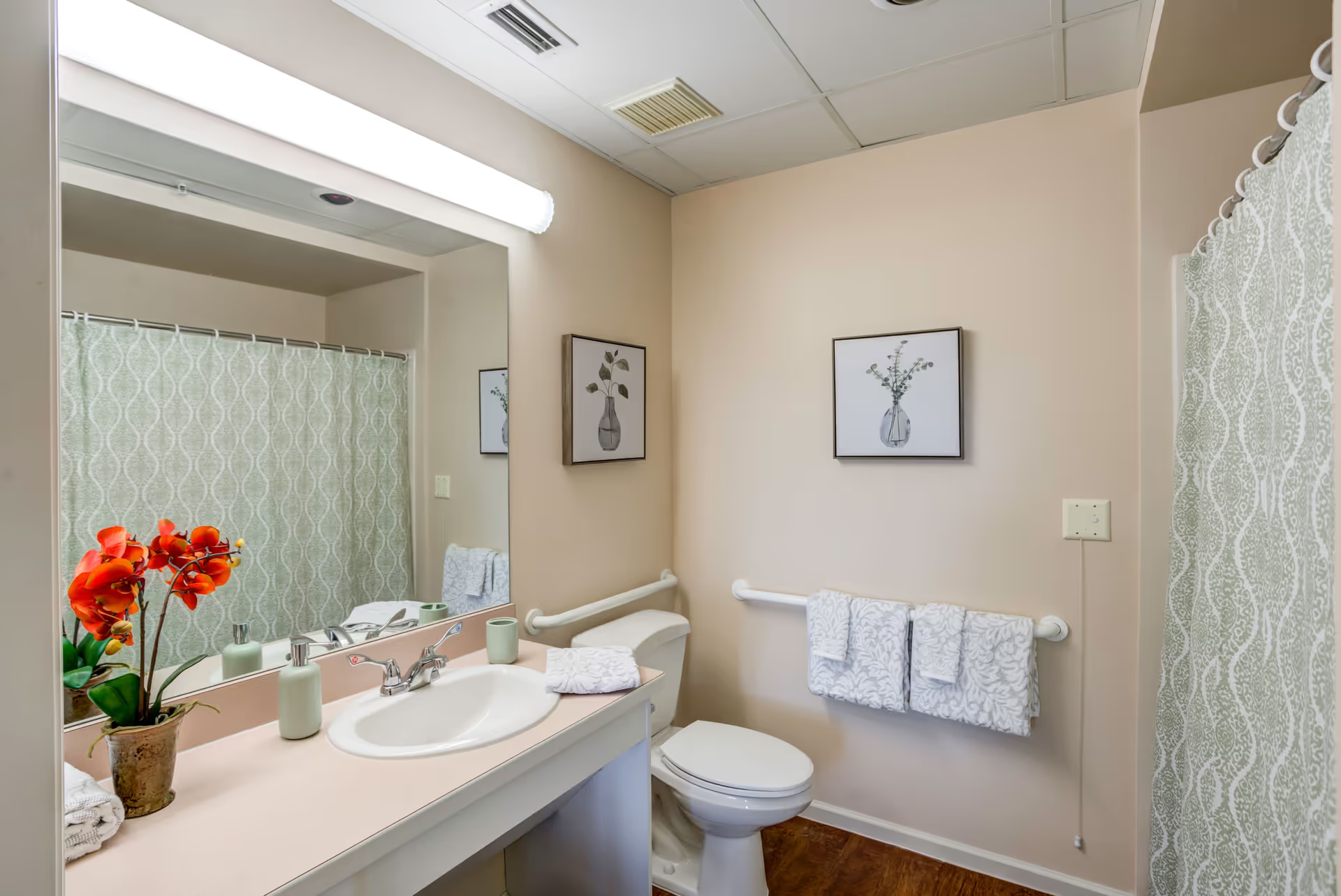
Magnolia Manor presents a mixed picture. Frontline staff are consistently described as compassionate, attentive, and hardworking; multiple comments characterize caregiving as family‑like and note solid mental‑health support. The facility’s communal spaces and grounds are well maintained, and the dining program earns positive remarks for an attractive dining room, enjoyable lunches, and healthy snack options. Programming appears active and varied, with residents finding activities stimulating. Overall, the physical environment conveys rural charm and requires only modest cosmetic updating.
Care quality shows divergence between frontline staff behavior and broader operational outcomes. While many accounts praise individual caregivers and the direct‑care team, there are also descriptions of inconsistent clinical‑care reliability and delays in responding to some resident needs. These inconsistencies suggest variability in staffing levels, training, or supervision at times. Prospective families should verify staffing ratios, staff training practices, and how the facility documents and reviews care-response times.
Management and safety are recurring areas of concern. Review information indicates weaknesses in administrative oversight, incident‑response procedures, and follow‑up communication with families after significant events. There are also indicators of gaps in admission screening and behavioral‑risk management, together with specific on‑site animal‑management and noise issues that have affected perceptions of resident safety and comfort. Taken together, these items reflect the need for clearer policies on resident placement, behavioral supports, visitor and pet policies, and safety protocols.
For families considering Magnolia Manor, the strengths are the caring direct‑care staff, engaging activities, pleasant dining, and well‑kept grounds. Weigh those positives against operational concerns around leadership consistency, incident handling, resident screening, and animal management. Recommended questions to ask the facility include: how they staff and supervise clinical care across shifts; their formal incident‑response and family‑communication processes; admission and behavioral‑risk assessment procedures; current animal‑policy and noise‑control measures; and recent corrective actions identified through internal quality reviews or external inspections. These inquiries can help determine whether the facility’s day‑to‑day caregiving strengths are matched by robust administrative oversight and safety systems.