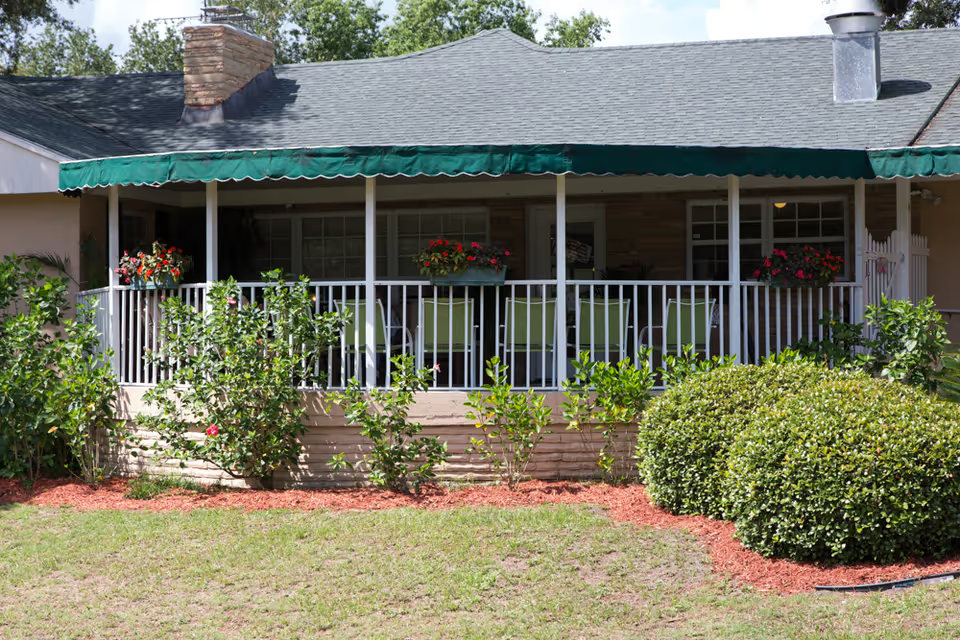
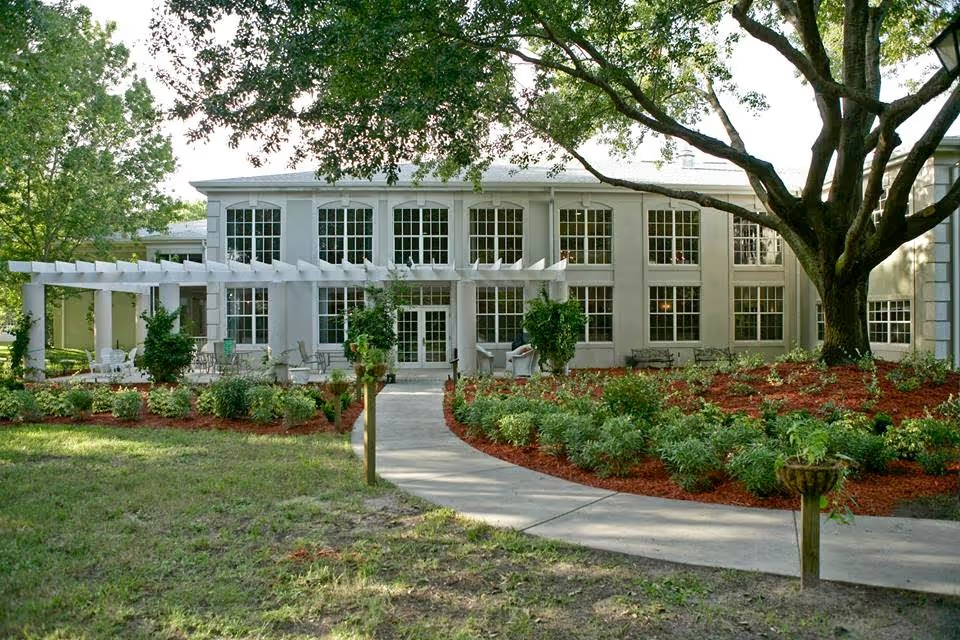
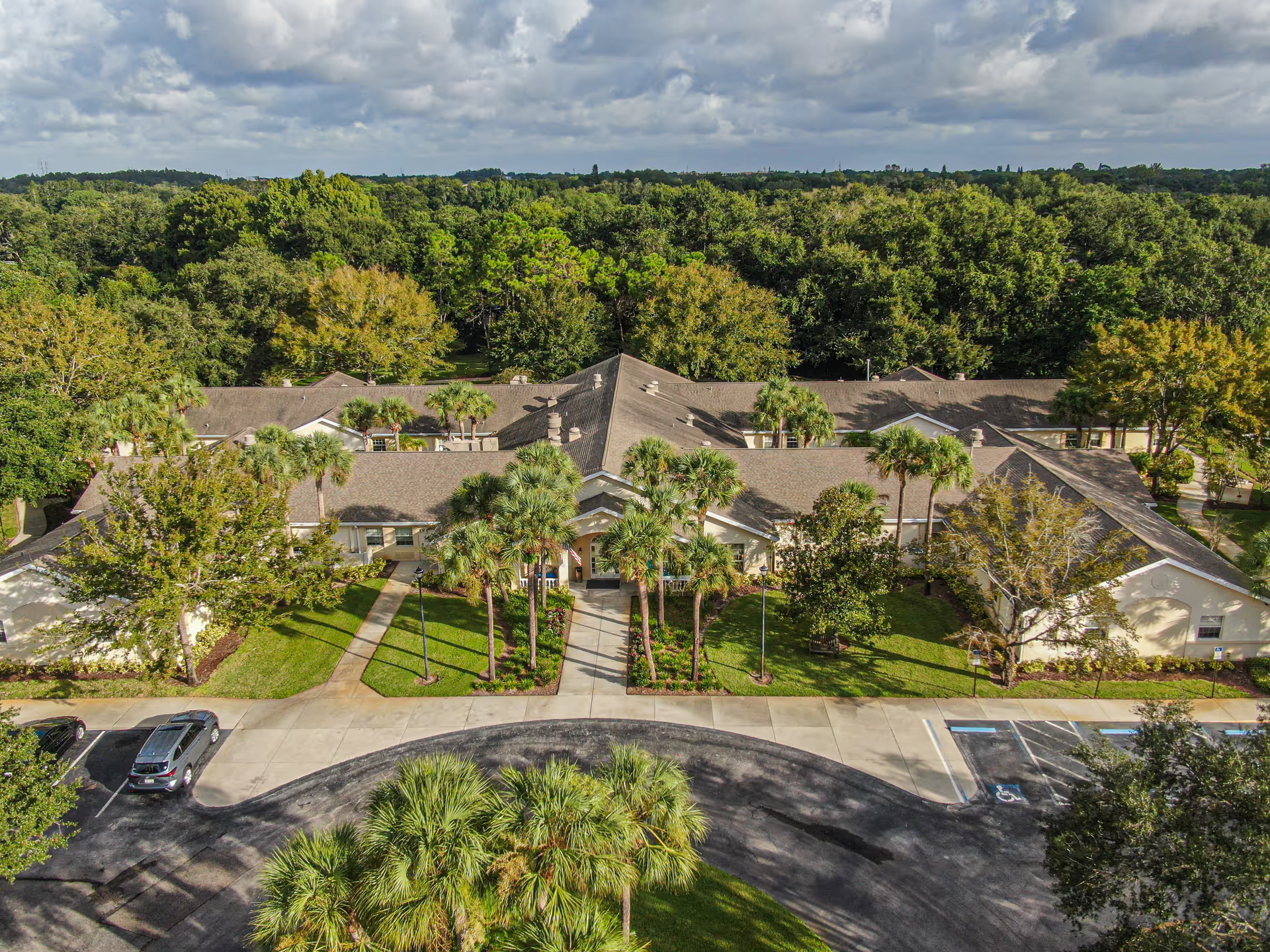
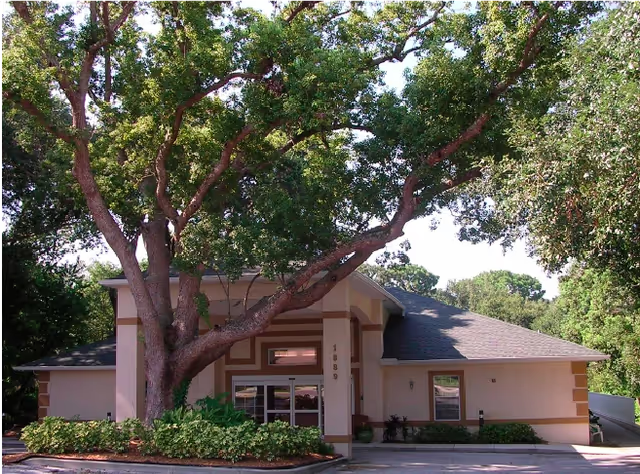
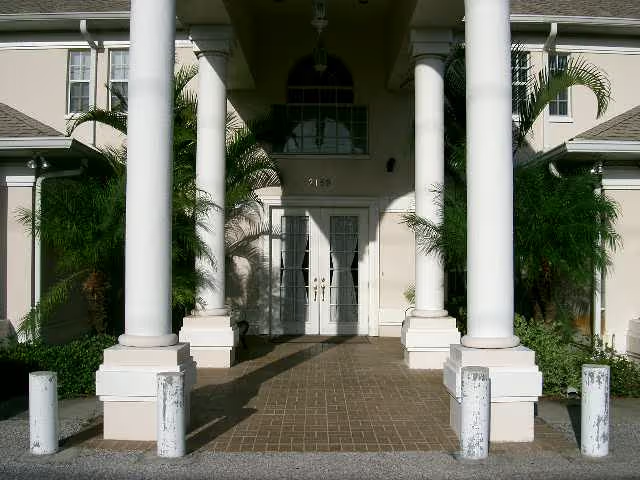
Overall impression: The Landmark presents as a well-appointed community with numerous physical and social amenities. Reviewers frequently highlight a bright, clean facility with private apartment options, accessible outdoor gardens and walkways, library and activity spaces, on-site rehabilitation and therapy, and restaurant-style dining areas. The location—close to a hospital—was noted as convenient, and the community offers respite stays and pet-friendly accommodations.
Care and staff: Staffing quality is a clear strength and a source of satisfaction for many families. Numerous accounts describe compassionate, engaged caregivers, helpful administrative contacts, and strong staff–resident rapport. At the same time, there is notable variability in staffing performance. High turnover, weaker coverage on weekends, and inconsistent training were raised as operational challenges. These patterns have been linked to delayed responses to call lights or medication requests, occasional lapses in incontinence-care follow-up, and concerns about the consistency of clinical oversight in memory-care areas. There are also individual, serious allegations about staff conduct and clinical incident management that contribute to family concern and warrant direct inquiry during a tour.
Dining and programming: Dining is a mixed area. The facility offers appealing dining rooms, private dining options, and social meal events; some reviewers praised creative menus, accommodating chefs, and generous portions. Conversely, others described repetitive menus, limited daily alternatives, intermittent meal-service continuity, and occasions when dietary accommodations were not fully met. Activities and social programming are generally robust — with live music, outings, exercise, movie nights, and regular group events — but some families would like more variety, hands-on arts and crafts, and dementia-specific programming tailored to residents with cognitive impairment.
Facilities and safety: The physical plant and amenities received many positive comments for cleanliness, room size, and communal spaces. However, reviewers also noted variability in maintenance and grounds upkeep, intermittent sanitation and pest-control concerns, and specific security/access-control lapses such as unsecured exterior doors. On the memory-care side, reviewers flagged monitoring practices (for example, limited motion-detection technology and routine night checks) as an area for clarification and possible improvement to reduce fall risk and improve rapid response.
Management, communication, and operations: Administrative themes include helpful and organized points of contact for some families alongside inconsistent communication, delays in billing/refunds, and occasional unexpected charges. Staffing changes tied to ownership transitions were cited as a source of recent operational disruption. Prospective families should clarify staffing ratios, weekend supervision, dementia-care protocols, emergency response procedures, infection-control and pest-control policies, and billing practices during their visit.
Bottom line: The Landmark offers many facility-level strengths — especially in environment, amenities, and staff–resident relationships — but also exhibits operational inconsistencies that affect daily care and family confidence. A targeted tour that probes staffing stability, memory-care monitoring, dining accommodations, security measures, and administrative transparency will help determine whether the community’s strengths align with a prospective resident’s needs.