Westchester Gardens Health & Rehabilitation elicits a mixed but clear pattern: many families praised the facility's therapy services and bedside nursing for producing successful short-term rehabilitations and enabling return to independent living, while other accounts describe operational and clinical gaps that affected some residents' experiences. The facility's rehabilitation staff and nursing teams are frequently characterized as skilled, professional, and compassionate; reviewers frequently cite effective physical therapy and coordinated post-acute care that supported measurable recovery. Medical staff are also described as knowledgeable and responsive in many cases, and several families highlighted polite, devoted frontline staff and a generally clean, well-maintained environment.
Dining and activities are notable strengths for a number of residents. The facility offers a lunch bistro with choice-driven meals, social events such as wine-and-cheese gatherings, music, and sports-related programming, and some reviewers reported enjoyable entertainment and social engagement. At the same time, dining quality appears to vary across stays; while some found the meal service excellent, others described the food as less satisfying. Activity offerings are a consistent positive, contributing to social well-being for many residents.
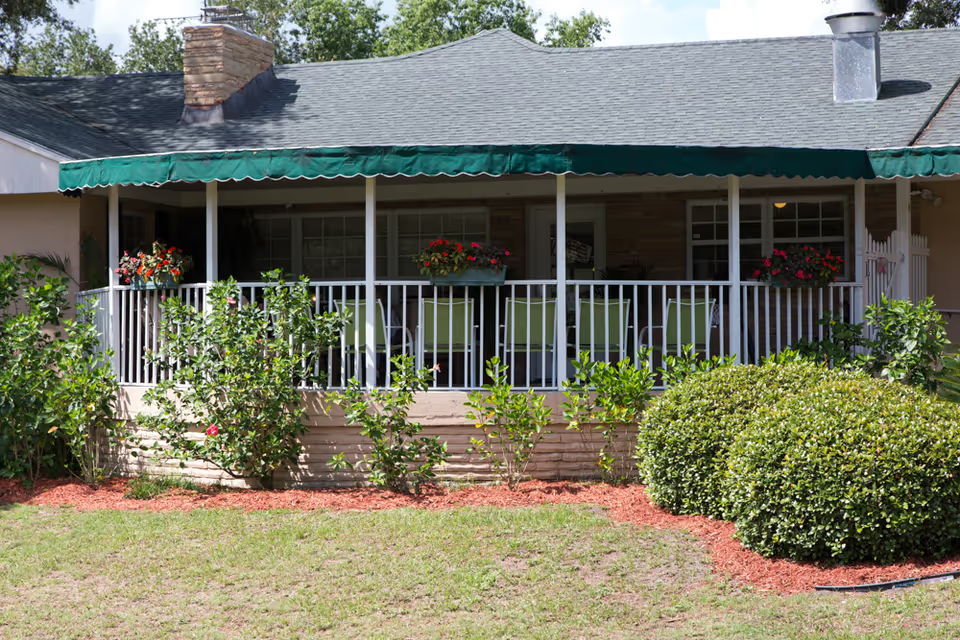
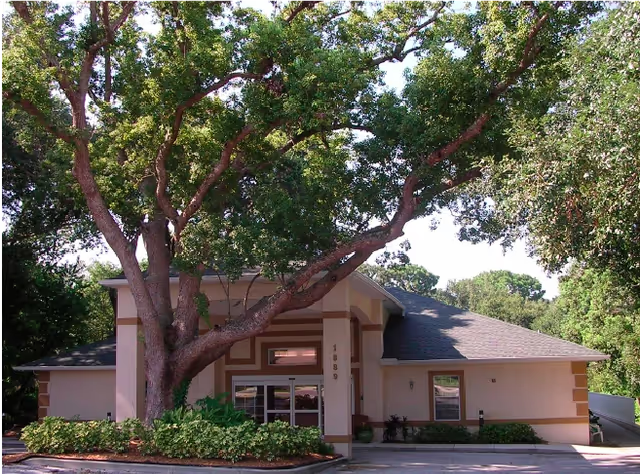
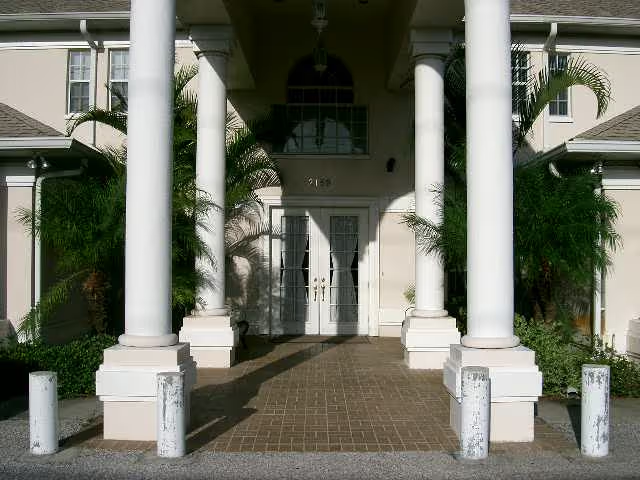
Facility appearance and accommodations present a mixed picture. Common areas and recent interior updates (for example, new wood flooring) were described positively, and semi-private room options are available. Conversely, some rooms were assessed as small or dated, and there are intermittent cleanliness and odor concerns tied to incontinence-care procedures in specific areas. These observations indicate that physical maintenance and sanitation protocols are strengths in many parts of the building but inconsistent in others.
Operationally, the most recurring concerns involve staffing levels, responsiveness, and administrative oversight. Reviewers reported periods of understaffing and longer-than-expected wait times for assistance, and there are accounts of variable staff attentiveness that suggest uneven day-to-day supervision or scheduling. A small number of serious clinical accounts described an acute deterioration that required hospital transfer; these narratives point to potential gaps in clinical escalation, monitoring, and family communication that the facility should address. Pricing was described as relatively high by some families, which factors into perceived value when experiences vary.
In summary, Westchester Gardens appears to provide strong rehabilitative care and many compassionate staff members, with good activity programming and a generally well-kept facility in parts. However, prospective residents and families should be aware of variability in staffing, room condition, cleanliness practices, dining consistency, and clinical escalation processes. An on-site visit, direct questions about staffing ratios, escalation protocols, sanitation procedures, and a tour of room options will help families assess whether the facility’s strengths align with their priorities.