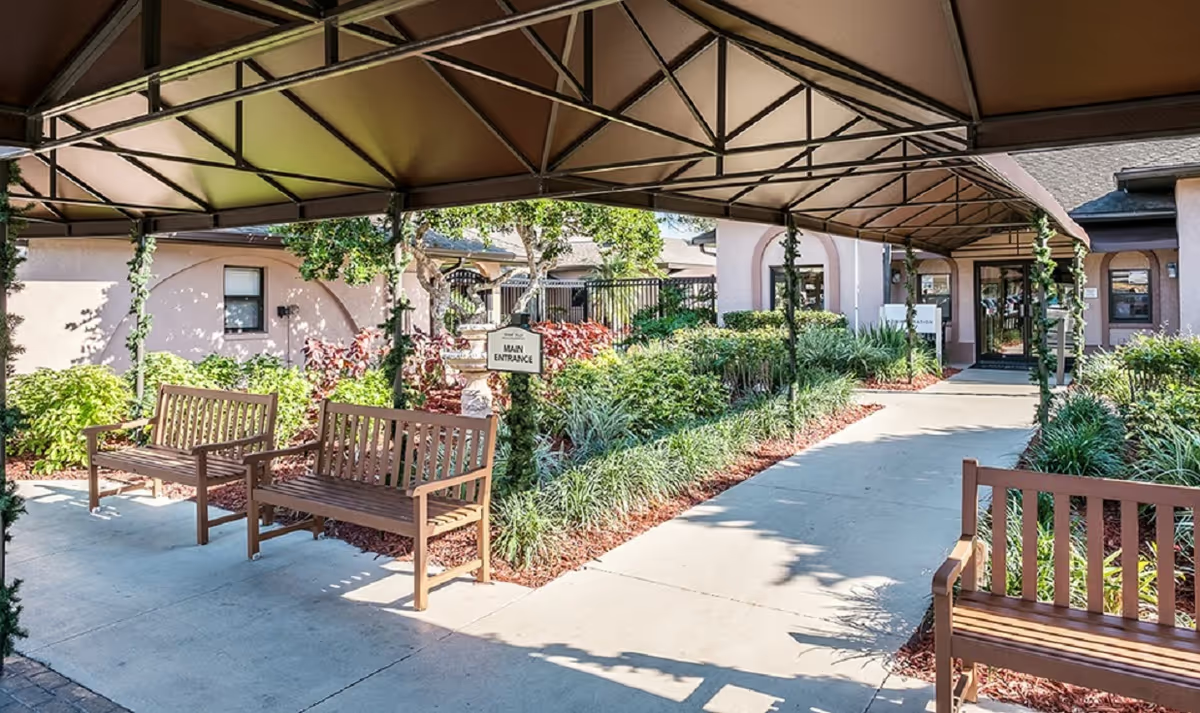
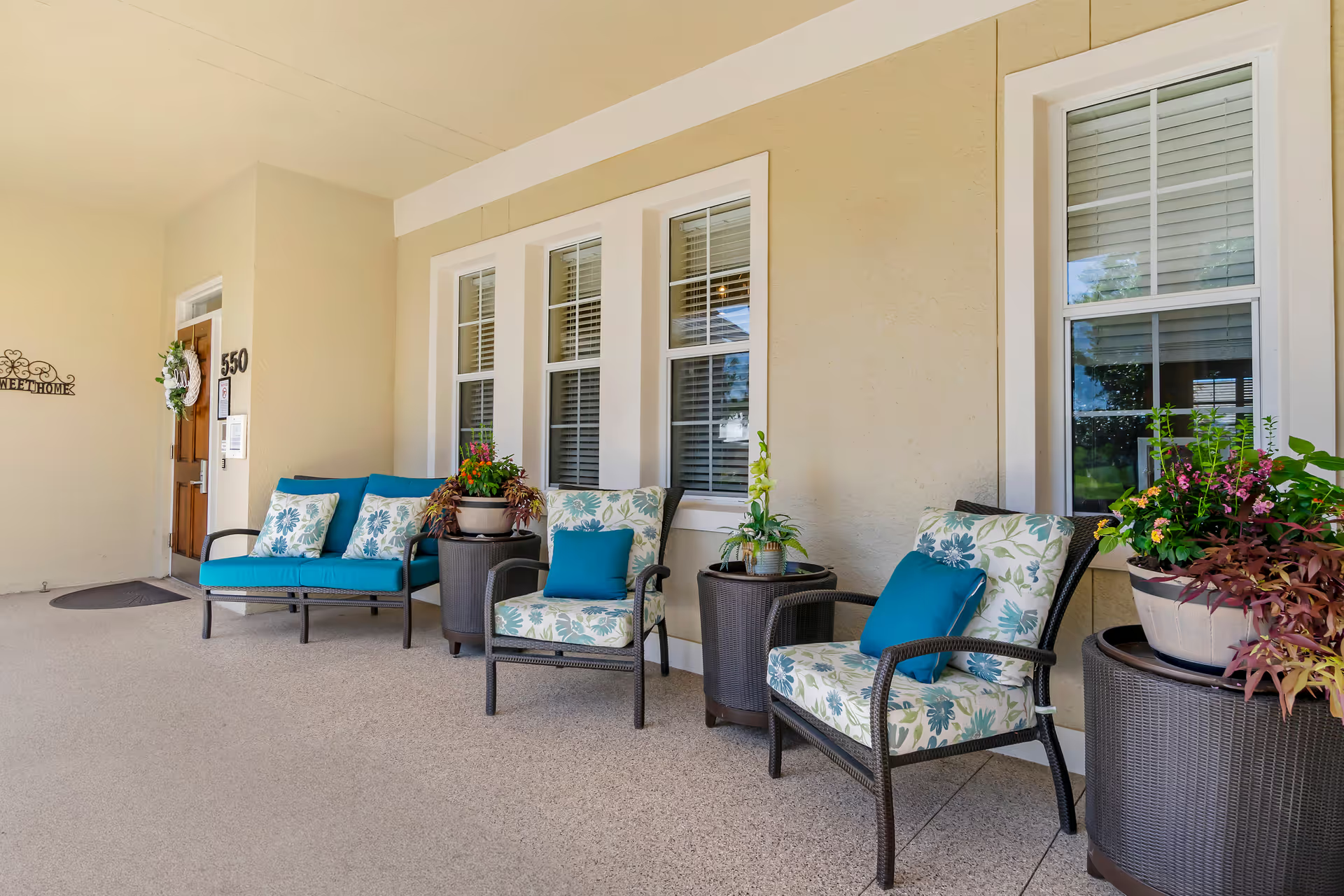
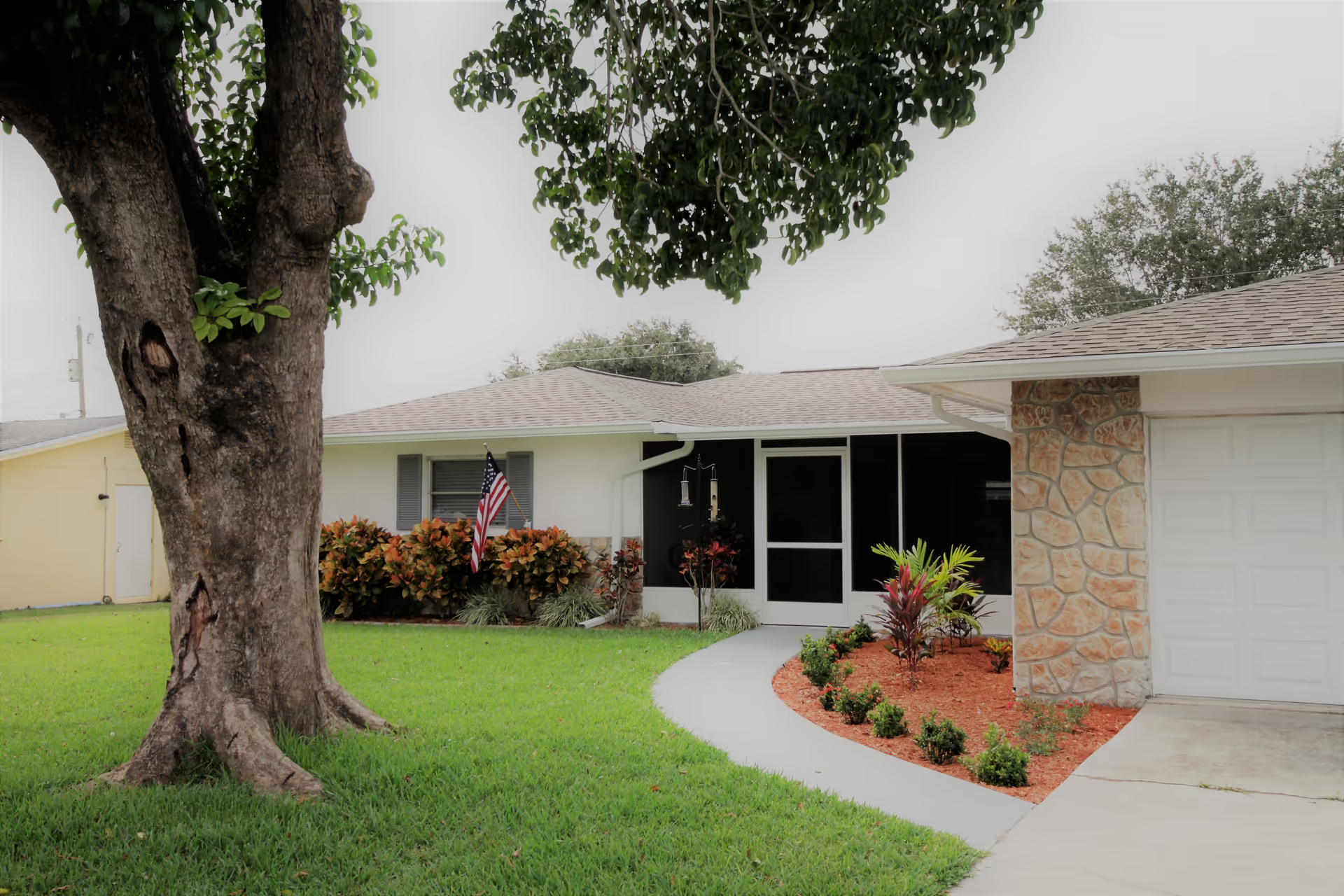
The reviews present a mixed but largely improvement-focused picture of Inglenook House Assisted Living & Memory Care. Many comments emphasize recent positive changes: new ownership (including registered nurses), licensed caregivers, renovations that produce a clean, porch/beach-themed, home-like environment, and an active, varied activity calendar. Several families describe warm interpersonal dynamics, attentive CNAs, a responsive director, and a low resident census that facilitates individualized attention and social engagement.
Care quality is described in contrasting terms. Positive accounts highlight compassionate, respectful care delivered by licensed staff and around-the-clock professional coverage. Conversely, there are accounts that raise operational concerns about lapses in responsiveness and personal-care follow-through, particularly during night hours. This pattern suggests variability in staff performance and occasional staffing shortfalls rather than uniformly consistent practice. Prospective families should evaluate current staffing ratios and night-monitoring protocols during a visit.
Dining and programming are areas of clear strength and some inconsistency. The facility offers a broad range of activities—chair yoga, games, baking, arts and crafts, and group trivia—that reviewers credit with increasing residents’ engagement and mood. Dining is described as adequate by some families, but other comments point to interruptions in on-site meal preparation and an absence of a dedicated cook at times, indicating potential meal-service continuity issues to confirm during a tour.
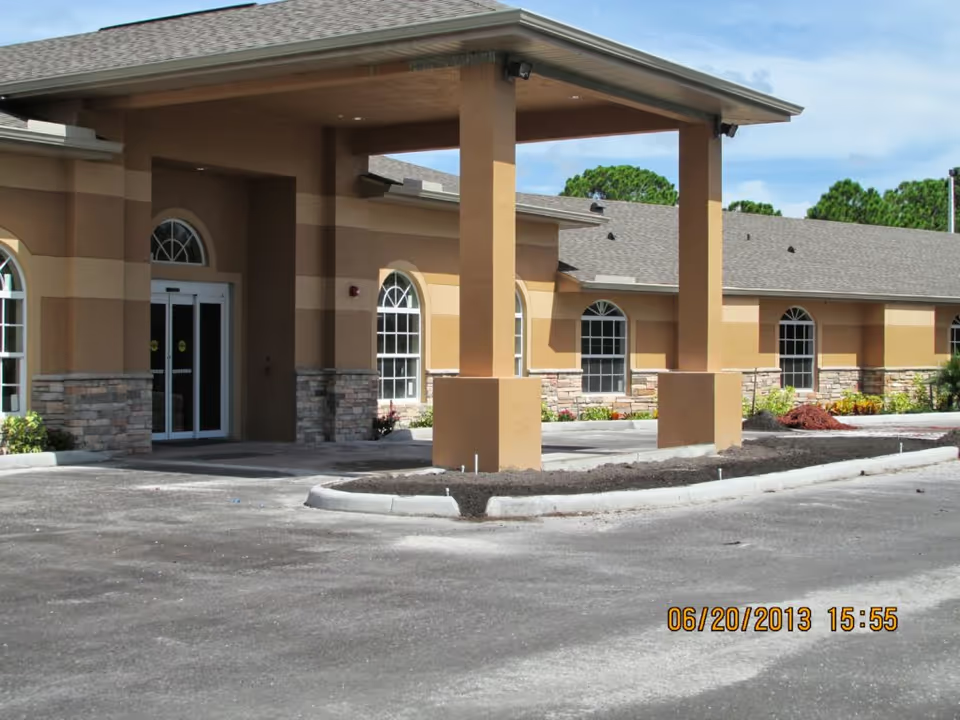
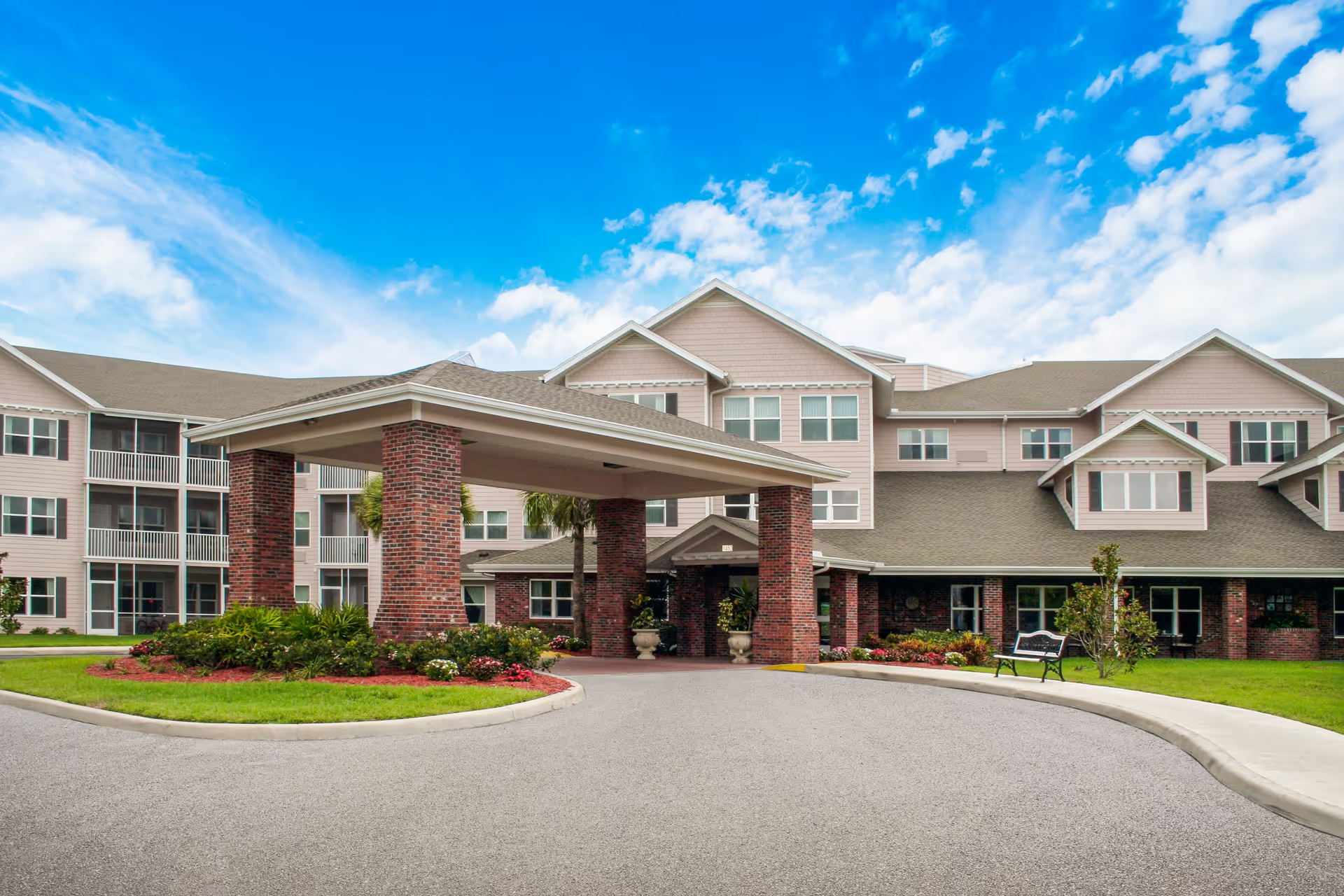
Facilities and operations show signs of investment and a small, comfortable footprint: remodeled common areas, porch rooms, and multiple living spaces that support socialization. At the same time, there are explicit operational concerns that merit investigation: pest-control complaints in some rooms, gaps in safeguarding residents’ personal items and important documents, and periodic failures in supervision. There are also references to past problems under former management; more recent reviews tend to be more favorable, reflecting improvements after ownership changes, though transitions have at times affected continuity of care.
Overall, the dominant pattern is one of notable recent improvement tempered by some lingering operational risks. Many families recommend visiting in person to assess current conditions and management practices. When touring, ask specific questions about staffing levels and turnover, nighttime monitoring protocols, meal-service arrangements, pest-control procedures, property-security measures, and examples of recent quality-improvement steps taken since the ownership transition. These inquiries will help determine whether the facility’s recent positive trajectory aligns with your expectations for safety, consistency, and resident well-being.