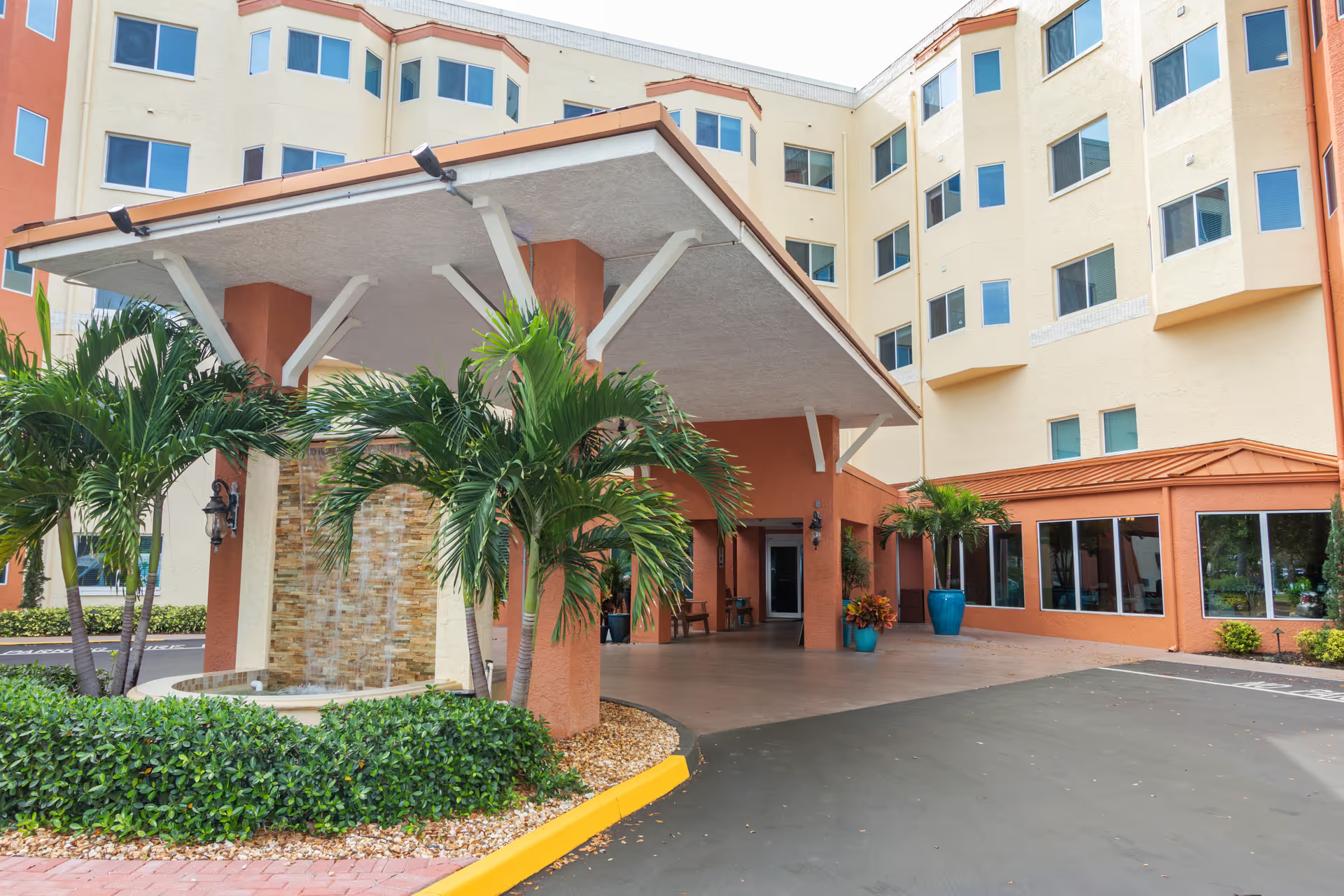
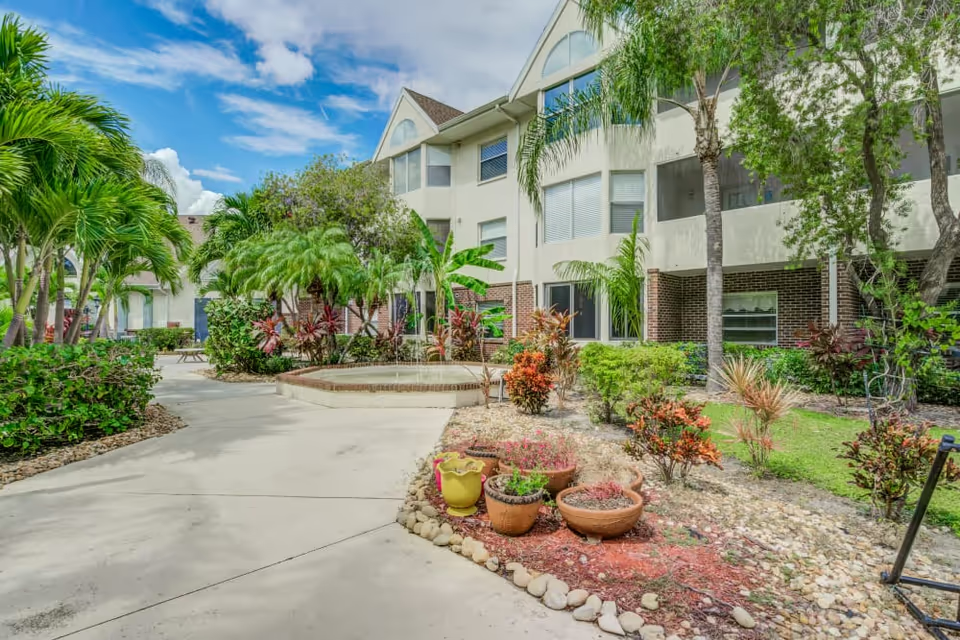
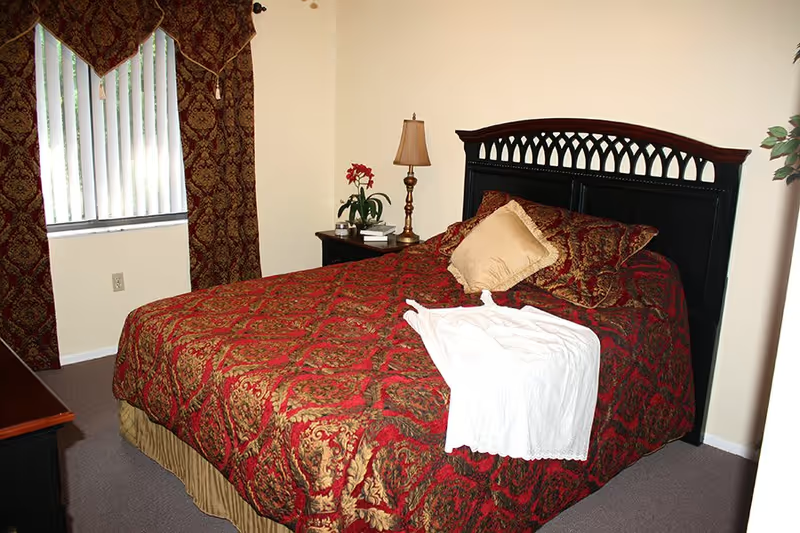
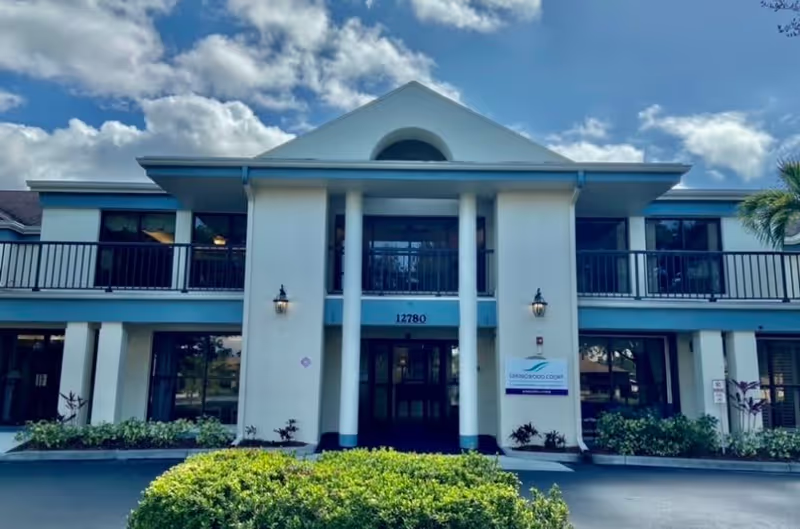
The reviews paint a mixed but thematically consistent picture: Page Rehabilitation and Healthcare Center delivers notable strengths in rehabilitation services, some areas of nursing competence, and family-oriented social work, while also demonstrating recurring operational weaknesses that merit scrutiny. Therapy teams (physical and occupational therapy) are frequently singled out for effective, focused rehabilitation and timely progress toward discharge goals. Several families praised attentive caregivers, a helpful reception staff, and active volunteer-led activities that contribute positively to residents’ daily life. There are also multiple references to clean, comfortable rooms and pleasant dining experiences in parts of the facility, and some reviewers described tangible improvements after management changes.
At the same time, a prominent pattern is variability in clinical care and facility operations. Medication-administration problems, communication gaps with families, and inconsistent nursing supervision recur across reviews; these issues have been associated with delayed care, missed or late doses, and concerns about wound and continence follow-up. Shift-to-shift inconsistency—exacerbated by reliance on agency staff—appears to drive much of this variability, producing widely different experiences depending on wing, shift, or individual caregiver. Several accounts also raise safety and maintenance issues: malfunctioning call systems, HVAC and room repairs, and examples of room- and unit-level sanitation or pest-control concerns.
Dining and activities present a mixed picture. Many reviewers described adequate or enjoyable meals and meaningful activities (crafts, music, church services, salon services), and therapy availability was often strong. Other reviewers described inconsistent meal quality and limited or irregular activity structure, suggesting that dining and programming may vary by unit or time of day. Administrative functions attracted critique as well: challenges with billing records, lost personal belongings, and difficult discharge or hospital-transfer coordination were mentioned repeatedly enough to suggest systemic process gaps.
Taken together, the pattern is one of a facility with clear strengths—notably in rehabilitation services, several caring staff members, and active community programming—paired with operational weaknesses that can materially affect clinical safety and family confidence. Prospective residents and families should prioritize direct inquiries about medication-safety protocols, staffing mix and supervision, call-bell and emergency response times, pest-control and sanitation logs, wound and continence-care pathways, and hospital-transfer procedures. A focused tour of the specific unit under consideration, conversations with the unit nurse/therapy lead, and review of recent inspection or corrective-action records will help assess whether the areas of concern have been addressed and whether the facility’s strengths match the resident’s care needs.