Overall impression: The reviews present a highly polarized picture of Emerald Nursing and Rehabilitation Center. A substantial subset of families and former residents describe meaningful rehabilitation successes, attentive individual caregivers, and a robust activities program that supports engagement. Conversely, a large body of accounts identifies recurring operational weaknesses that merit attention for anyone considering placement.
Care quality and clinical oversight: Clinical experiences vary widely. Positive accounts emphasize effective physical therapy, successful short-term rehab outcomes, and attentive nursing that administered medications on schedule. Negative accounts describe inconsistent clinical monitoring, delayed responses to call lights, missed medication or vital-sign checks, and concerns about escalation when residents exhibited acute symptoms. There are also several references to follow-up concerns after serious clinical events and to broader questions about emergency-transfer coordination.
Staffing and conduct: Many reviewers praised individual nurses, CNAs, therapists, and social-service staff as compassionate and skilled. At the same time, recurring themes include understaffing, long delays for assistance, variable CNA performance, and concerns about the tone and professionalism of some staff members. Language and communication barriers, along with inconsistent availability of leadership at times, contributed to family frustration. Social services and certain long-tenured staff receive consistent positive mention for advocacy and benefits support.
Dining and activities: The activities department is frequently singled out as a strength, with daily music, bingo, and varied programming that residents enjoy. Dining feedback is mixed: some families compliment meals and a new chef, while others note cold meals, small portions, and inconsistent food service. Overall, activities tend to be a reliably positive aspect, whereas meal quality appears inconsistent across stays.
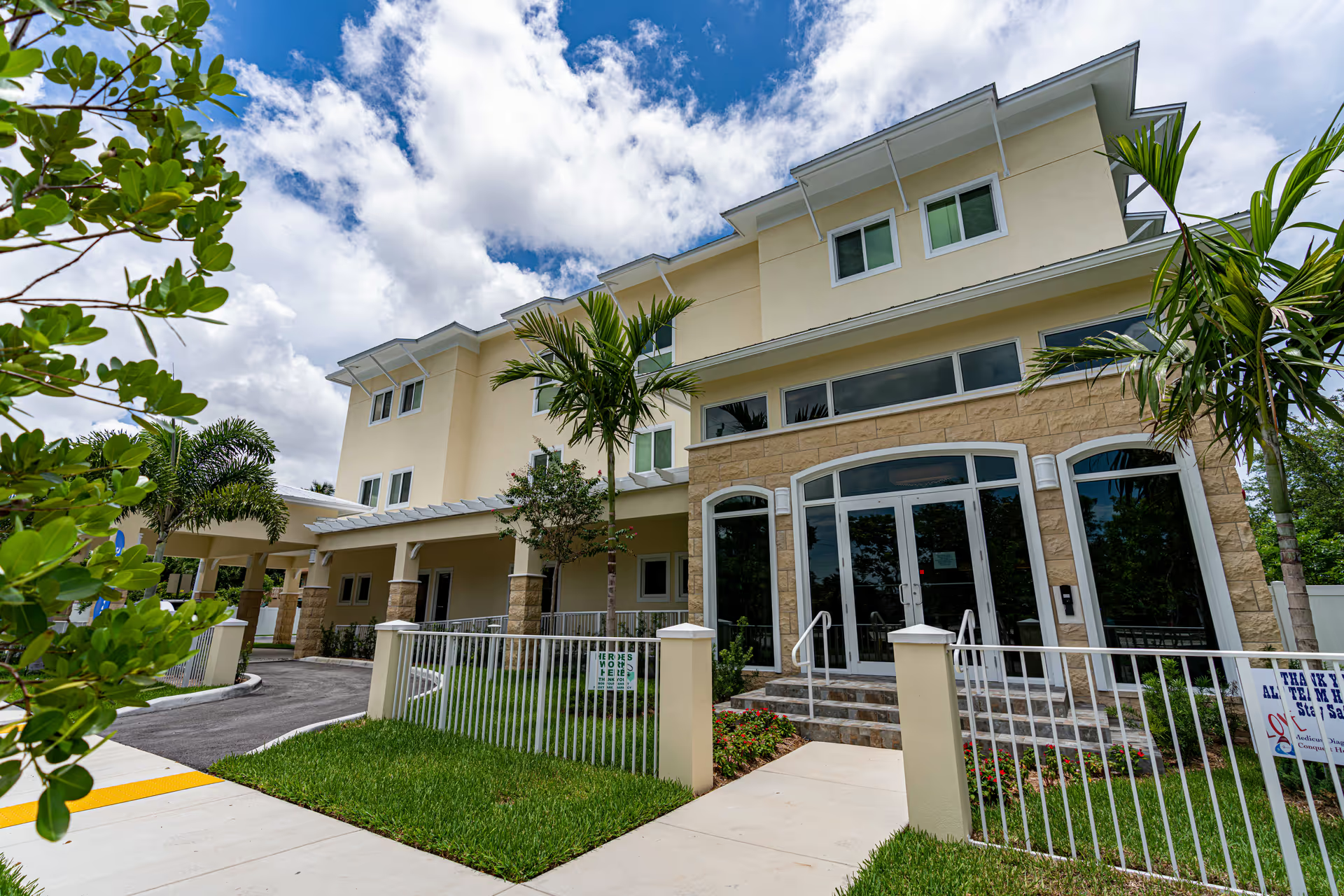
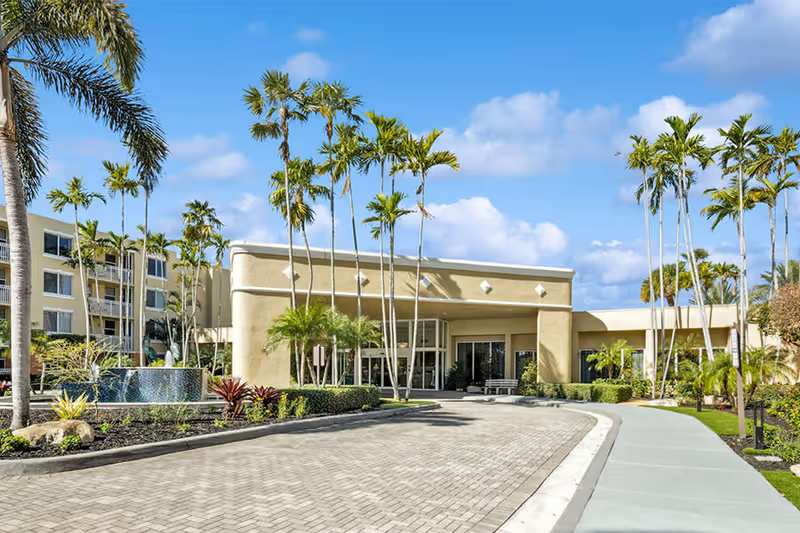
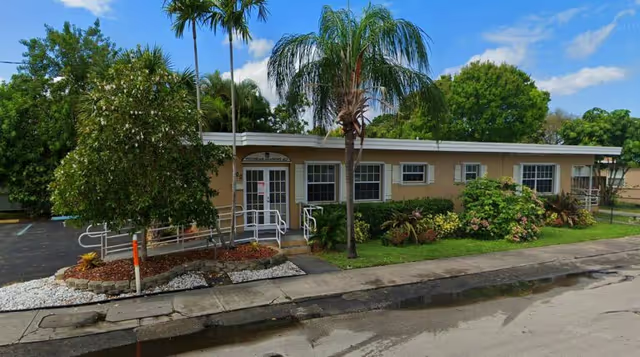
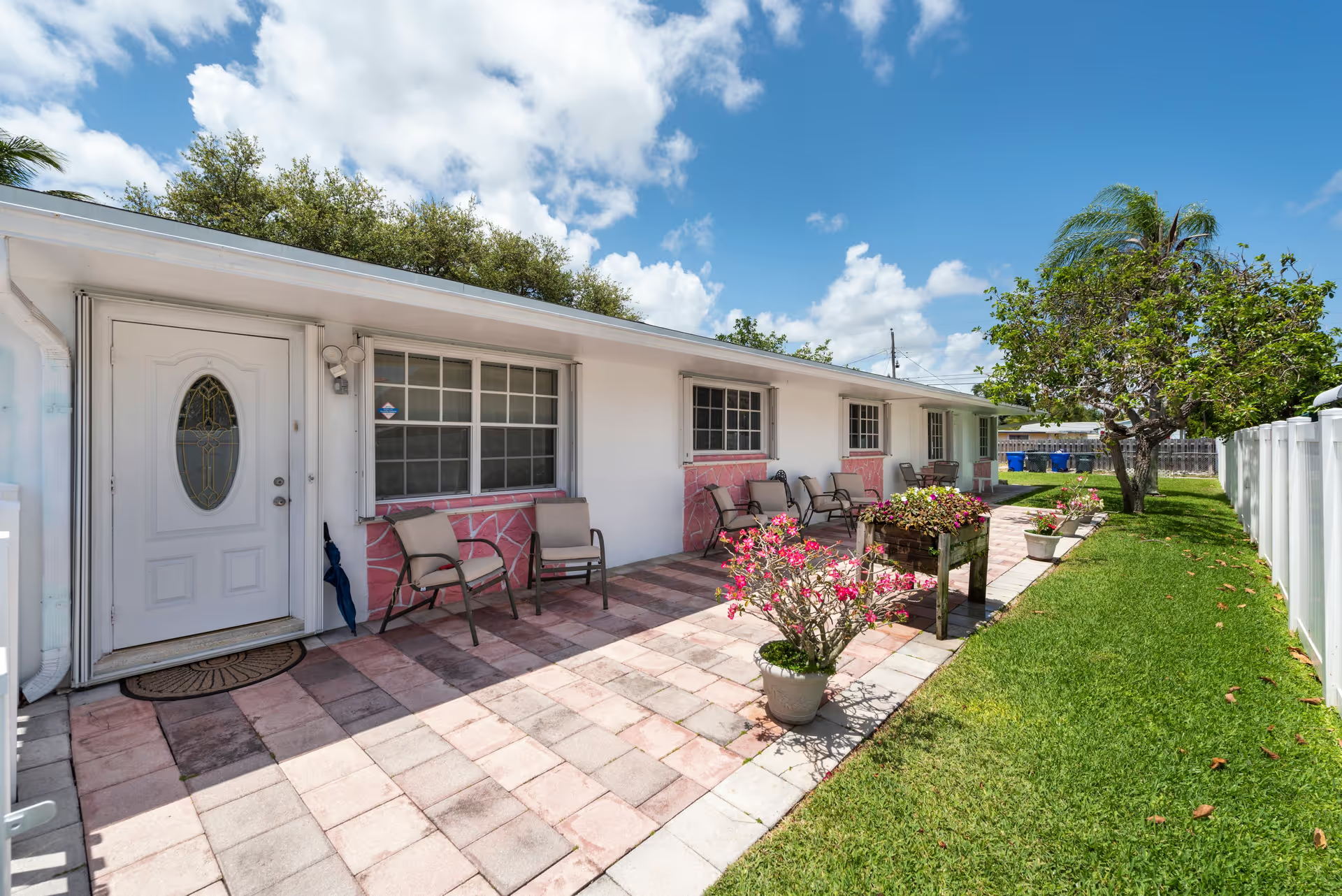
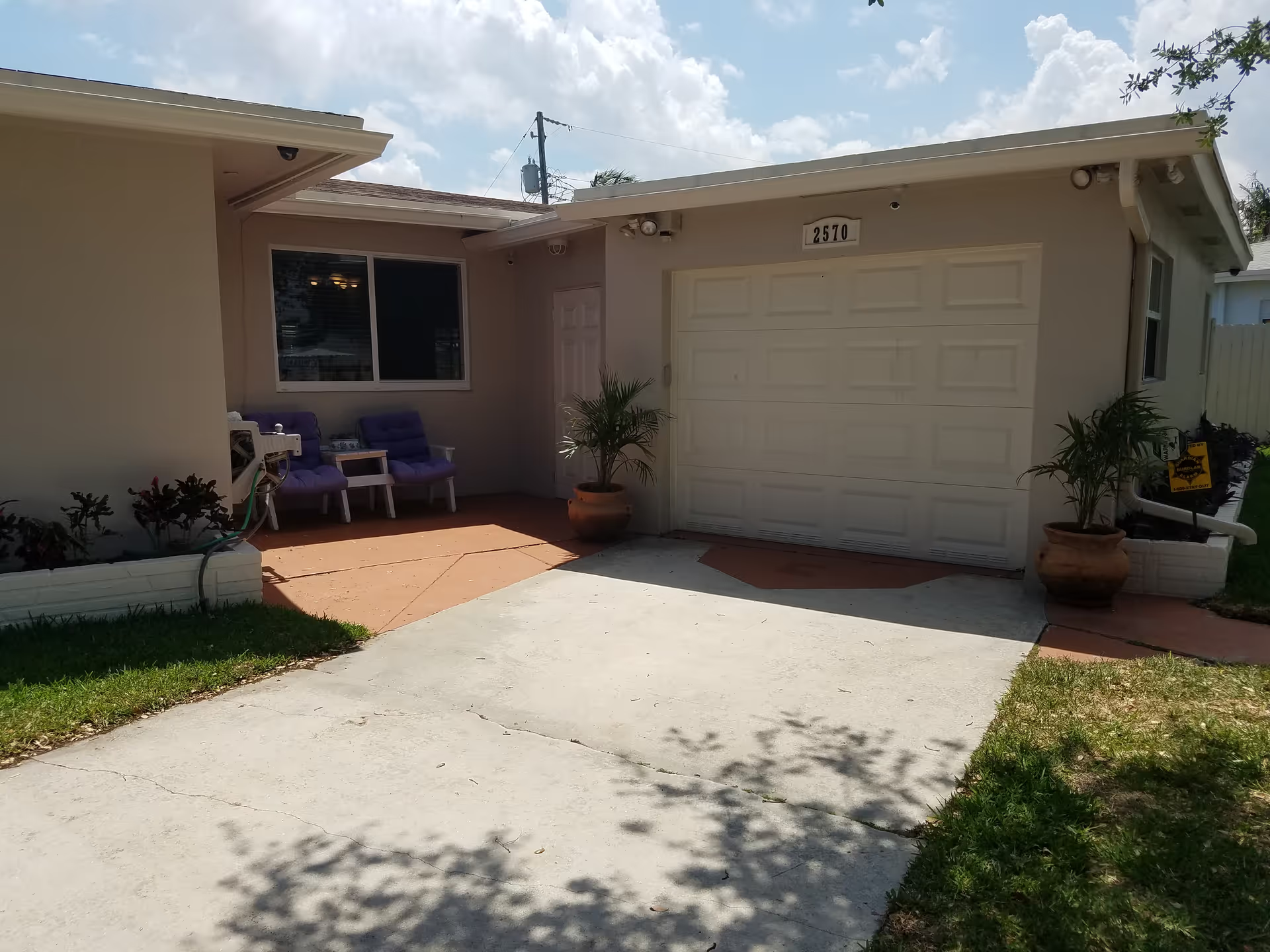
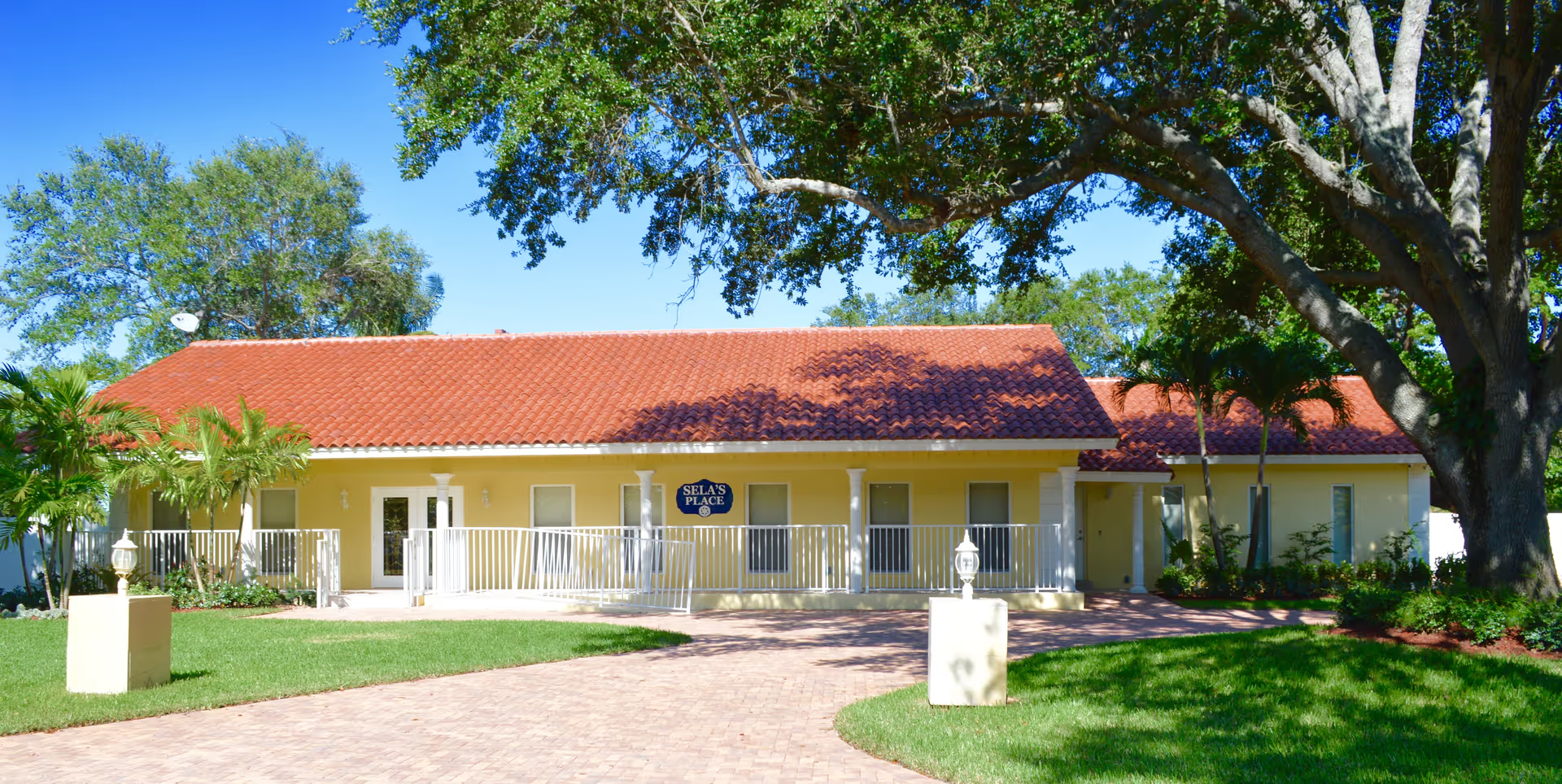
Facilities, cleanliness, and maintenance: Multiple reviews cite building-age issues and maintenance needs: dated rooms, broken equipment, cramped shared rooms, and concerns about cleanliness and smells in certain areas. These sanitation and pest-control concerns are unevenly distributed according to reviewers, suggesting variability by unit or time. Prospective families should inspect rooms and common areas in person and ask about recent remediation and pest-control records.
Management, administration, and financial practices: Accounts of administrative responsiveness are mixed. Several reviewers commend social services and particular administrators for helpfulness, while others describe poor grievance handling, unreturned calls, and difficulty obtaining records or discharge items. Billing disputes, unexplained charges, and at least a few allegations of financial misconduct were raised; these are serious concerns that families should verify through documentation and the facility’s billing office.
Notable patterns and guidance: The dominant pattern is variability—certain departments (notably rehabilitation and some social-service staff) are consistently praised, while systemic issues (staffing levels, communication, facility upkeep, and meal consistency) recur. Given this variability, prospective families should schedule an in-person tour, observe call-light responsiveness, inspect cleanliness and room conditions, ask for recent inspection and staffing-ratio information, review medication and emergency protocols, and request written billing and visitation policies. Checking state inspection reports and asking for contact information for the unit manager or social worker can help clarify whether current conditions align with your expectations.