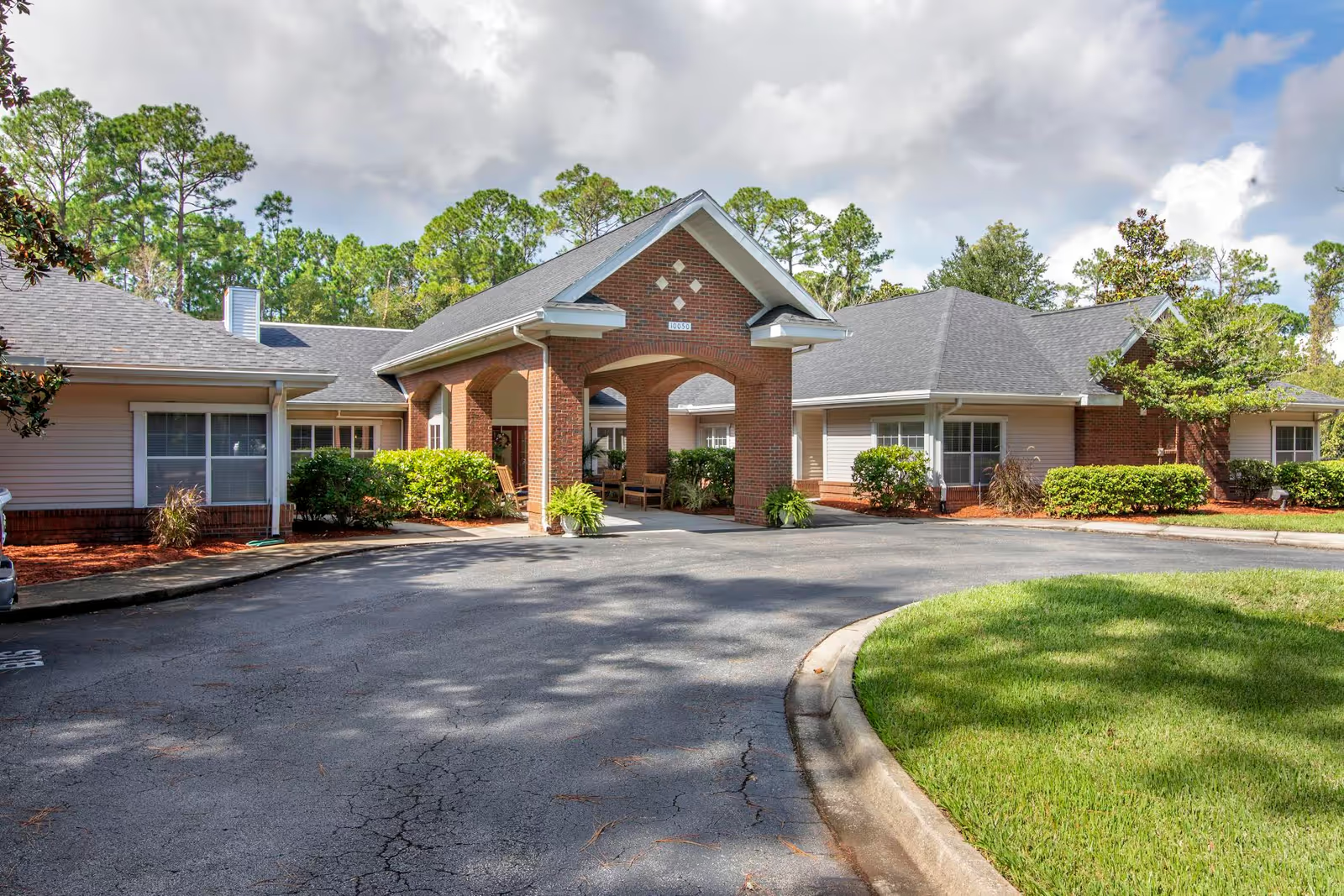
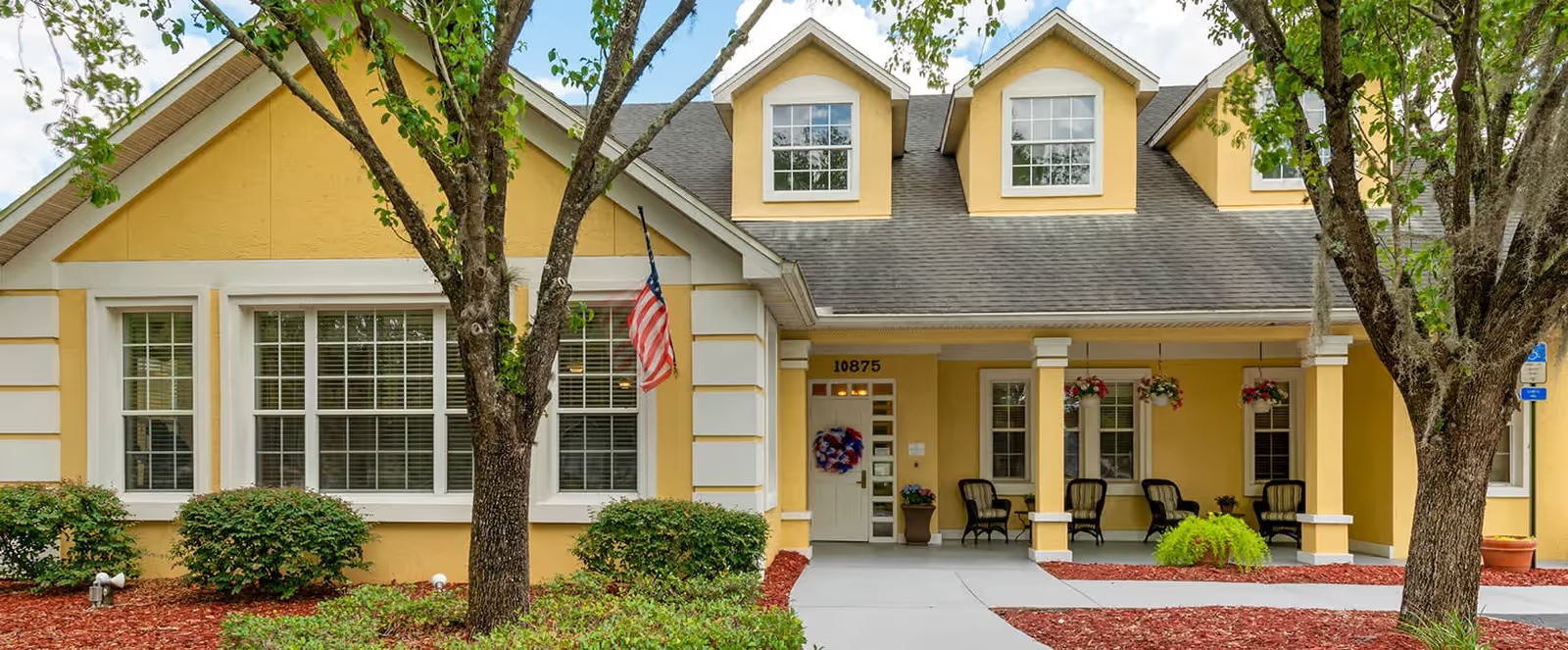
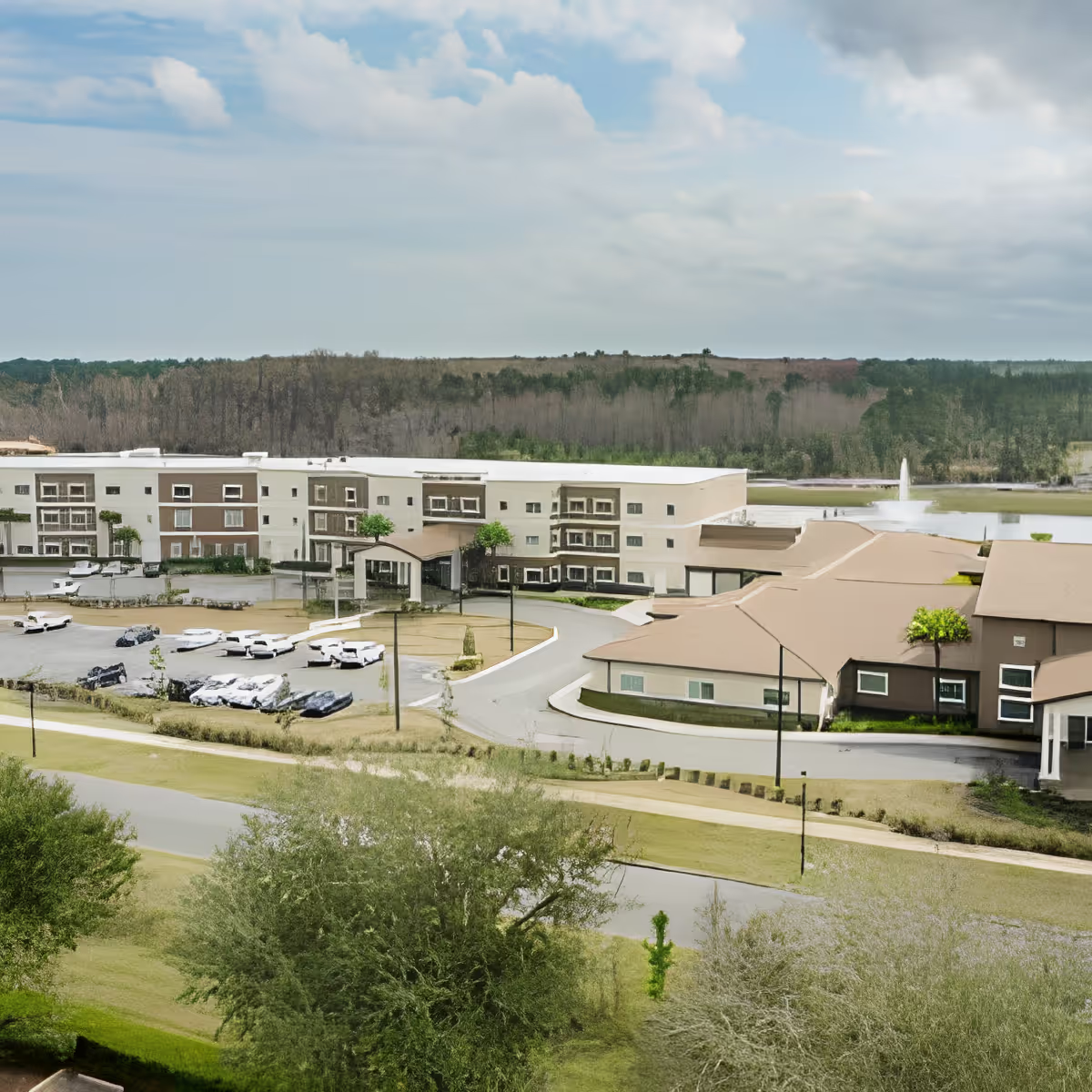
Reviews for Almost Home Senior Services Inc present a mixed picture. Several families praised the facility's small, family-owned character, not-for-profit status, affordability, and an owner who is visibly involved in day-to-day operations. Reviewers also noted the programmatic focus on memory support and functional activities consistent with an adult-daycare model. Those positive impressions tend to emphasize a home-like scale and a degree of personalized attention that some families found valuable.
Care quality and staffing emerged as an inconsistent area. Positive accounts describe engaged, caring leadership, while other accounts raise concerns about staff responsiveness and conduct. Examples across the feedback point to delays or limits in attending to resident needs, restrictive handling of resident movement and room access, and instances where families perceived the communication tone from staff or management as unprofessional. There are also concerns about the facility's nursing oversight and restrictions on bringing in external clinical staff, which some families linked to challenges in managing higher-acuity needs.
Dining and nutrition were repeatedly noted. Several reviewers described meals as heavily processed and high in added sugars, and raised concerns about a lack of healthier options or balanced menus. These comments suggest potential inconsistency in meal planning and nutritional oversight that families may wish to probe during a tour.
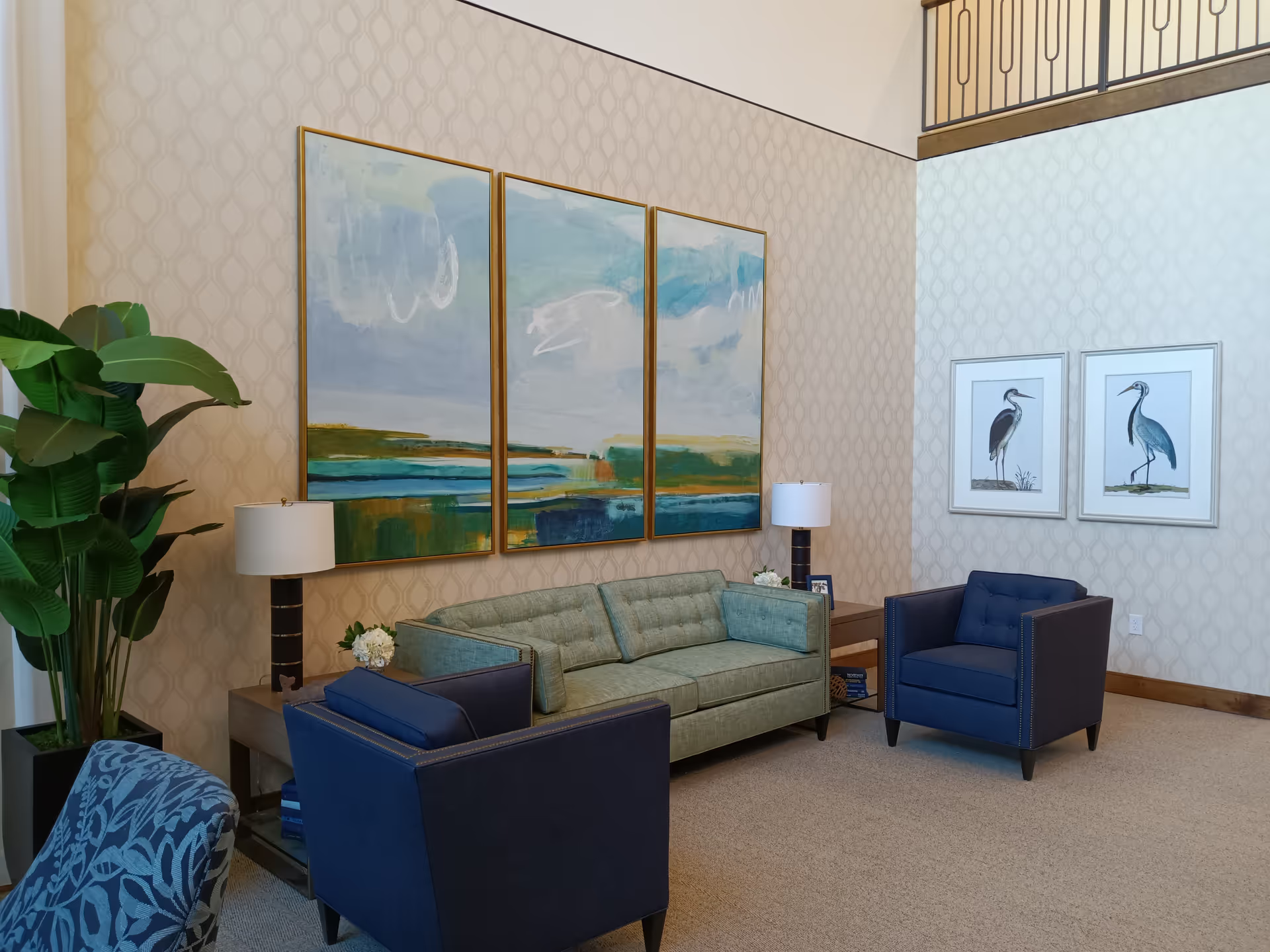
Programming and environment-related comments point to limited activity offerings and minimal amenities. Some families reported a lack of structured activities, and others described an atmosphere they found unsettling or overly restrictive for certain residents. These patterns suggest the facility may operate more like a supervised adult-day setting with limited recreational resources rather than a full-service assisted-living program.
Management and administrative practices drew both praise and concern. While the owner’s hands-on approach was seen as a strength by some, other comments raise questions about financial transparency, billing practices, and administrative handling of belongings and paperwork following a resident's death. Additionally, some families reported pressure around advance-directive decisions and uneven hospital-readmission policies, which indicates potential gaps in consent processes and clinical incident protocols.
Overall, experiences appear polarized: some families recommend the facility for its size, affordability, and memory-focused programming, while others identify significant operational and communication issues that affected care confidence. Prospective residents and their families should conduct an in-person visit, review written policies on clinical oversight, hospital transfers, advance directives, and belongings handling, and request current menus and activity schedules. Asking for staffing ratios, nursing credentials, and examples of family communication protocols may help clarify whether the facility’s operating style matches the prospective resident’s needs.