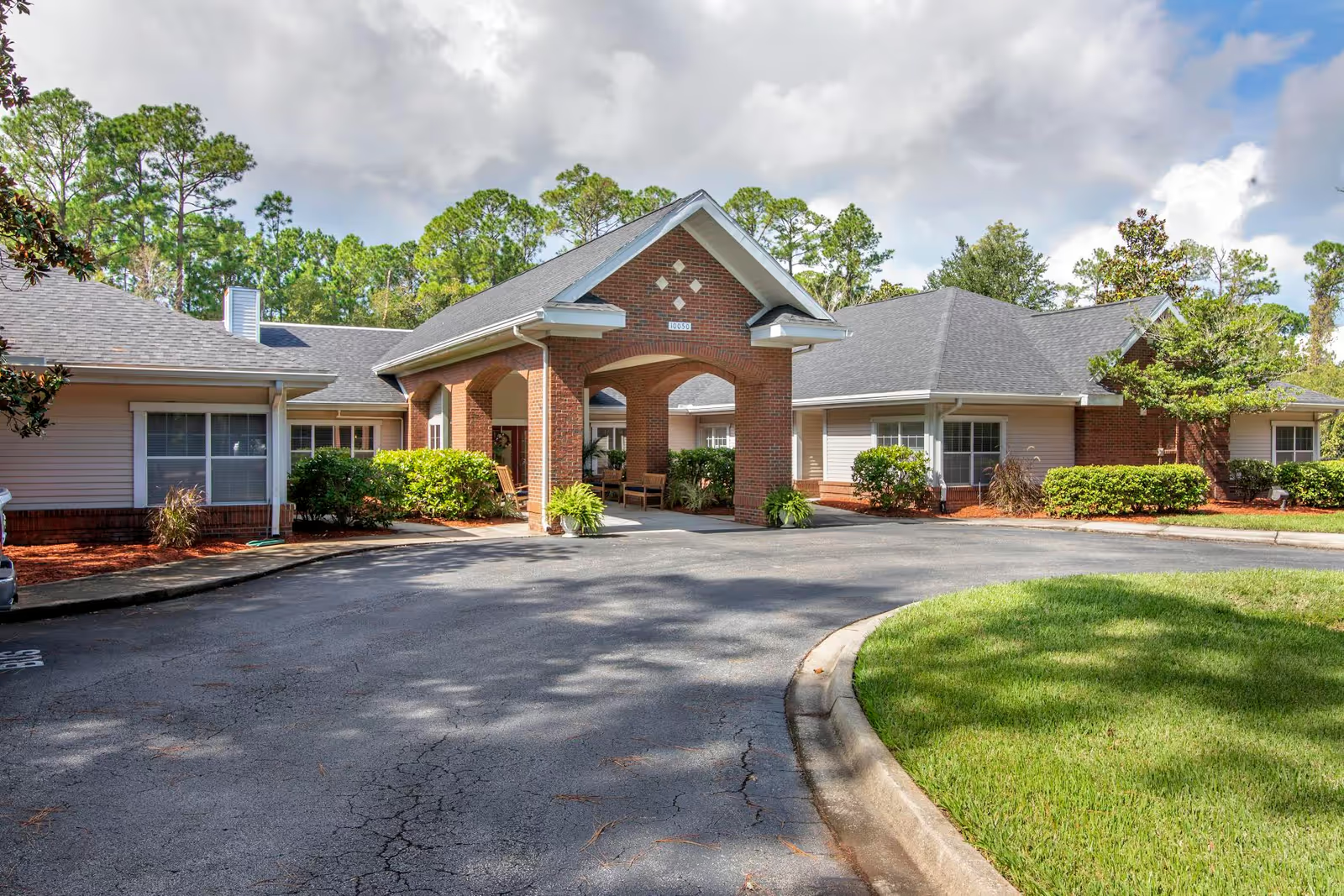
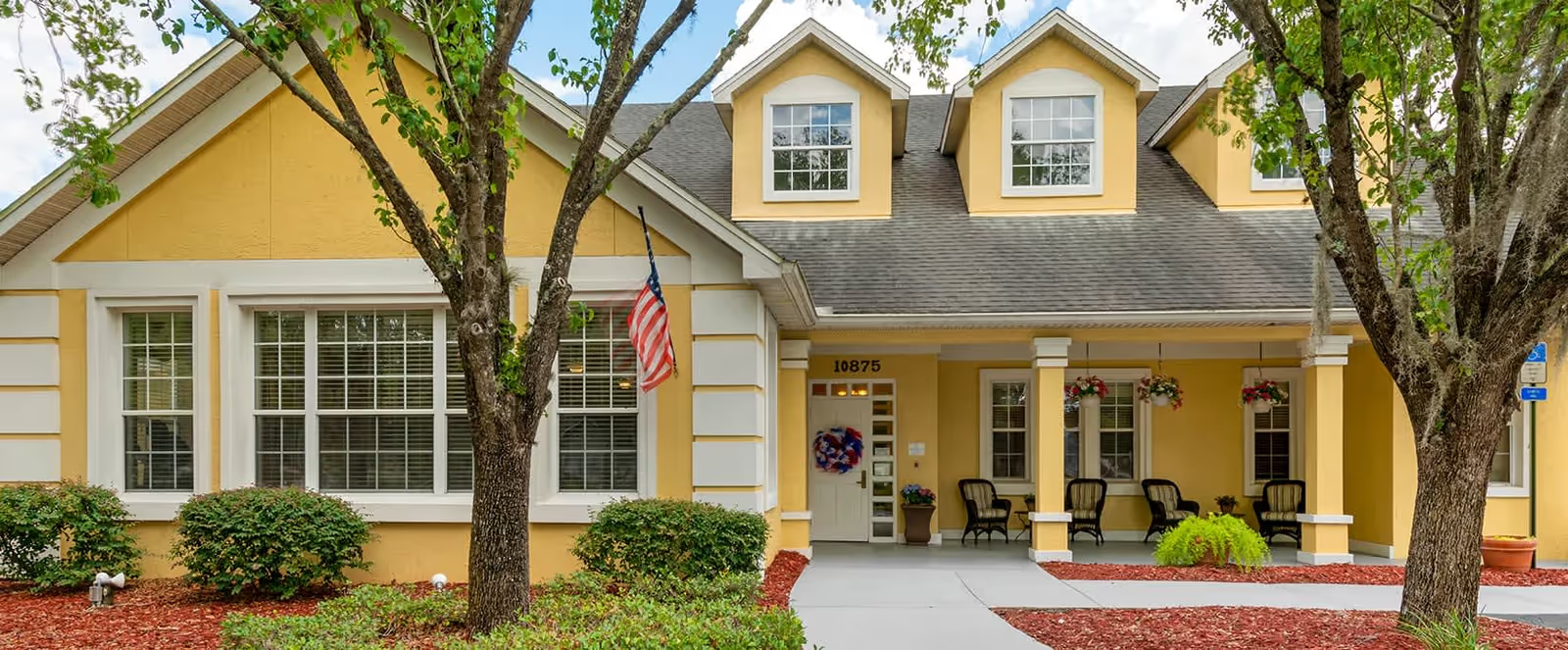
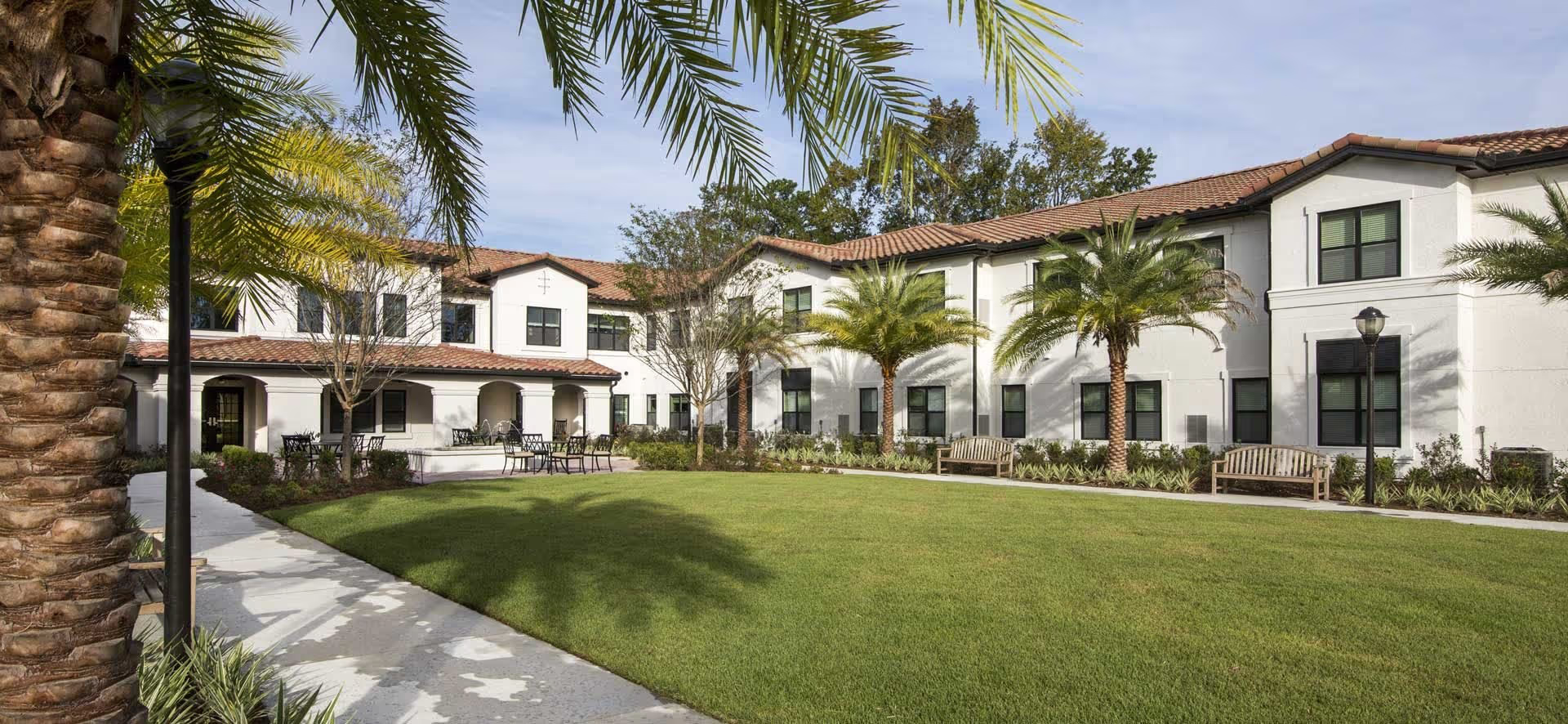
Across the review corpus Augustine Landing elicits strongly divergent impressions: many families and residents describe a warm, social, and well-supported independent-living environment, while other accounts point to recurring operational weaknesses that affect quality of life. The facility presents as a small, single-building community with a strong social calendar, frequent events, and a high degree of resident camaraderie when program staff are present and engaged. Several reviewers highlighted attentive front-desk and caregiving staff, a helpful ambassador program for new residents, regular transportation and outings, and on-site conveniences such as laundry, a salon, chapel, and library. For those who experienced the facility at its best, chef-prepared meals, made-to-order breakfasts, and a visible activities program substantially improved daily life.
Care and staffing quality are uneven. Many reviewers praised individual caregivers, long-term employees, and directors who are visible and responsive; others described frequent staff turnover, leadership changes, and examples of concerning communication tone from management. This variability appears to affect service continuity: when experienced activity directors or kitchen staff depart, programming and meal quality have been reported to decline. Families should note that Augustine Landing primarily operates as an independent-living community with some on-site home health options; reviewers reported limited capacity for higher-acuity assisted care and inconsistent accommodation for specialized dietary needs.
Dining is a recurrent focal point. Positive accounts emphasize diverse menus, attentive servers, and standout dishes prepared by a skilled culinary team. Contrasting accounts identify inconsistency in food quality, repetitive menus, missed menu items, and interruptions to meal service tied to staffing changes. Additionally, sanitation and infection-control concerns were raised in a subset of reports, including an outbreak that required hospital transfers; these accounts point to gaps in kitchen hygiene practices and outbreak management protocols in certain periods.
Activities are a clear strength when leadership is stable. The community offers a broad slate of programming—exercise classes, crafts, music, faith services, games, and recurring social events—that fosters social engagement and purpose for many residents. Several reviewers named specific activity directors as central to that success; conversely, departures or disciplinary actions involving those staff members were reported to have an immediate and pronounced negative effect on morale and participation, indicating program fragility tied to key personnel.
Facility condition and maintenance also show mixed signals. Many common areas and recent renovations draw praise for cleanliness and pleasant presentation, and some residents noted prompt maintenance responses. At the same time, there are repeated mentions of deferred upkeep in individual apartments (including non-ADA bathroom features), limited outdoor or screened-in patio access for some units, single-elevator constraints, and mobility-transport limitations for electric scooters or wheelchairs. Pest-control and variable housekeeping standards were cited as operational problems in some units and shared spaces.
Management and operational practices are another area of divergence. Positive experiences reference welcoming leadership, transparent tours, and helpful move-in support. Negative accounts focus on unkept promises (for example, services shifting from on-site to off-site), inconsistent complaint handling, billing and collection errors, attempts at substantial rent increases, and instances described as discriminatory or involving alleged financial misconduct. These reports suggest uneven management culture and inconsistent policy enforcement across different leadership tenures.
Overall pattern: prospective residents and families should expect a community with strong potential for social engagement, thoughtful programming, and helpful staff when core personnel are present and stable. At the same time, there is a measurable risk of service variability tied to staff turnover, kitchen and sanitation management, accessibility limitations for higher-acuity needs or mobility-device users, and occasional administrative failures (billing, maintenance follow-through, complaint resolution). Visiting in person, meeting current activity and culinary staff, reviewing recent pest-control and inspection records, and clarifying contract terms around meals, billing, accessibility accommodations, and clinical supports are recommended steps before commitment.