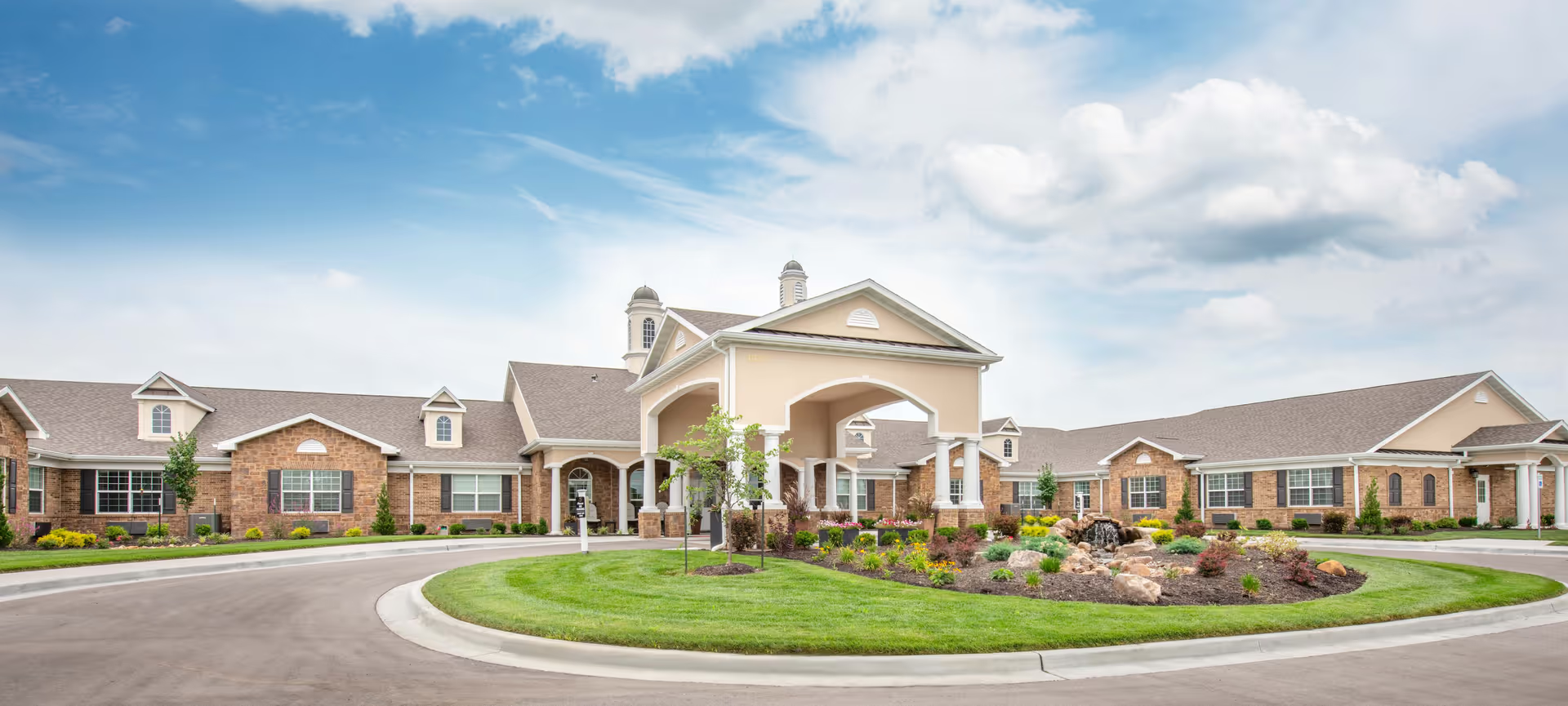
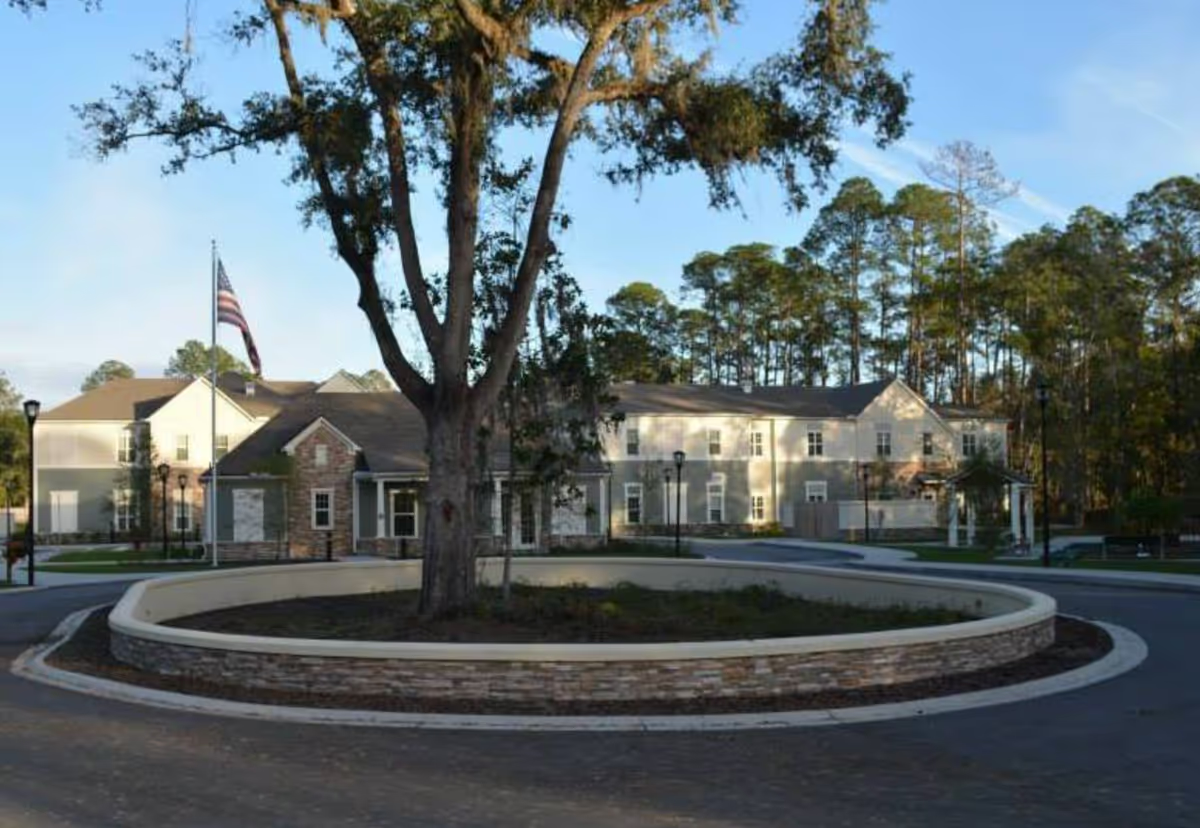
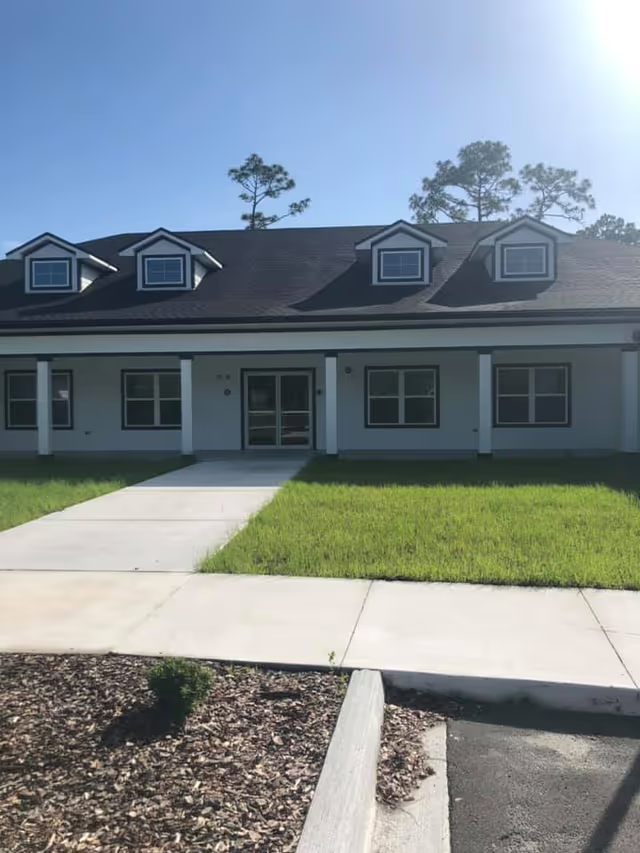
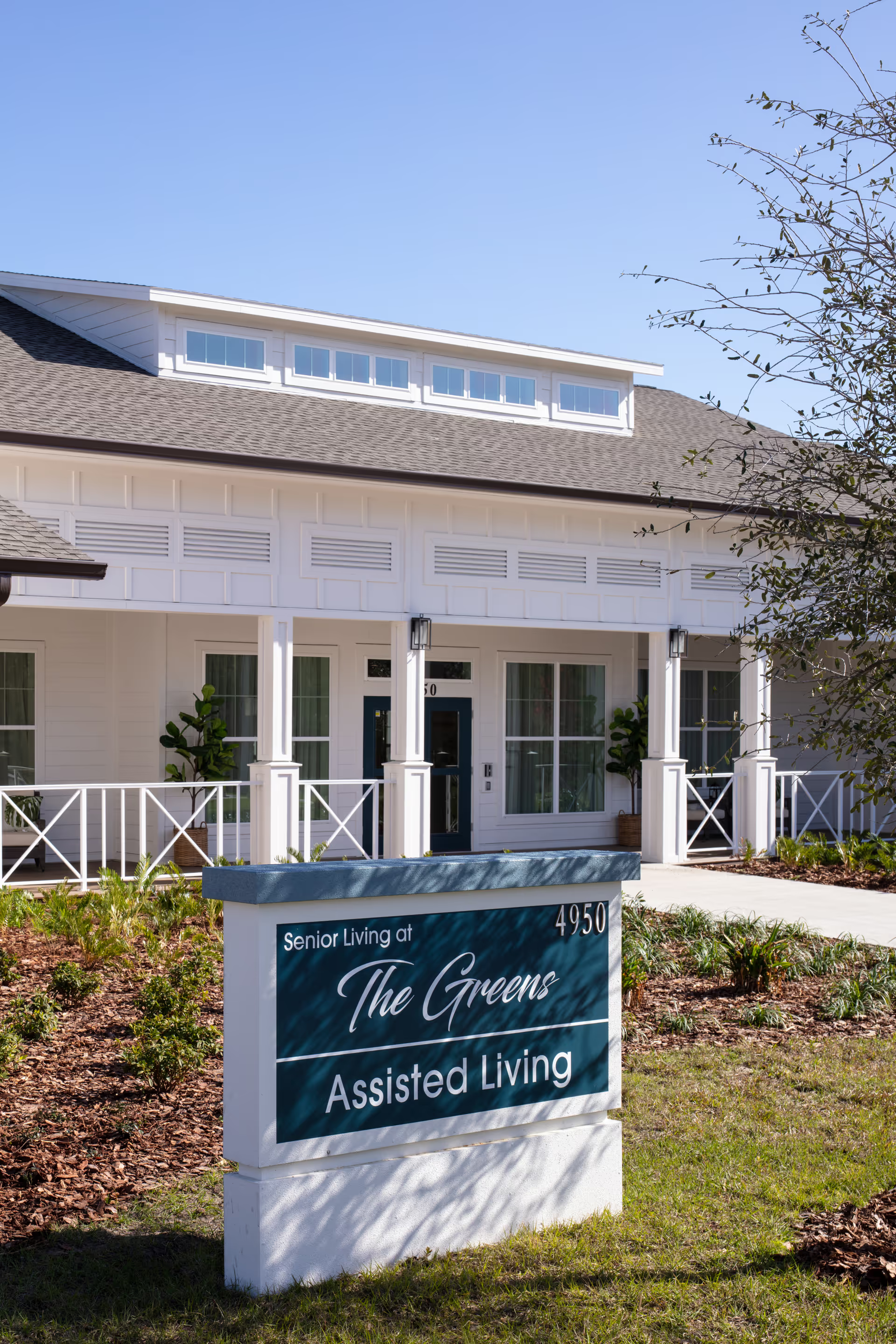
Reviews of Golden House Assisted Living present a mixed picture. Many families describe a small, home-like setting with attentive caregivers, engaging music and activity offerings, and measurable clinical improvements for some residents (weight gain, increased mobility, improved speech). Positive comments emphasize a family-style culture, clean and pleasant interiors, quiet grounds with outdoor access, affordability, and continuity of care through consistent caregiver assignments and long-term resident stays. Several reviewers explicitly praised administrators and staff for proactive attention and safety-oriented practices.
At the same time, a number of reviews raise operational and clinical governance concerns. These include problems coordinating with outside physicians, instances of clinical decision‑making being altered without clear consent, and limits on access to external medical care. Reviewers also flagged weak emergency-transfer procedures and delayed family notification during incidents. There are references to regulatory complaints and investigations, which indicate the need for families to review the facility's inspection and complaint history.
Staffing and care delivery appear uneven across accounts. While many describe warm, responsive, and consistent caregivers who establish strong relationships with residents, other families reported brusque or disrespectful interactions and poor communication. This variability suggests inconsistent staff professionalism or training, rather than uniformly poor or uniformly excellent performance. Reviewers also noted operational gaps affecting personal-care assistance, such as inconsistent incontinence care and housekeeping/maintenance issues tied to basic utilities.
Dining and activities receive generally favorable remarks for nutrition and engagement — several families credited meals with supporting weight gain and daily activity programs including live music. However, other reviewers described limited daytime programming and a heavy reliance on television for entertainment. Visitation and mealtime policies were described as restrictive by some families, which can affect family interaction during dining.
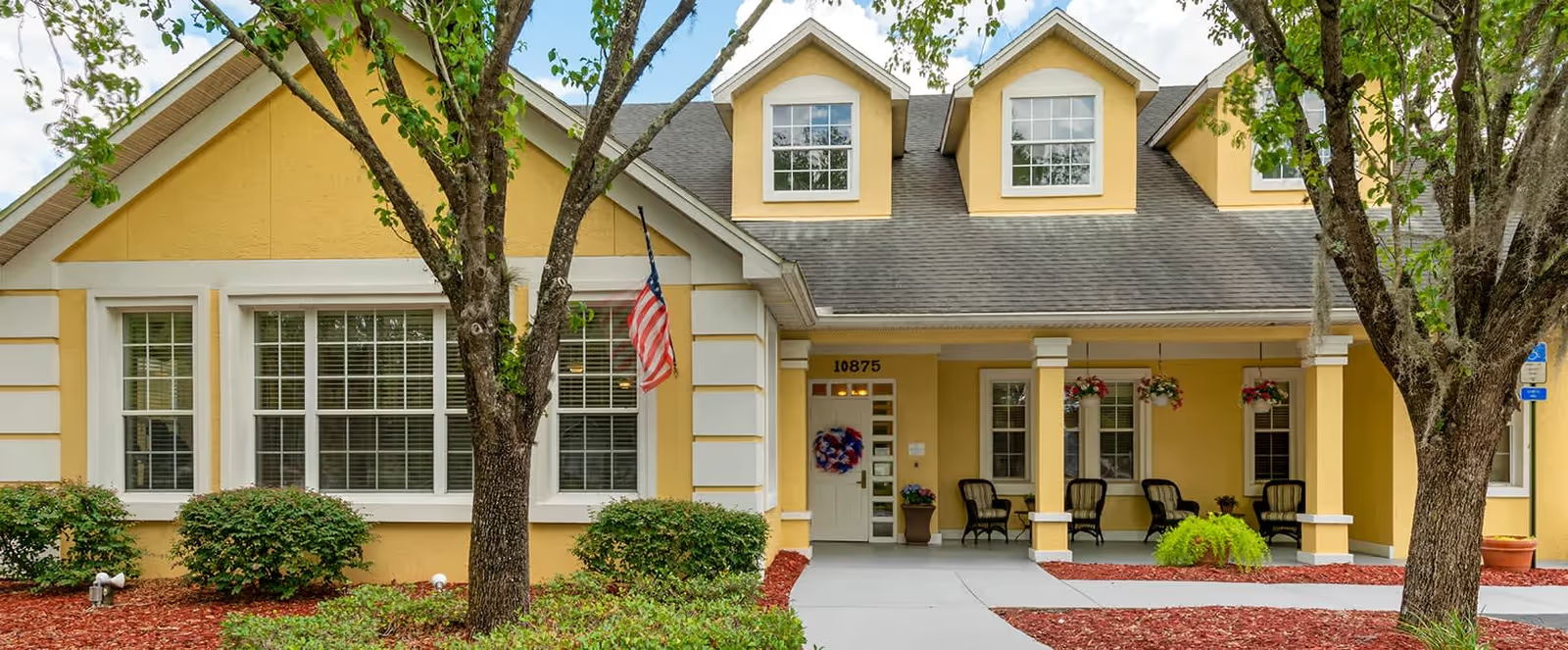
Facility characteristics are consistent with a converted house model: smaller shared bedrooms, home-like common areas, and staff living on-site. These features appeal to families seeking a quieter, residential environment, but they also create operational constraints compared with larger licensed facilities. Management practices drew polarized feedback: some reviewers praised the administrator and the sense of safety and peace of mind, while others described unclear residency and discharge policies, including concerns about promised end-of-life stays and unexpected discharges.
For prospective residents and families: visit multiple times at different hours, ask for written policies on physician coordination, emergency transfers, visitation and mealtime access, maintenance/utility management, and residency-discharge/end-of-life assurances. Review the facility's state inspection and complaint history, and seek references from current long-term families. The facility offers clear strengths in personalized, home-like care and activity programming, but families should verify operational safeguards and communication practices to ensure they meet their expectations and clinical needs.