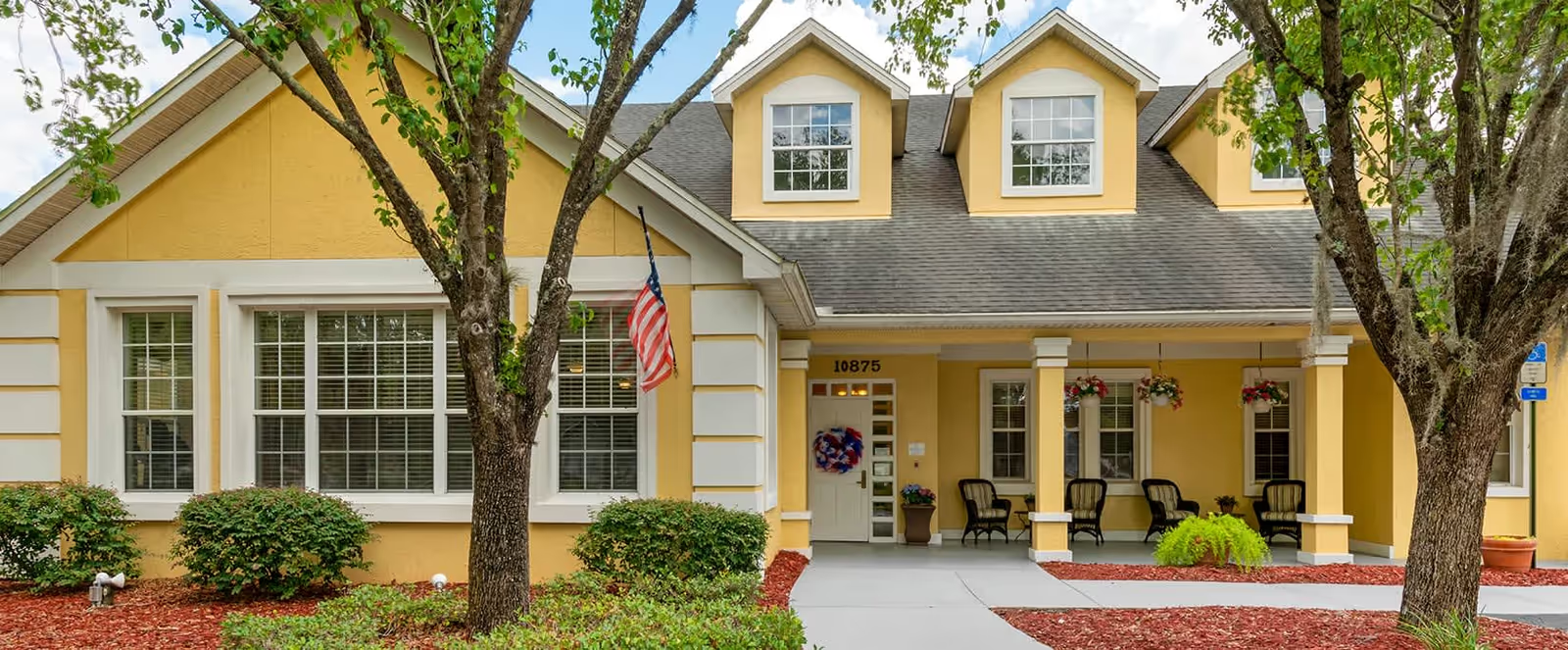
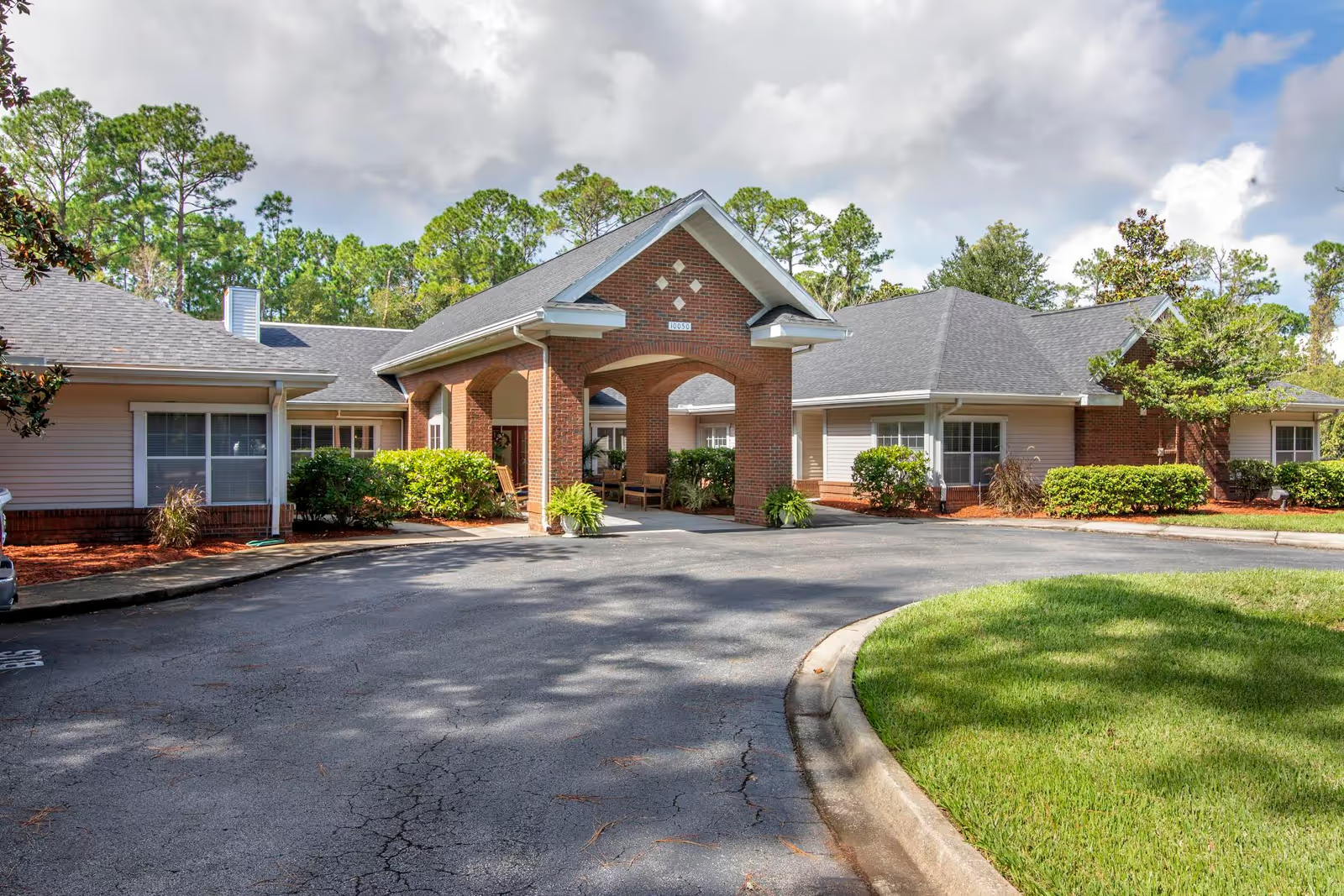
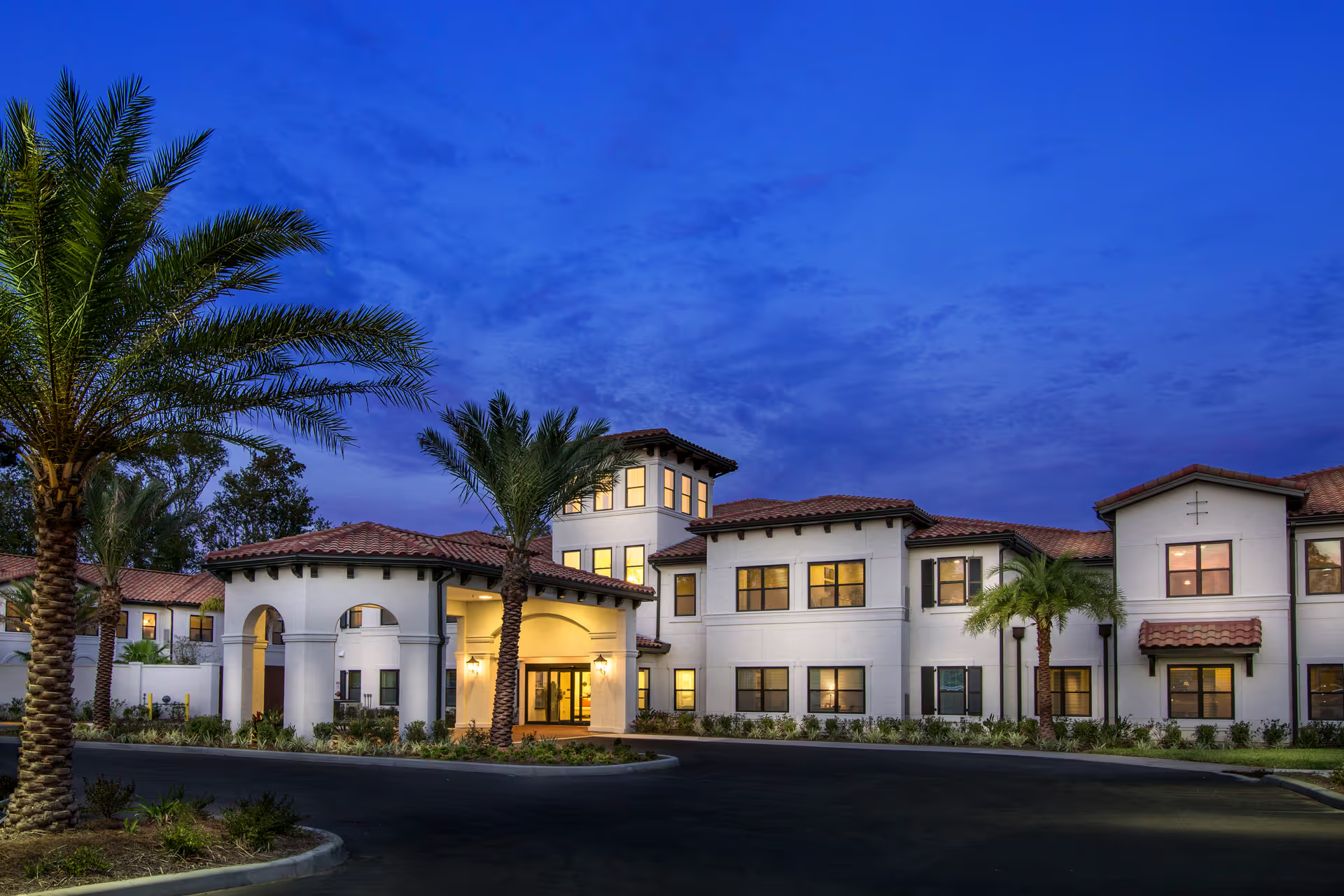
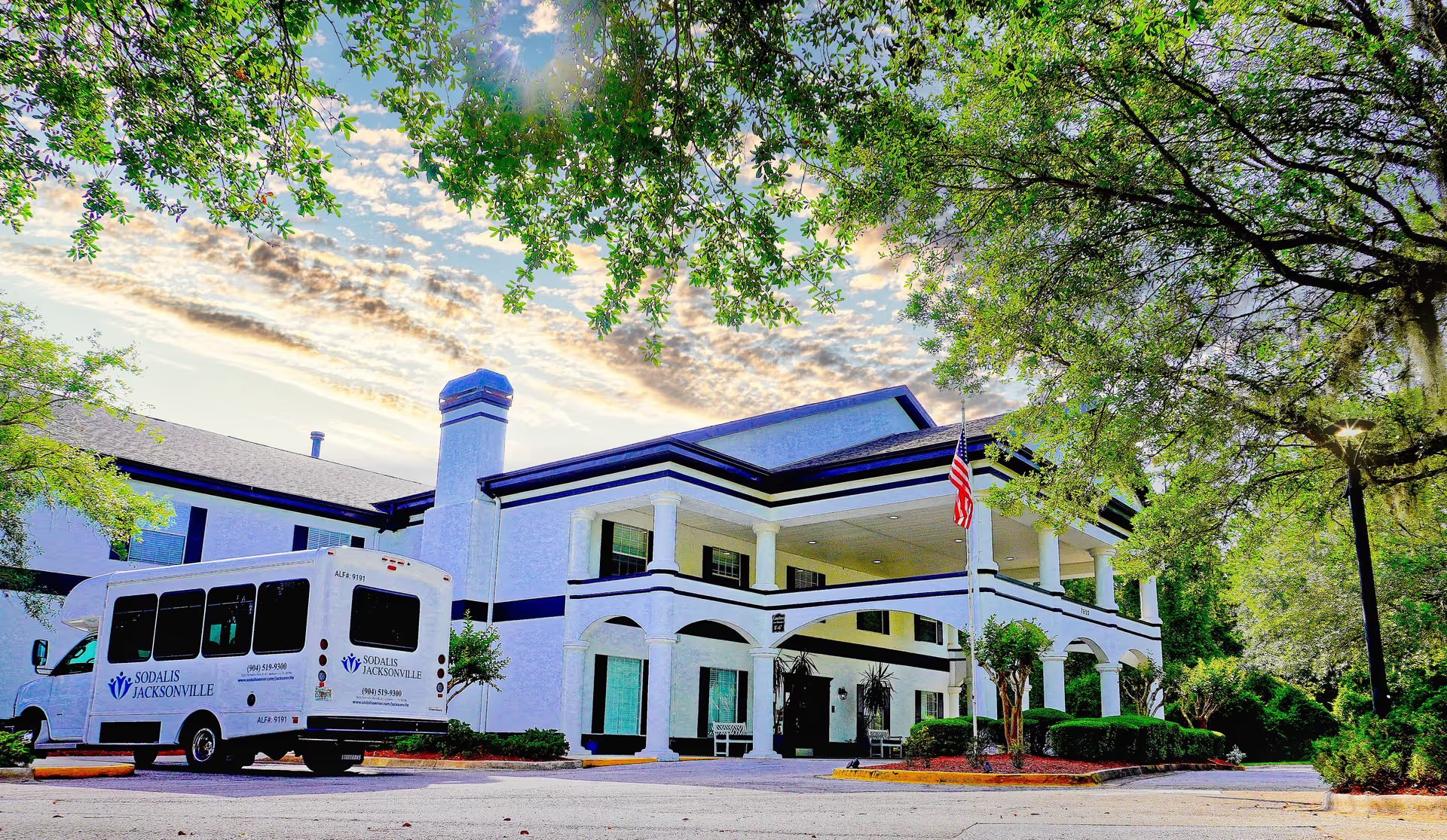
The Terrace of Jacksonville elicits strongly mixed but consistent themes across families and former residents. Many accounts highlight genuine clinical strengths: a robust therapy program (physical, occupational and speech) that often produces measurable short-term rehabilitation gains, and a cadre of nursing and caregiving staff described as compassionate and attentive. Several reviewers specifically praised admissions, the medical director, and certain nursing leaders for hands-on involvement and clear follow-through. The facility’s interior condition, recent upgrades, and an active activities department are repeatedly cited as positive contributors to resident quality of life.
Clinical care is characterized by two contrasting patterns. On one hand, there are frequent examples of coordinated multidisciplinary care, thorough clinical consultations, and individualized nursing attention that supported significant recoveries. On the other hand, operational strains — notably inconsistent staffing, particularly at night, and frequent personnel turnover — appear to degrade continuity of care for some residents. Reported operational issues include slow response to call bells, delayed assistance for basic needs, and gaps in medication administration documentation. These issues correlate with family concerns about overnight coverage and inconsistent caregiver availability.
Dining and activities present a similar mix. The activities calendar is generally viewed as engaging, with regular programming (bingo, crafts, devotional services, social events) and staff who often facilitate resident participation. Dietary services are noted as accommodating special diets and restrictions, and some families praised meal variety. Simultaneously, reviewers cite variability in meal quality and temperature control, with occasional cold or poorly prepared entrees — an operational reliability concern rather than a consistently absent service.
Facility upkeep and housekeeping are also inconsistent across reports. Many reviewers describe clean, well-maintained public spaces and freshly furnished rooms after a facelift; others describe sanitation concerns, laundry handling problems, and pest-control issues in specific units. Personal-property management problems (lost or mixed clothing, missing assistive devices) were raised frequently enough to indicate a pattern in inventory controls and resident-room management.
Management and administration are a notable axis of divergence. Some families find leadership responsive, communicative, and supportive — citing proactive updates, effective admissions staff, and a visible clinical leadership presence. Other families describe unresponsive office communications, abrupt or poorly managed discharge practices, unresolved billing questions, and perceived financial priorities driving decisions. There are also mentions of inconsistent application of infection-control or visitation policies during public-health events. More serious allegations, including claims of theft and legal actions, appear in the set of reviews and warrant investigation by prospective families or regulators.
Overall impression: The Terrace demonstrates solid clinical and rehabilitative capabilities and a staff culture that can be highly compassionate and effective. However, persistent operational weaknesses — staffing instability, nighttime coverage gaps, inconsistent housekeeping/laundry and meal-service reliability, medication/documentation lapses, and intermittent management responsiveness — produce variable resident experiences. Prospective residents and families should weigh the facility’s strong therapy and staff positives against these operational risks, ask specific questions about current staffing levels and night coverage, review medication and property-management protocols, and seek recent references from families currently using the facility.