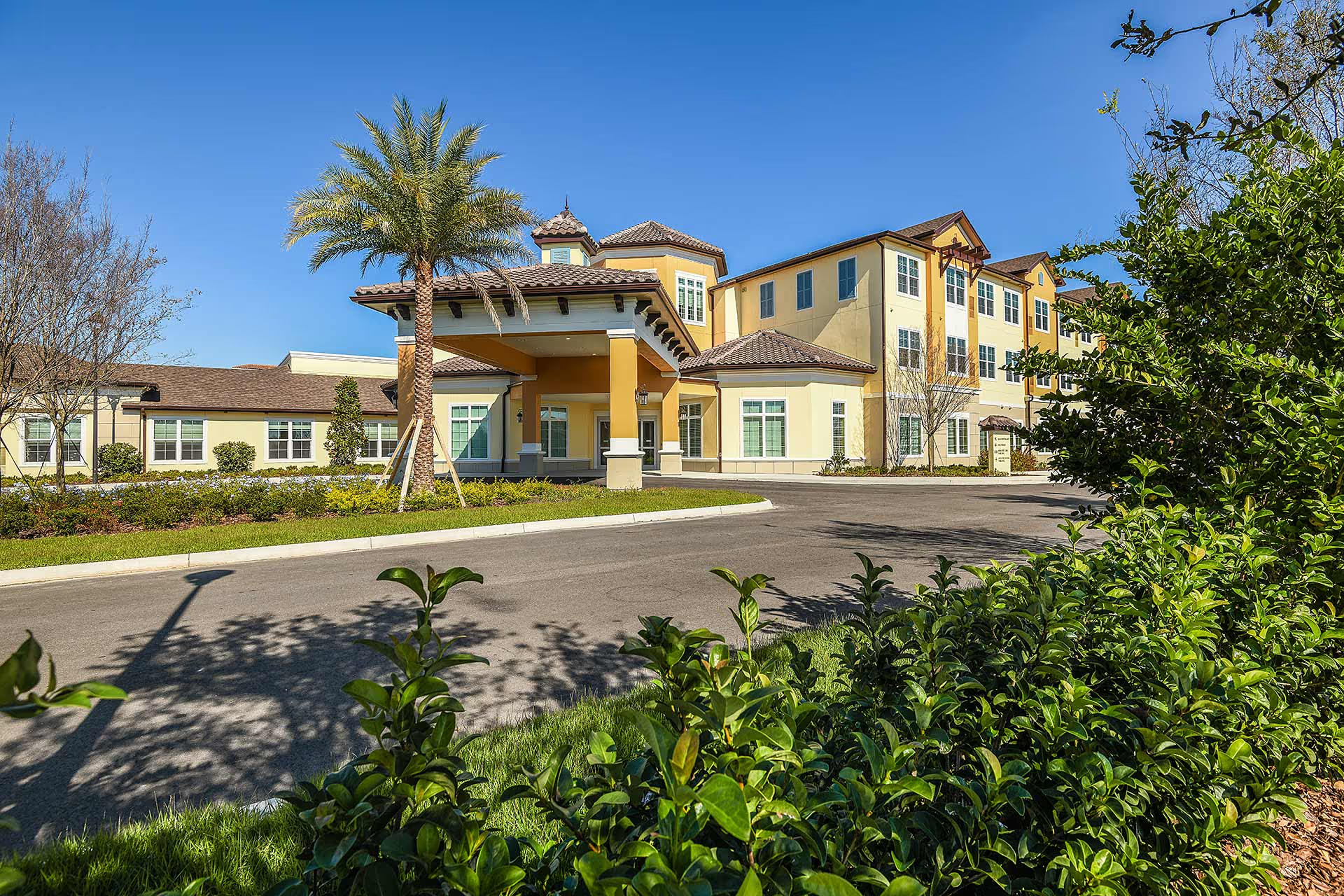
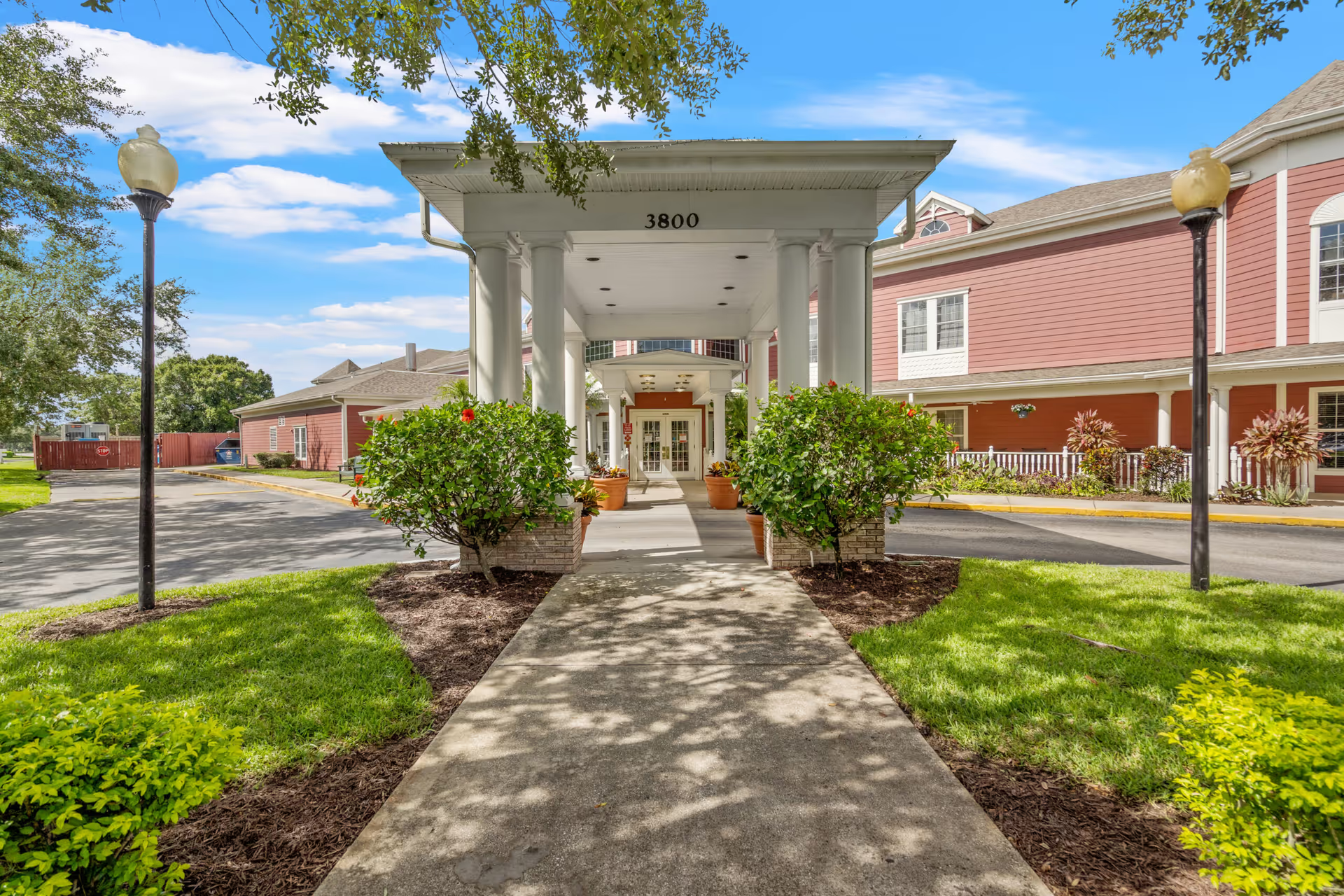
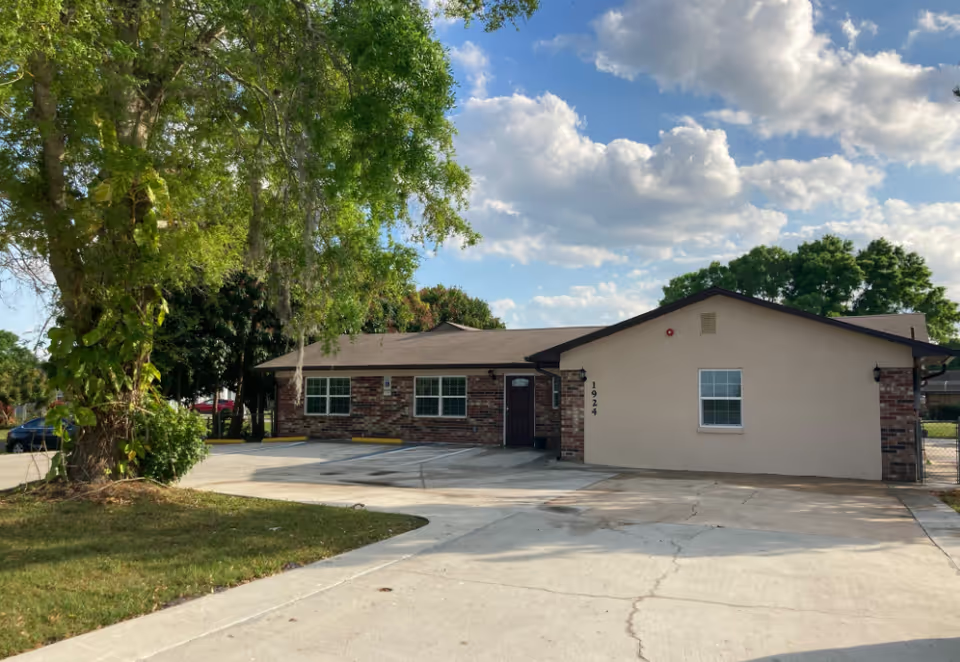
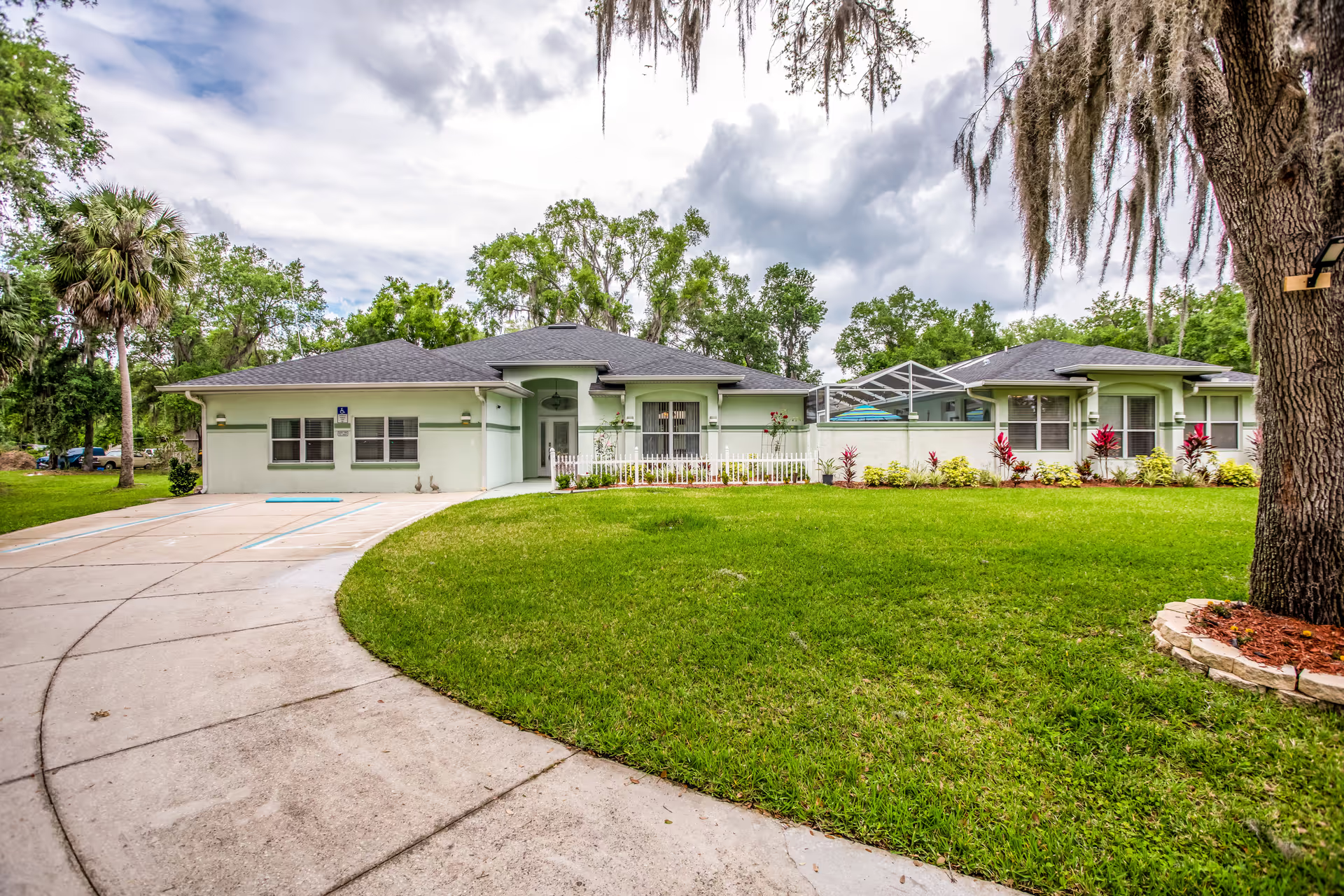
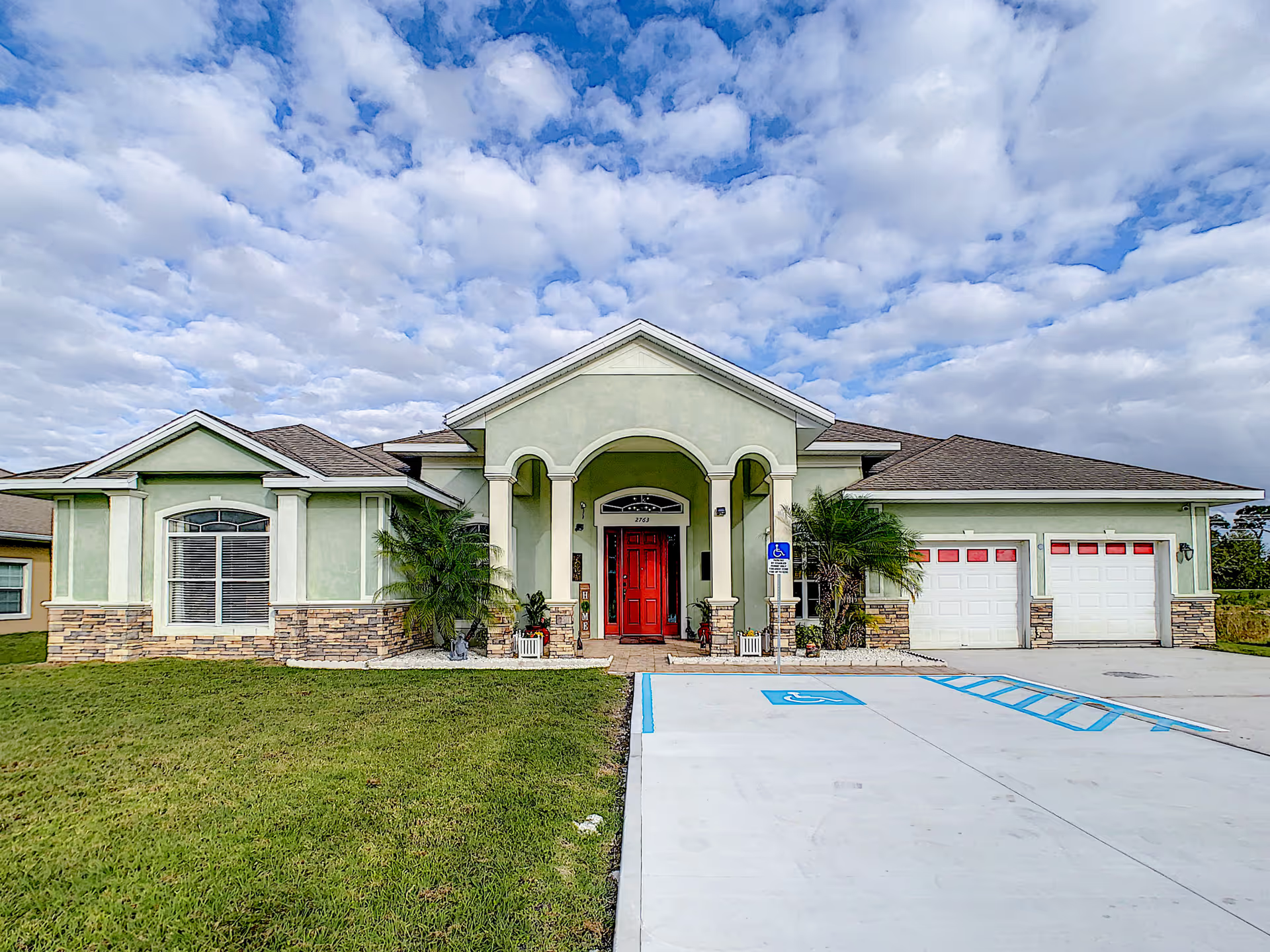
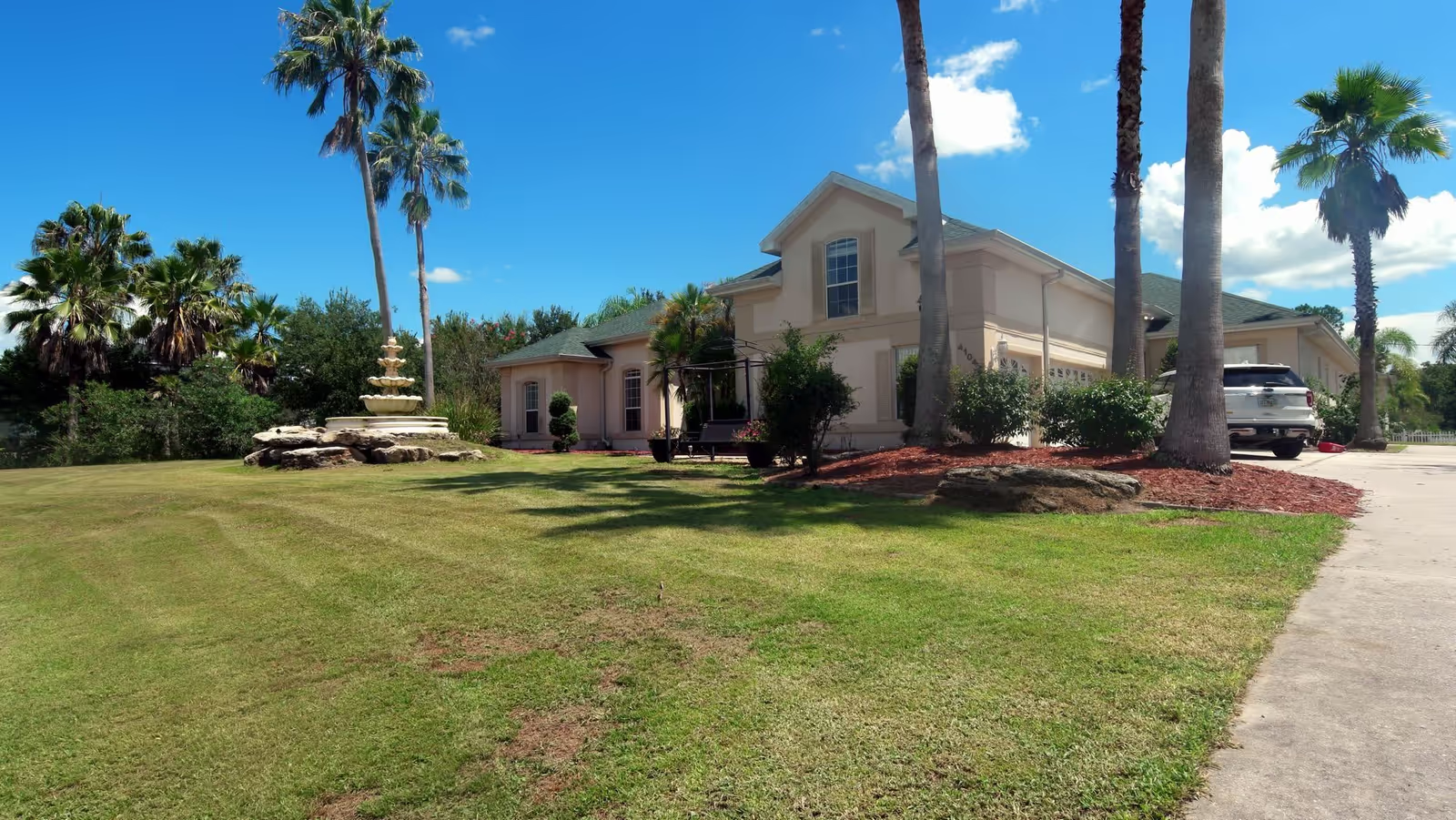
The reviews reflect a facility with clear strengths and notable operational inconsistencies. On the positive side, multiple accounts describe recent renovations and fresh, modern updates, along with clean and well‑maintained common areas. Families and residents praised particular caregivers by name and described a welcoming, family‑friendly atmosphere. The facility’s location near shopping, medical offices, and regional attractions is repeatedly cited as convenient, and some reviewers characterize the environment as safe and comfortable. The facility’s long history of family ownership is also mentioned as a point of continuity.
Care quality and staff behavior appear mixed. Several reviewers praised attentive CNAs and specific staff members for individualized attention and support; these accounts highlight moments of reliable, compassionate care. Conversely, other reviewers described inconsistent staff communication, slow responses to requests, and uneven follow‑through. There are also concerns about gaps in post‑incident clinical assessment and family communication after falls or injuries, and about variability in bathing and personal‑care schedules. These patterns suggest variability in day‑to‑day caregiving consistency rather than a uniformly poor or uniformly excellent care model.
Dining and activities are similarly inconsistent. The dining service is frequently characterized as unpredictable: complaints include cold dishes, shortages of menu items, dry or unappealing preparations, and limited condiments or accompaniments. These reports indicate problems in kitchen operations, meal‑temperature controls, and supply management. Activity programming elicited polarized comments as well — some families observed welcoming, family‑friendly social opportunities, while others described activities that felt either disruptive to rest periods (for example, louder communal singing) or insufficiently engaging for residents (activities withdrawn or residents left with little stimulation). The facility also lacks an on‑site memory‑care program, which is important to note for families seeking that level of service.
Facility and maintenance issues are a recurrent theme. Positive descriptions of meticulous cleaning and well‑kept renovations coexist with accounts of room‑level sanitation and ventilation concerns, water intrusion and roof‑leak incidents, and what reviewers described as slow maintenance response. Those operational weaknesses appear to affect resident comfort and safety perceptions and point to inconsistent facilities management. Reviewers also raised concerns about energy use (high‑wattage lighting and perceived electricity waste), indicating some infrastructure inefficiencies.
Management and organizational culture draw mixed impressions. Some families express gratitude for helpful staff and highlight longstanding family ownership as stabilizing. Others perceive management decisions as financially driven and describe difficulties obtaining incident reports or timely explanations after problems occur. These divergent perspectives suggest variation in leadership visibility and communication effectiveness with families.
Overall, the pattern across reviews is heterogenous: there are concrete strengths in location, recent capital improvements, and individual caregivers whose performance is highly regarded, but there are recurring operational weaknesses in maintenance responsiveness, meal service reliability, activity programming, and consistency of personal care. Prospective residents and families would benefit from an in‑person tour that specifically inspects room ventilation and recent repairs, a walk‑through of dining service at meal time, discussions about activity schedules and memory‑care options, and direct conversations with management about incident‑reporting procedures and staffing consistency.