The reviews present a polarized picture of care at this facility, with consistent praise for rehabilitation, therapy, and many front-line caregivers alongside persistent operational concerns that affect reliability of day-to-day care. Strengths that emerge include a skilled physical and occupational therapy team that helps many residents regain strength and function, effective wound-care capabilities, and staff who are frequently described as compassionate and bilingual (English–Spanish). Housekeeping and facility upkeep are commonly noted as thorough and spotless in multiple accounts, and the activities program is described as engaging and full-day. Several families also highlight accommodating dietary staff and personalized care planning as positive aspects of residents' experiences.
At the same time, recurring operational weaknesses materially affect some residents' outcomes and family satisfaction. Staffing inconsistency is a central theme: when staff levels are adequate, reviewers describe timely responses, attentive CNAs and nurses, and positive rehabilitation outcomes; when coverage is thin, families report delays in nurse responsiveness, slower call-light attendance, and gaps in clinical escalation. Reviewers raise concerns about medication administration and coordination (including insulin timing), as well as incontinence-care delays and supply-management problems, which point to process and inventory-control shortcomings. These care-delivery issues are sometimes linked to variable staff conduct and communication tone, producing markedly different experiences across shifts.
Dining and nutrition impressions are mixed. Several accounts praise nutritious, appealing meals and responsive kitchen staff, while others cite irregular meal service, missed meals, or failure to manage allergies consistently. Activities and social programming are generally viewed as a strong point and contribute to a family-like atmosphere for many residents.
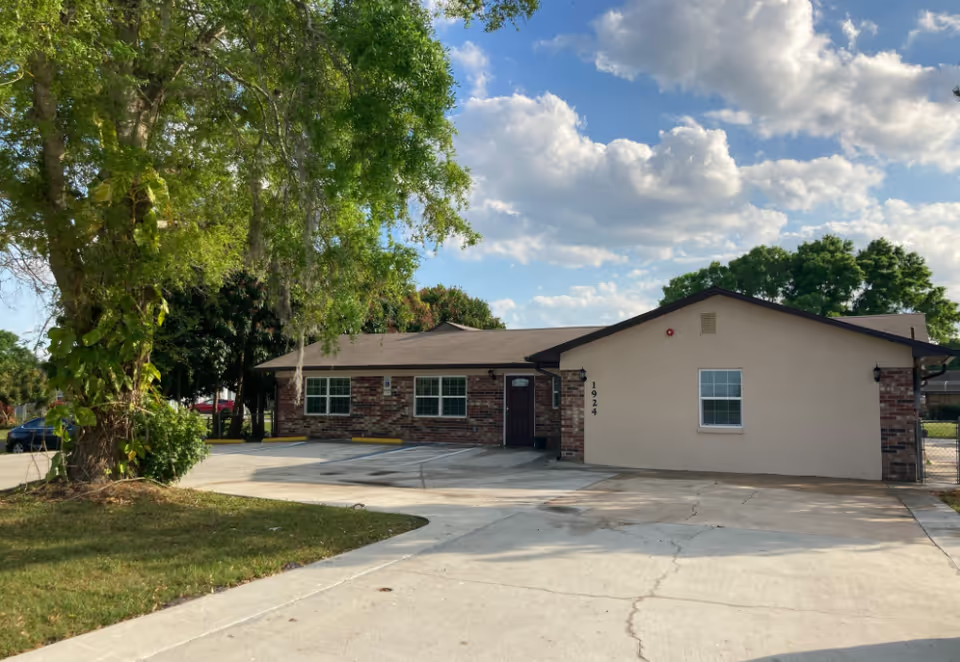
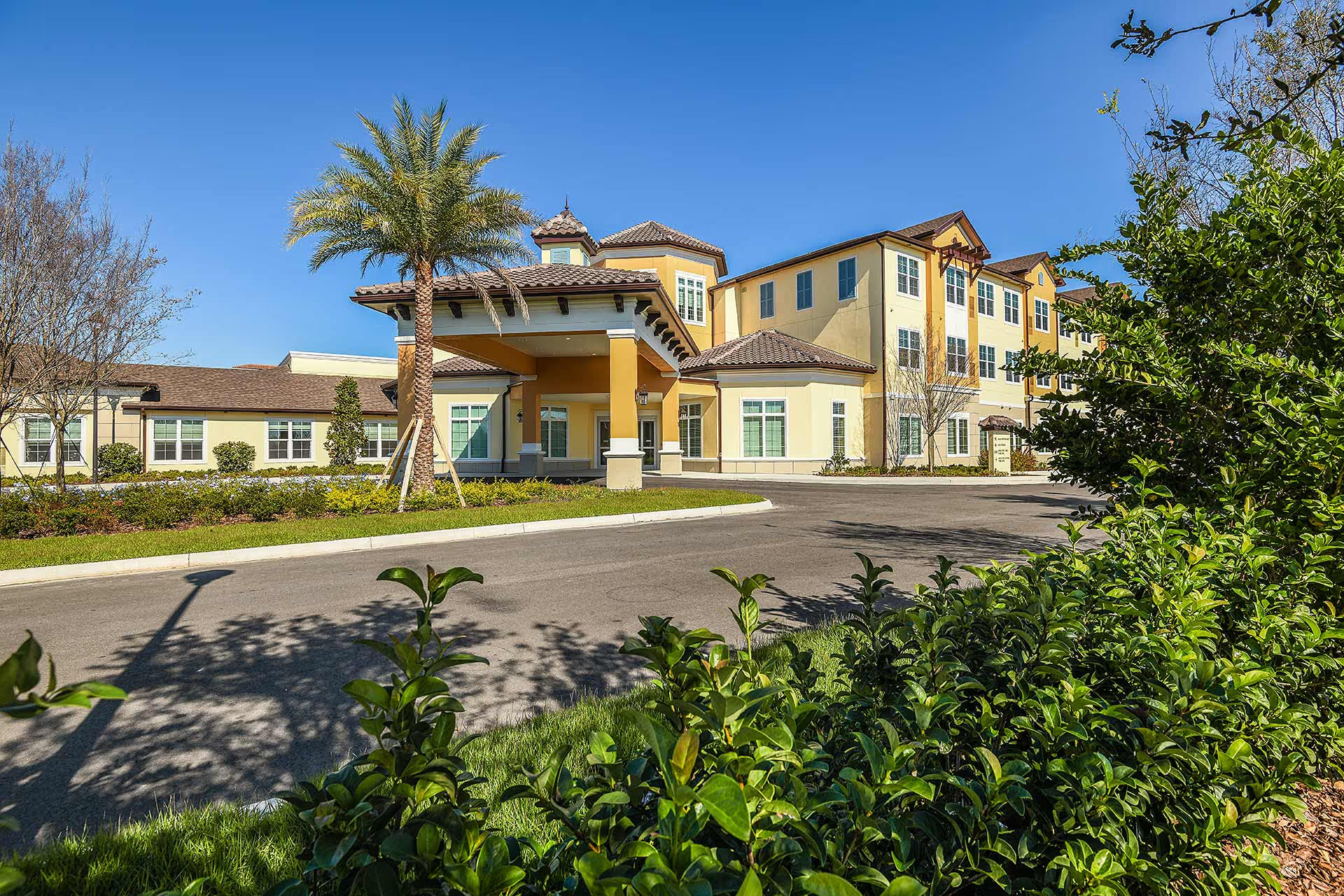
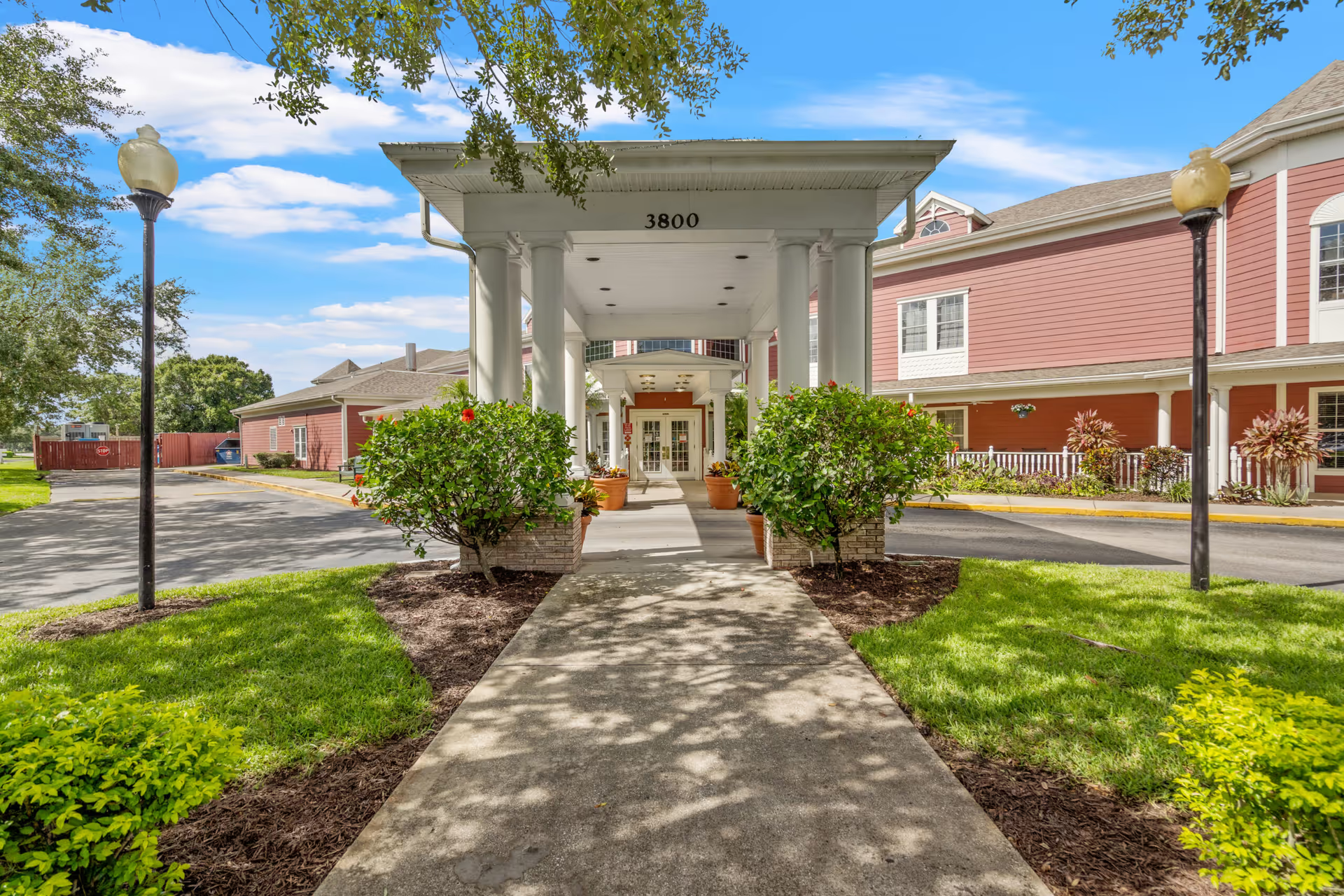
Facility attributes are likewise inconsistent between reports. Many visitors and families describe clean, well-maintained rooms and common areas; others note odor concerns in parts of the building, small shared rooms without secure locks, and older mechanical equipment. Safety-related observations include protruding outlets and other environmental items that families suggest should be reviewed. Management and communication processes receive frequent recommendations for improvement: families request clearer onboarding, more accessible staff contact numbers, earlier and more frequent care conferences, and better family communication following clinical events. A small number of reviewers raise serious allegations regarding financial or regulatory conduct, which families should treat as items to investigate during a tour or through regulatory channels.
Overall, the facility appears capable of providing high-quality rehabilitation and individualized care when staffing and management systems are functioning well, but persistent variability in staffing, medication and supply controls, and communication processes creates a degree of unpredictability. Prospective residents and families should prioritize an on-site assessment that includes current staffing levels, medication administration protocols, incontinence-care procedures, meal-service schedules and allergy handling, room security and safety features, and the facility's process for family communication and care conferences. Reviewing recent inspection reports and asking about any regulatory actions or allegations would also be prudent given the nature of some reviewer concerns.