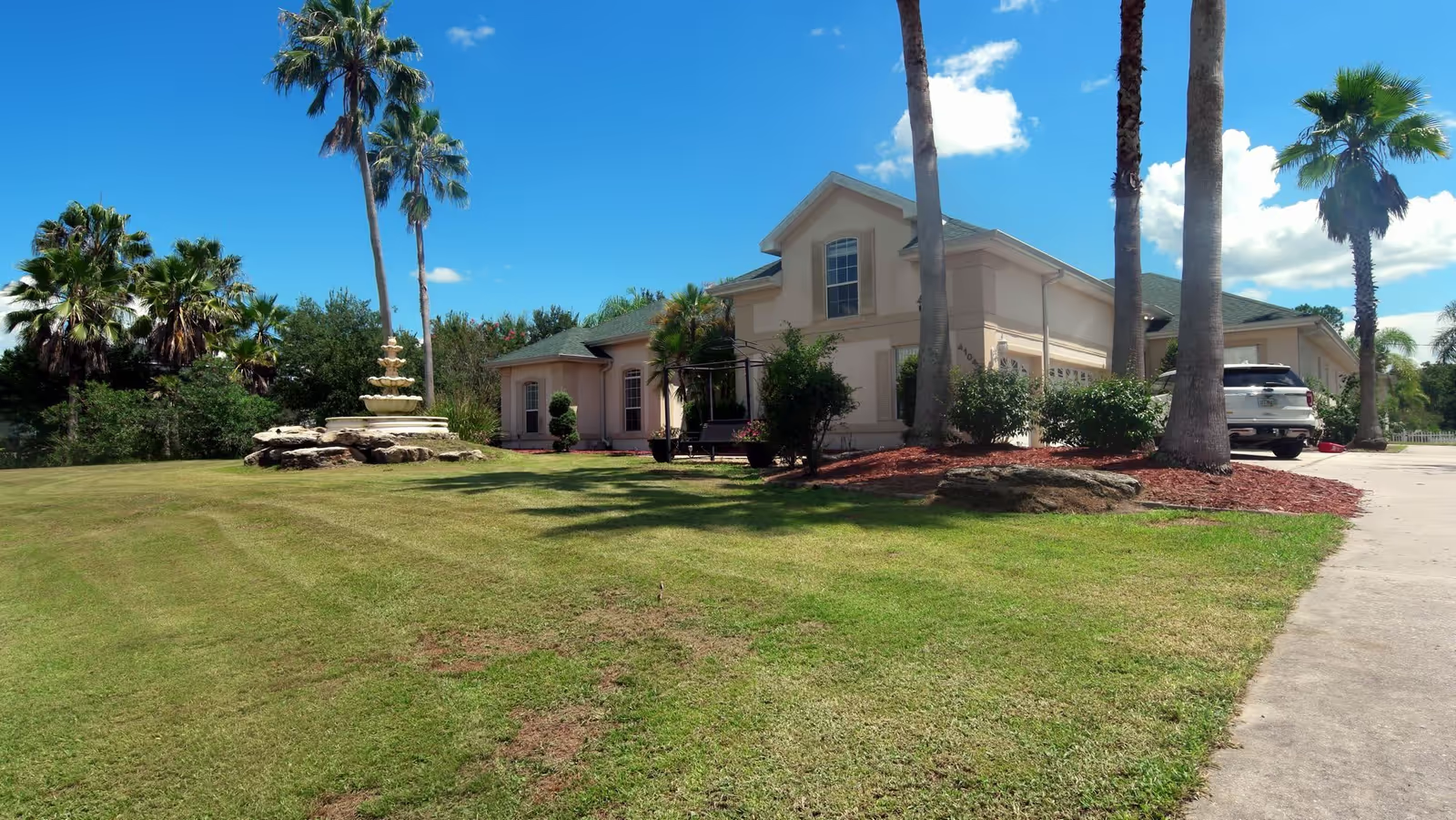
Reviewer feedback for The Terrace of Kissimmee is strongly polarized, with numerous accounts of positive rehabilitation outcomes and attentive caregivers alongside detailed concerns about operational reliability and clinical consistency. The facility receives consistent praise for its therapy teams, several named direct-care staff, and admissions/social-work coordination; families cite effective physical and occupational therapy, coordinated interdisciplinary care, on-site dialysis, and a Medicaid-friendly admission pathway as clear strengths. Many reviewers also described clean, comfortable common areas and rooms, engaging activities, and staff who provided compassionate hands-on care during successful recoveries.
At the same time, a recurrent pattern of operational weaknesses emerges. Staffing variability and what reviewers describe as high aide-to-resident ratios are frequently linked to delays in personal care (including bathing and incontinence-care delays), slow call-light responses, and inconsistent assistance with mobility and transfers. Medication-management issues are a distinct theme: late or missed doses, delays in obtaining medications, and disagreements about medication overrides or administration were cited. There are specific concerns about dietary management and adherence to care directives, which reviewers connect to adverse clinical consequences in individual cases. Wound-care and infection-management inconsistencies are also reported, with several accounts describing progressive skin breakdown and subsequent hospital readmissions.
Communication and management practices surface as another area of variability. Positive notes highlight helpful reception staff and social workers who keep families informed; negative accounts describe poor phone responsiveness, delayed or defensive administrative replies, and inconsistent visitation policies—especially during infection-control events. Some families reported discrepancies between billed therapy and therapy actually delivered, and others reported missing personal items or questions about how belongings were handled. Safety practices around transfers and emergency response were also questioned in a subset of reviews.
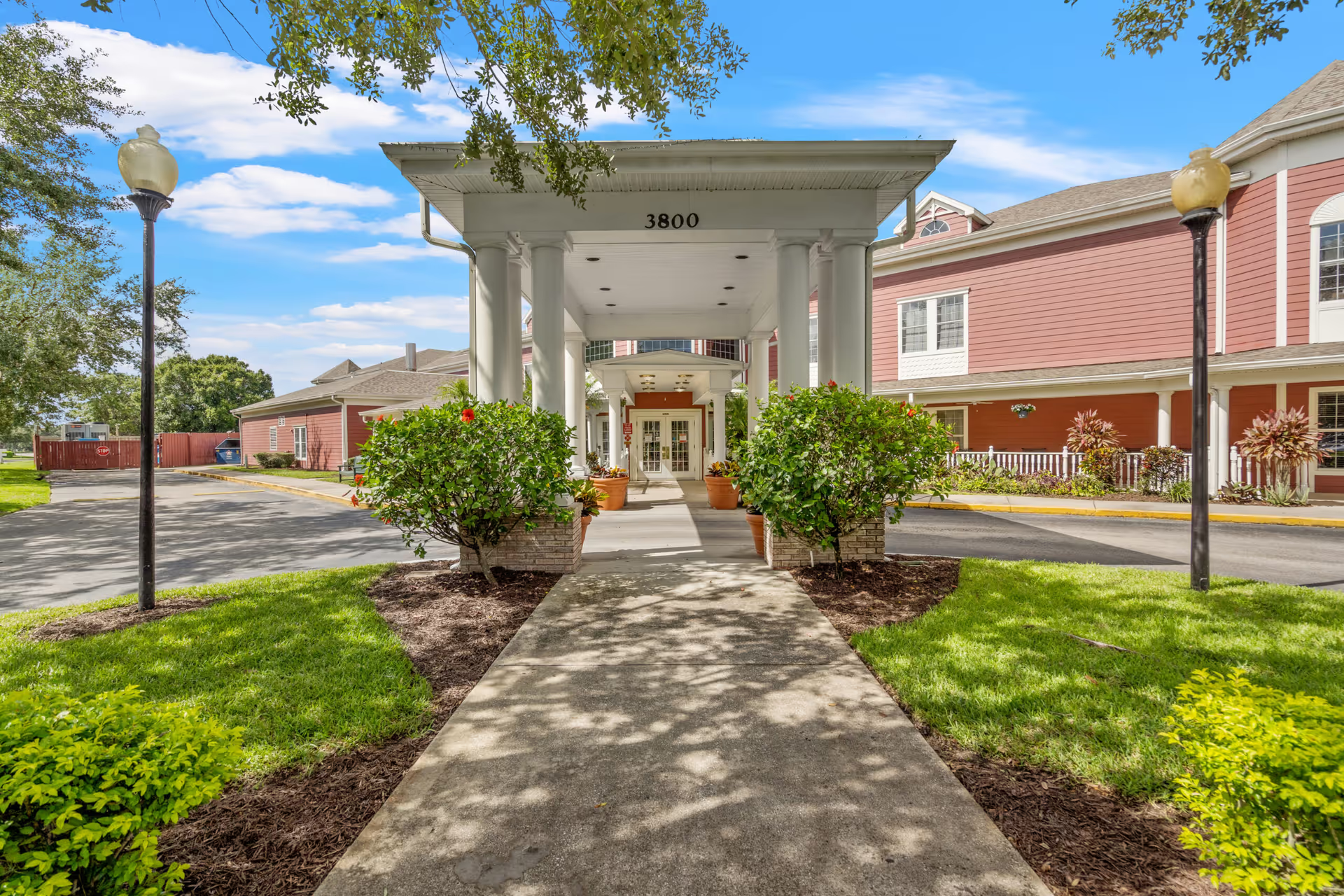
Dining and environmental observations are mixed. Many families appreciated dietary accommodations and had satisfactory dining experiences, while others described food quality problems (temperature, seasoning, and texture concerns) and interruptions to meal service. Facility condition feedback ranges from well-maintained and comfortable to descriptions of areas needing updates and sanitation or odor concerns in parts of the building.
In deciding whether The Terrace of Kissimmee is an appropriate choice, prospective residents and families should weigh the facility’s demonstrated strengths in rehabilitation, therapy, and some compassionate staff against documented variability in staffing reliability, medication administration, personal-care consistency, and management communication. Where possible, visitors should verify current staffing ratios and medication/meal-accommodation protocols, confirm wound-care and transfer-safety procedures, inventory and document personal belongings on admission, and ask for examples of how the facility addresses missed-care events and family communication. The facility appears capable of delivering strong outcomes for some residents, but the consistency of that performance appears uneven across shifts and over time.