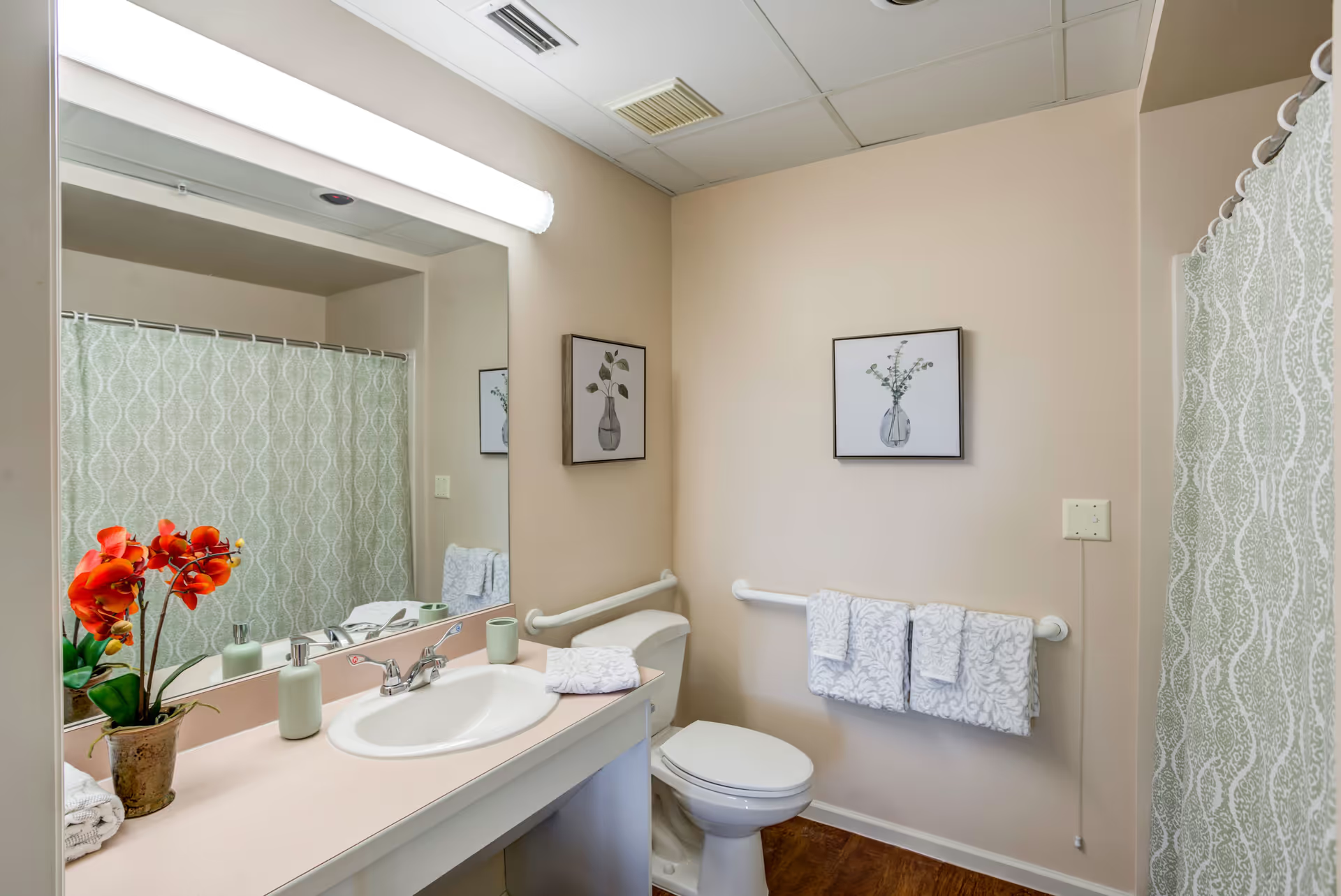
Indian Oaks presents as a small, home‑style assisted living community with several features that appeal to families seeking a personal atmosphere. Reviewers frequently describe a robust activities program—bingo, music, therapy dogs, aqua therapy, crafts, live music and regular outings—and accessible social spaces that foster resident engagement. The facility offers home‑cooked meals with personalized menu options, laundry and housekeeping services, an on‑site salon, and some private rooms with accessible showers. Many families praise long‑tenured, caring staff and a hands‑on management approach that has, in some cases, improved culture under newer leadership.
Care and staffing receive mixed but distinct impressions. Numerous accounts highlight attentive, compassionate caregivers, on‑site clinical visits, and 24‑hour availability. At the same time, several reviews raise concerns about inconsistent staffing levels, clinician burnout, and lapses in responsiveness. Related operational patterns include communication gaps with families around clinical events and transitions, and process weaknesses in medication administration and hydration management that warrant direct inquiry during a tour.
Dining and activities are often cited as strengths. Multiple descriptions note generous, home‑style meals, personalized menus, snacks and a coffee bar, alongside frequent group activities and outings that support socialization and wellness. There is some variation in dining satisfaction: while many describe very good food, others describe mediocre or inconsistent dining experiences, suggesting variability in day‑to‑day meal quality.
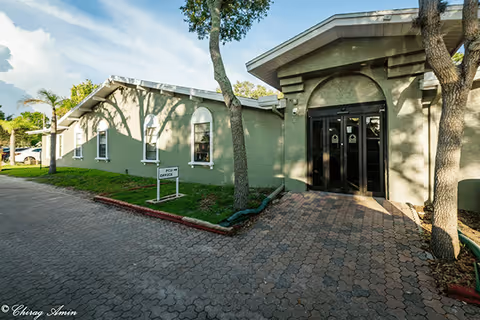
The physical plant shows both positive and negative elements. Several reviewers report clean, well‑kept common areas and recent renovations under new ownership, but others note maintenance issues such as mold, broken blinds, intermittent hot water, and narrow hallways that limit wheelchair and walker maneuverability. Room sizes vary from small and cozy to larger units with good storage; some accommodations are semi‑private with shared bathrooms, which may be important for prospective residents to confirm.
Management and operational patterns deserve careful attention. Accounts indicate periods of engaged, effective leadership that improved culture and responsiveness, while other accounts describe inconsistent oversight, communication breakdowns, and serious operational concerns including property mismanagement and isolated safety incidents. There are also references to infection‑control and sanitation concerns in specific areas. Given this mix, prospective residents and families should verify current management practices, staffing levels, medication and hydration protocols, incident‑reporting procedures, and security measures during an in‑person visit.
Overall, Indian Oaks offers a small, activity‑oriented community with many positive features—particularly for families prioritizing social programs, home‑style dining, and a personal scale. However, documented variability in management consistency, staffing, clinical processes, facility maintenance, and family communication suggests that an individualized assessment and careful questioning are advisable before placement.