The Lodges of Idlewild presents a mixed but distinct pattern: many families describe strong experiential positives around staff warmth, activities, amenities, and the physical environment, while others report persistent operational weaknesses that have affected care continuity and family confidence.
Care quality is described in two contrasting ways. Positive accounts emphasize compassionate, attentive caregivers, individualized support during transitions, and effective memory‑care activities for engaged residents. Conversely, several families described delays in basic assistance (bathing, oral care, timely morning care), medication-administration concerns, and clinical‑level gaps that contributed to hospital transfers for infection and fluid-related complications. These accounts suggest variability in day-to-day clinical oversight rather than a uniform level of clinical performance.
Staffing and personnel issues are a central theme. Reviewers praised specific long‑tenured and highly regarded employees and administrators who provide stability and strong family communication. At the same time, persistent reports of high turnover, understaffing, and training shortfalls were tied to inconsistent care delivery, delayed assistance, and strained staff morale. Language barriers among staff were raised as an operational limitation for resident communication and family engagement.
Dining and nutrition received generally favorable comments about food quality and menu variety, with several reviewers noting enjoyable meals and responsiveness to preferences. However, there were also accounts of meal-service interruptions, missed meals, and inconsistent handling of dietary needs, indicating variability in meal continuity and kitchen–care coordination.
The activities program and communal amenities are consistently cited as strengths. Families and residents praised an active calendar, excursions, live entertainment, and appealing common spaces (theater, library, courtyards) that contribute to a home‑like, resort‑style atmosphere. Activity staff were frequently named as a highlight and a stabilizing force for resident wellbeing.
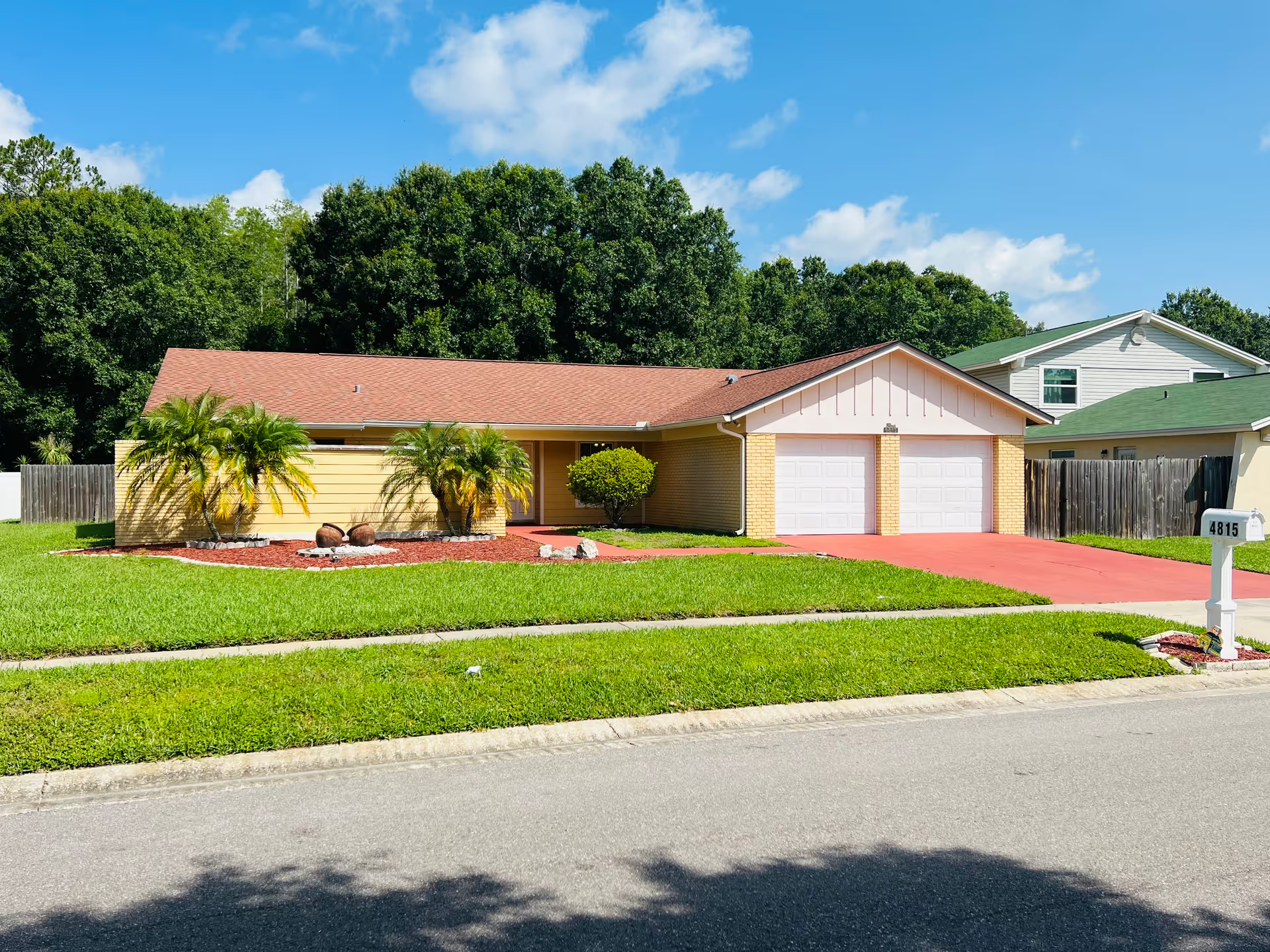
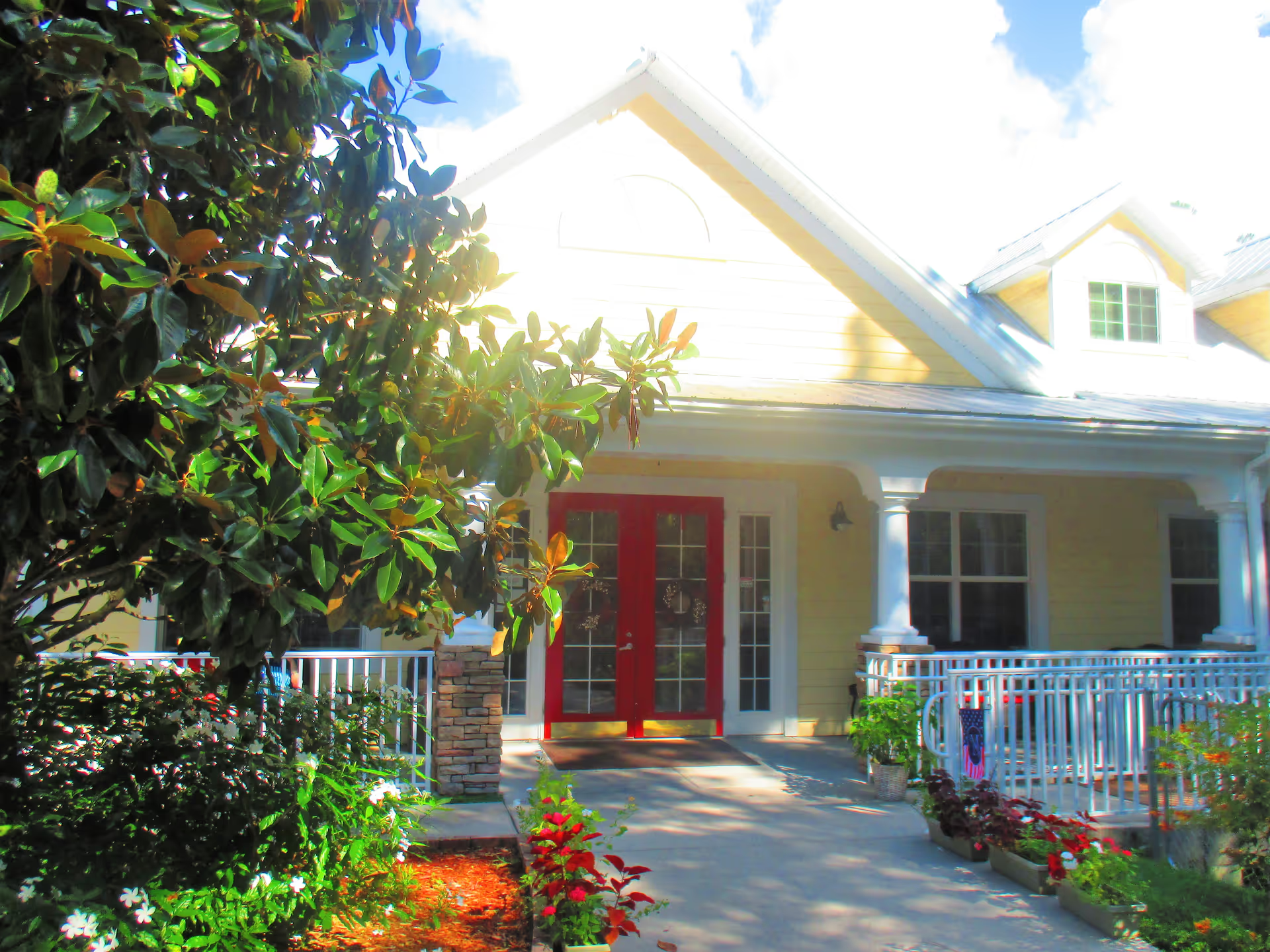
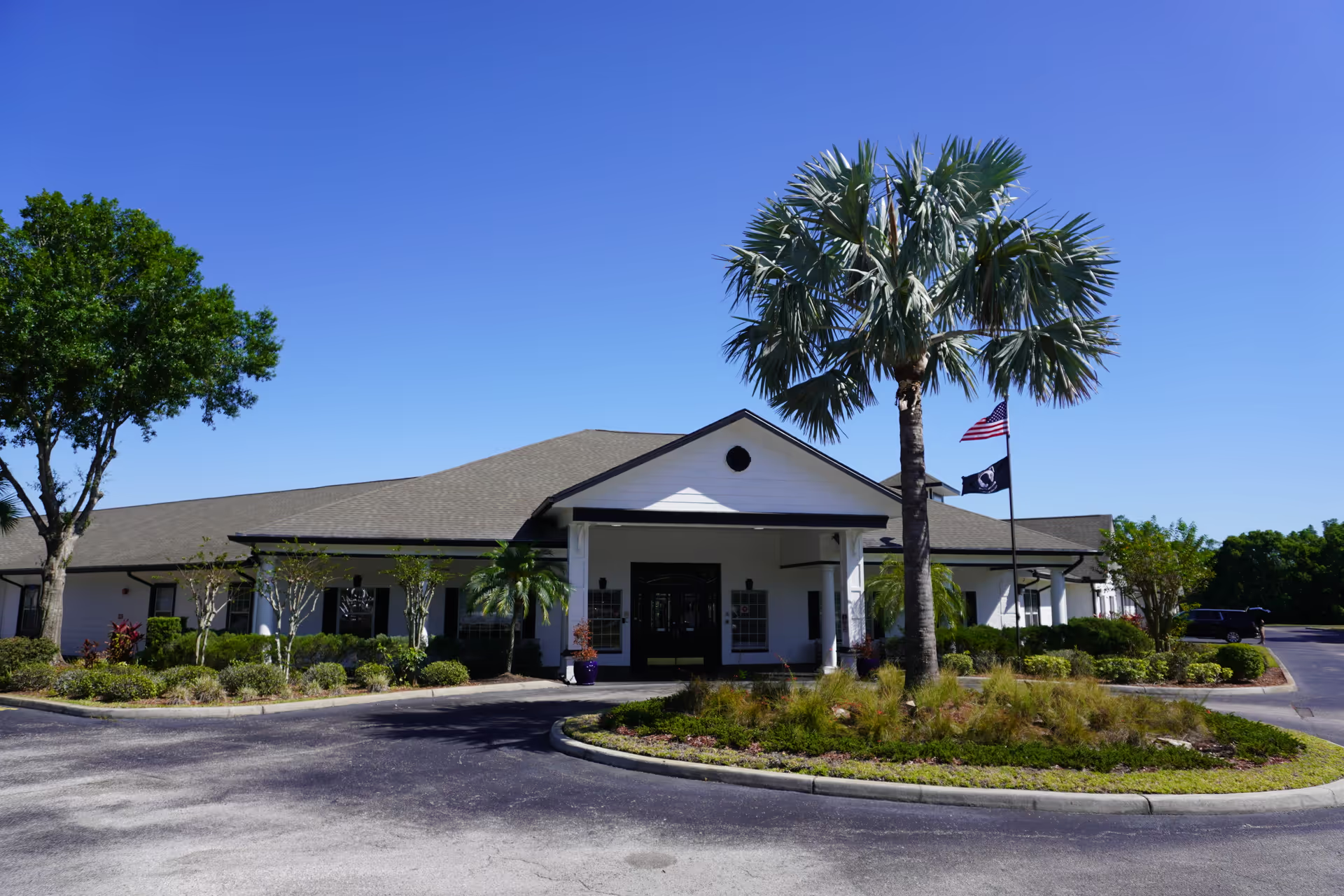
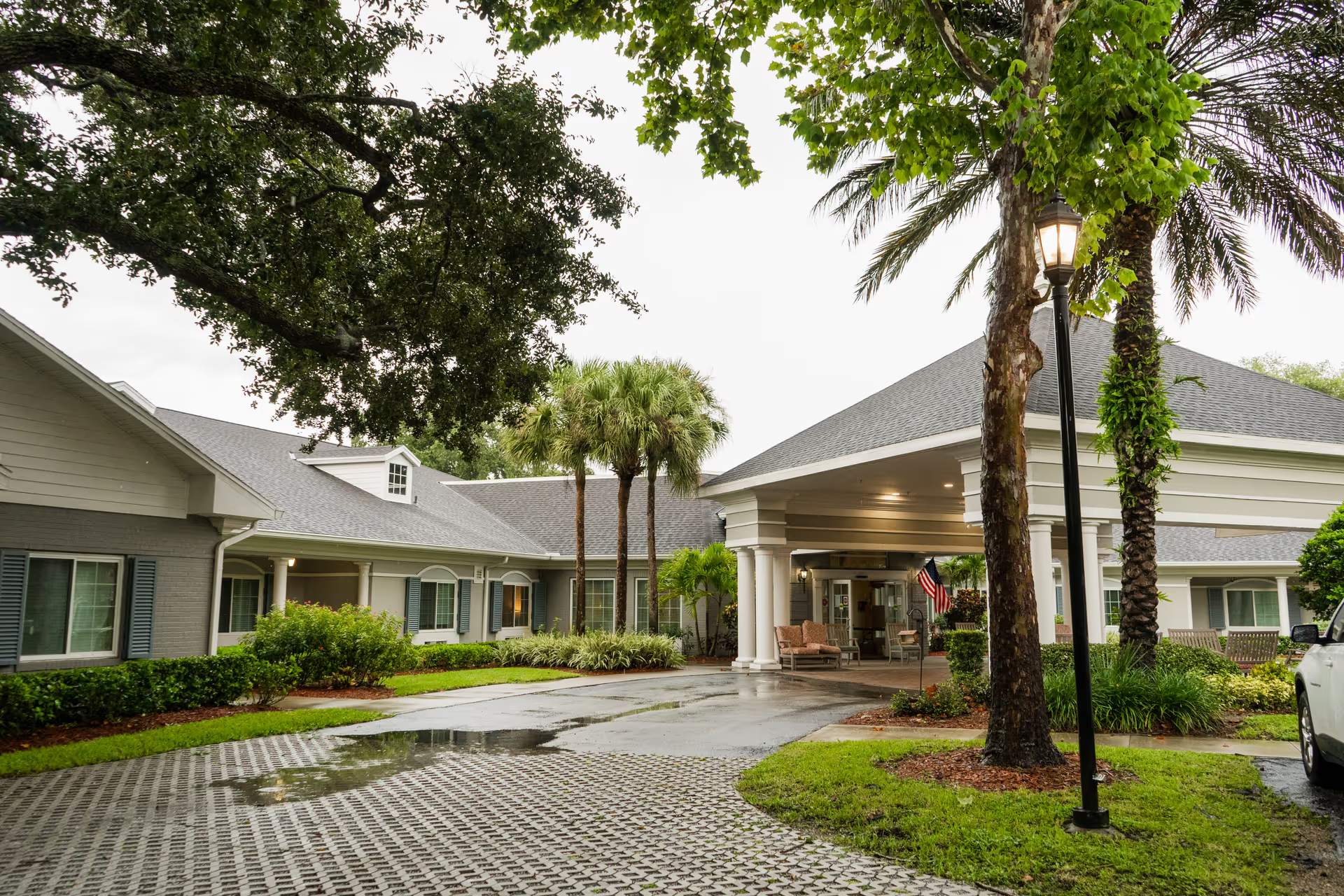
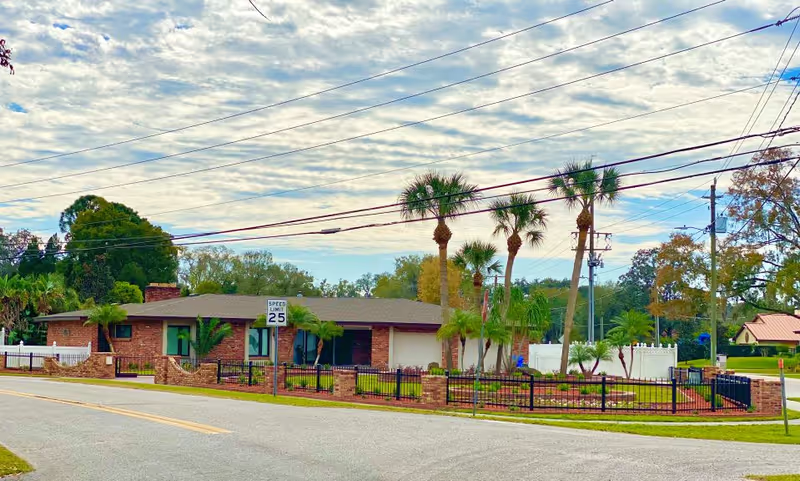
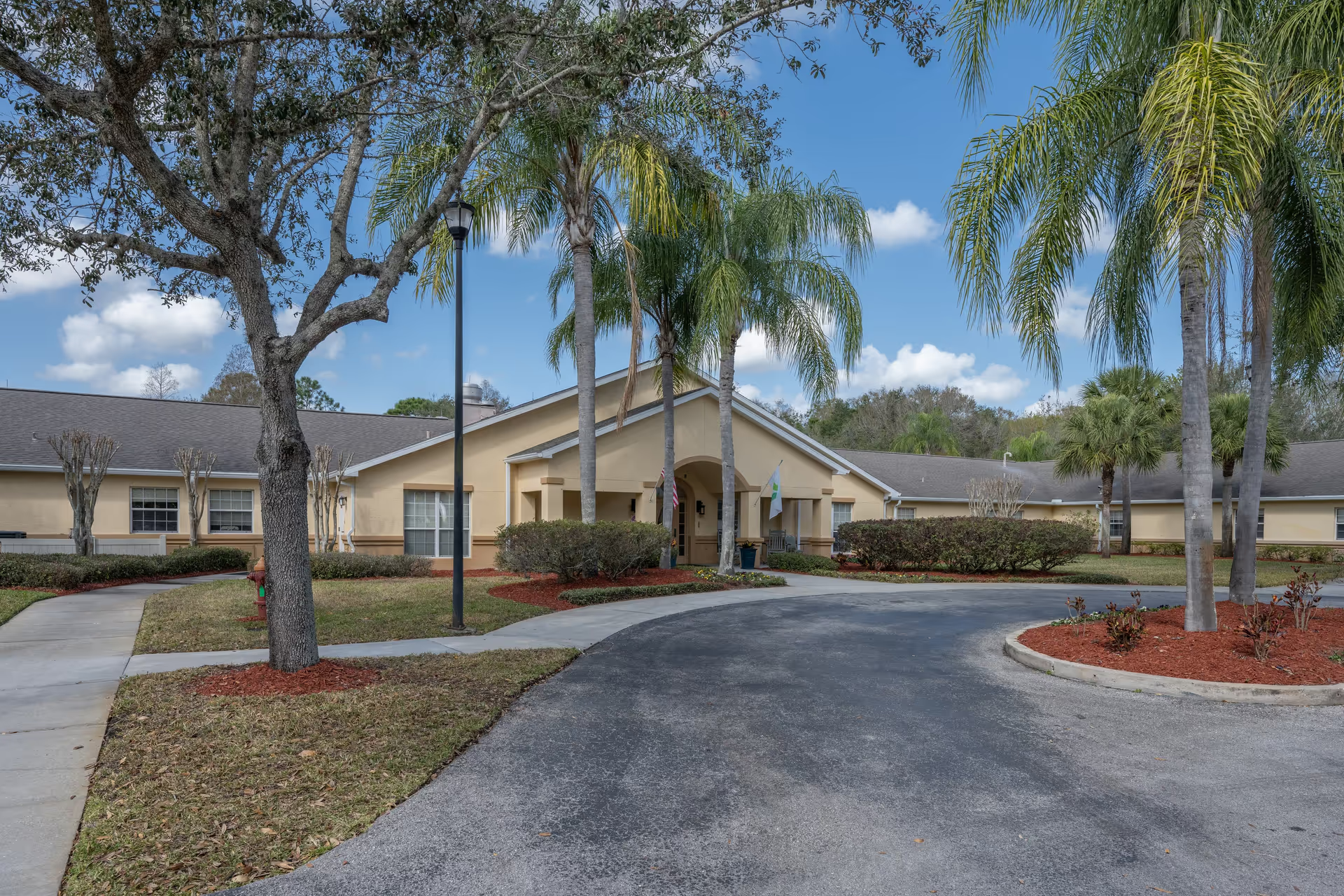
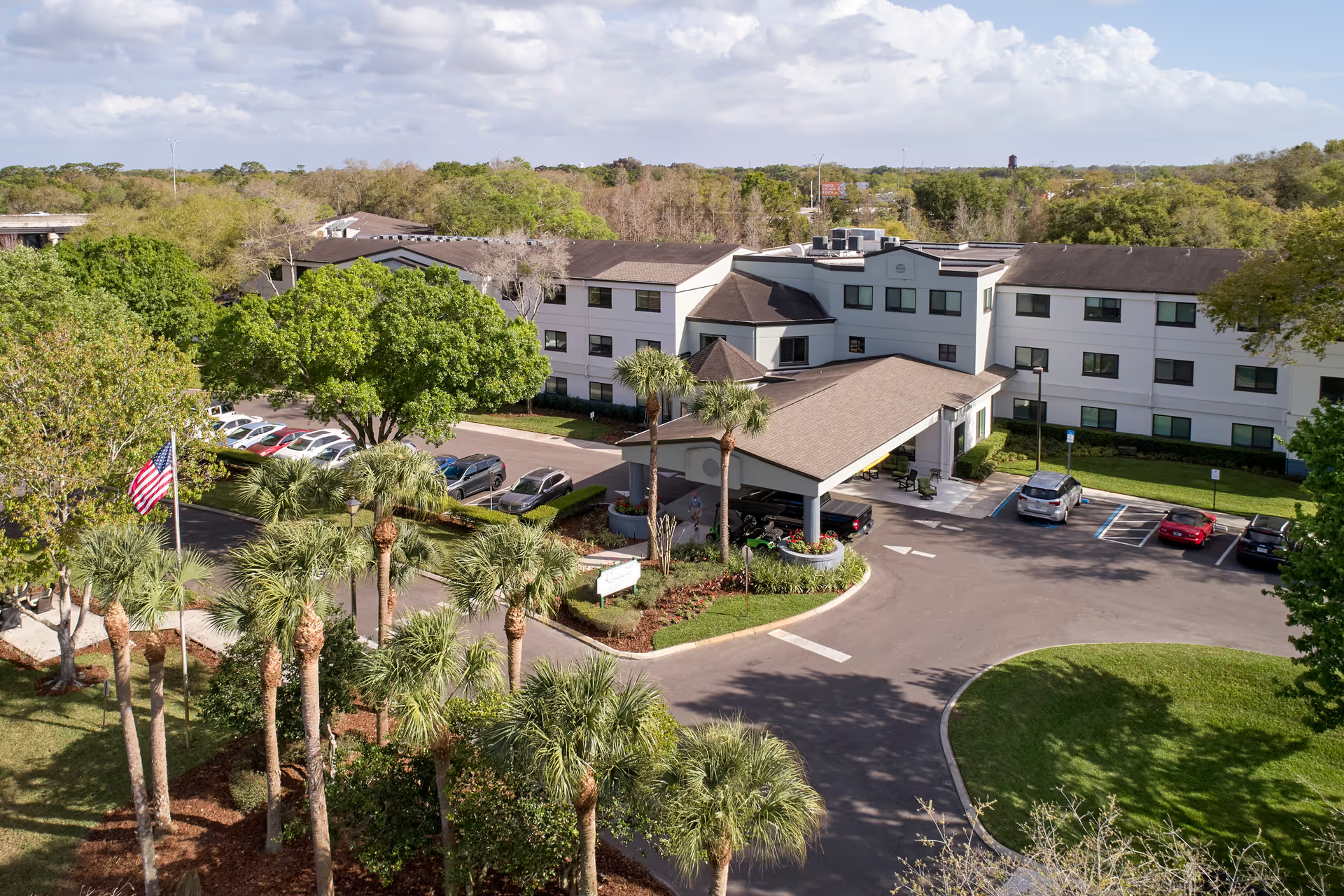
Facility condition and maintenance were generally viewed positively: many reviewers described clean, attractive interiors and pleasant grounds. Yet some noted localized maintenance and repair issues (broken fixtures, plumbing problems, tight shared rooms) and uneven housekeeping in particular areas, pointing to operational gaps in facilities management.
Management and administration comments are mixed. Positive narratives highlight responsive leadership, individualized financial accommodations, and transparent communication from certain directors. Criticisms focus on inconsistent communication, billing disputes, and perceived lack of accountability in addressing clinical and operational complaints; one review referenced an ongoing investigation. These contrasts suggest variability in leadership effectiveness across time or departments.
Notable patterns for prospective residents and families: experiences appear polarized — some households report exemplary, family‑like care while others encountered operational deficiencies significant enough to prompt moves elsewhere. Key due‑diligence topics to raise on a tour or inquiry include current staffing ratios (day and night), medication‑administration protocols, dementia‑care staffing and training, language-assistance availability, dining continuity for special diets, recent maintenance and sanitation audits, and billing/contract terms. Asking to meet the activity director, nursing leadership, and specific frontline caregivers can help families assess whether the strengths align with their expectations and whether the facility’s operational gaps have been addressed.